
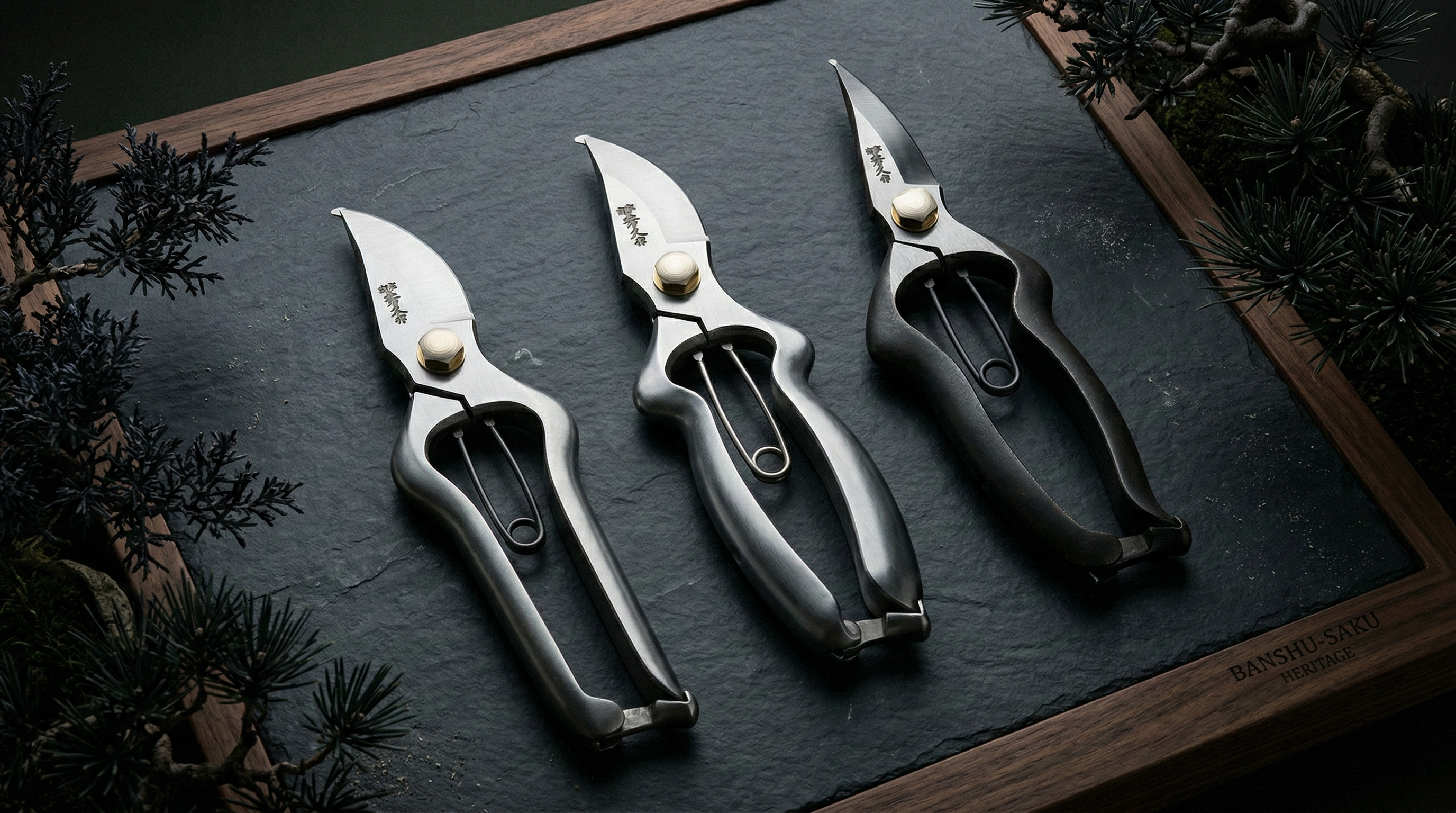
Time in the garden has its own quiet rhythm. Your eyes settle on the stem. Your hand closes around the grip. The blades meet the branch, and the cut is smooth and clean. In that moment, your pruning shears are not just a tool. They are part of your hand.
A sharp blade matters, of course. But if you have ever finished a long pruning session with a sore palm or an aching wrist, the blade was probably not the problem. The grip was.
A handle that slips when your palms are damp. A shape that makes you pinch instead of relax. A balance that feels unsteady when you try to place a precise cut. These small frictions add up. Over time, they change the way you work — and the way you feel about your work.
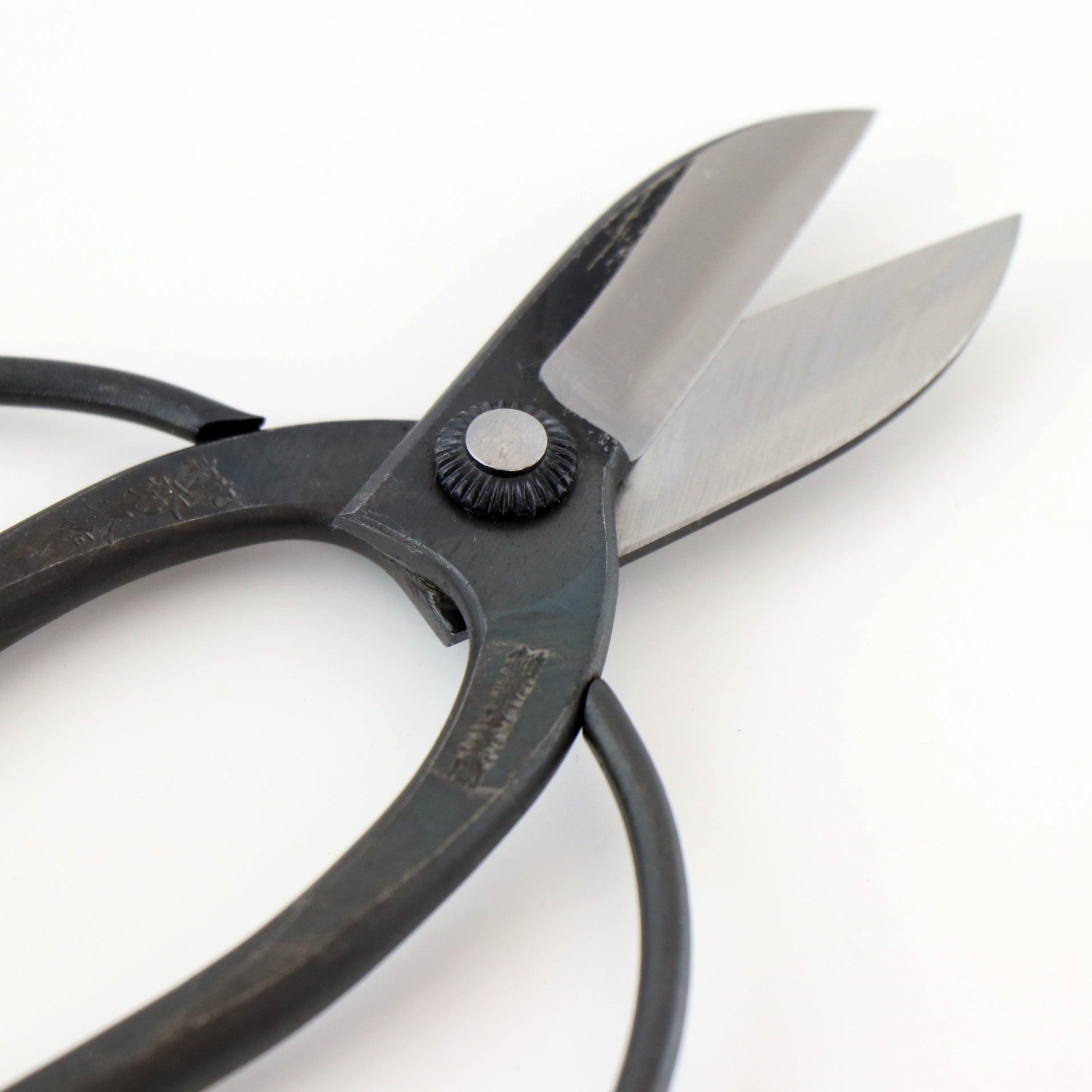
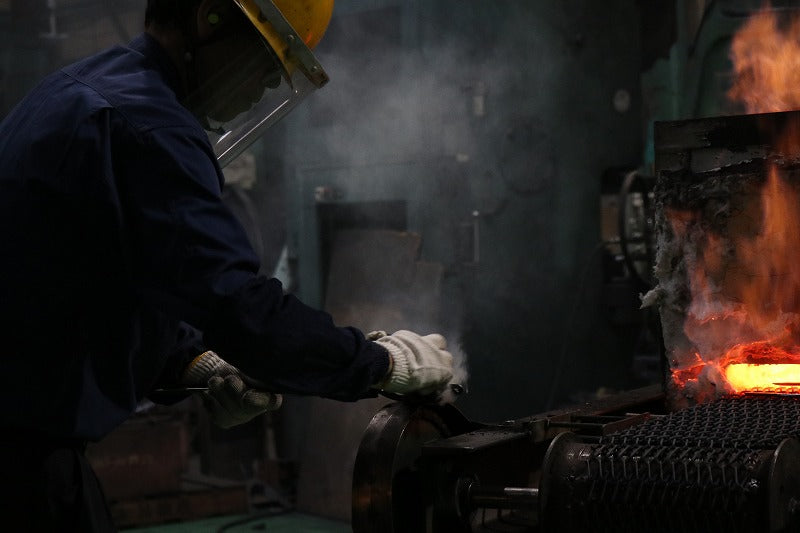
At Toyama Hamono, we have been forging shears by hand in Sanjo, a city in Niigata Prefecture, since 1861, a city famous for its metalworking heritage. Our roots run five generations deep, from our founder Ryumatsu to the current head of our workshop, Hidenobu Toyama. We still use tanzo (traditional forging) — the same fire-forging methods once used to make Katana. That heritage shapes every tool we make. But so does listening closely to real Gardeners, Florists, and Artisans who use their hands every day.
This guide will help you choose pruning shears by starting with your hand, so the tool becomes truly yours.
Why Does Grip Matter on Pruning Shears?
The "feel" of a pair of pruning shears is not one single thing. It is a blend of small details working together: how the blades open and close, how the tip tracks when you aim for a cut, how the handle fills your palm, where your fingers naturally settle, and how much effort you need to squeeze.
We make both traditional Japanese-style garden shears and Western-style pruning shears. Working across those styles has taught us something simple: control comes from geometry, not force. The best performance happens when the tool guides your hand into a stable, repeating motion — so your energy goes into the cut, not into fighting the grip.
Over the years, professional Gardeners, Florists, and growers have shared the same concerns with us again and again:
- "My grip shifts when my hands sweat."
- "I am fine for fifteen minutes, then my hand starts to tire."
- "I want more confidence placing the tip exactly where I need it."
- "I do not want to fight my tool through an entire afternoon."
Those concerns do not point to one "perfect" handle. They point to three distinct grip philosophies — each designed around a different way of working.
What Are the Three Types of Pruning Shear Grips?

When you look through our pruning shear lineup, you will notice that grip design is not an afterthought. It is one of the most important choices you can make. We organize our grips into three families:
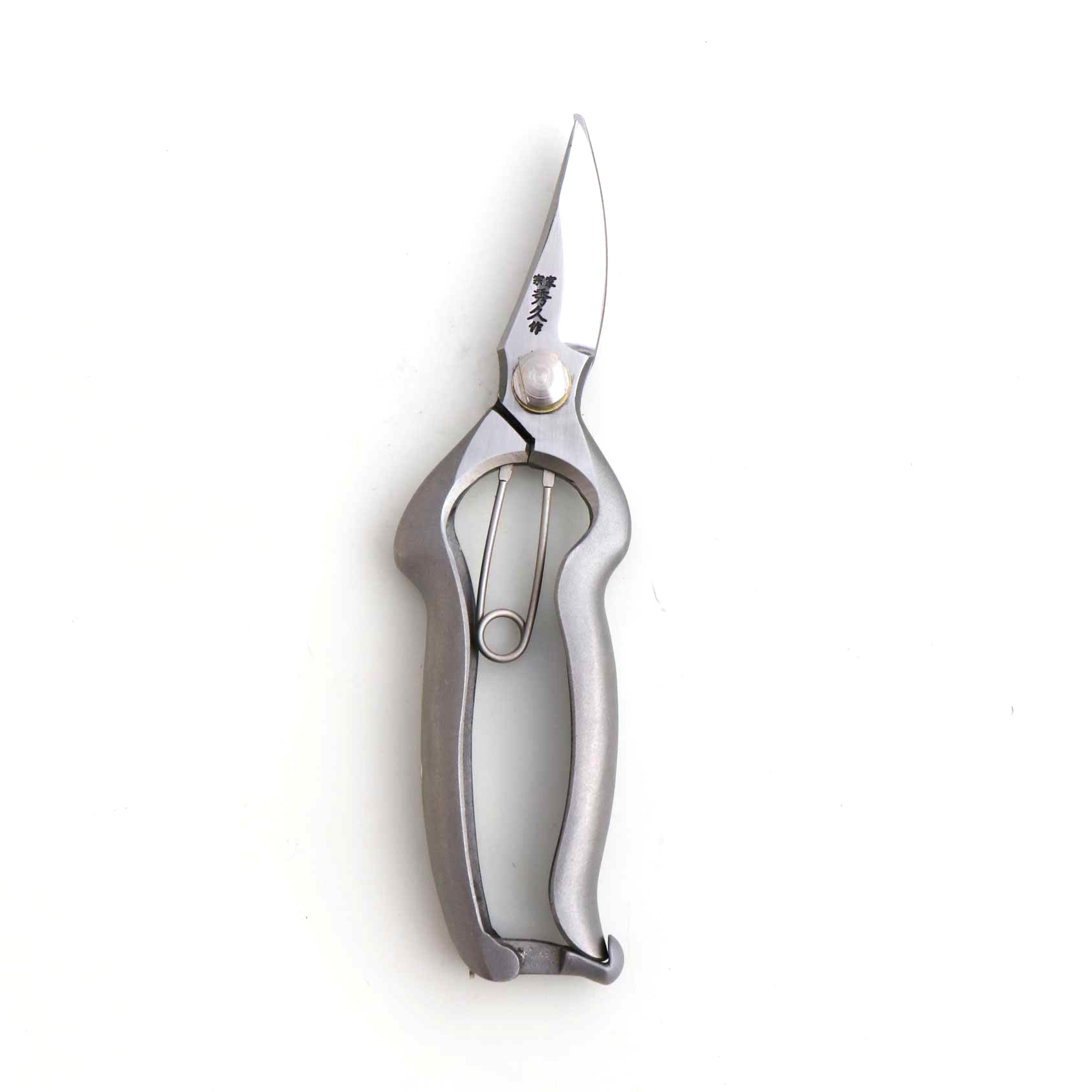
- Symmetrical Grip
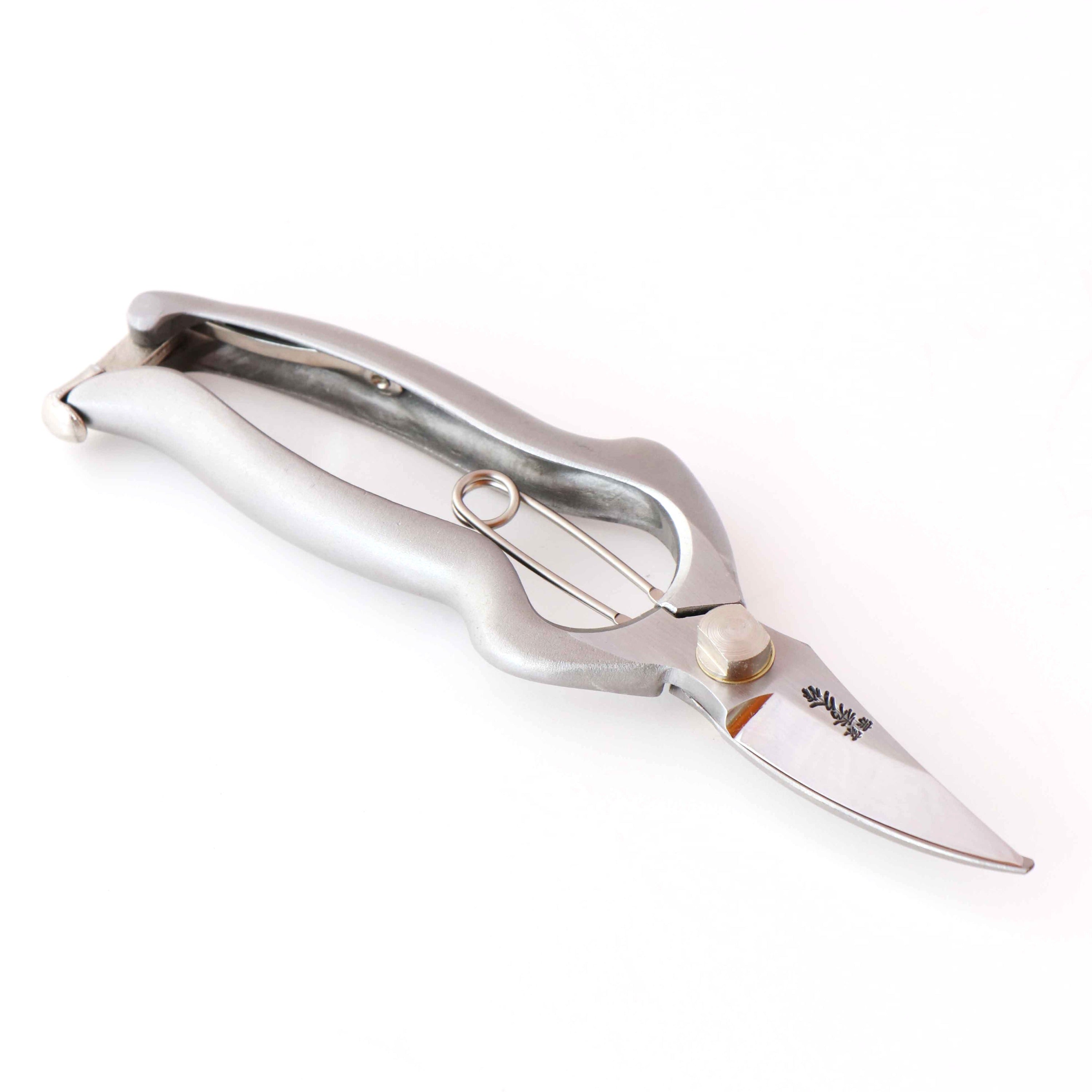
- Symmetrical Ergonomic Grip
- Asymmetrical Ergonomic Grip
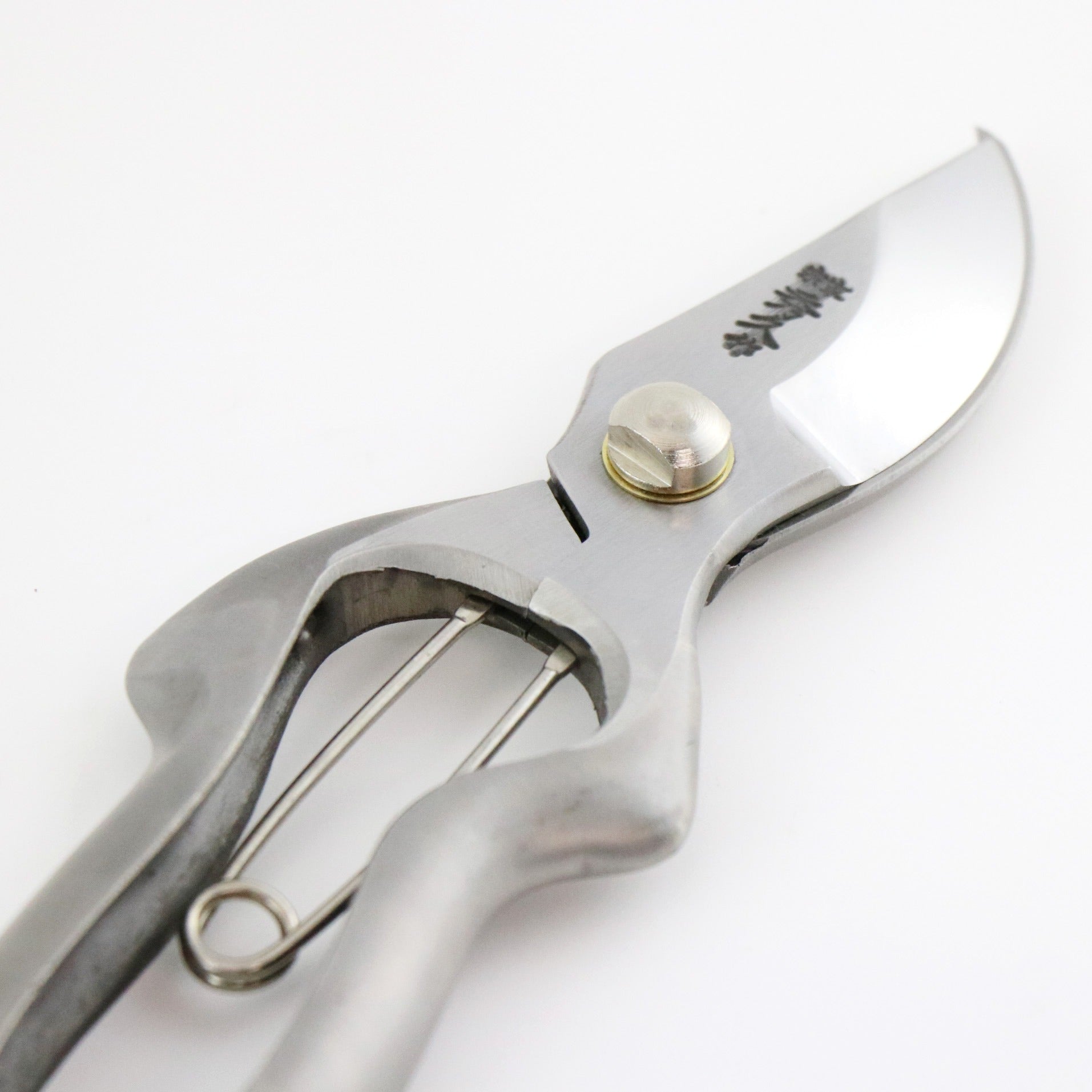
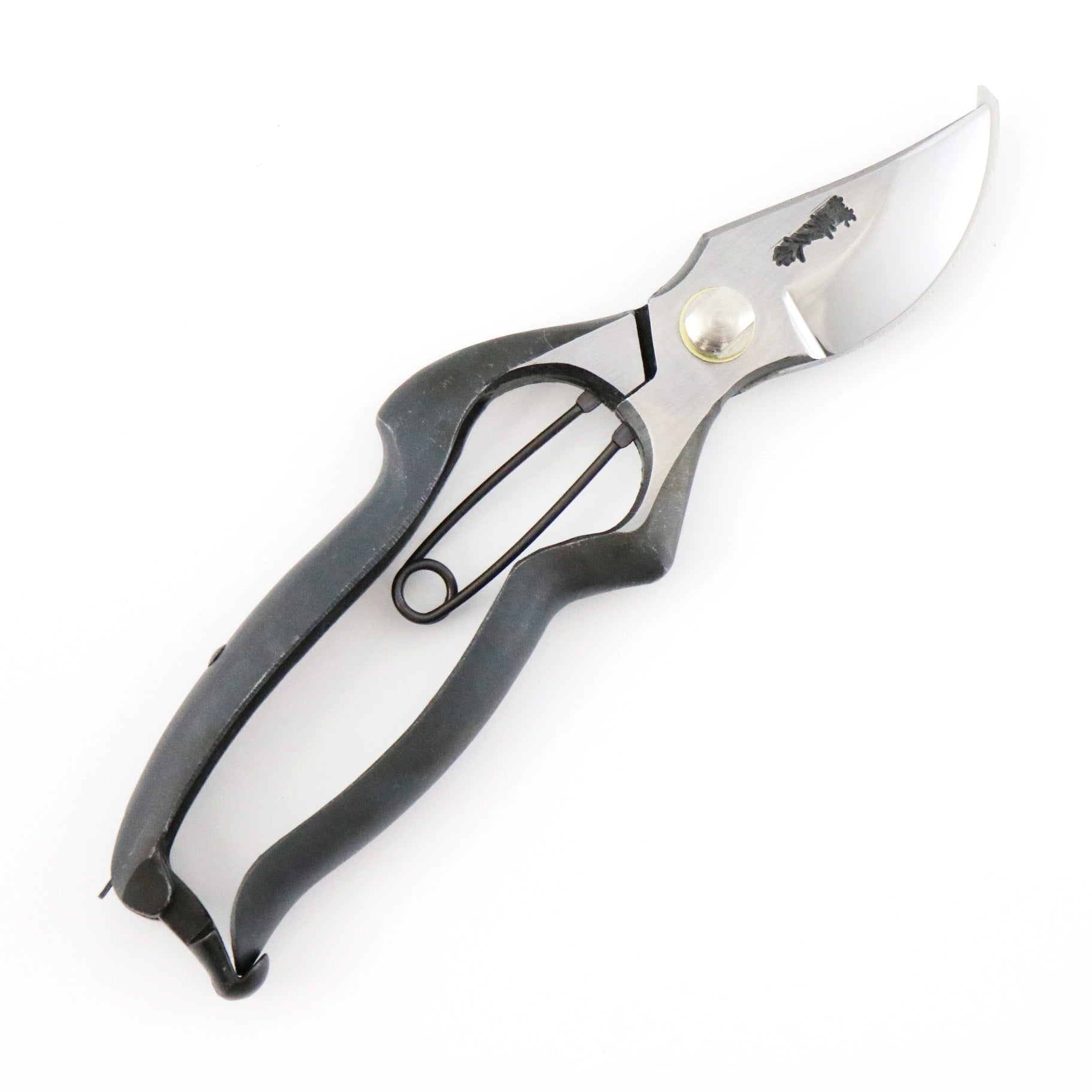
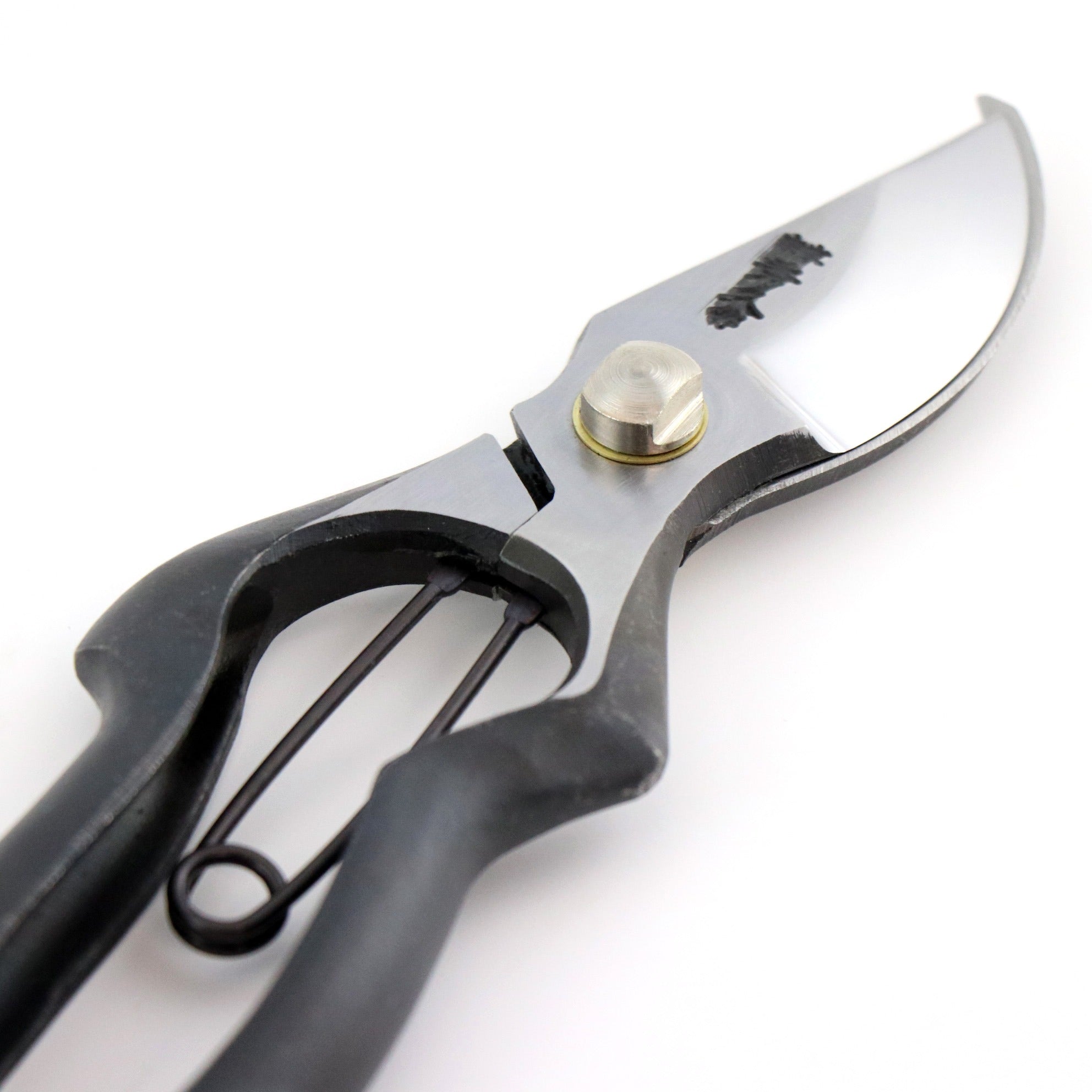
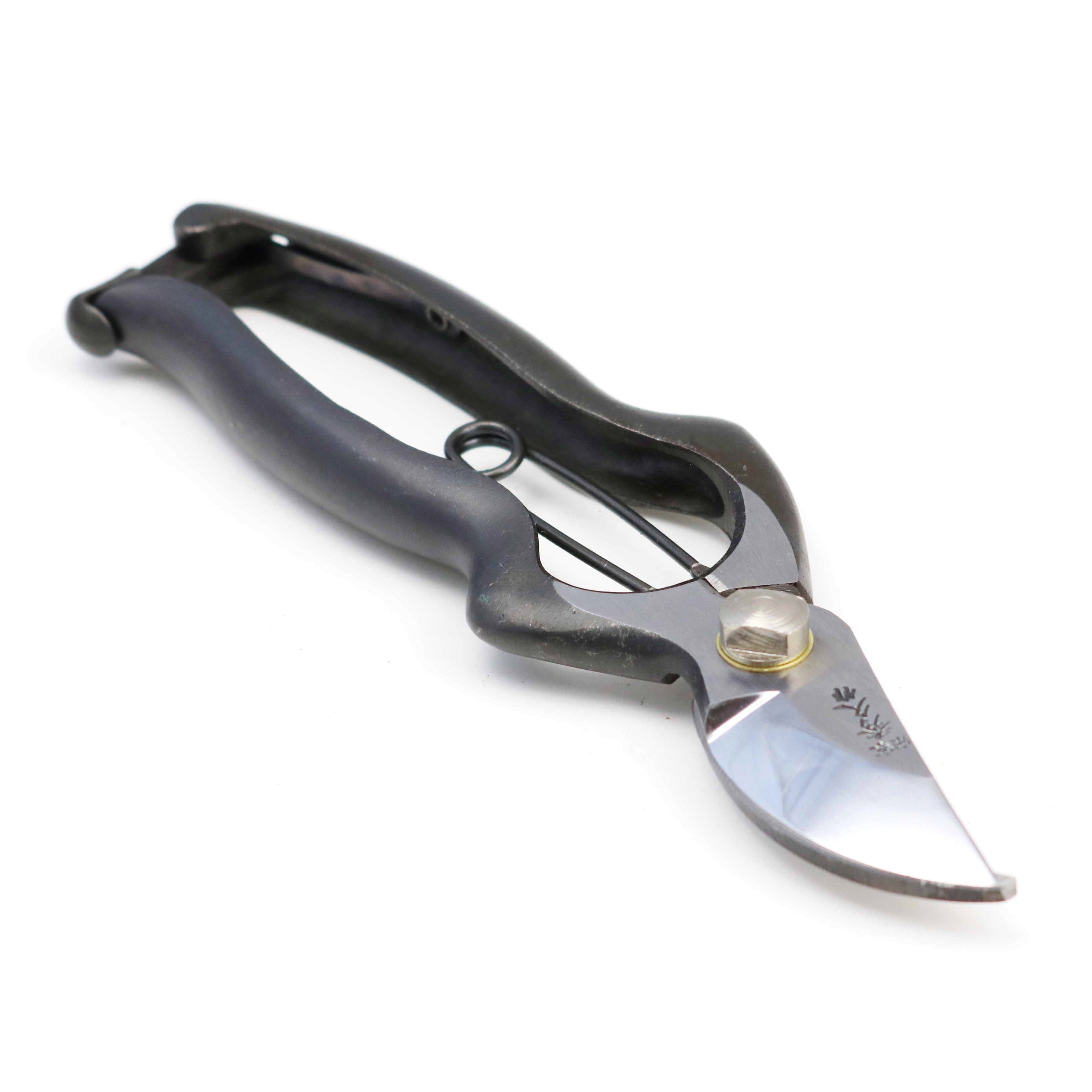
These are not marketing labels. They are practical categories that match how your hand naturally wants to work. Across all three families, the connection between handle and blade is designed to feel direct and honest — so the pressure you apply in your grip translates cleanly into the cut.
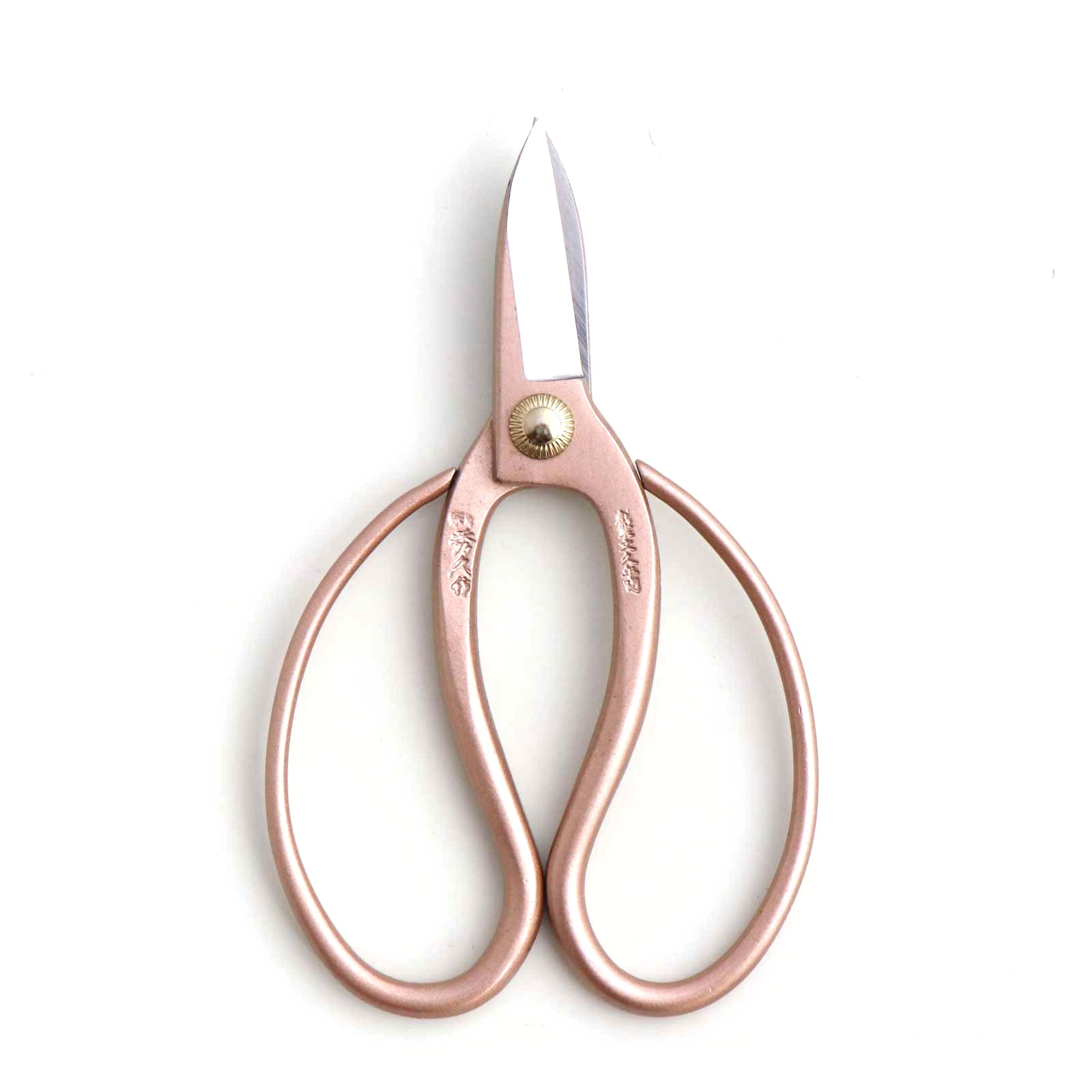
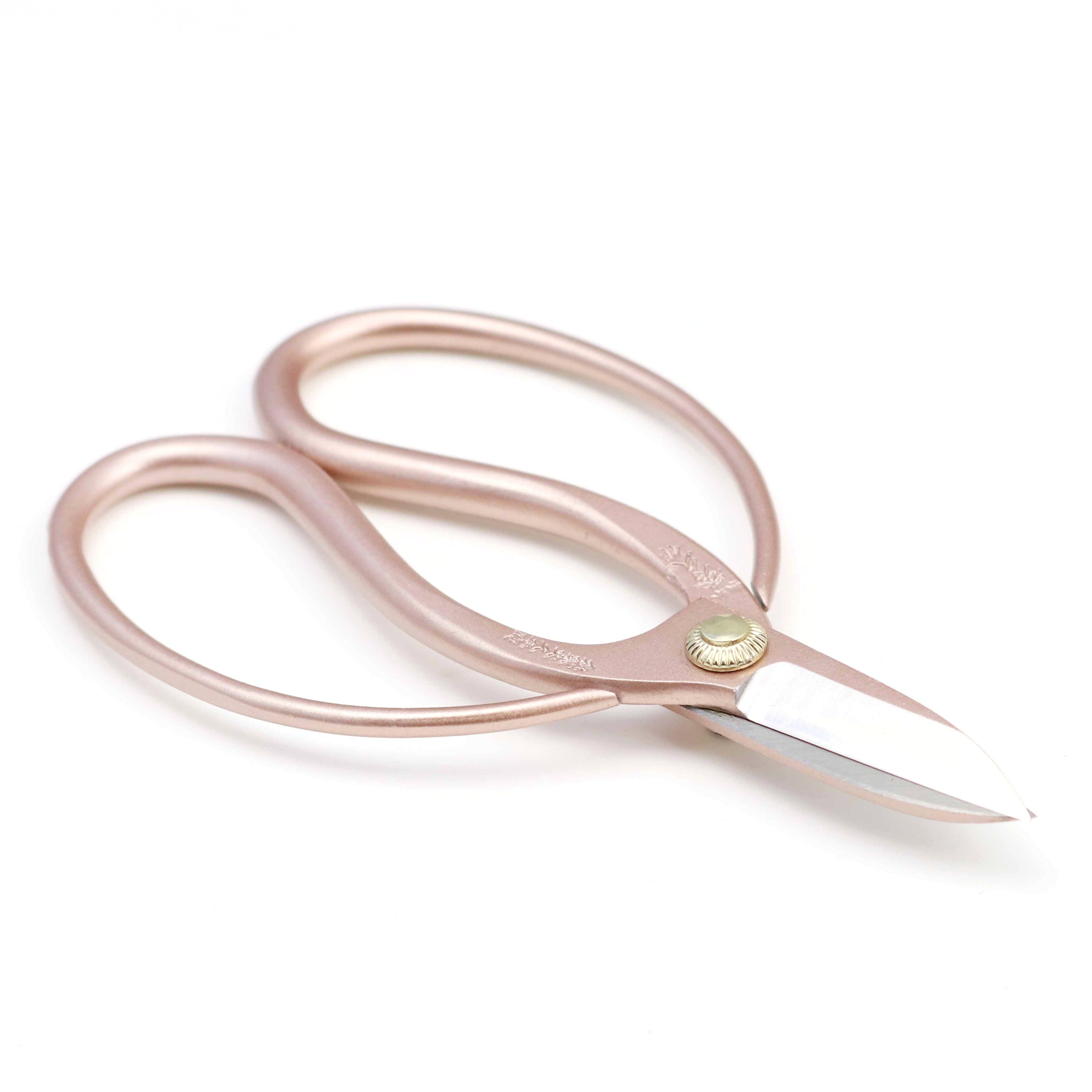
Symmetrical Grip: Classic Freedom (Models T34, T14)

A symmetrical grip is the most classic and neutral handle shape. It feels familiar the moment you pick it up.
If you like to adjust your hand position as you work — small shifts in angle and wrist position throughout the session — this style gives you that freedom. Many Gardeners also appreciate how easy it is to switch between quick trimming and more careful, deliberate pruning without changing their hold.
This grip is a good fit if you:
- Prefer a traditional, straightforward feel
- Like the freedom to shift your hand position
- Do a wide variety of everyday garden tasks
Symmetrical Ergonomic Grip: Stability Without Sacrifice (Models T21, T31)

One of the most common concerns we hear from Gardeners is simple: slipping. In humid weather or during long sessions, a handle that slowly shifts in your palm can make you grip tighter without even noticing. That is where fatigue builds.
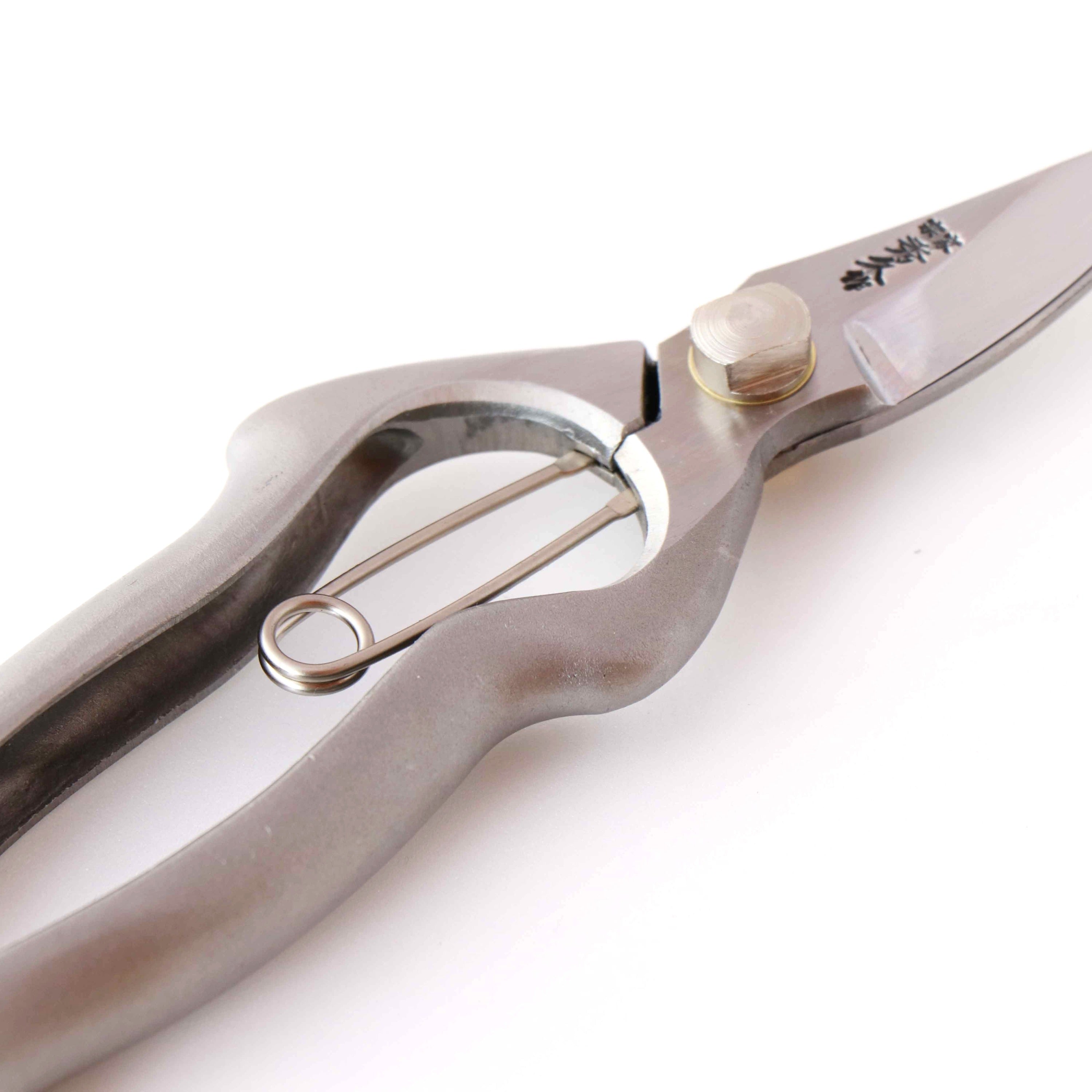
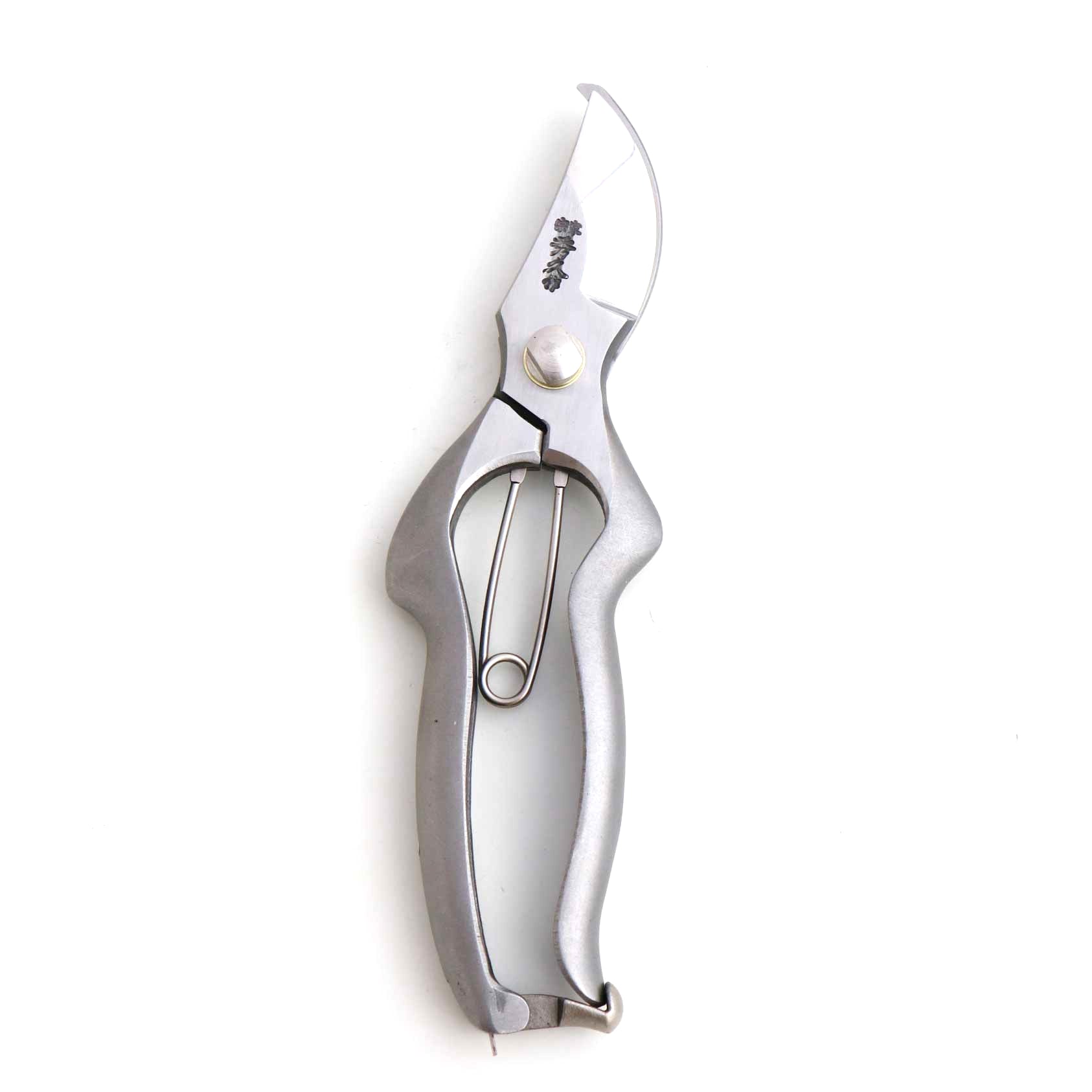
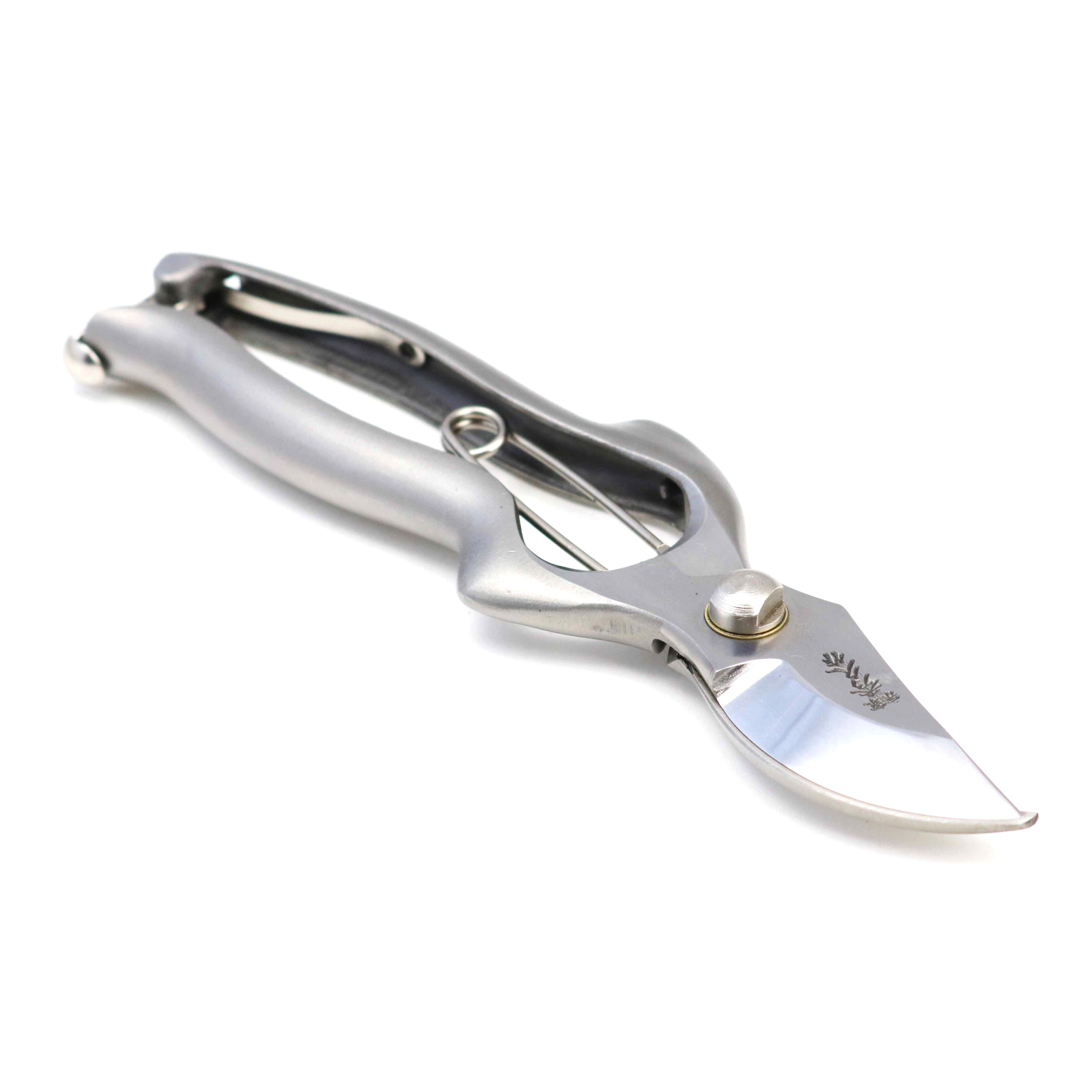
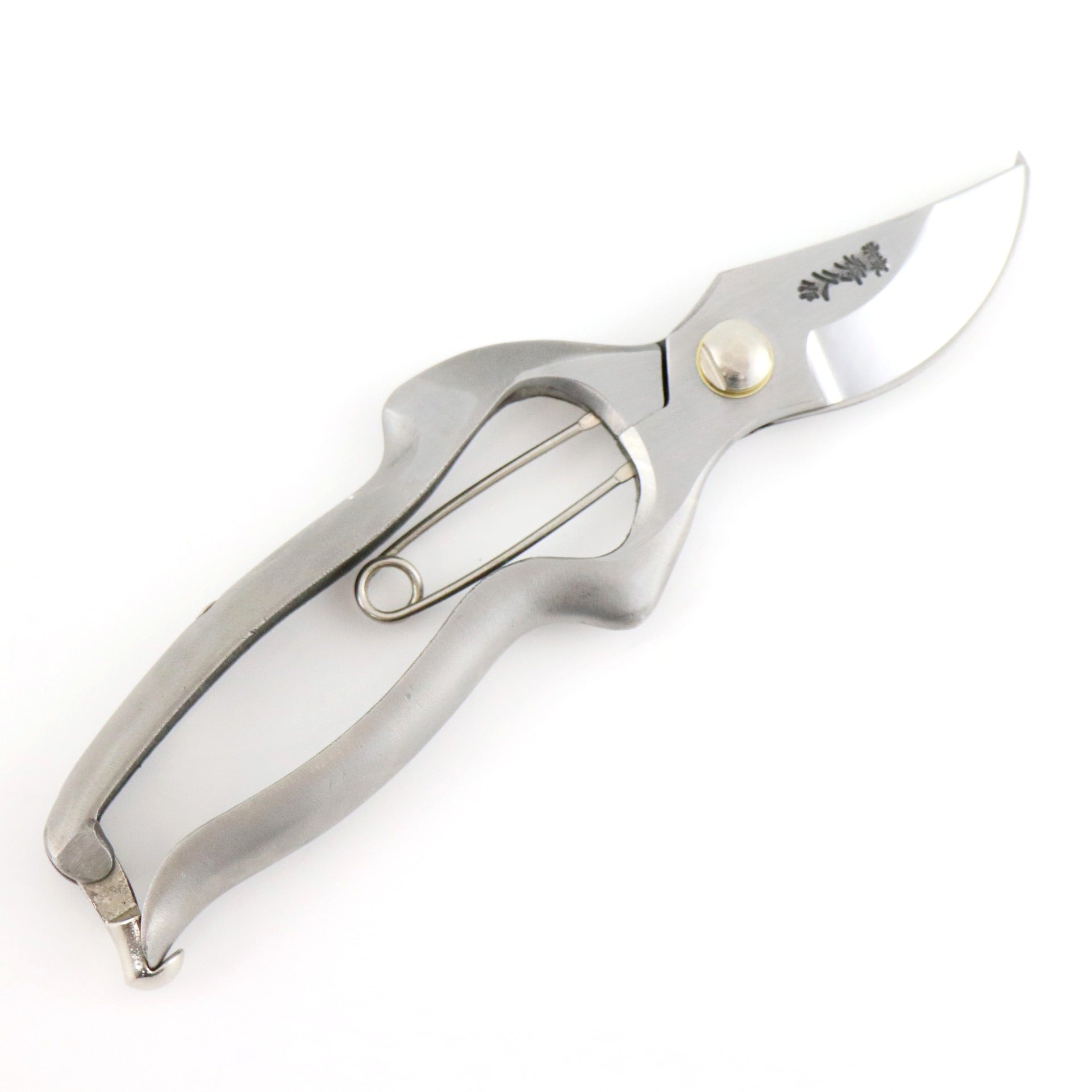
The symmetrical ergonomic grip keeps the balanced, easy-to-learn nature of a symmetrical handle but adds gentle shaping for stability. You will notice contours that help your fingers find their place, a rounder and fuller feel that spreads pressure more comfortably, and a shape that reduces the urge to squeeze.
The result is a grip that still feels versatile — but stays more secure over time.
This grip is a good fit if you:
- Worry about slipping in sweat, humidity, or light rain
- Do long trimming sessions where comfort really matters
- Want more stability without fully committing to an asymmetric shape
Asymmetrical Ergonomic Grip: Maximum Power, Minimum Fatigue (Models T30, T13, T25)

If your priority is getting the most power from every squeeze while keeping fatigue low, the asymmetrical ergonomic grip deserves serious consideration.
This design is shaped around how your hand naturally applies force. Your thumb side and your pinky side do not work the same way. By shaping each side of the handle differently, this grip reduces twisting in the palm, encourages a more stable, efficient squeeze, and helps the blade feel locked in when you place the tip.
For many Gardeners, this is the handle that feels the most settled during long sessions — especially for repetitive cuts or tougher material that demands a firm, confident motion. Some models also angle the blade to align more naturally with your wrist, reducing the small corrections that lead to strain over time.
This grip is a good fit if you:
- Do long pruning sessions and want to reduce fatigue
- Want the most powerful, confident cut
- Prefer a "guided" feel over maximum freedom
How Do Handle Materials Affect Comfort?
Grip shape is only half the story. The surface your hand touches — what we call the tactile layer — changes how the same handle performs in practice.
We offer materials that let you choose not just for function but also for comfort and character that grow richer over time.
Leather-Wrapped Handles (Example: T27O)

Leather adds a subtle grip and a warmth that bare metal cannot match. It feels more secure when your hands are slightly damp, and it softens the shock of cold metal on a chilly morning when you are working barehanded.
We offer leather wraps in Camel, Black, and Olive, depending on the model. Over time, the leather develops its own patina — a quiet reminder of every season you have spent together.
Best for: Comfort-focused Gardeners, barehanded workers in cooler seasons, and anyone who wants a more secure, tactile feel.
A note on gifts: Leather-wrapped pruning shears make a thoughtful and personal gift for a birthday, holiday, or gardening milestone. We also offer custom engraving — your recipient's name, hand-etched onto the tool.
Wood Handles (Models T101 to T107)

Wood brings a different kind of satisfaction. It is warm in the hand and visually striking — and it develops a deeper, richer finish with every use.
We offer wood options such as Walnut and Bubinga (availability varies by model). No two pieces look the same. That natural variation is part of the appeal: your shears are truly one of a kind.
Best for: Gardeners and Artisans who care about the tool as an object — not just a function — and anyone who enjoys patina and the way natural materials age with grace.
How Do I Pick the Right Pruning Shear Grip for Me?
If you only compare specs, many pruning shears can look similar on paper. A better starting point is to ask yourself: How do I want my hand to feel after thirty minutes? After two hours?
Here is a simple way to narrow it down:
- Want maximum freedom and a classic feel? → Symmetrical Grip (e.g., T34)
- Want stability without giving up symmetry? → Symmetrical Ergonomic Grip (e.g., T21 or T31)
- Want the most guided, power-efficient feel? → Asymmetrical Ergonomic Grip (e.g., T30, T13, or T25)
Then layer in your environment and preferences:
- Humid conditions or frequent moisture: Consider stainless steel options where available (model dependent).
- You love materials that age beautifully: Consider leather or wood handles.
- You often wear gloves: Ergonomic contours can help your fingers land in the right place every time.
- You do long sessions: Prioritize fatigue reduction over what looks standard.
A Quick Fit Check You Can Do at Home
Even without making a single cut, you can learn a lot from how shears feel in your hand. Try this:
- Open and close slowly. Do your fingers naturally settle into a stable position?
- Hold lightly. Does the tip feel easy to aim without squeezing harder?
- Repeat a few cycles. Does pressure concentrate in your fingertips, or does it spread across your whole hand?
- Pay attention to your wrist. Does the angle feel natural, or slightly forced?
A small discomfort now becomes a big one after an hour. The goal is a grip that makes good technique feel effortless — so you can focus on the plant, not the tool.
A Shear That Becomes Yours Over Time
Choosing the right pruning shears is not just picking a garden tool off the shelf. It is choosing a companion for your work — a tool shaped by a craft tradition rooted in Sanjo since 1861, refined by real feedback from people who use their hands every day.
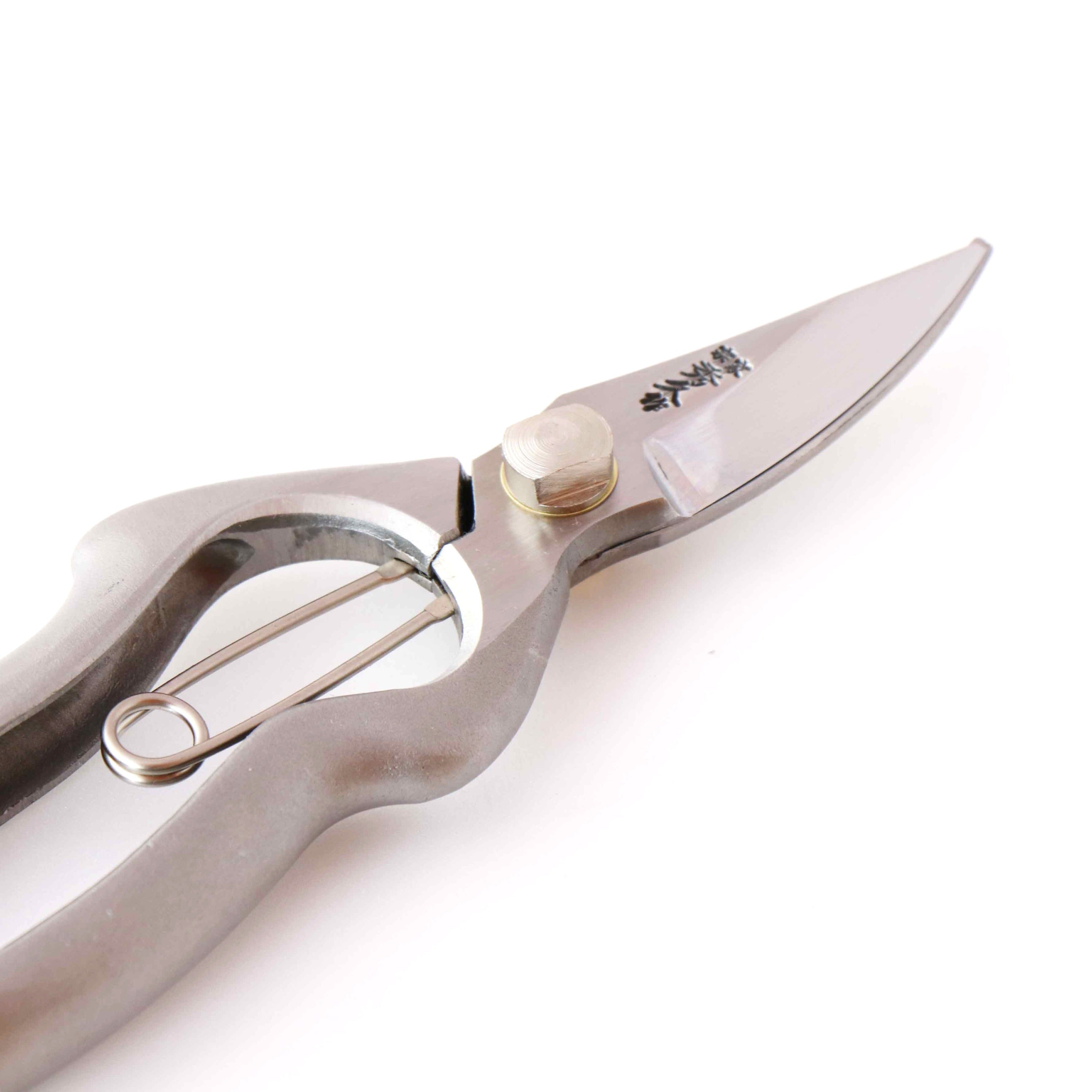
Our blades are forged from high-carbon steel (YCS3) and stainless steel (SUS440C), hand-finished by skilled artisans using the same fire-forging methods once used to forge Katana. They can be resharpened again and again. Edge performance can always be restored. Every purchase includes a free blade-sharpening coupon, and we ship every order free of charge.
But fit — that quiet sense that a tool belongs in your hand — starts with choosing the right grip from the beginning.
If you are not sure where to start, begin with the grip family that matches your style, then choose your preferred material. Over time, the tool becomes more than a good pair of shears. It becomes your shears.
We would love to help you find the right match. Tell us how you work — your typical session length, whether you wear gloves, and what you cut most often — and we will point you toward the most natural fit in our lineup.
Browse our pruning shears




Share:
How to Choose Traditional Japanese Garden Shears
High-Carbon vs. Stainless Steel Pruning Shears