Forged vs. Stamped Pruning Shears: What's the Difference?
by Hidenobu Toyama
Forged pruning shears often cost more. Yet many professionals in gardening and floral work still reach for them day after day.
Why?
One reason, we believe, is how long the sharpness lasts — and how steady the tool feels in real use. That includes the bite (how the blades grab as they start the cut) and the smoothness of opening and closing.
Unlike a kitchen knife, pruning shears cut well only when the blades meet correctly. So it is not just about a sharp edge. How the blades are made — and how precisely the two blades are tuned to contact each other — directly affects both the cut surface and the feel in your hand.
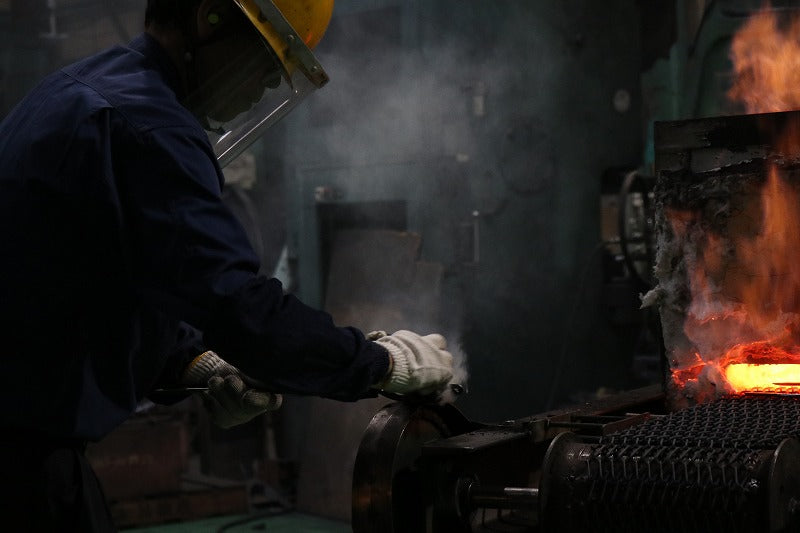
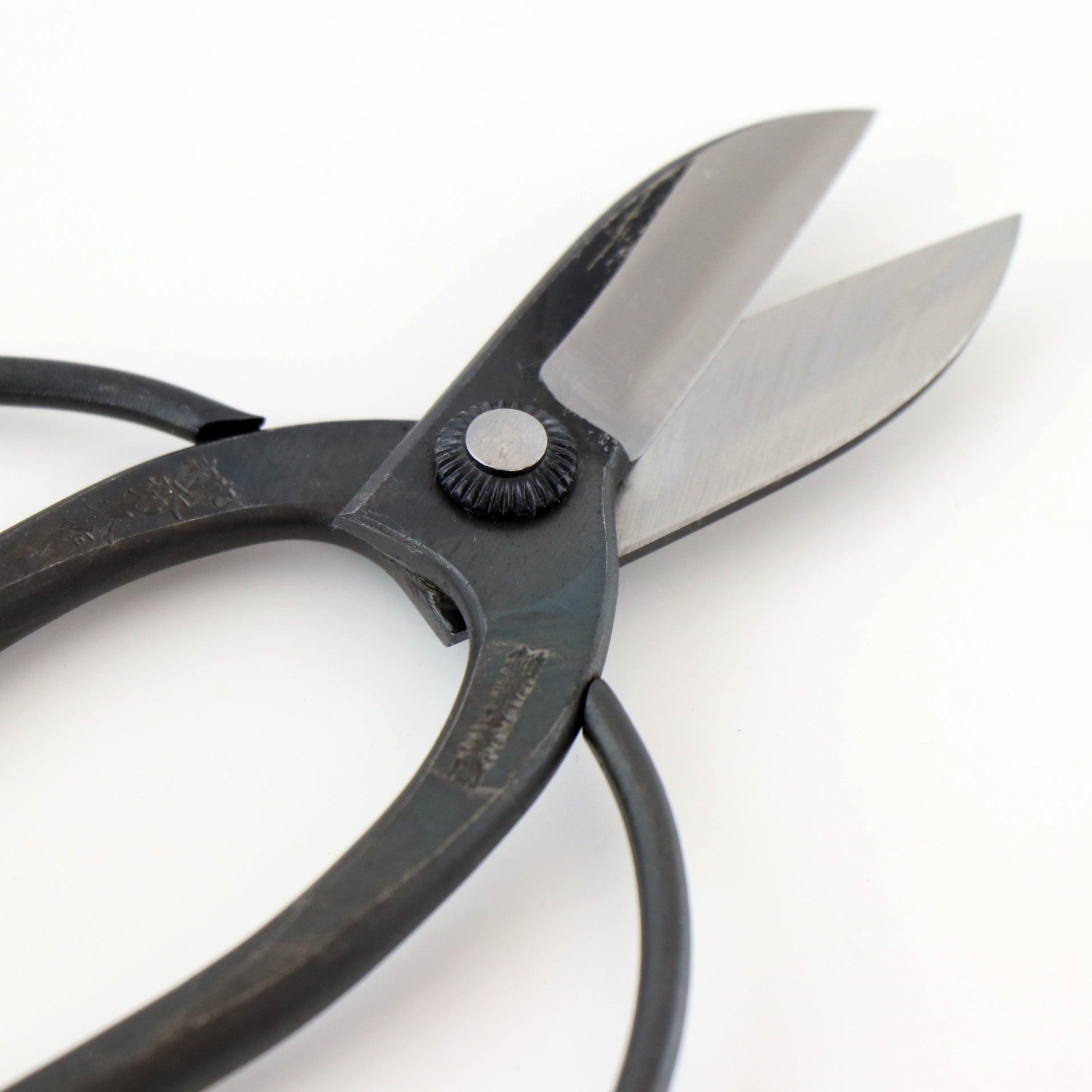
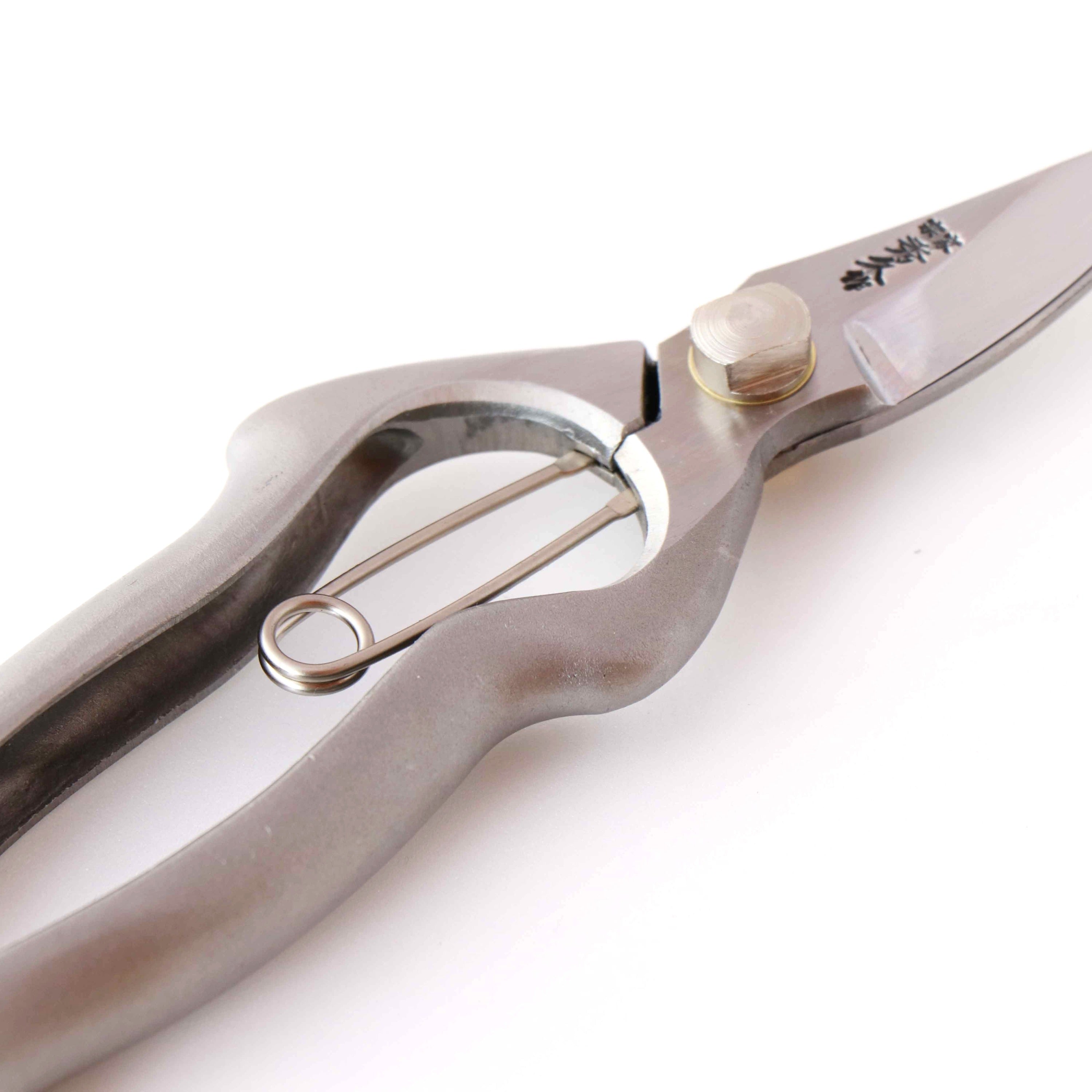
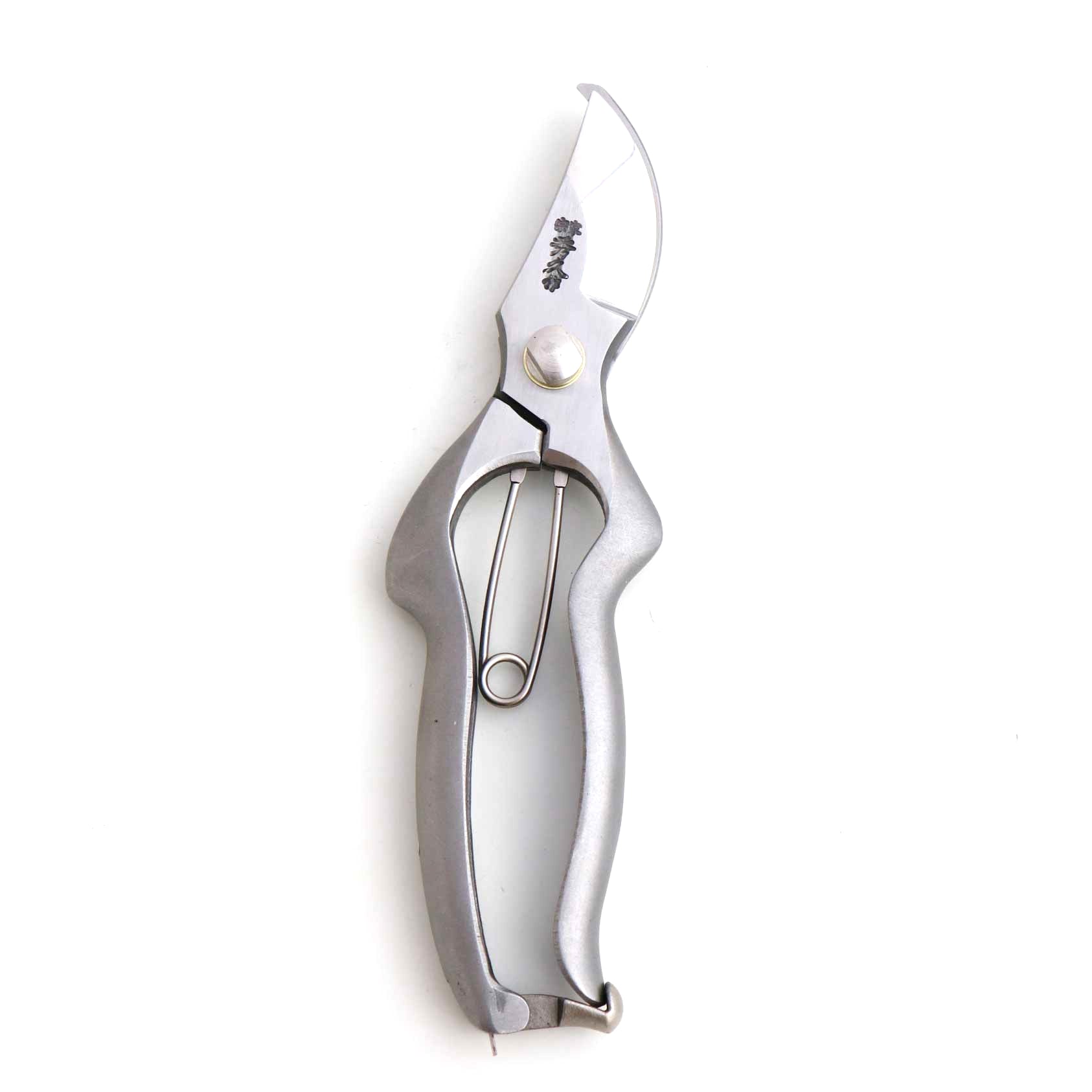
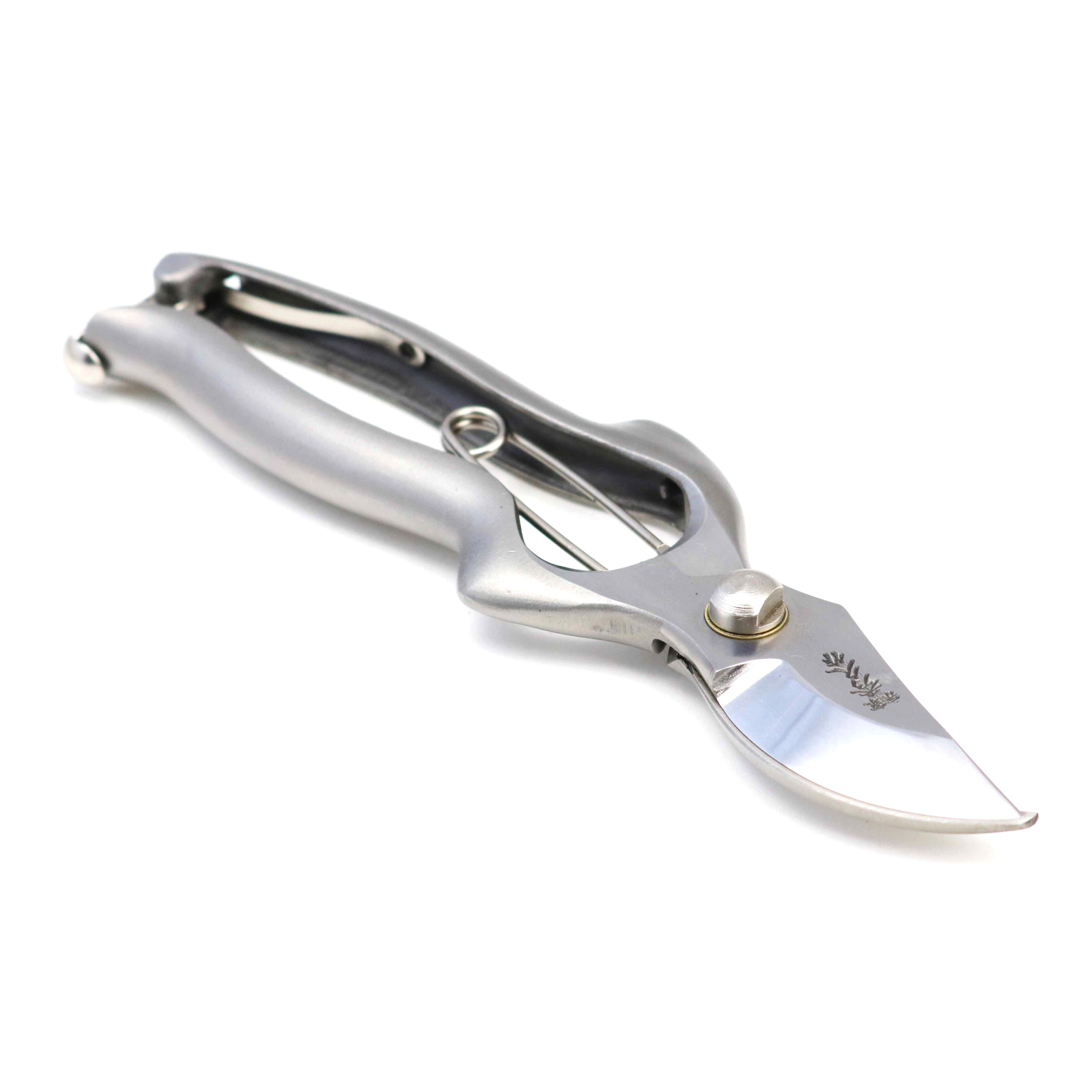
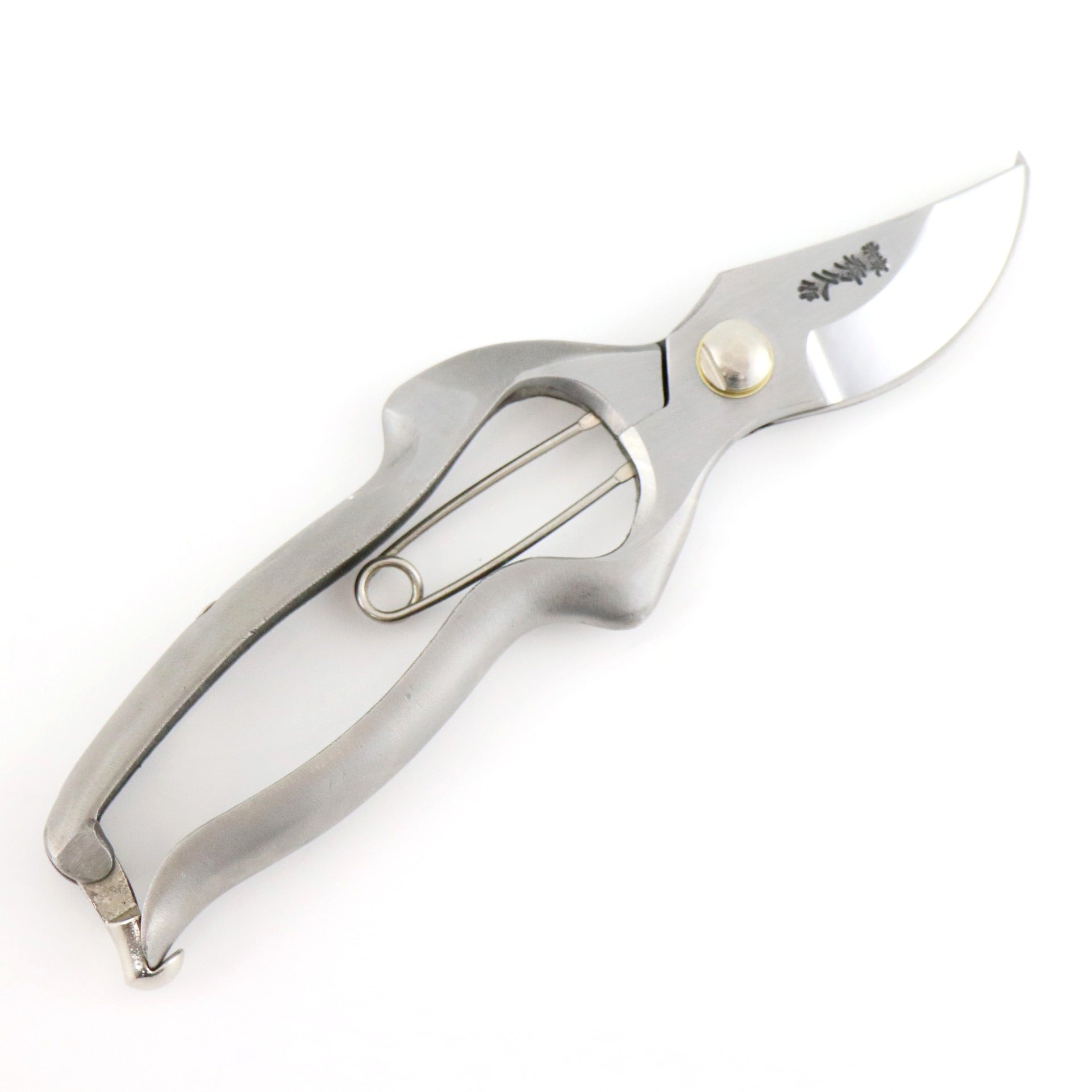
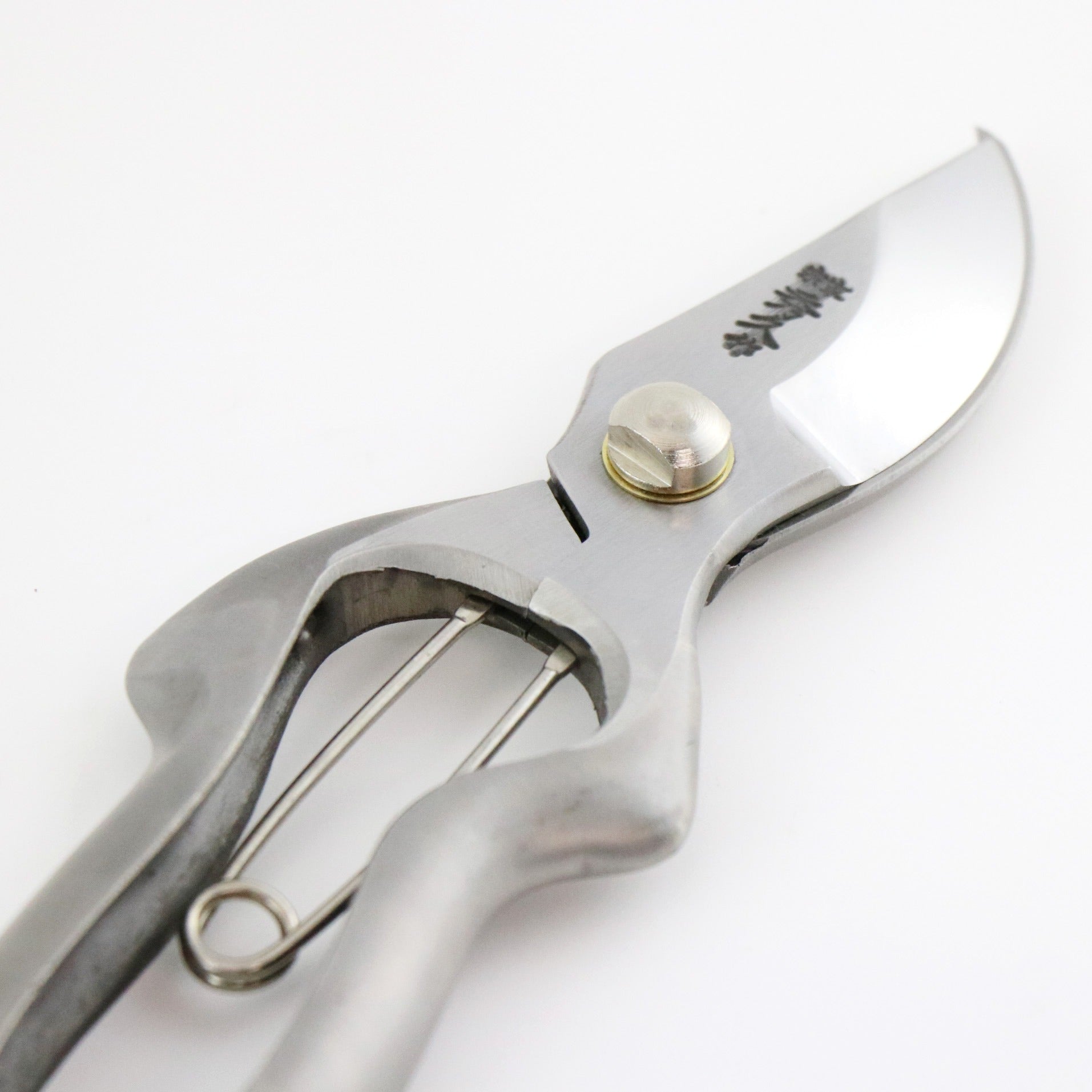
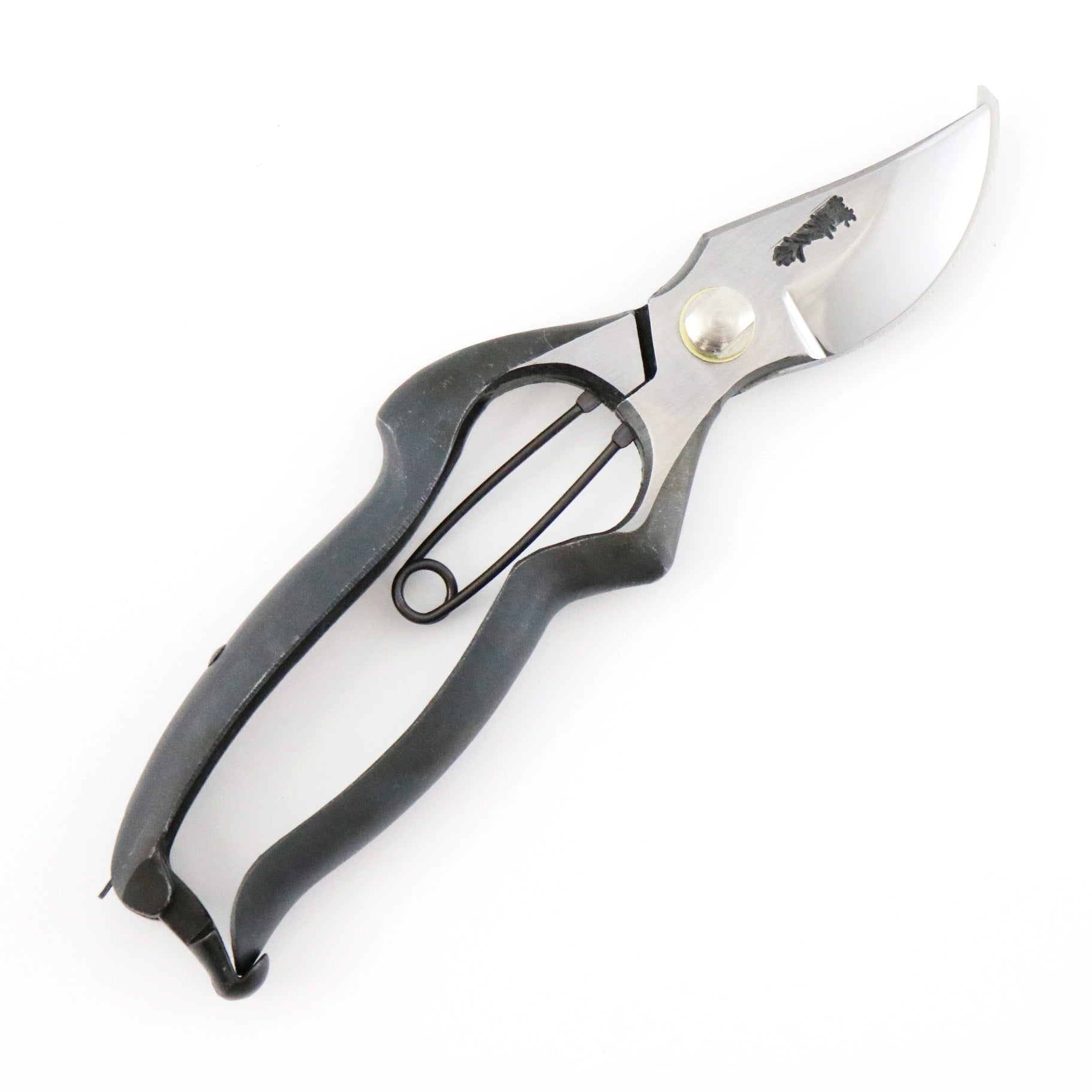
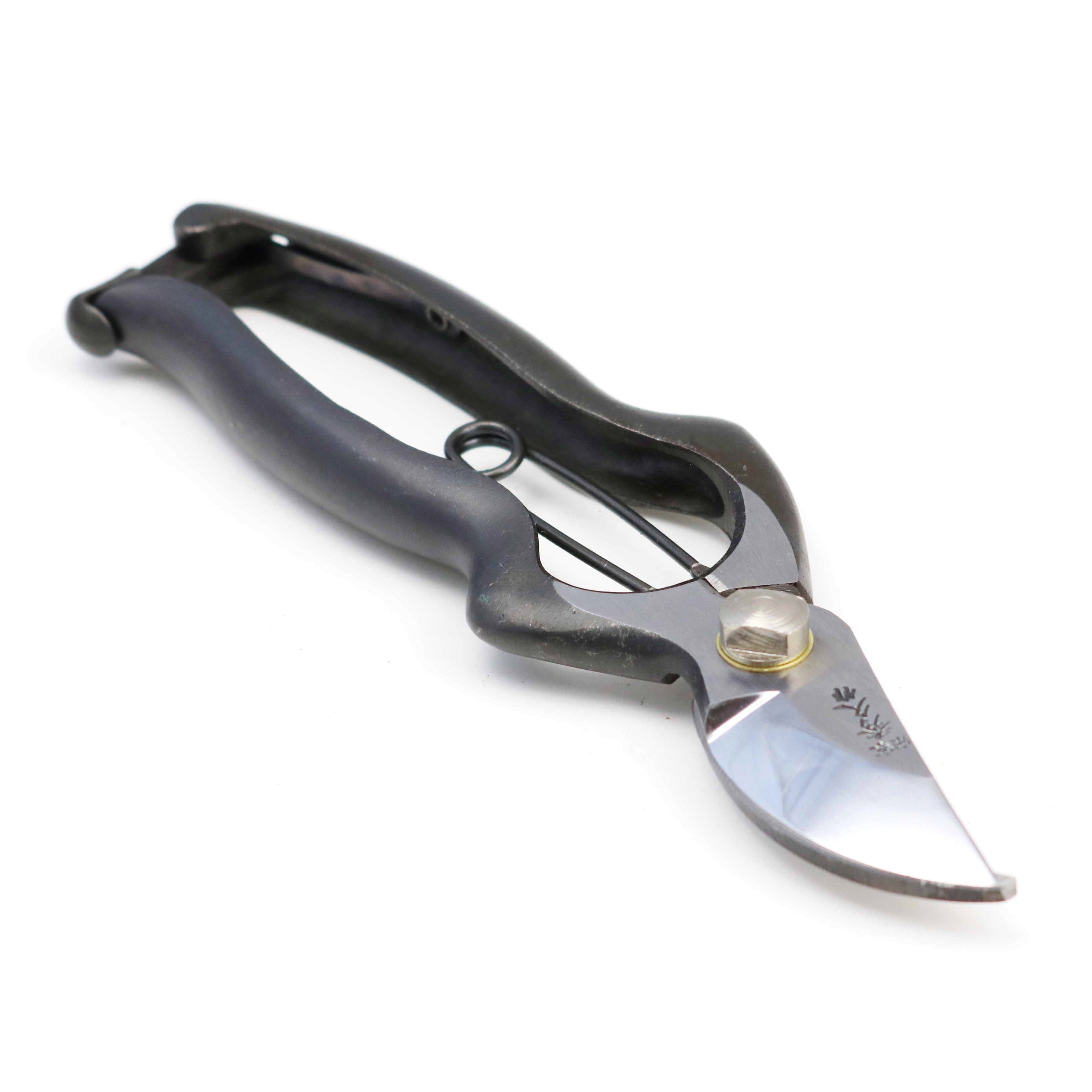
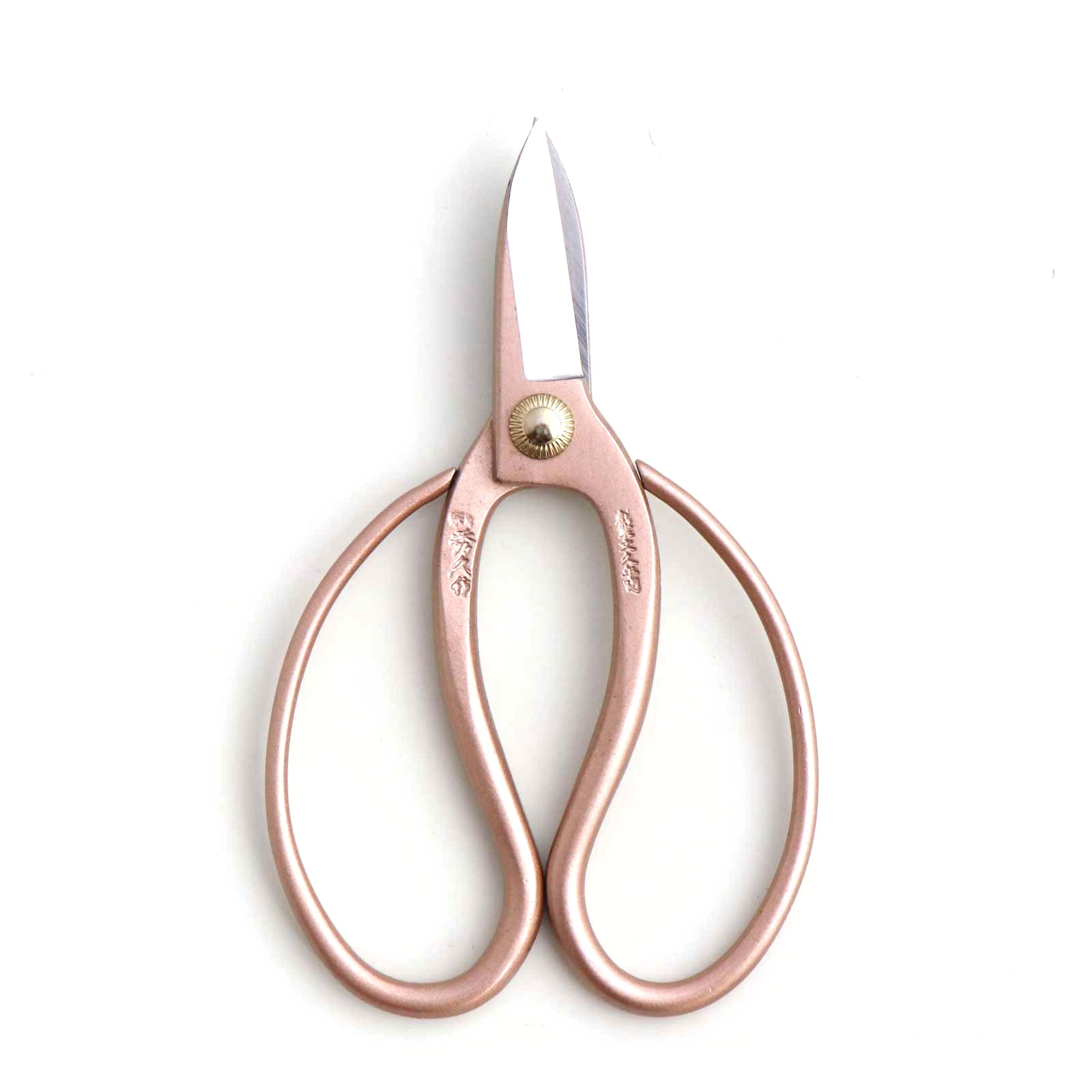
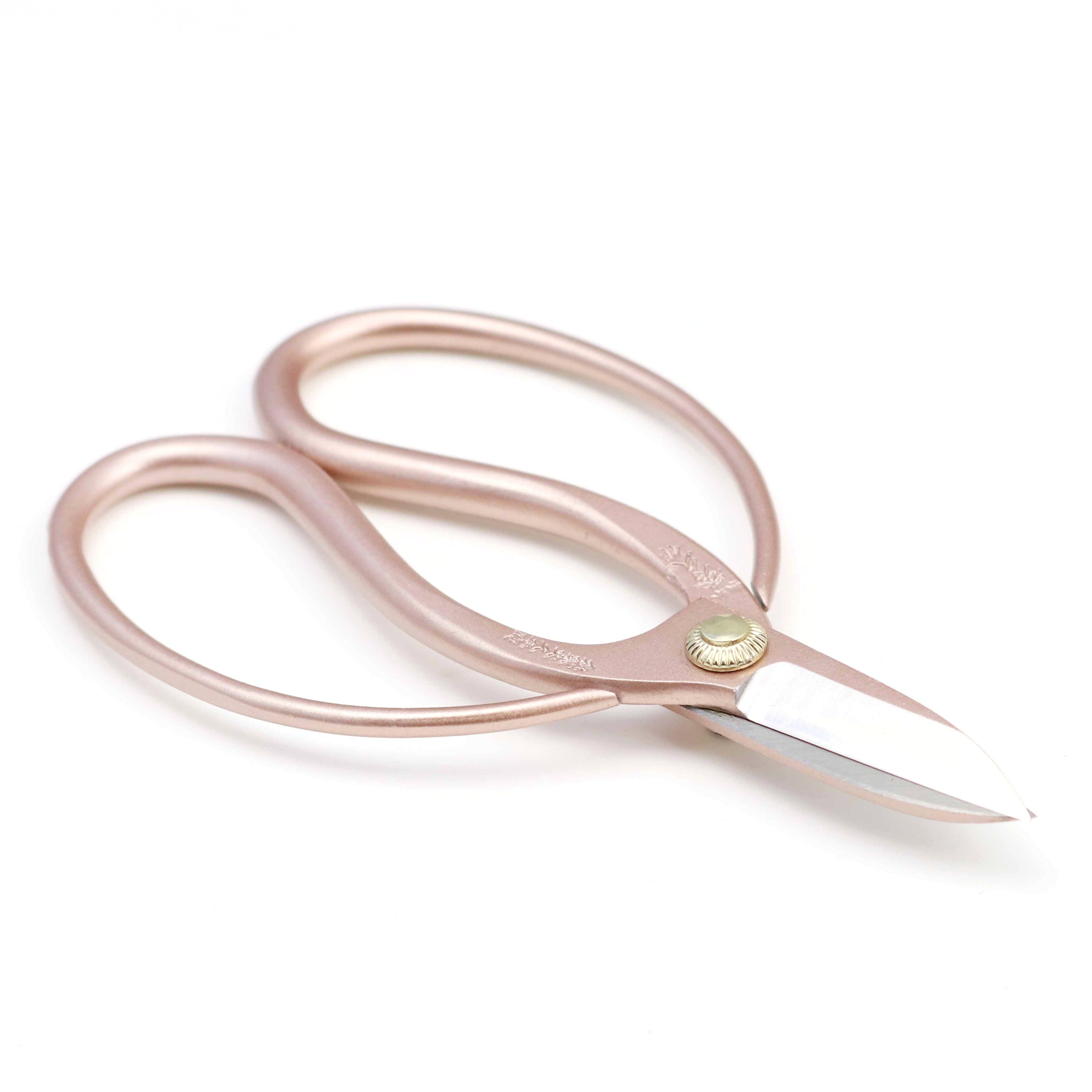
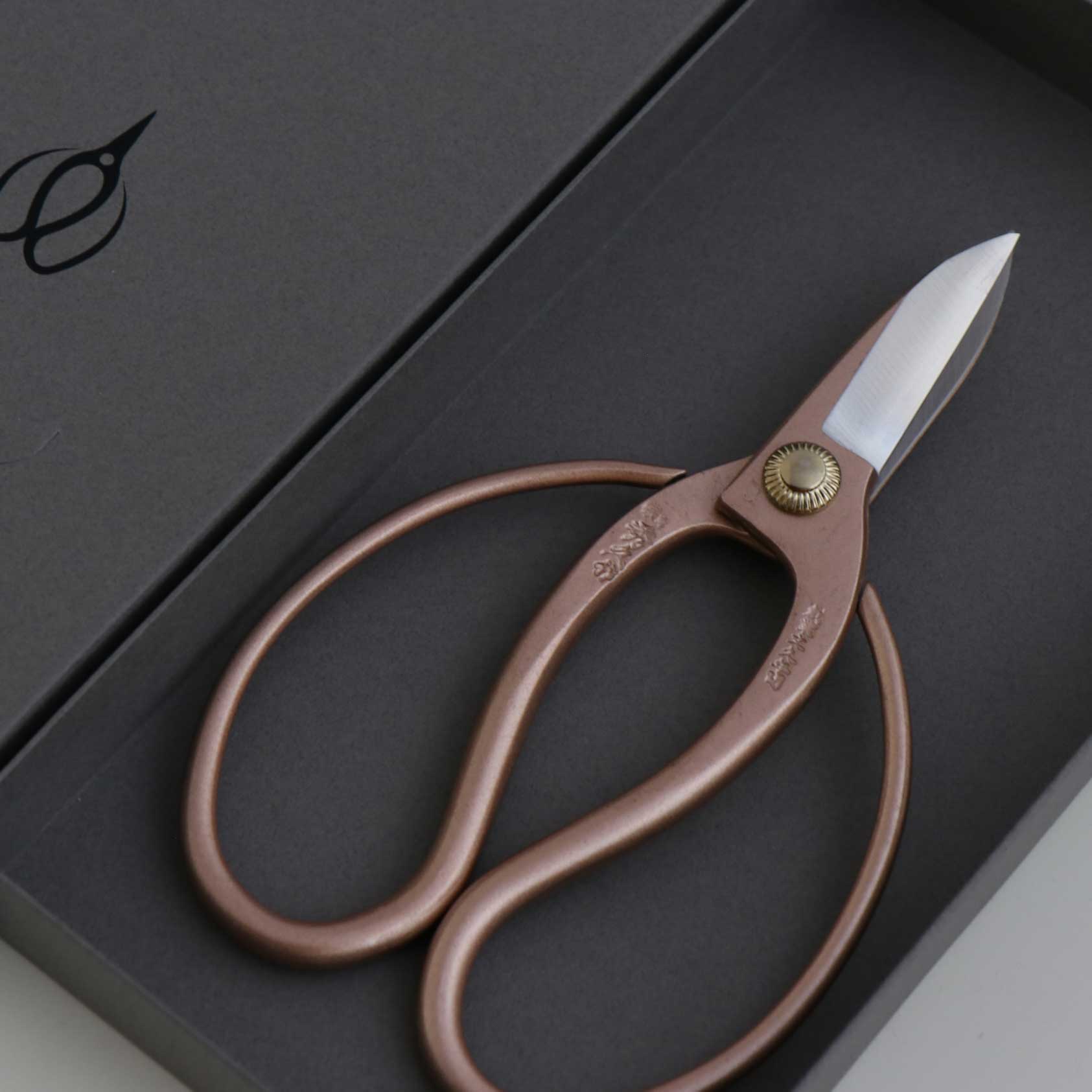
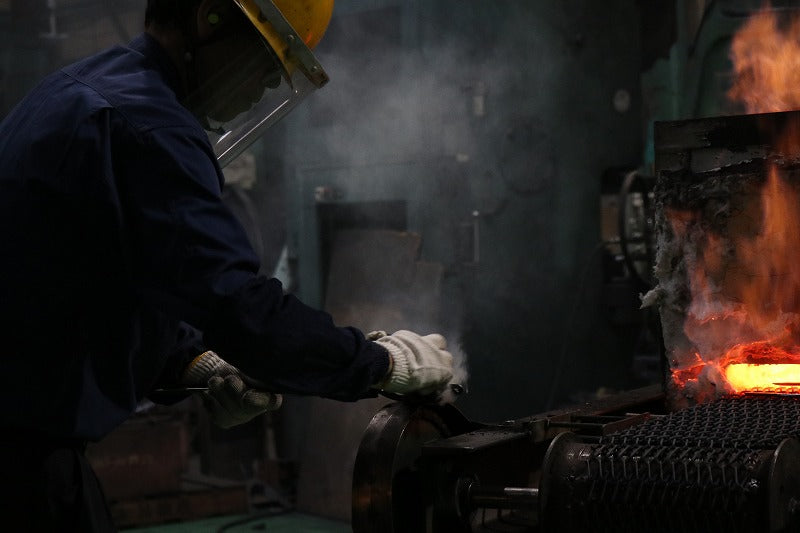
At Toyama Hamono, we have been forging shears by hand in Sanjo, a city in Niigata Prefecture, since 1861, a city famous for its metalworking heritage. Five generations of our family have stayed focused on one thing: forged shears built for the cleanest possible cut. We use tanzo (traditional forging) — the same fire-forging methods once used to make Katana — and a blade design that does not use a micro-bevel, to keep the entry as keen as possible.
In this article, we will explain — from a practical, on-the-job point of view — why the difference between forging and typical mass production (often based on stamping) can show up in sharpness, durability, and the stability of blade contact. We will also explain our "no micro-bevel" philosophy, since it is easy to misunderstand.
What Problems Show Up When Using Pruning Shears?
Crushed or Torn Cuts
Have you ever been pruning or arranging flowers and noticed that the cut end looks crushed — or that the last fibers do not sever cleanly and instead tear?
This can happen when the edge is not sharp enough, or when the blade contact (the fit between the two blades) is not tuned properly. A crushed cut is not just unsightly. It can harm the plant by leaving a ragged wound that heals slowly.
The Feel of the Entry: What Is "Bite" in Pruning Shears?
When you cut a branch, if the edge is not keen enough, it can feel like the tool will not go in — or that it takes extra force. That slows you down and takes away your control.
In some cases, proper blade sharpening can improve this. But depending on the steel, the heat treatment, and the blade-angle design, that keen feel may not last. To keep sharpness over time, you need the right balance of hardness and toughness for the job.
Stable Opening and Closing
A good pair of pruning shears is not judged by the tip alone. You can feel quality in the way the blades meet — and in the care taken to tune that contact.
Some mass-produced, stamped shears are built from thinner stock. Depending on how they are used and how much load they take, the blade contact can shift over time. If someone tries to force-cut a thick branch, the blades may flex slightly, which changes how they meet and affects the cut.
How Are Forged and Stamped Pruning Shears Made Differently?
Here is a simple overview of how the two methods compare:
Stamped (press-cut): Sheet metal is cut with a die, then bent, punched, heat-treated, and sharpened. This method is good for mass production. Shapes are consistent and cost is lower.
Forged: The material is heated in a fire, shaped by hammering or pressing, rough-finished, heat-treated, and sharpened. This method takes more work, but it gives the maker more room to build toward a specific shape, balance, and feel.
The key point is this: it is not that forged is always better and stamped is always worse. Stamped shears have real strengths — price, scalability, lightness, and easy entry for beginners. Forging, on the other hand, can offer more room to build a tool around long-term durability and stable blade contact. The difference often shows up in where the maker can "tune" the tool.
What Does Forging Do to Steel?
The main driver of hardness is usually heat treatment (quenching and tempering). Stamped shears also go through heat treatment. Forging alone does not determine performance. The final result depends on heat treatment, polishing, blade sharpening, and the tuning of blade contact — what we call blade matching (adjusting both blades by hand so they meet at the optimal balance).
That said, forging involves heat and physical deformation, which can help the maker control the material and build toward a targeted shape and balance.
Under a microscope, metal is made of many tiny grains. With the right conditions, forging can help refine that grain structure. Finer grains are often linked to higher strength and more stable behavior, and they can support toughness as well.
Forging can also create a directional flow in the structure along the path of deformation — often called metal flow. When the process is designed well and the flow forms as intended, it can help the material resist force in the directions it is expected to face.
When that foundation is in place and the finishing is done well, it can contribute to:
An edge that is less likely to chip and holds its sharpness longer
Better resistance to twisting and impact
A tool that keeps its backbone over years of use — a true lifelong companion
Why Does the Back Side of the Blade Matter for Sharpness?
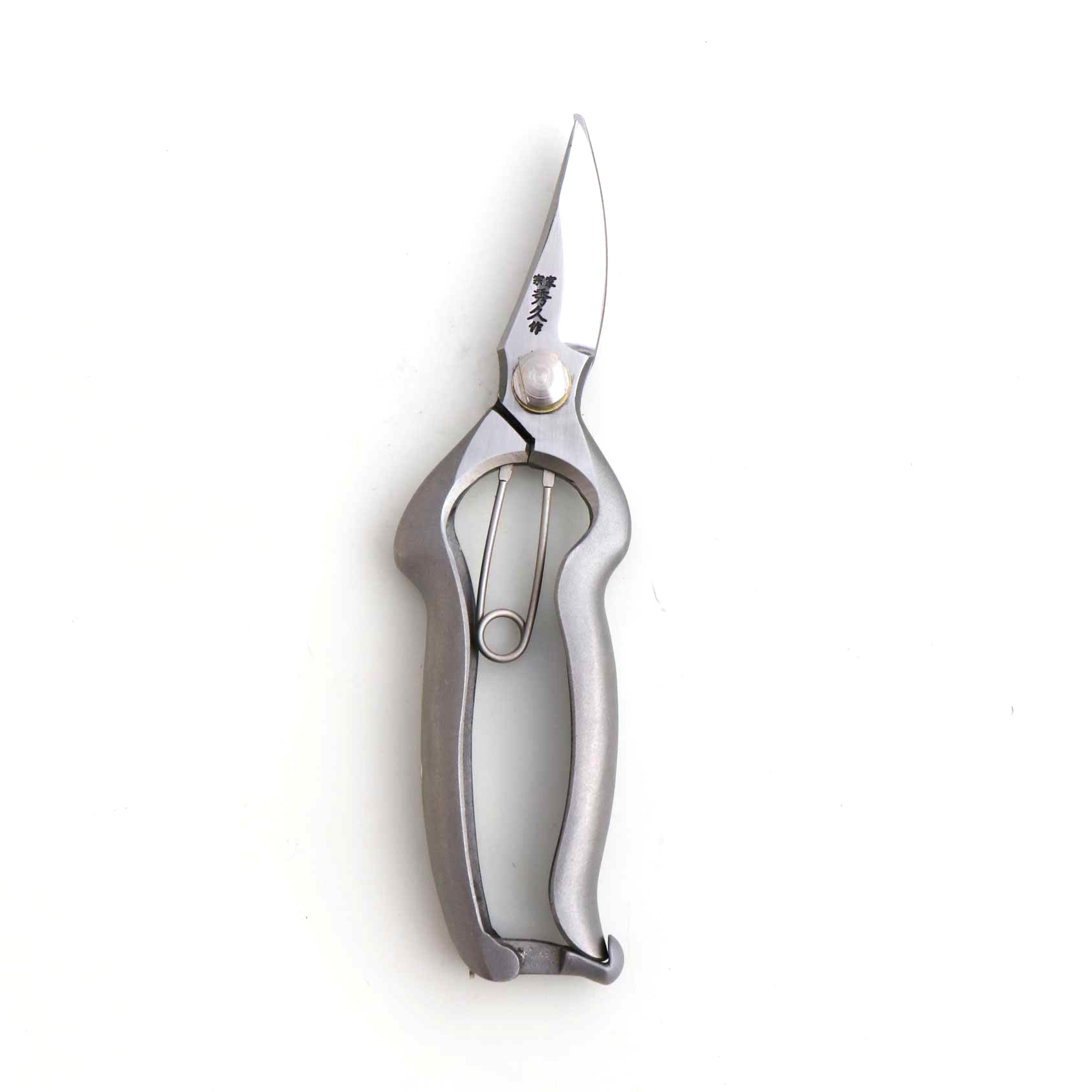
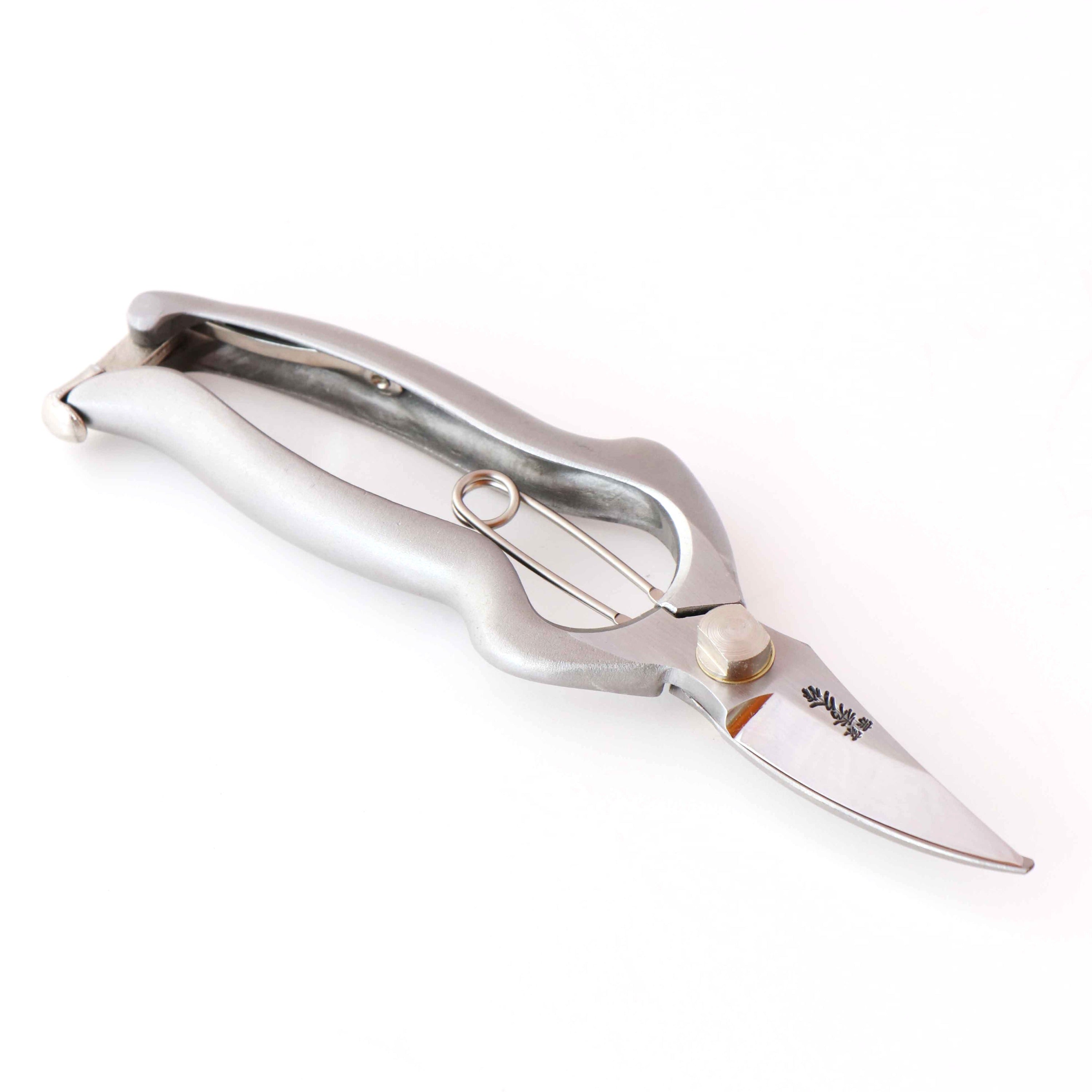
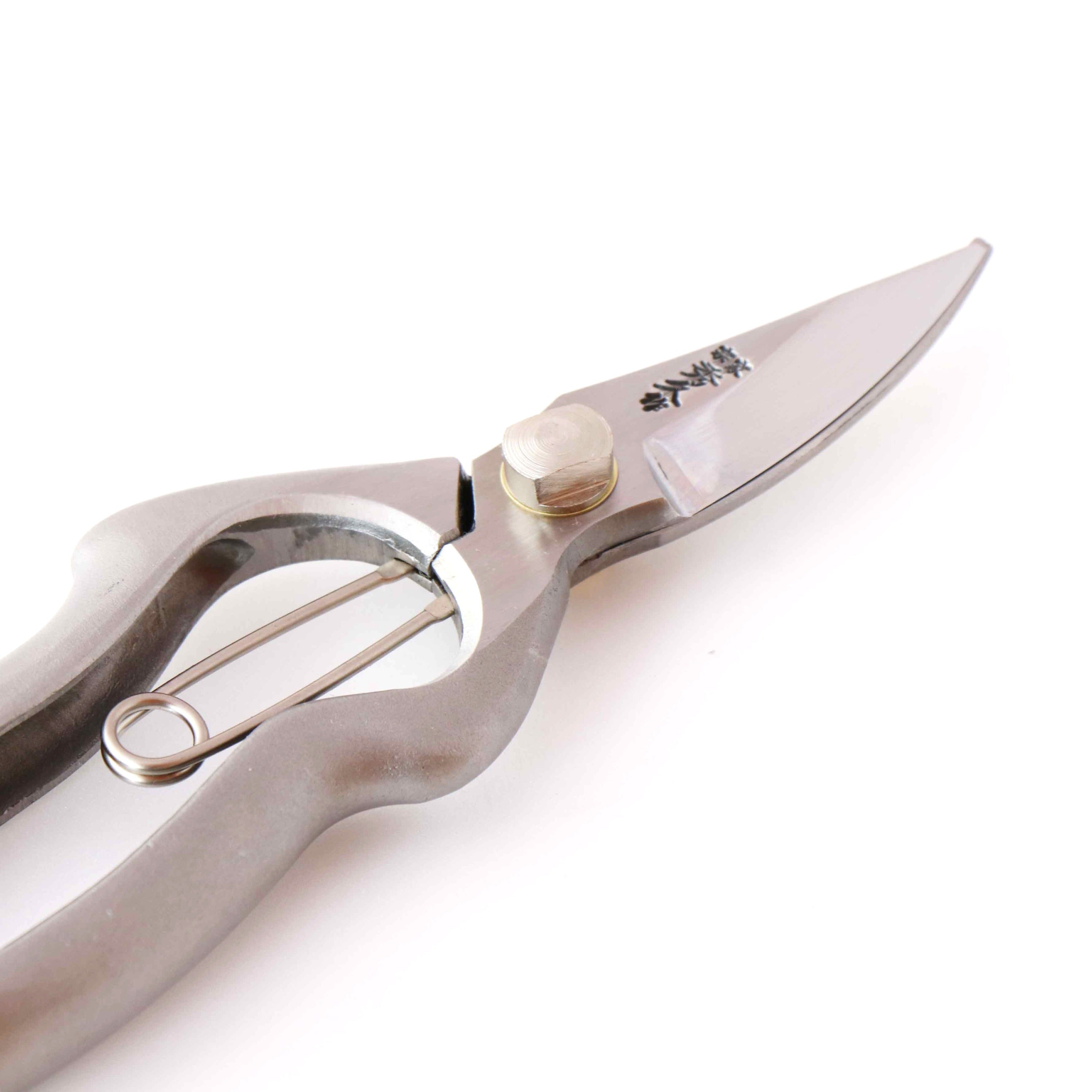
Back-side finishing (the inside face of the blade) is one of the most important steps behind shear sharpness. Gardeners often focus on the outside edge, but if the inside contact is not right, you will not get that smooth, confident cutting feel — no matter how sharp the edge looks.
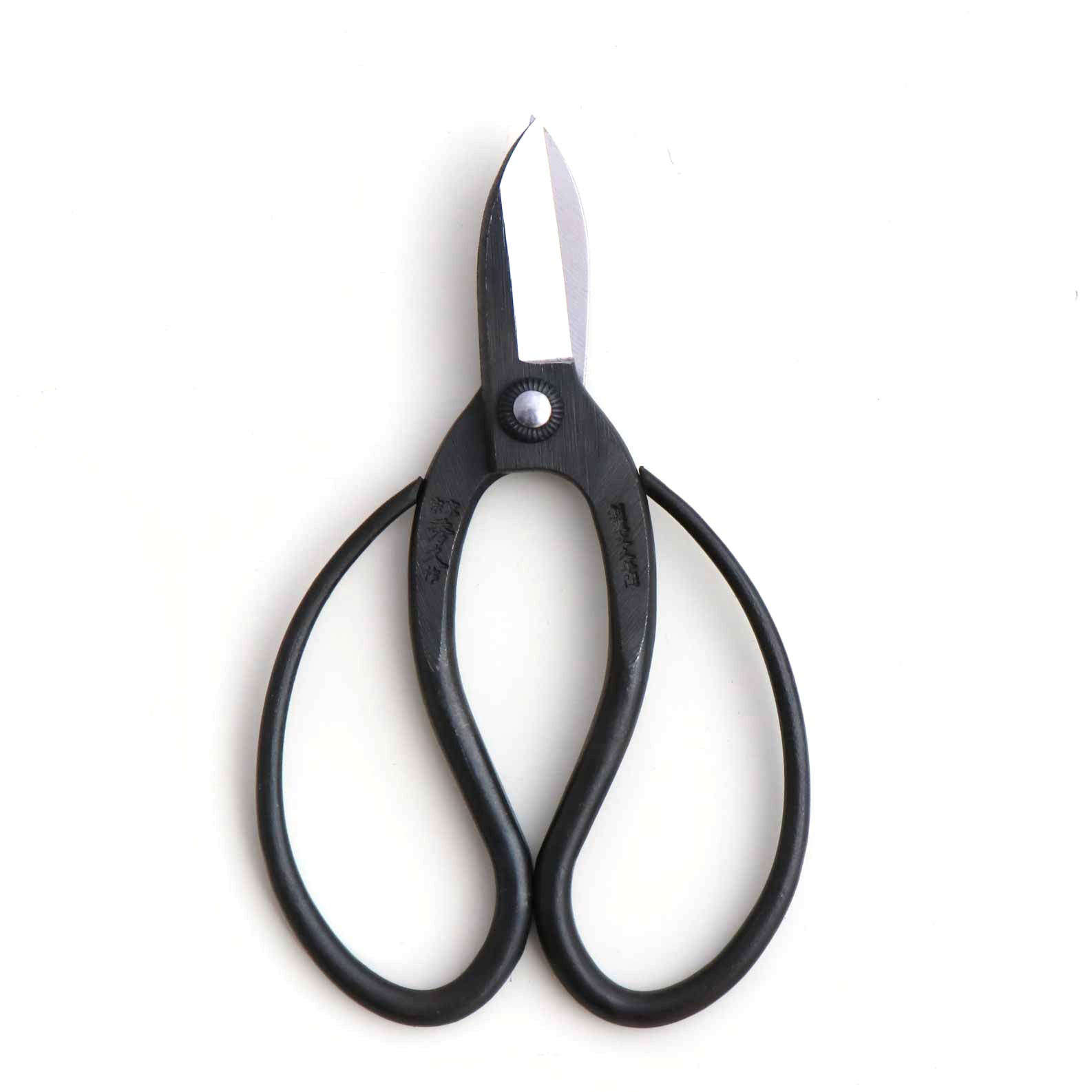
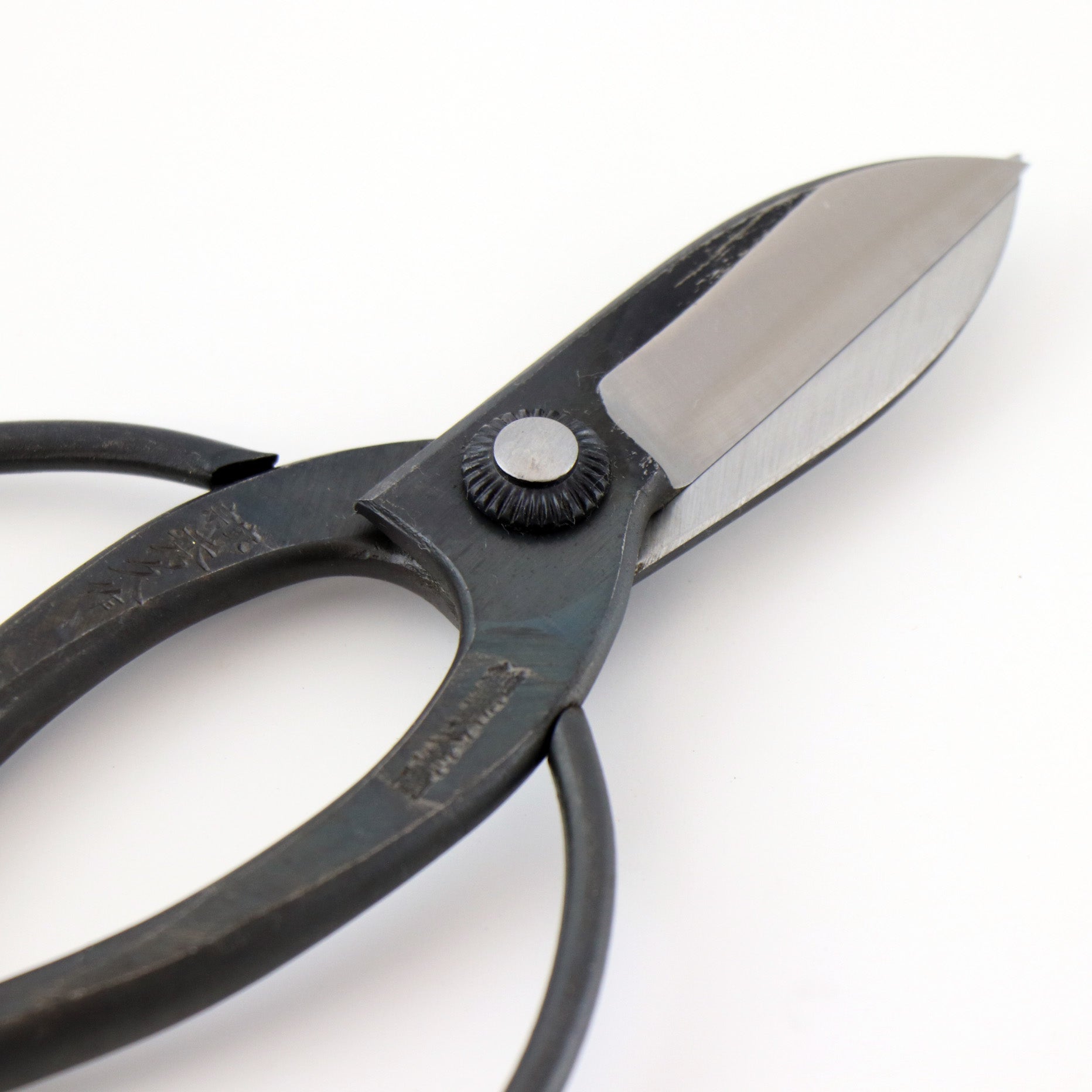
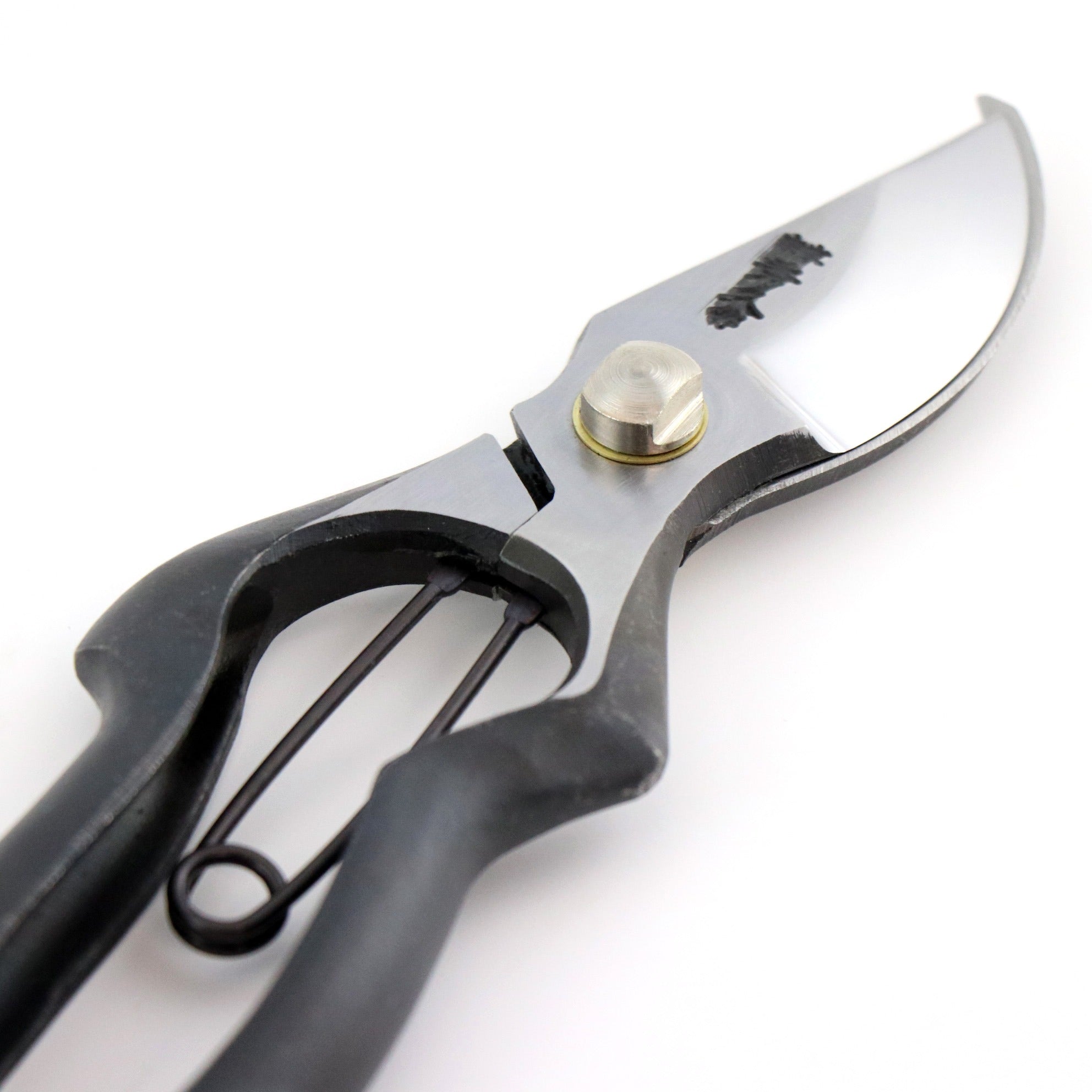
At a glance, the inside face can look perfectly flat. In reality, it has a very shallow hollow toward the center. This is called ura-suki (back hollow grinding) — a traditional Japanese technique where the inner face of the blade is ground into a shallow concave shape. It reduces friction by keeping the blades from rubbing across a wide surface, so only the necessary areas touch.
What matters most is the tiny contact area left around that hollow — the part that actually meets the other blade. Shears are not meant to press flat-on-flat across the entire surface. Instead, the contact is tuned so the cutting line and contact points form correctly. This invisible level of tuning has a huge impact on how stable the bite feels and how clean the cut is.
Why Does Toyama Hamono Use a No-Micro-Bevel Edge?
A micro-bevel is a small second-angle ground at the very tip of the edge. It is often used to protect the edge, reduce chipping, and make quick touch-ups easier. In jobs where tools are likely to hit hard material — or where thick branches are common — a micro-bevel can feel like added insurance.
At Toyama Hamono, however, we generally do not add a micro-bevel. We keep the edge as a single angle. The goal is simple: prioritize a sharp, clean entry, supported by precise blade contact built through back hollow grinding and careful tuning of the mating surfaces.
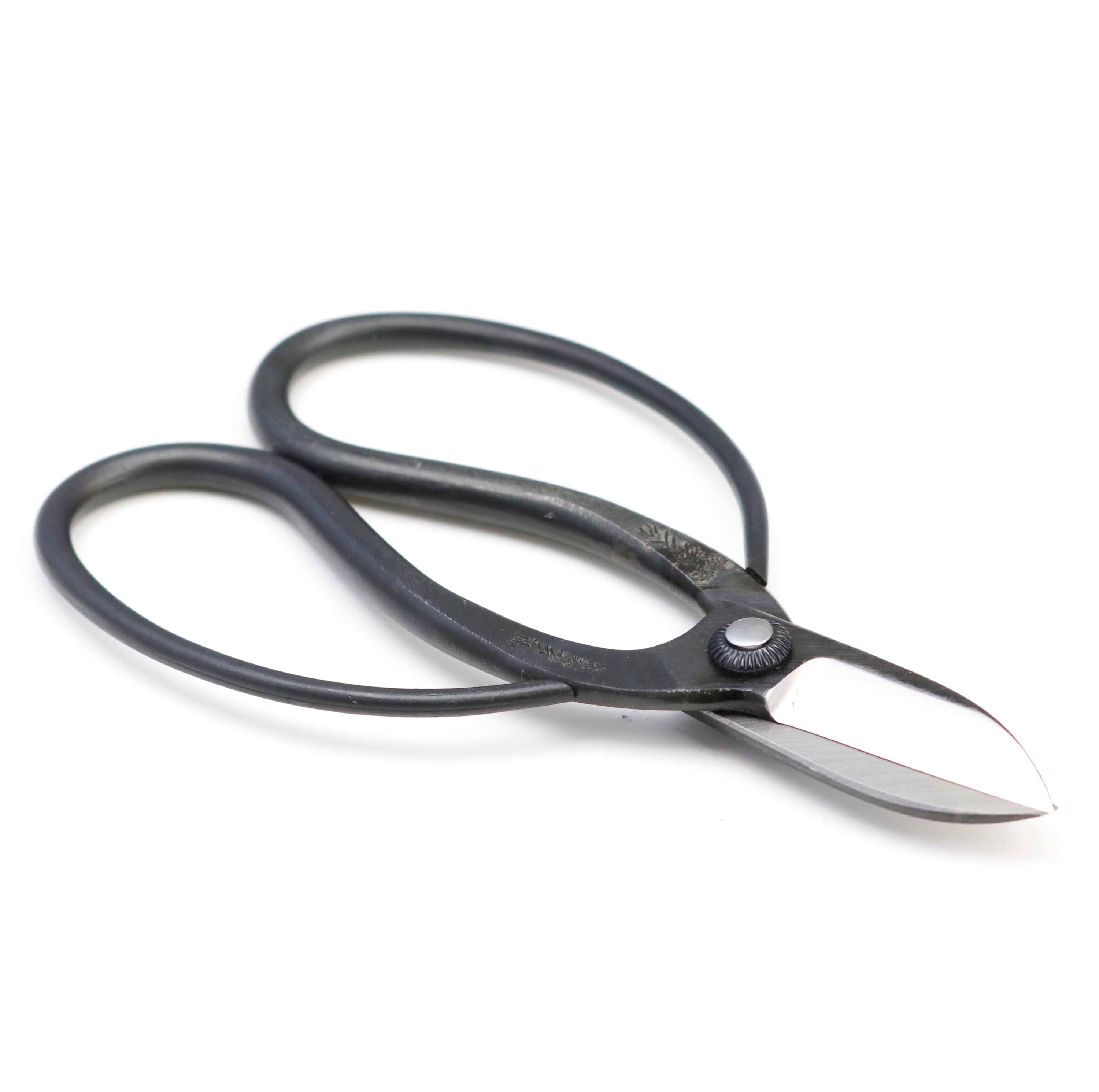
Along the same line, we use all-steel construction rather than forge-welding a separate cutting layer onto the blade. This is not about claiming one material build is always better. It is our way of keeping the edge geometry, the finishing, and the blade-contact tuning consistent with the performance we aim for.
A no-micro-bevel edge can slide into a stem beautifully when everything is right — but it demands more from the finishing and the blade fit. That is exactly where we put our effort.
A no-micro-bevel edge can “slide in” beautifully when everything is right—but it demands more from the finishing and the blade fit. That’s exactly where we put our effort.
What Kind of Steel Does Toyama Hamono Use?
Japanese JIS steels are widely known for their quality. In the knife world, steels like Blue Paper No. 1, No. 2, and Blue Super are often valued because they can be hardened to hold a keen edge for a long time.
But pruning shears do not only cut soft stems. They often face hard branches and knots. If you chase hardness too far, the edge may chip more easily depending on the job. That is why shears often require a different answer than knives.
Rather than focusing solely on hardness, steel selection for pruning shears should balance resistance to chipping (toughness), a strong, confident cutting feel, and durability in real use. We use high-carbon steel (YCS3) and stainless steel (SUS440C) across our lineup — each chosen for the specific demands of the tool.
We have been refining those choices through five generations of forging experience, dating back to 1861. And even then, steel names alone do not decide the outcome. Heat treatment, blade sharpening, and tuning blade contact can dramatically change final performance.
Trusted by Professionals Overseas
Paulina Nieliwocki — founder of the New Jersey-based floral studio Blue Jasmine Floral, and also a designer and teacher — has featured our shears on her Instagram. Her work reflects the kind of precise, creative cutting that our tools are built for.
Forged or Stamped: Which Pruning Shears Are Right for You?
Stamped pruning shears offer real benefits: a friendlier price, easy availability, and consistent performance at scale. They are a fine starting point for anyone just getting into gardening.
But when you care about lasting sharpness, stable blade contact, and long-term reliability — when you want a tool that will be your companion season after season — forged shears can be the better fit.
At Toyama Hamono, we do not focus on sharpness at the tip alone. We focus on the blade fit that keeps two blades working together, built from the inside finishing outward — so the cut surface and the feel in your hand stay stable over years of use. Every purchase includes a free blade-sharpening coupon, and we ship every order free of charge.
We have been forging shears this way since 1861. That commitment is at the core of what we do.
If you would like help choosing the right pair for your work, tell us what you cut most often, how long your typical sessions are, and whether you work barehanded or with gloves. We will point you to the best match in our lineup.







Share:
How to Care for Your Japanese Pruning Shears and Scissors
How to Choose Traditional Japanese Garden Shears