
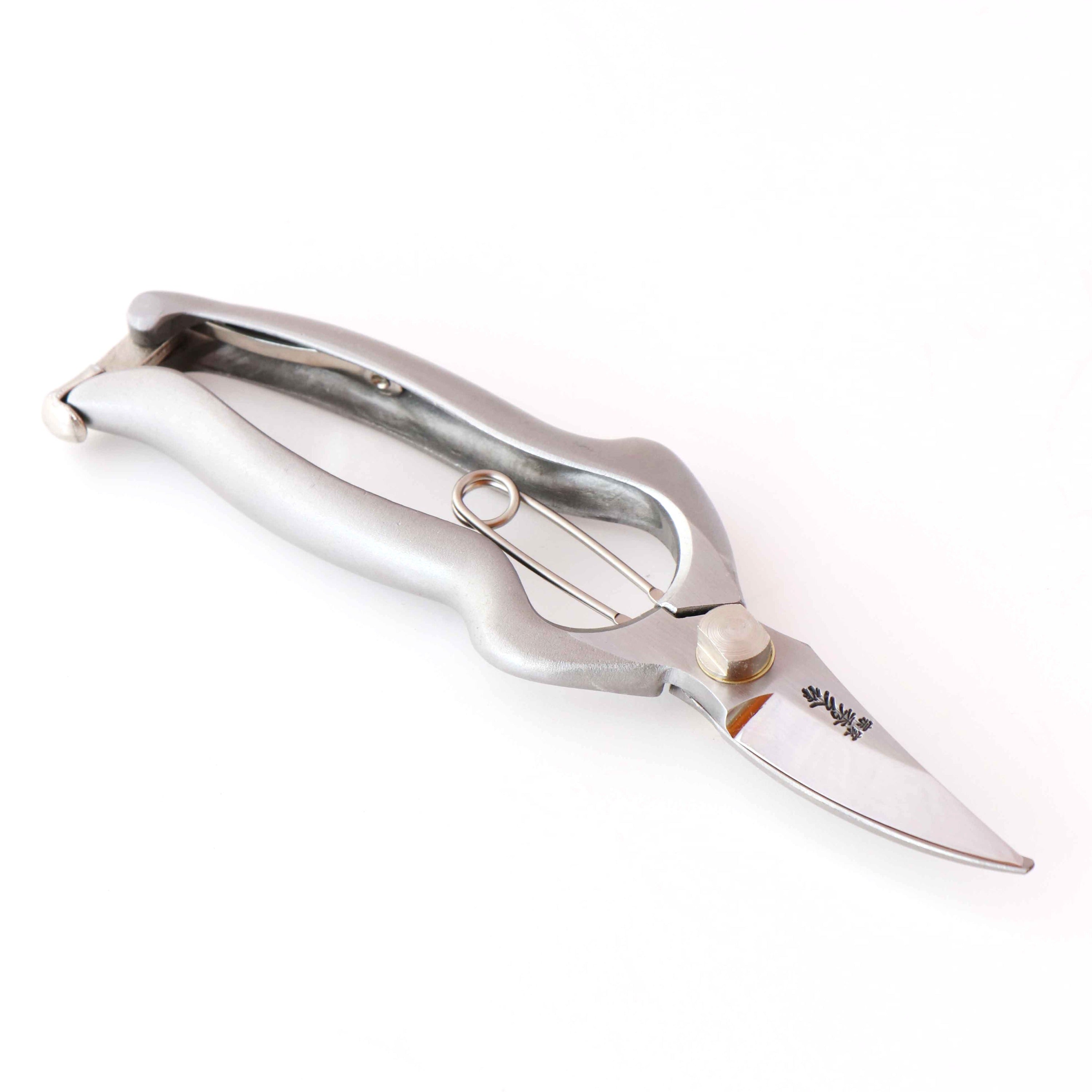
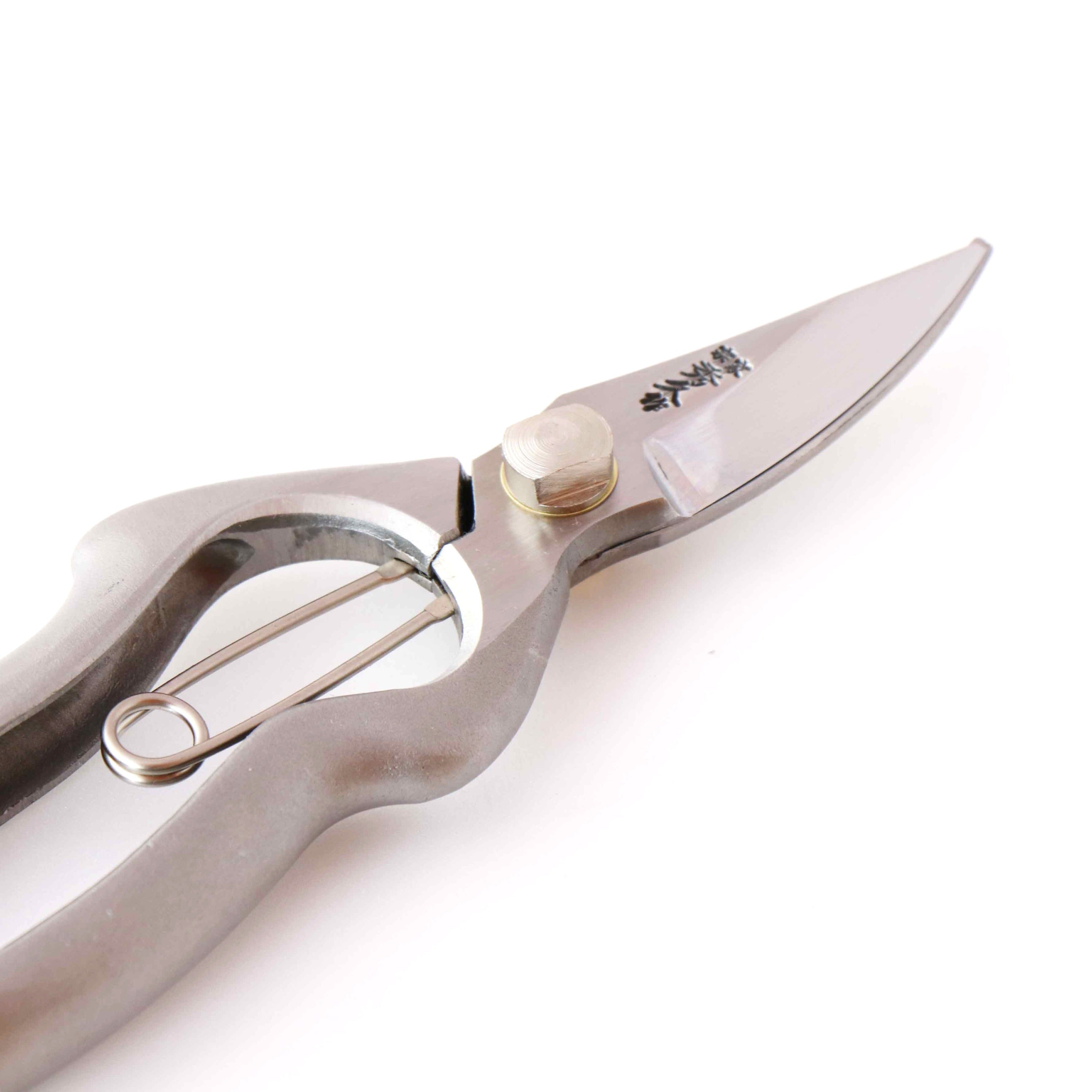
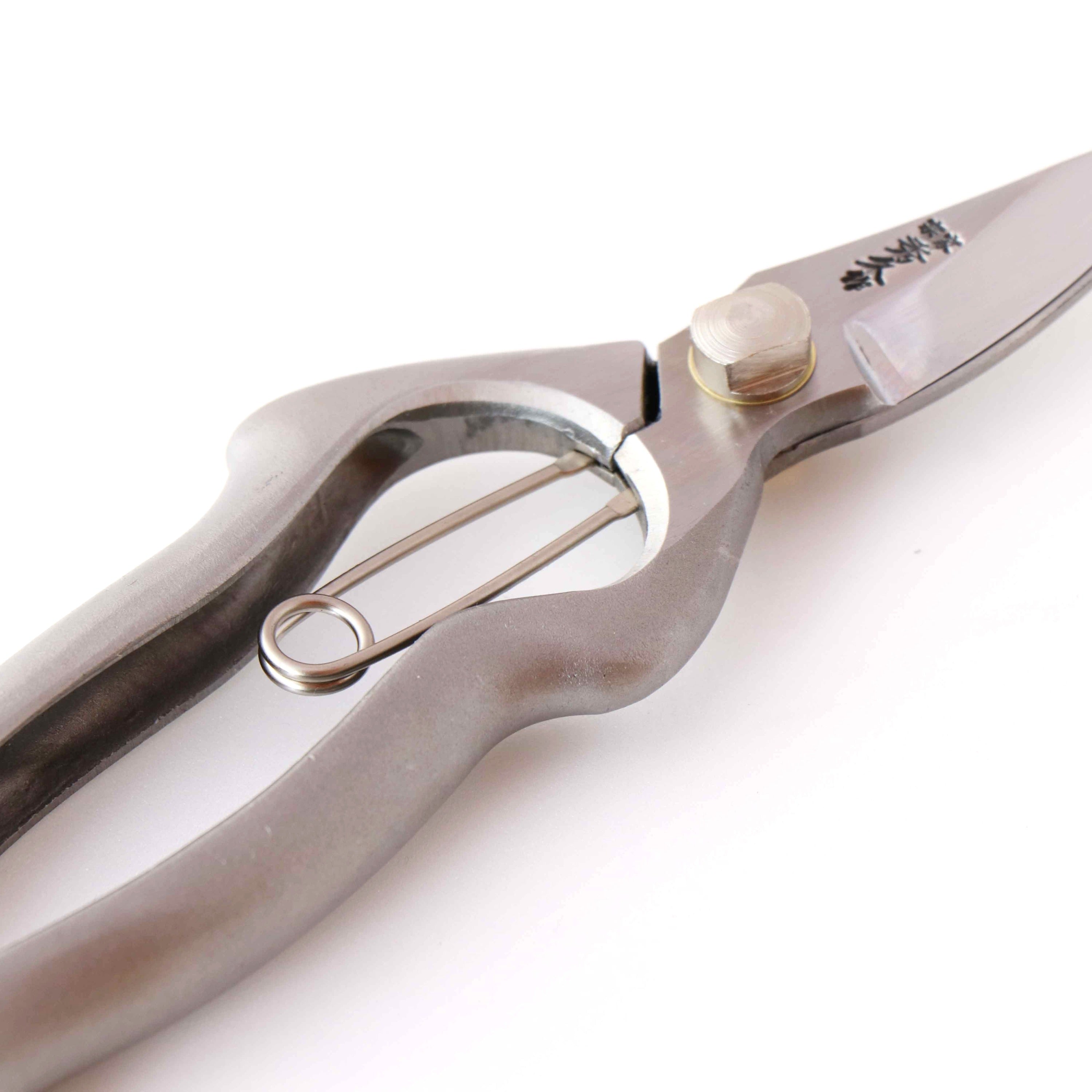
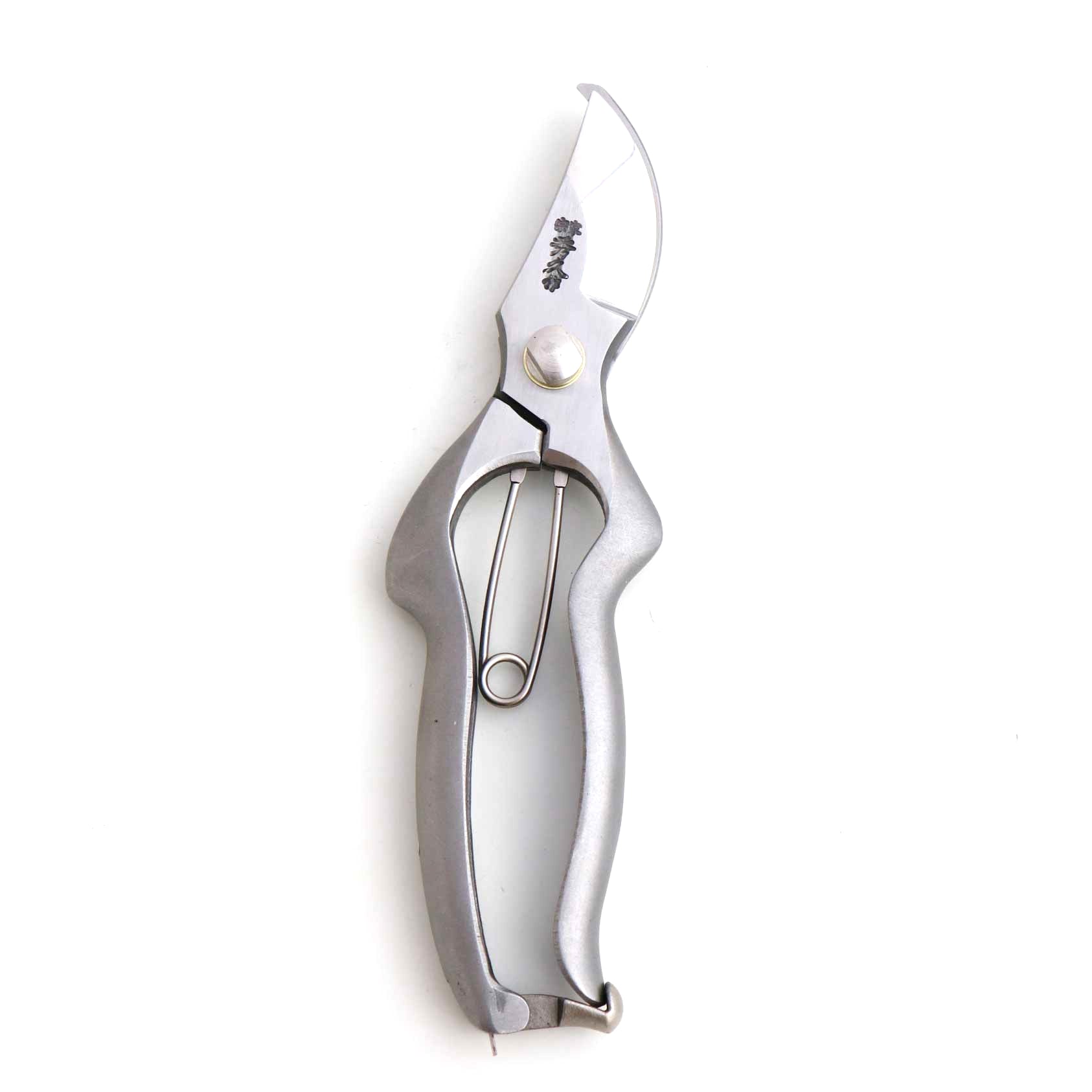
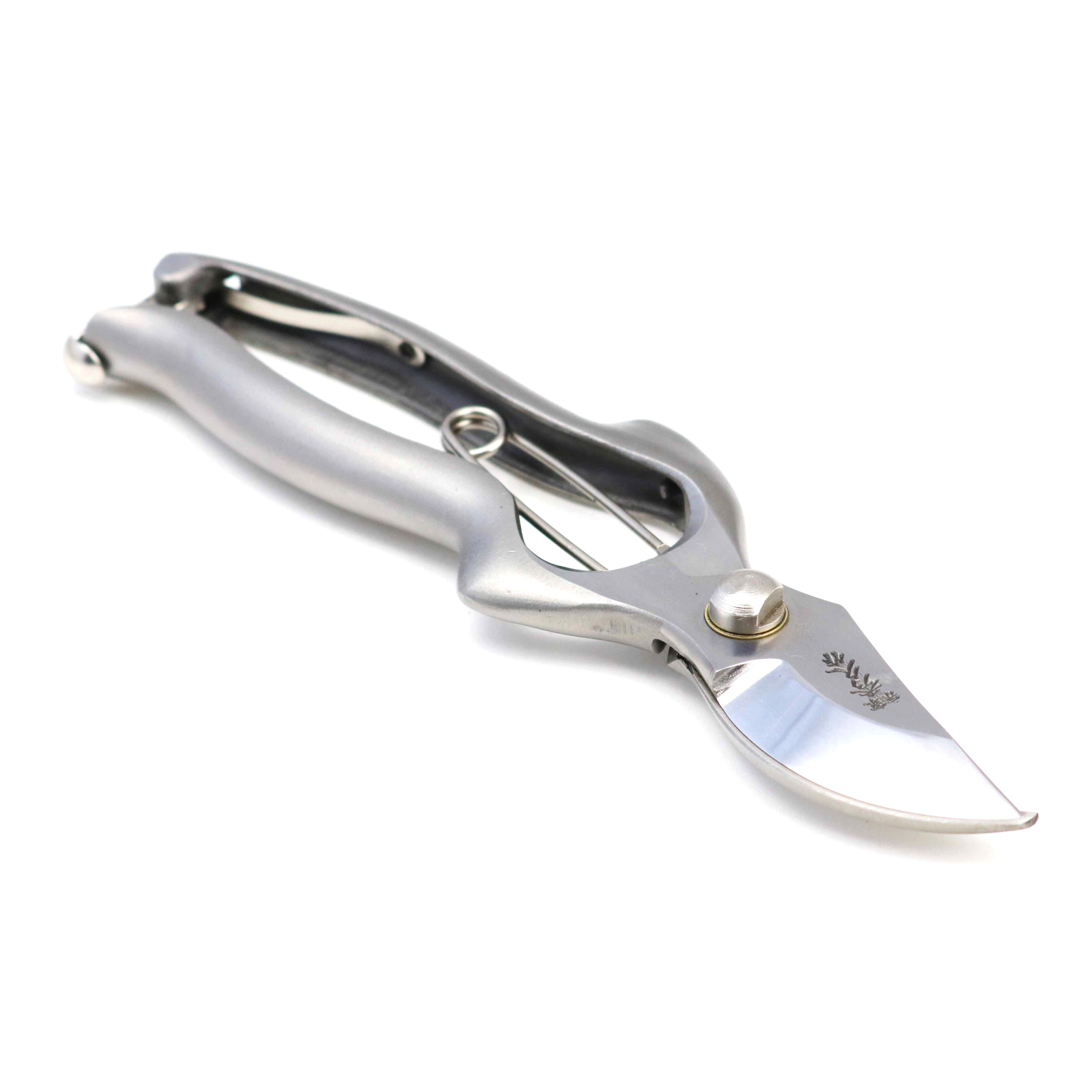
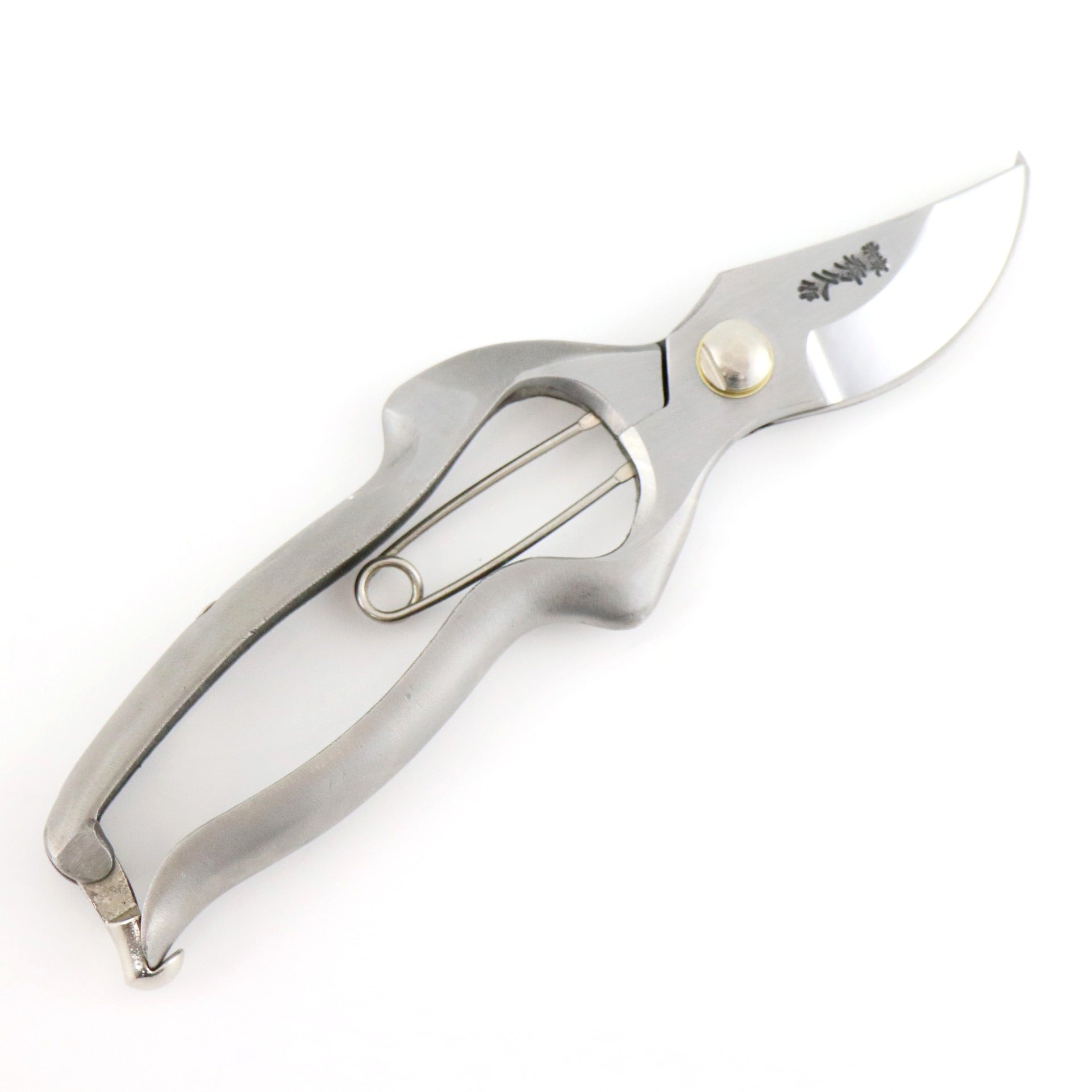
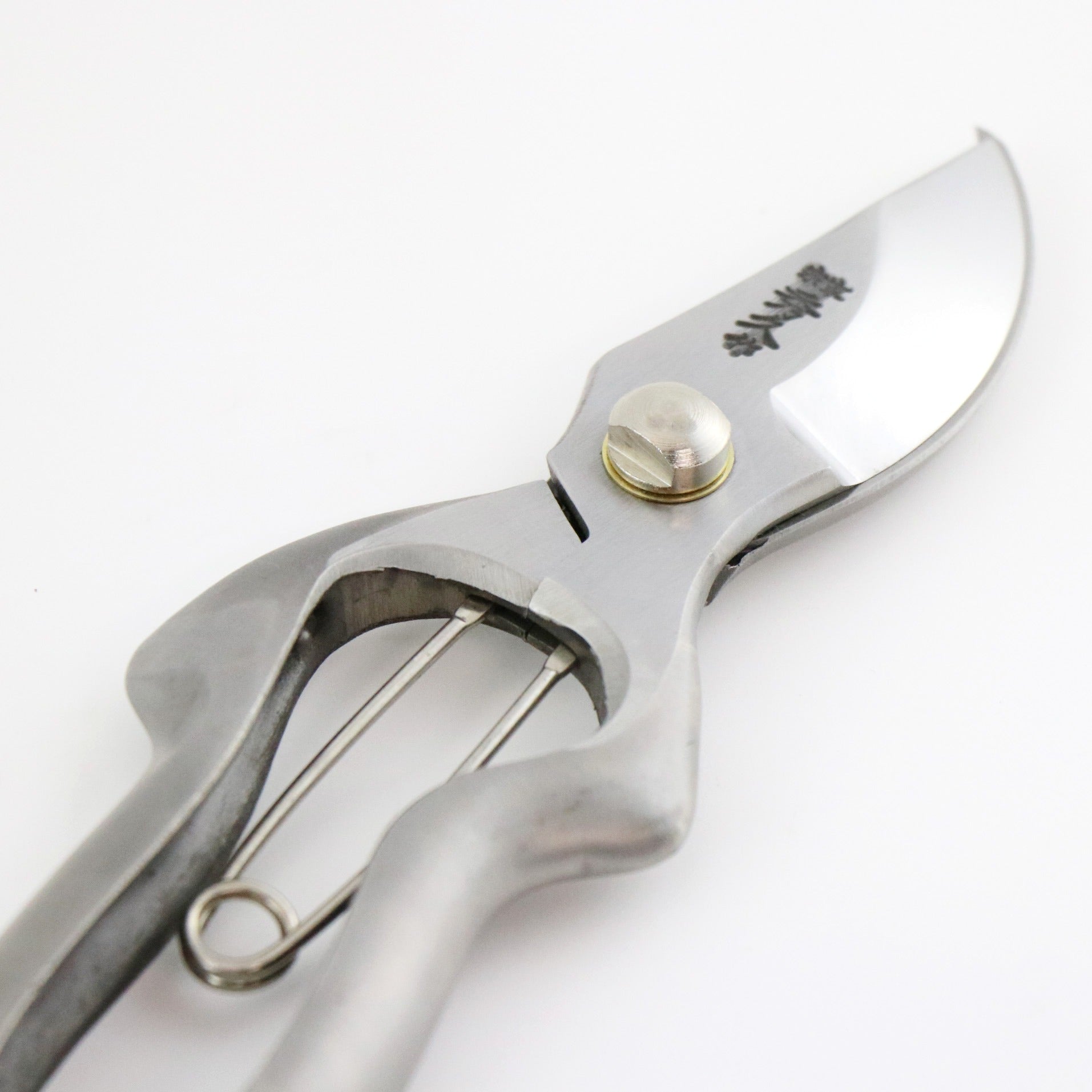
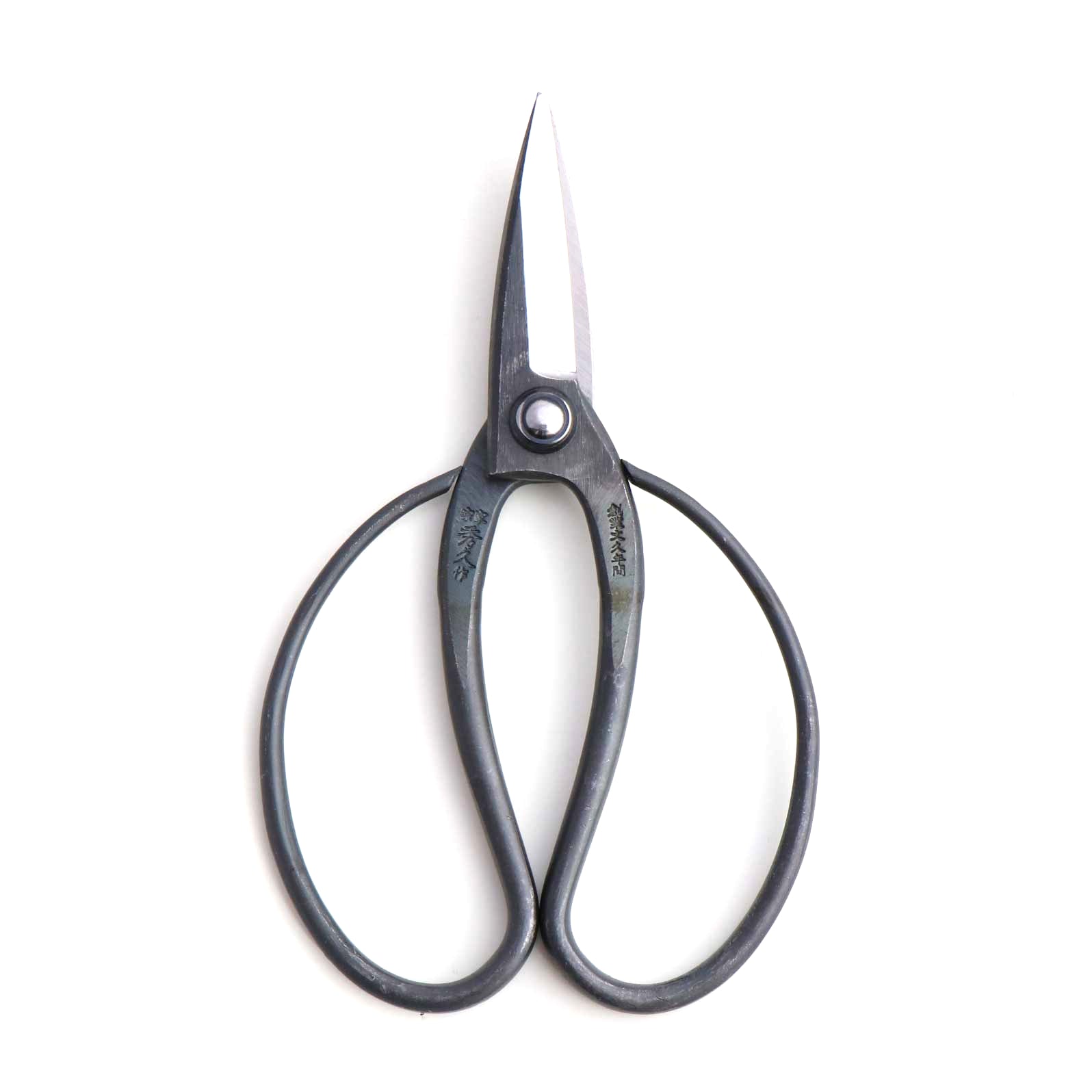
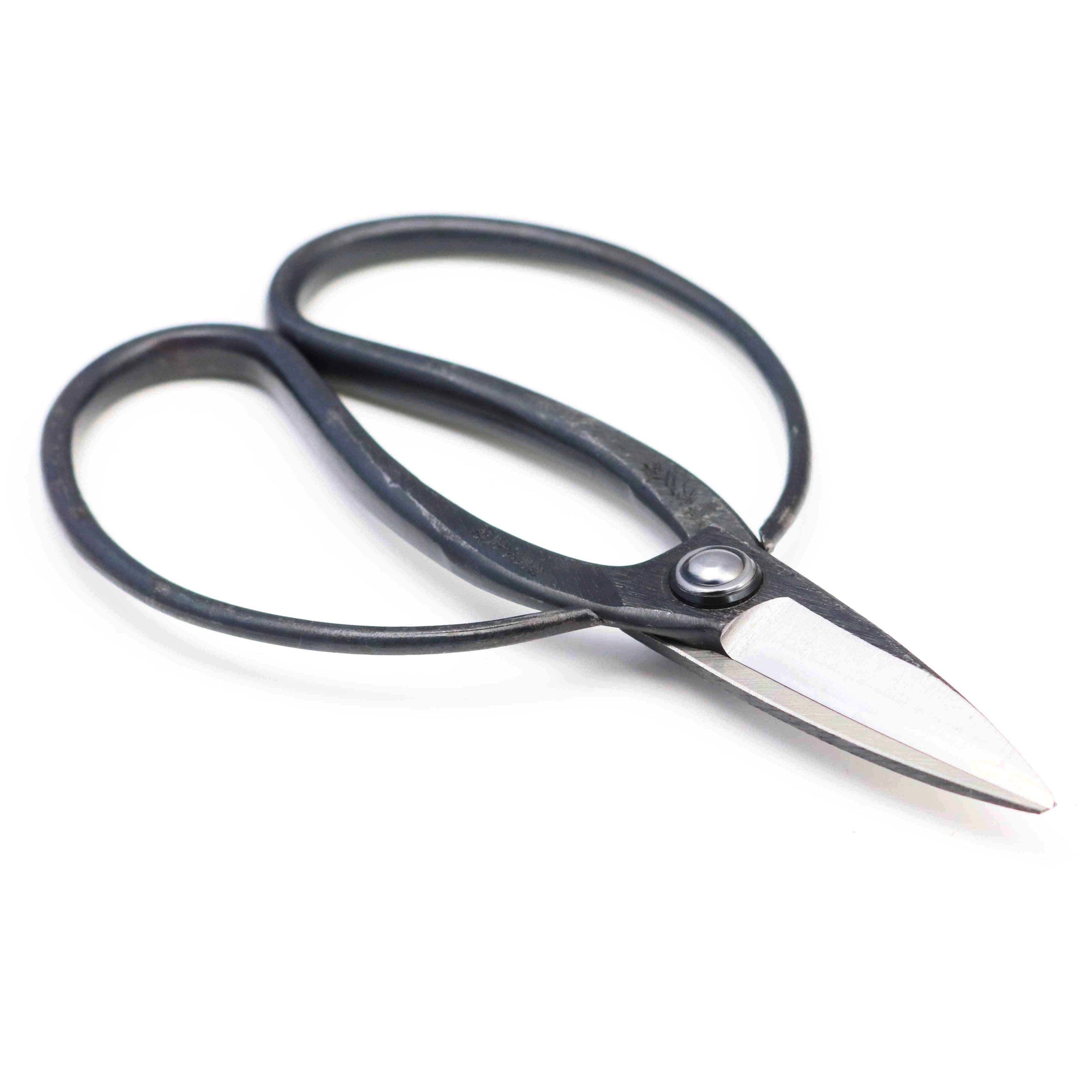
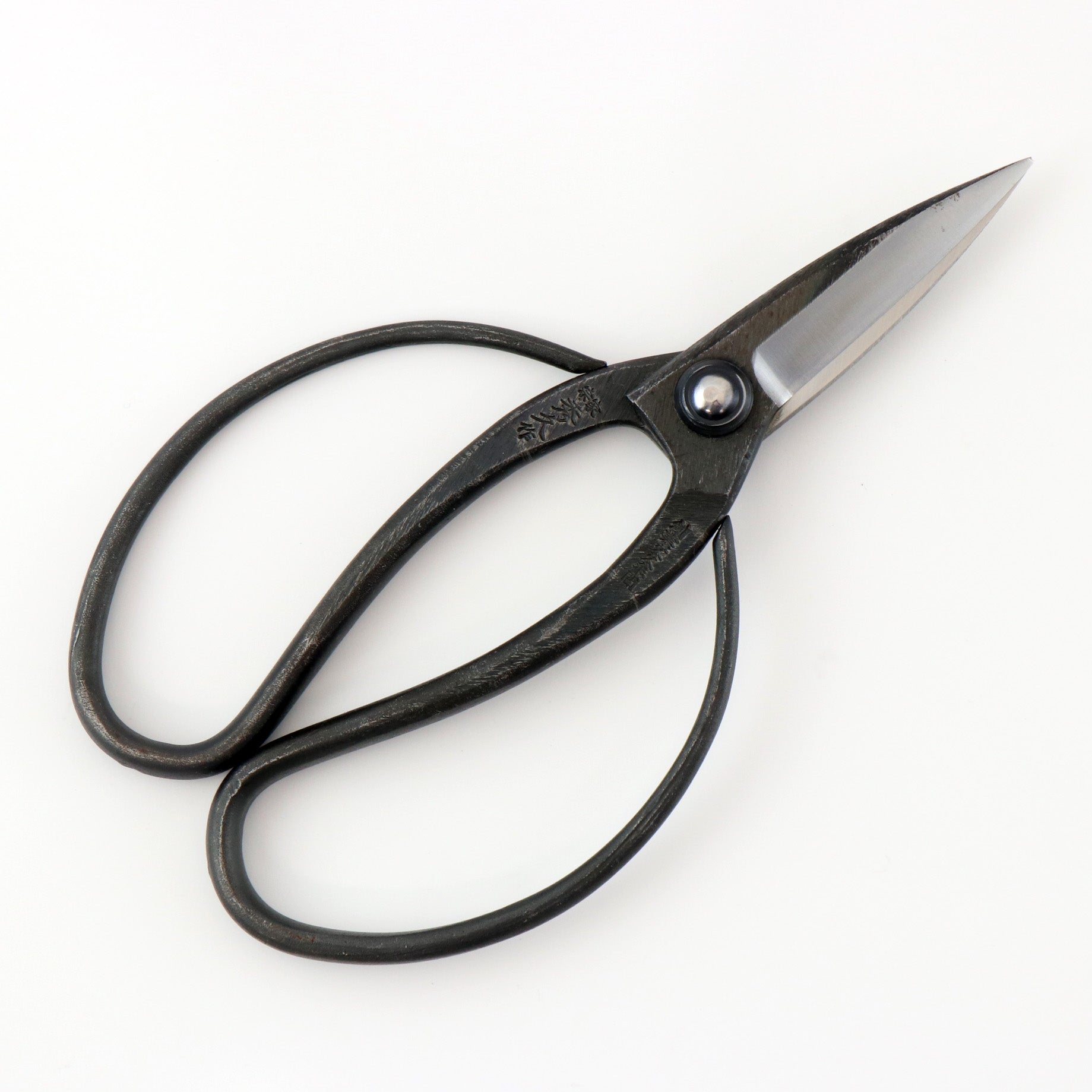
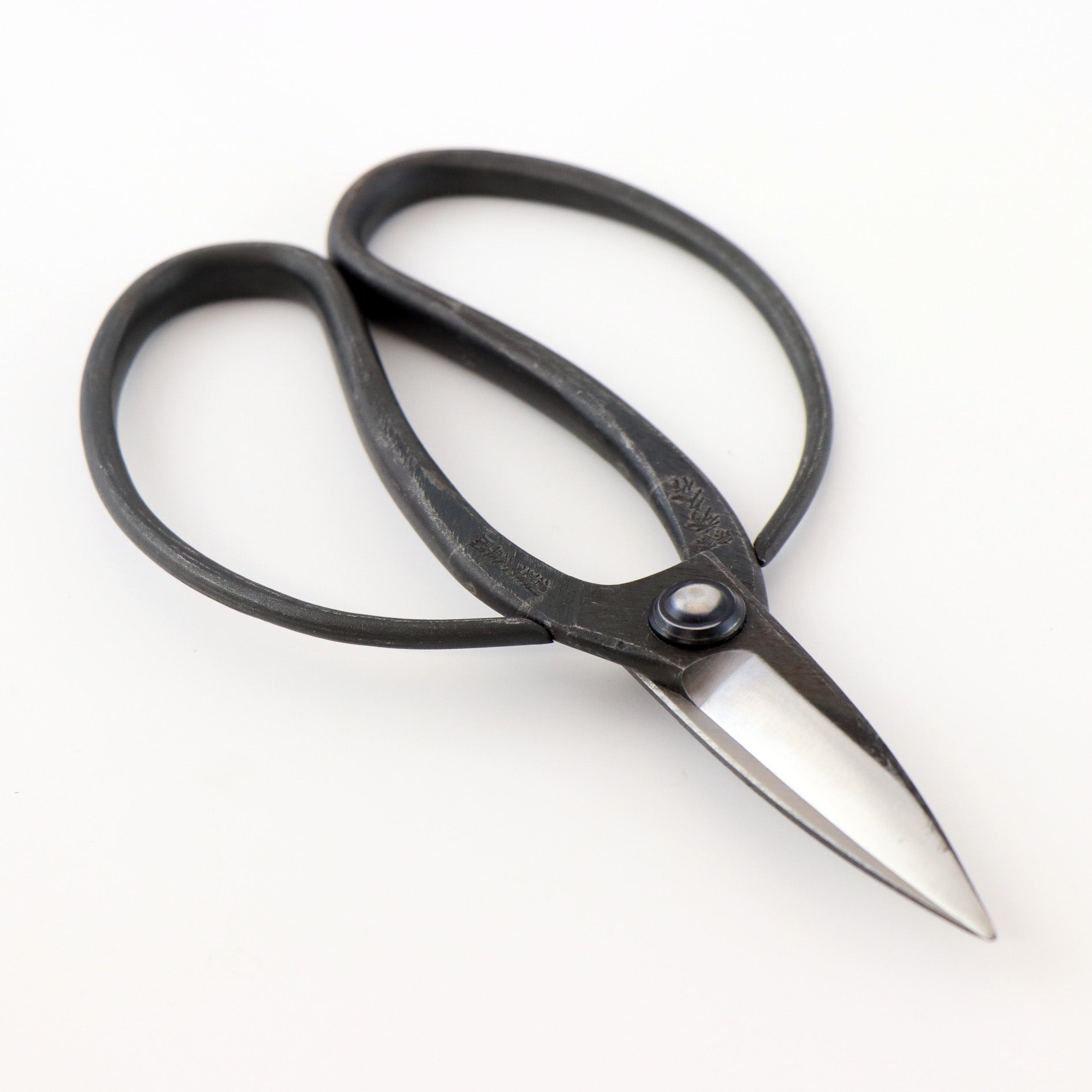
Whether you use spring-loaded pruning shears, pruning snips, bonsai shears, ikebana scissors, or Okubo shears, Japanese forged tools are made for clean, controlled cutting. With a few steady habits—keeping blades clean, dry, and lightly protected—they tend to stay at their best season after season.
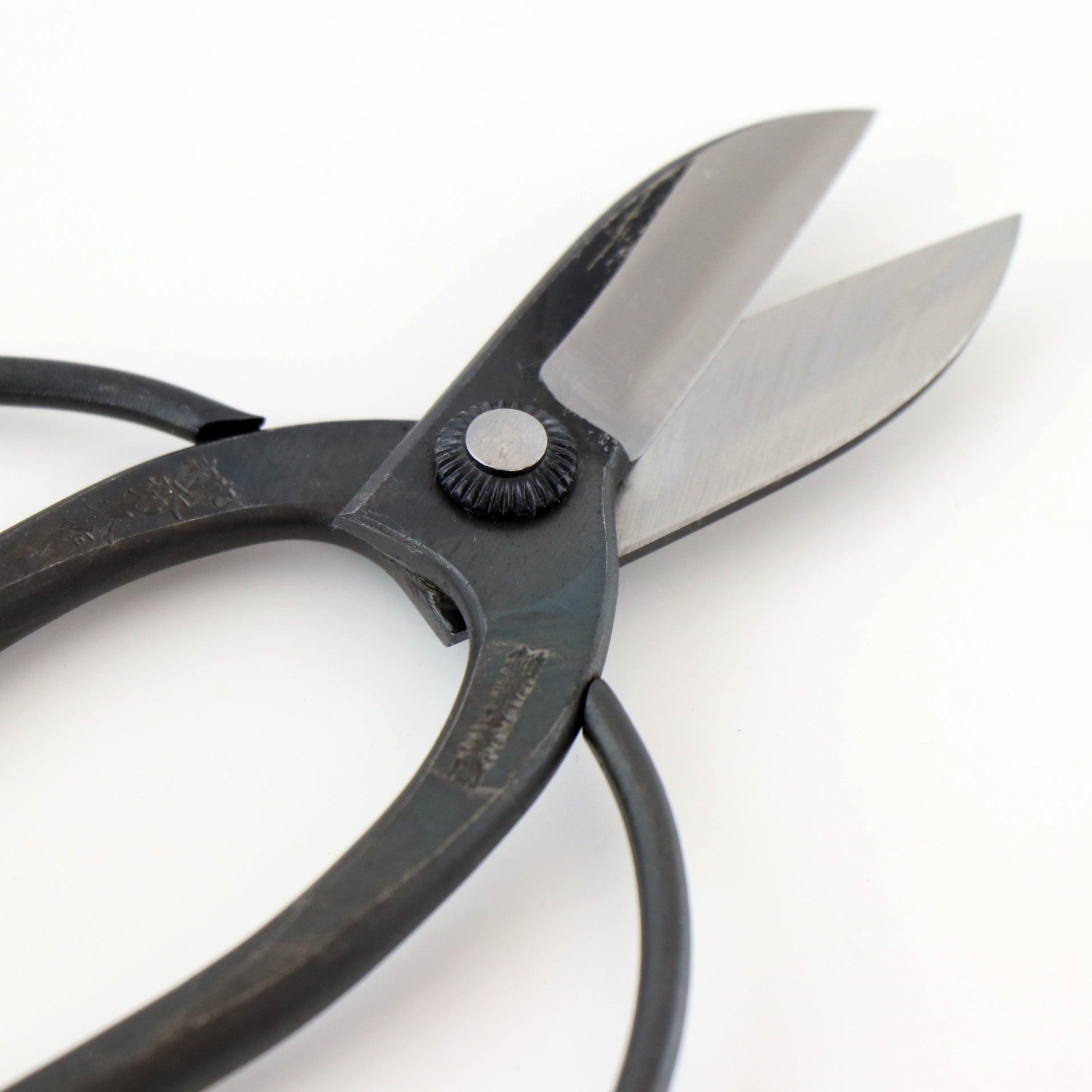
Toyama Hamono shears are made through forging: craftsmen heat the steel and hammer it to refine the steel’s structure and create a more durable edge. We produce forged models in high carbon steel and stainless steel. The materials behave differently, but daily care still has a direct impact on cutting feel and condition.
Maintenance isn’t just cosmetic. It can help extend tool life, support safer work, and help reduce the risk of spreading plant disease.
Tools covered in this guide
In this article, “shears” is used as an umbrella term that includes:
-
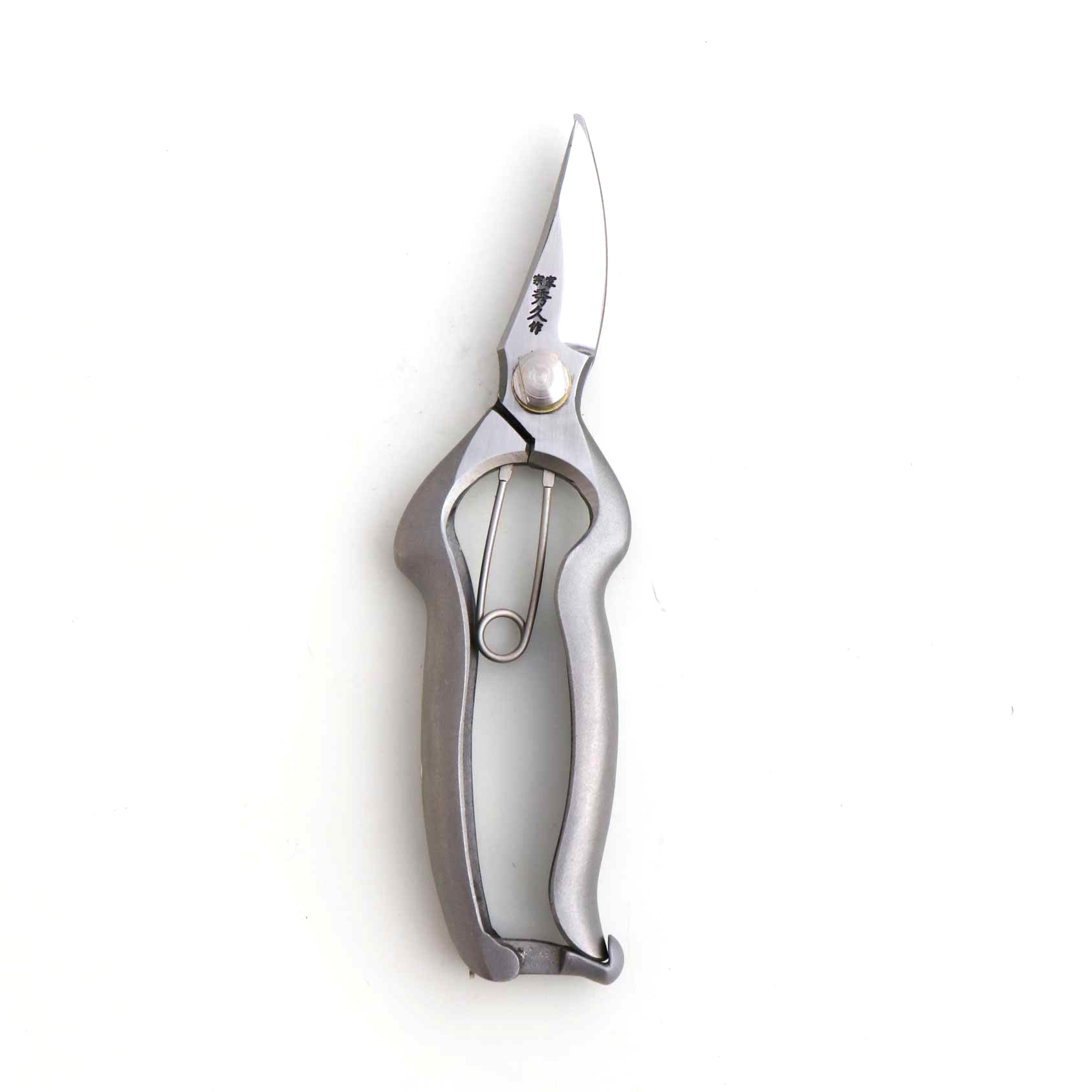
Spring-loaded pruning shears / hand pruners (also called secateurs)
-
Spring-loaded pruning snips
-
Bonsai shears
-
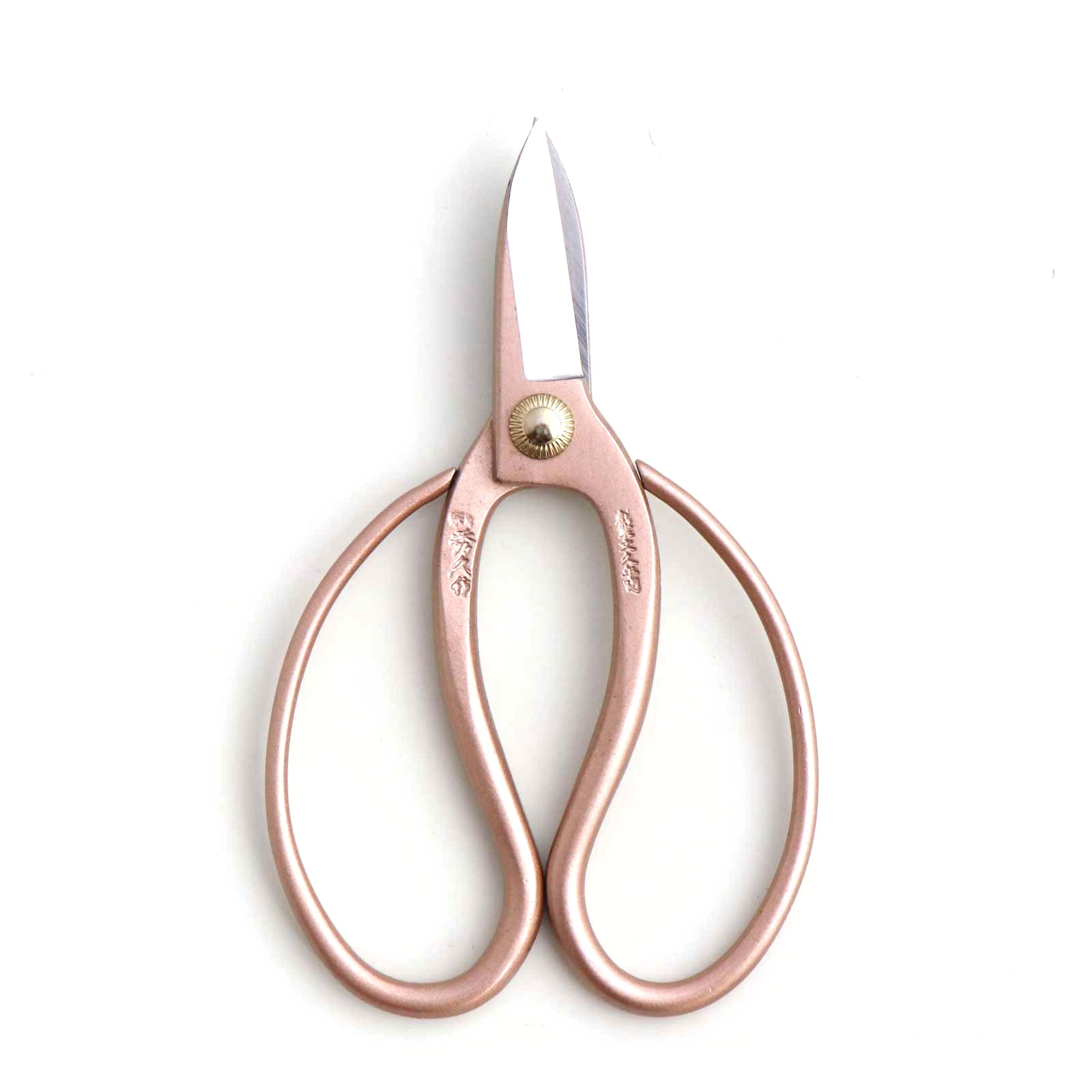
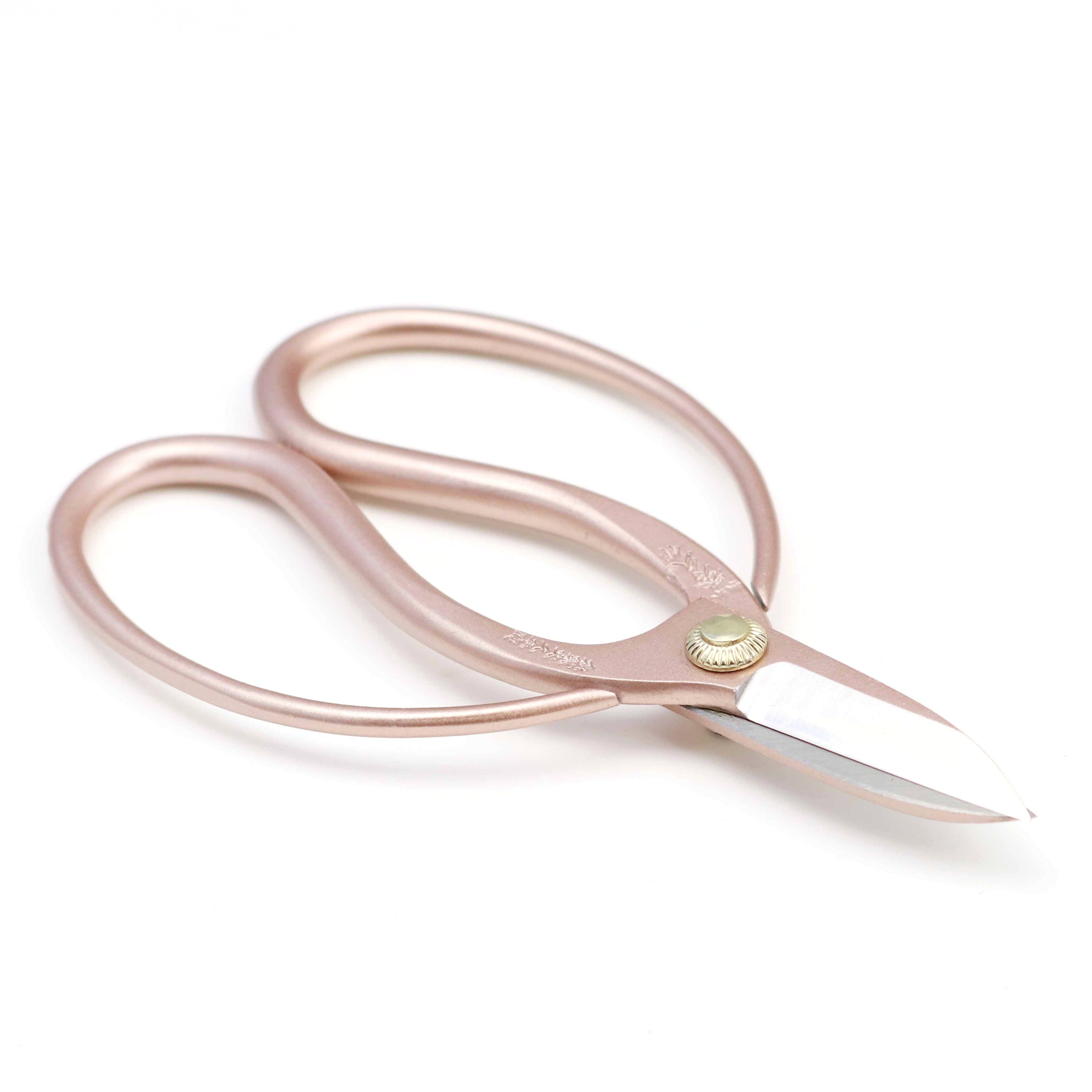
Flower scissors (including ikebana scissors)
-
Okubo shears (Okubo-style Japanese garden shears)
The Toyama Hamono Care Workflow

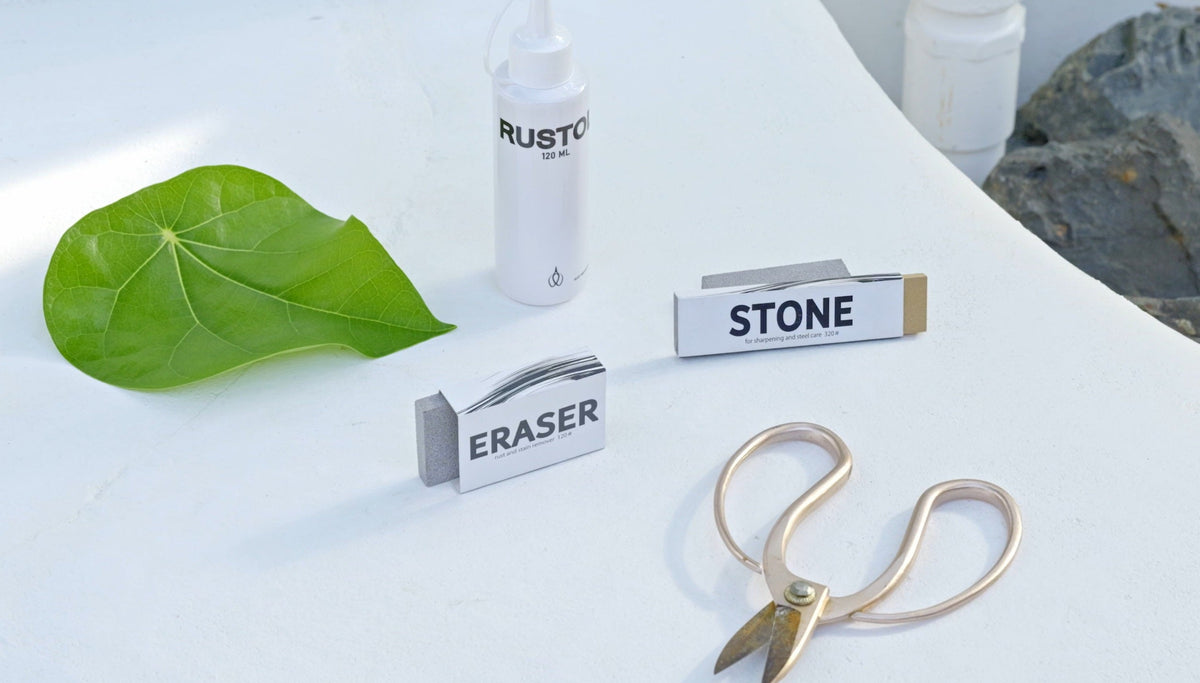
Photo: R123 Maintenance Set
Toyama Hamono recommends treating maintenance as one workflow, in this order:
-
Remove — dirt, sap, and light surface rust
-
Disinfect — everyday hygiene cleaning
-
Sharpen — restore the edge with a whetstone
-
Protect — rust-preventive oil and proper storage
That sequence keeps each step doing its job. Residue left on the blade can get in the way of sharpening, and oil applied too early can seal contamination onto the surface.
Step 1: Remove Sap, Dirt, and Light Rust Daily

Photo: R3 Eraser - Rust and Stain Remover
After gardening, start with what’s on the blades.
When you cut plants, sap can stick to steel. Sap is often mildly acidic. On carbon steel, leaving sap on the blade can trigger oxidation (rust). And once sap hardens, friction increases—so the tool can start to feel heavier and less precise.
Tool: Rust and Stain Remover Eraser
For this step, we recommend a Rust and Stain Remover Eraser—a soft, rubber-like abrasive used like a sanding eraser.
It’s typically used for:
-
Removing sap and residue
-
Removing dirt and grime
-
Lifting early-stage surface rust
Because it’s thin and flexible, it can also reach narrow overlap areas where buildup collects.
How to Use the Rust and Stain Remover Eraser
Rub the blade surface lightly, as you would erase pencil marks.
-
Avoid heavy pressure: it can leave scratches on a polished finish.
-
Wipe away residue: after use, wipe off dust with a dry cloth so the surface is clean for the next steps.
Step 2: Disinfect and Wash

Photo: R7 TOOL CARE Disinfectant
Once the visible grime is gone, move on to hygiene.
During pruning, tools contact many plants. If one plant is diseased, there’s a risk of spreading disease through the tool. Disinfection also helps prevent organic residue from breaking down on the blade.
Tool: Tool Care Disinfecting Cleaner
Tool Care is our disinfecting cleaner designed for garden shears.
-
It can be used for soaking, including around complex moving parts.
-
It can also support cleaning, since fresh sap can be wiped away with the liquid.
-
It includes rust-inhibiting ingredients, which helps prevent rust during soaking.
How to Use Tool Care
-
Soak: pour the liquid into a container and soak the shears from the tips up through the pivot (joint).
-
Wipe dry: after a few minutes, remove the shears and wipe them thoroughly with a clean cloth.
-
Manage the liquid: the solution can be reused, but replace it about once a month.
-
Important note: do not put a lid on the container while soaking. Sealing the container can trap humidity and may cause rust.
Note: TOOL CARE does not remove every microorganism, but it is highly effective for everyday hygiene management.
Step 3: Sharpen with a Whetstone

Photo: R2 Slim Shear Whetstone (No Disassembly)
Sharpening can restore cutting performance.
It’s usually easier to sharpen before the tool feels truly dull. If branches begin to slip during the cut, or the cut surface looks torn or ragged, the edge likely needs attention. Forcing a cut can chip the edge and can crush plant tissue.
Tool: Whetstone (Medium Grit #320)
We recommend a thin whetstone #320 that allows sharpening without disassembly.
-
Sharpening without taking the tool apart is common with Japanese shears.
-
A thin stone can reach overlapping areas.
-
This grit is also practical for other garden tools, such as hedge shears and knives.
Basic Sharpening Principles
-
Maintain the original bevel angle: keep the whetstone flat against the existing bevel.
-
Tune, don’t rebuild: restore the worn edge with a few controlled passes.
Step 4: Rust Prevention Oil and Safe Storage

Photo: R1 Rastol Rust Preventive Oil, Made in Japan
The final step is protecting the metal from moisture.
Tool: Rust Preventive Oil (Rastol)
For finishing, we recommend Rust Preventive Oil (Rastol). It forms a protective film that blocks oxygen and moisture, and it also helps the pivot action feel smoother.
How to Apply Rust Preventive Oil (Rastol)
-
Apply a thin coat: place a few drops on the blades and spread it thinly with a cloth.
-
Oil the pivot: add one drop to the pivot (joint).
-
Wipe off excess: too much oil can attract soil and debris. Wipe lightly until the surface feels protected but not greasy.
Storage Tips
-
Avoid humidity: don’t store shears in damp areas or directly on the ground.
-
Don’t put them away immediately: if you store shears in a leather case right after use, trapped moisture can lead to rust. After maintenance, let the tool air out briefly before storing it.
Common Mistakes to Avoid

These habits can shorten tool life:
-
Rinsing with water and leaving it: washing is fine, but leaving moisture on carbon steel is a serious mistake.
-
Over-applying Rust Preventive Oil (Rastol): excess oil can attract dust, which can wear moving parts.
-
Aggressive sharpening: very coarse stones or grinders can dramatically shorten blade life.
-
Assuming “rust = defective”: carbon steel can rust if neglected. With a Rust and Stain Remover Eraser and a whetstone, most shears can be brought back.
Summary: A Simple Routine for Clean Cuts and Long Tool Life
Follow the same order each time: Remove, Disinfect, Sharpen, Protect. Wipe off sap and grime, disinfect, touch up the edge with a whetstone when needed, then finish with a thin coat of rust-preventive oil. With regular care, your pruners and scissors stay precise and ready for the next pruning session—season after season.





Share:
Why Japanese Bonsai Scissors Matter for Precise Cuts
Forged vs. Stamped Pruning Shears: What's the Difference?