
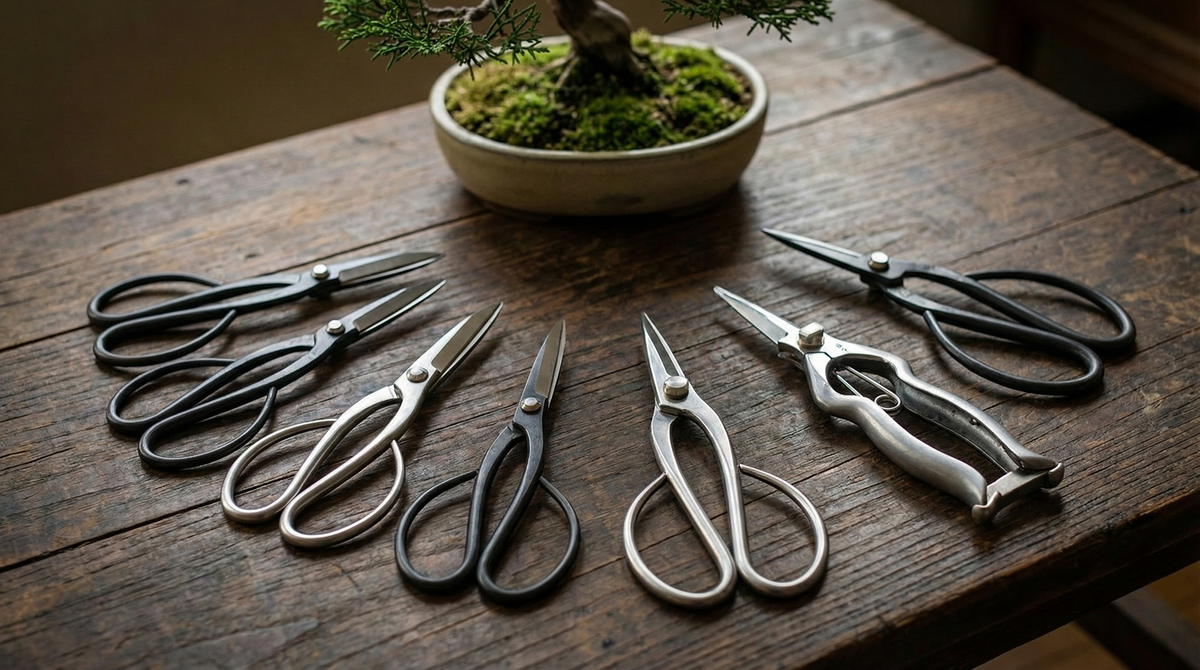
1. Why Bonsai Scissors Are a Specialty Tool
Precision You Can See
Cleaner Cuts on Small Growth
2. Bonsai Scissors vs. Regular Shears: What Changes in Practice
Better Access in Tight Spaces
Cleaner Healing on Small Twigs
3. A Practical Toolkit: Common Types and What They Do
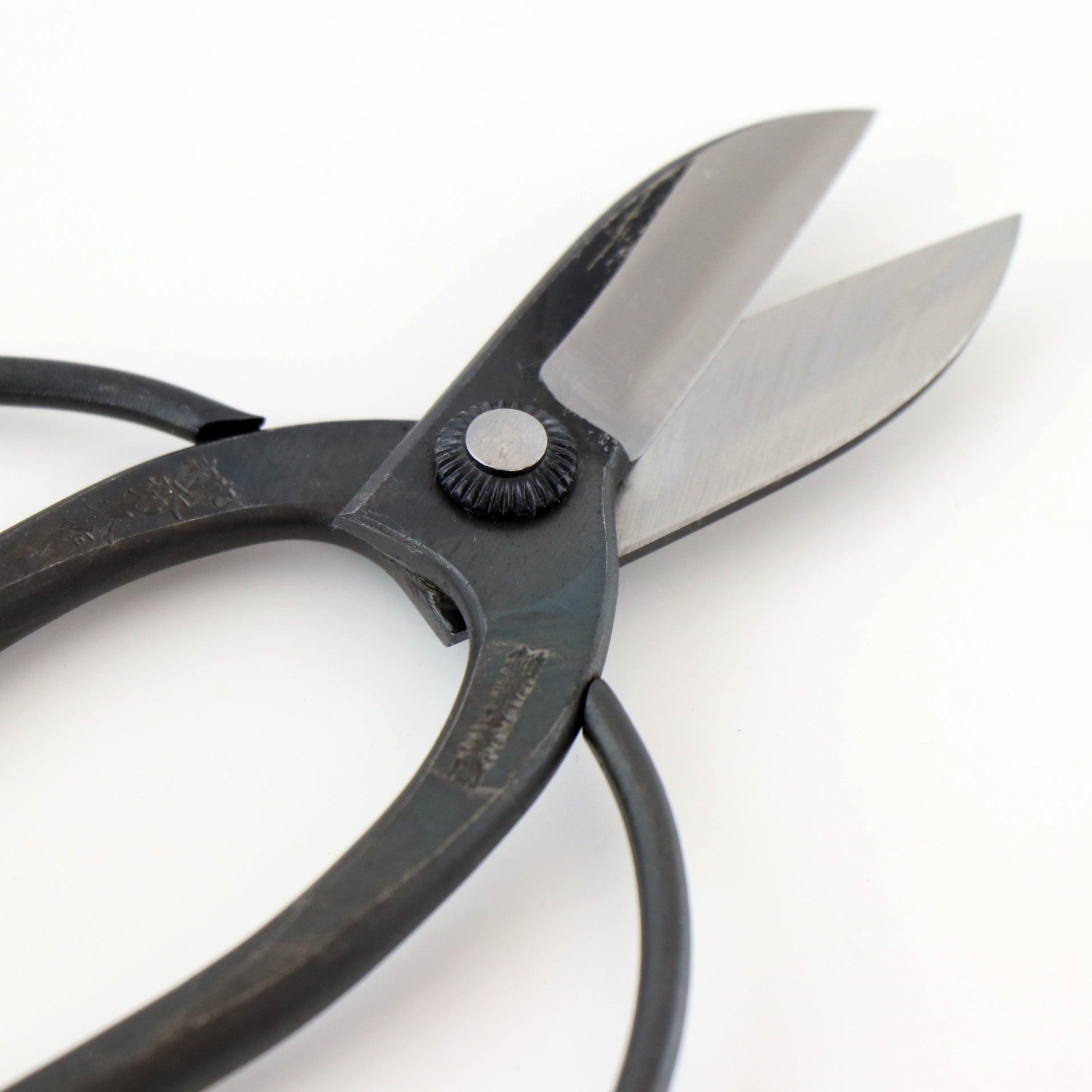
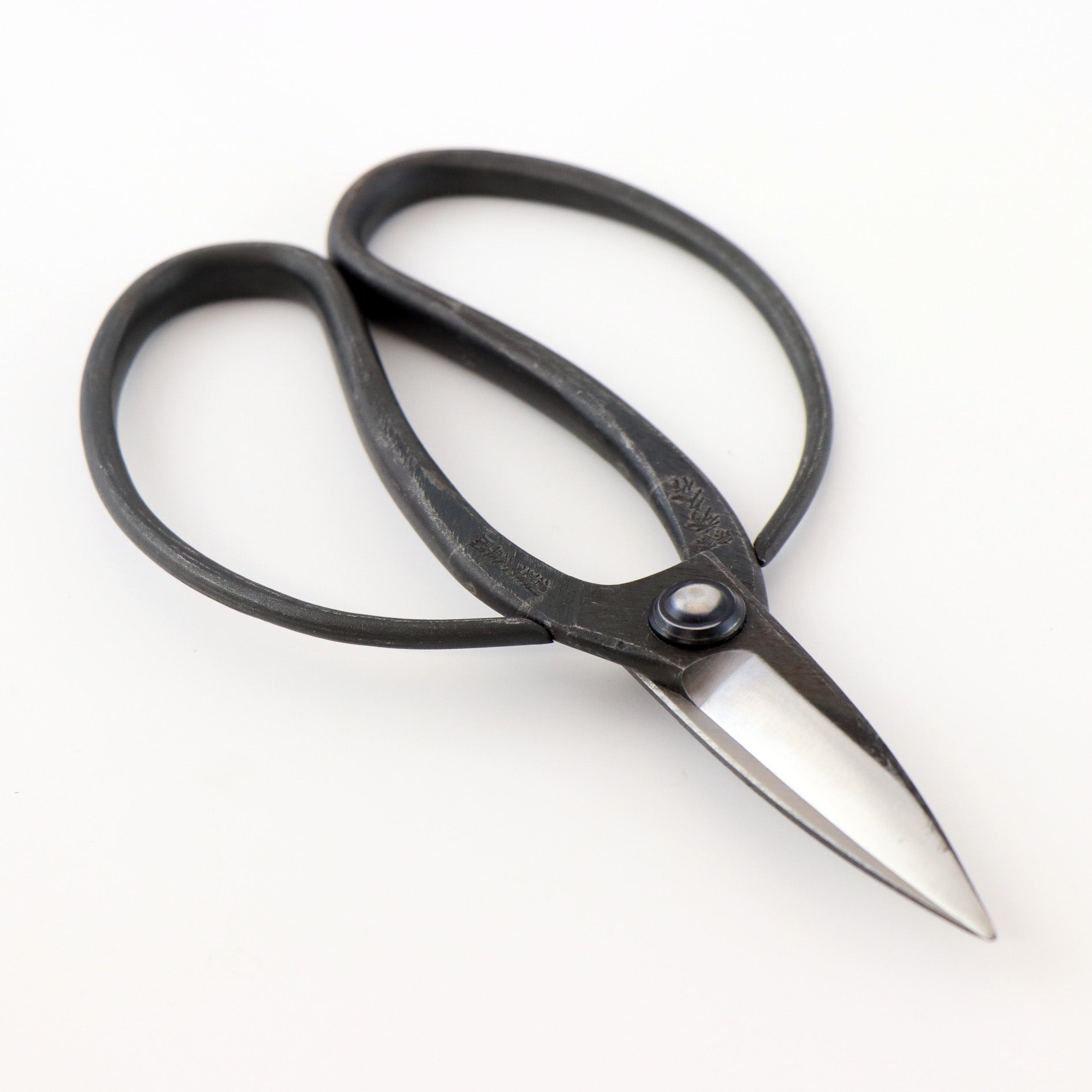
3.1 General-Purpose Bonsai Scissors

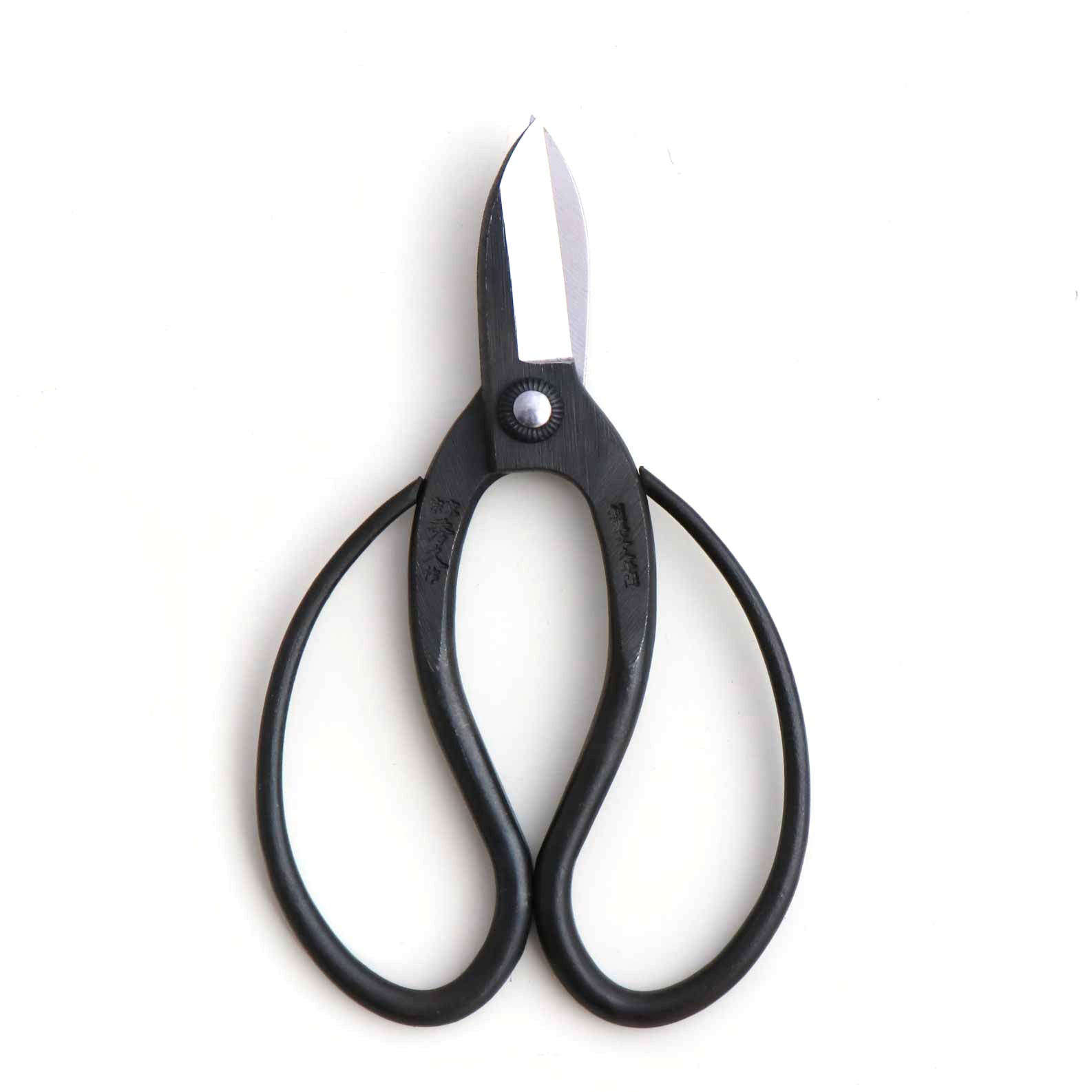
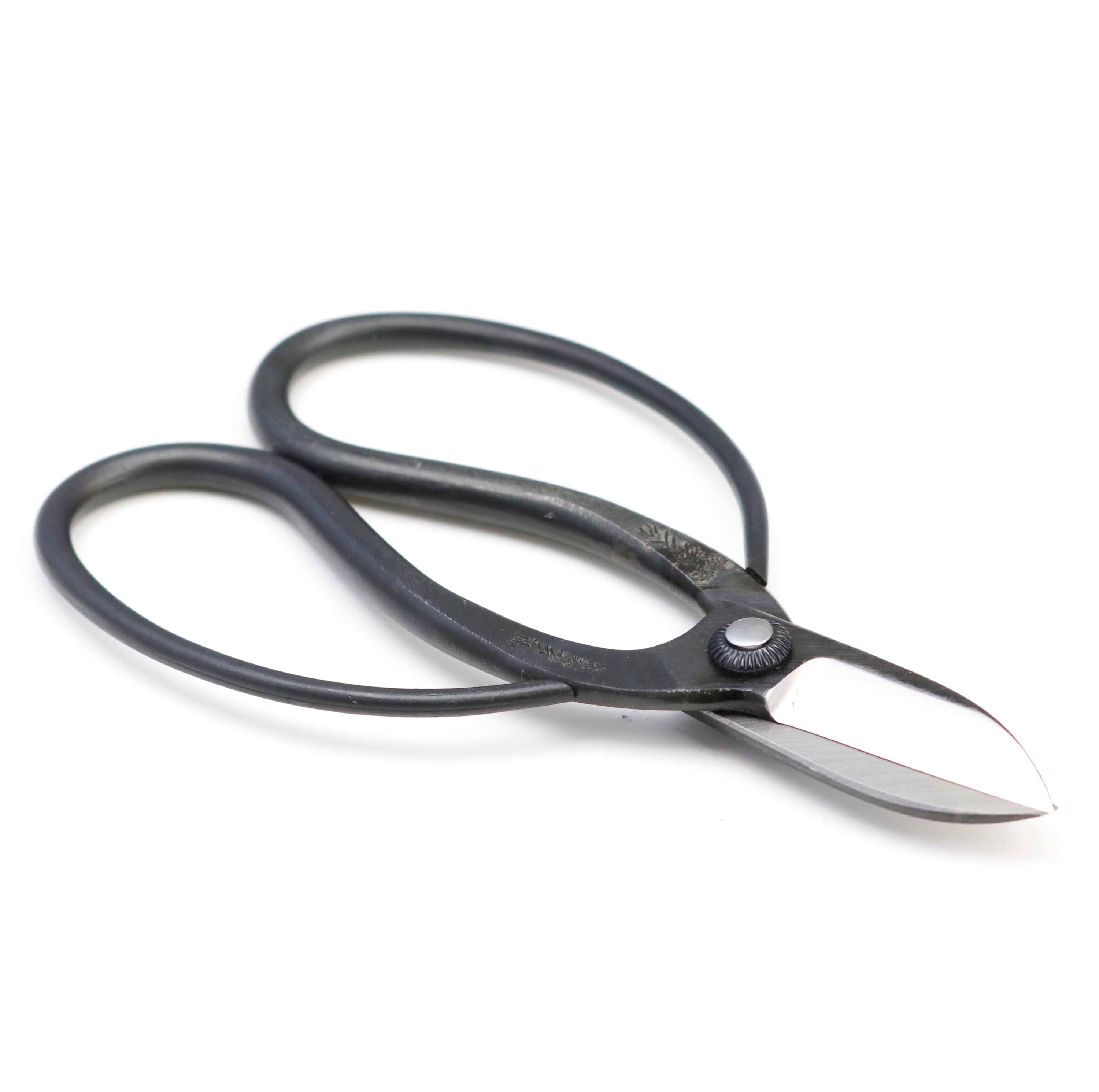
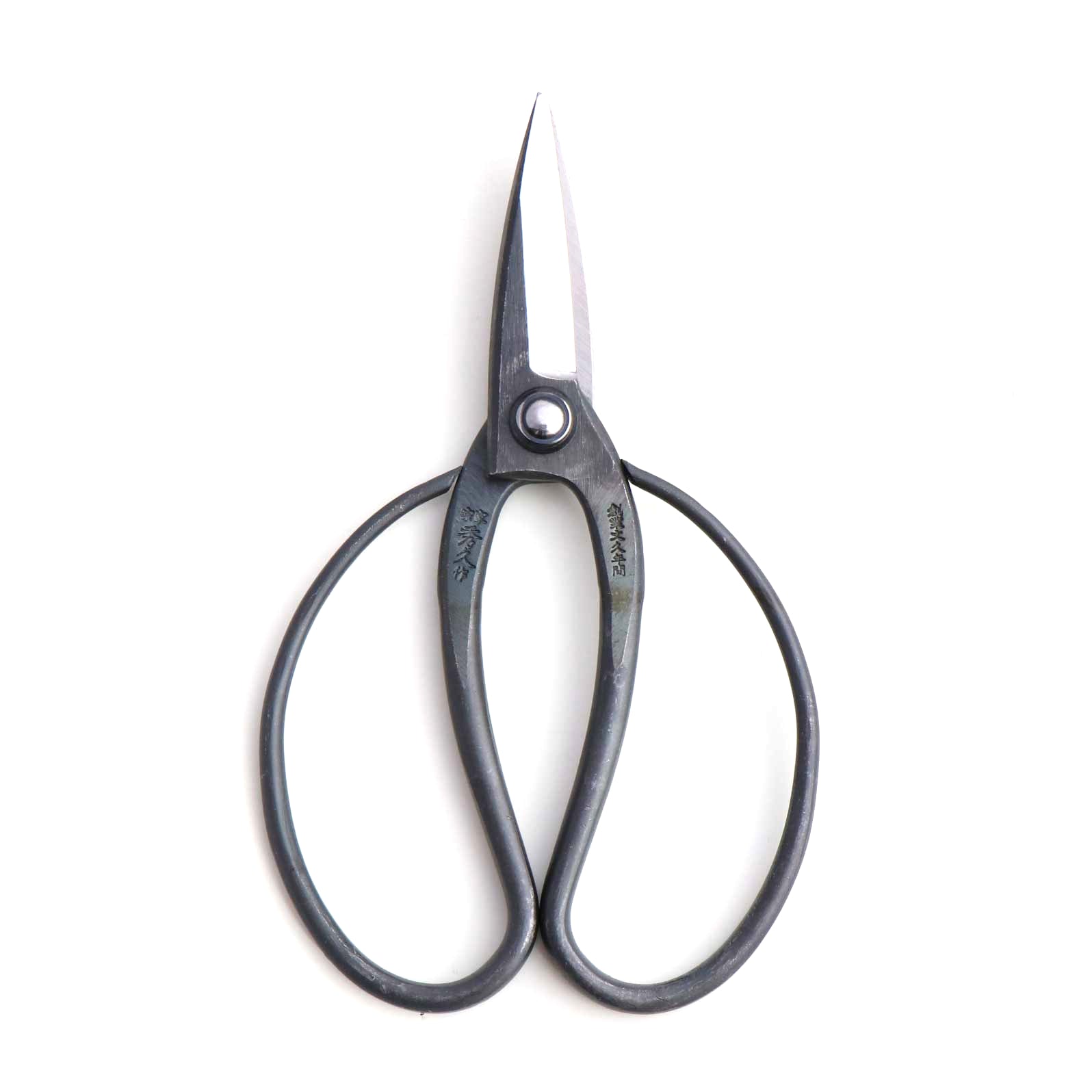
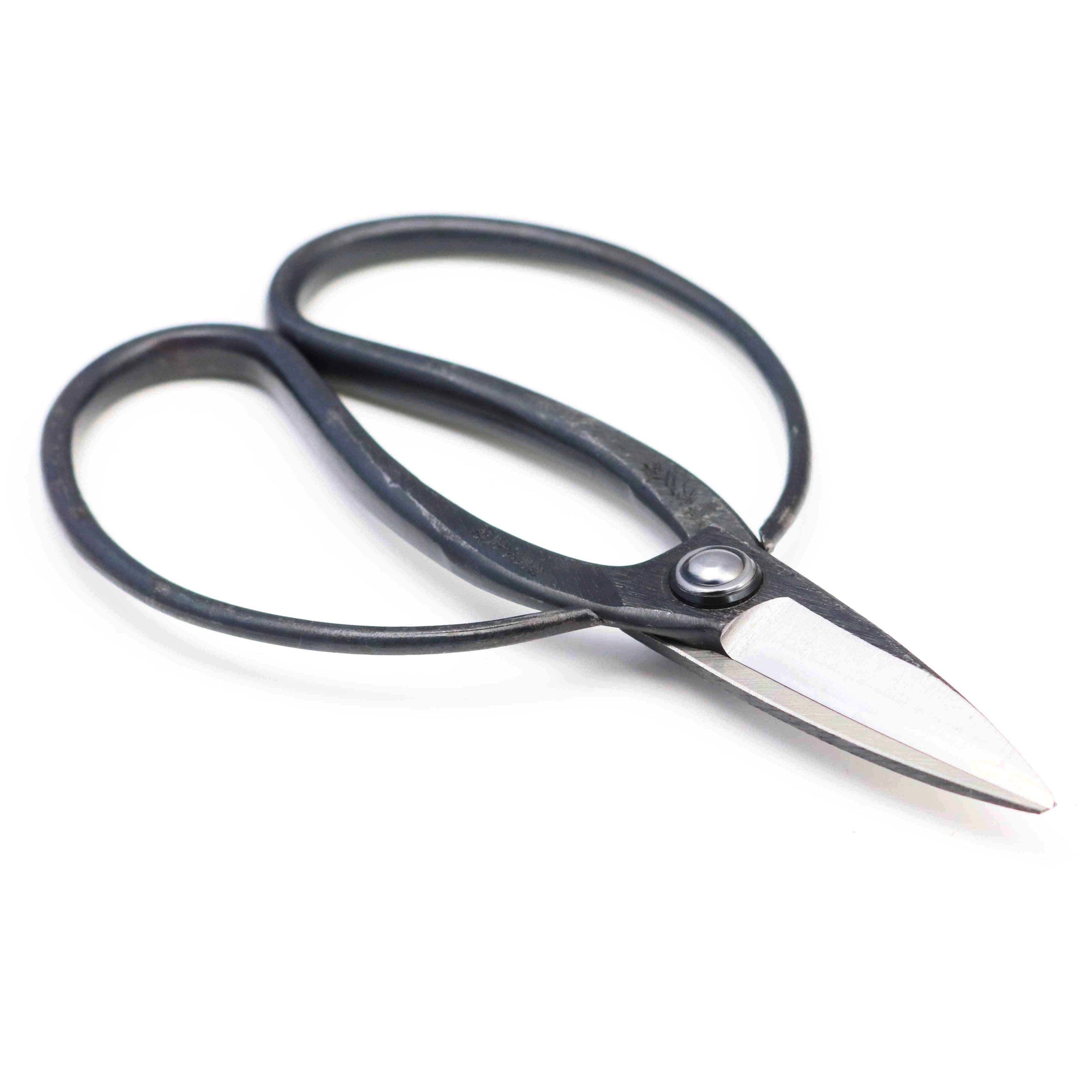
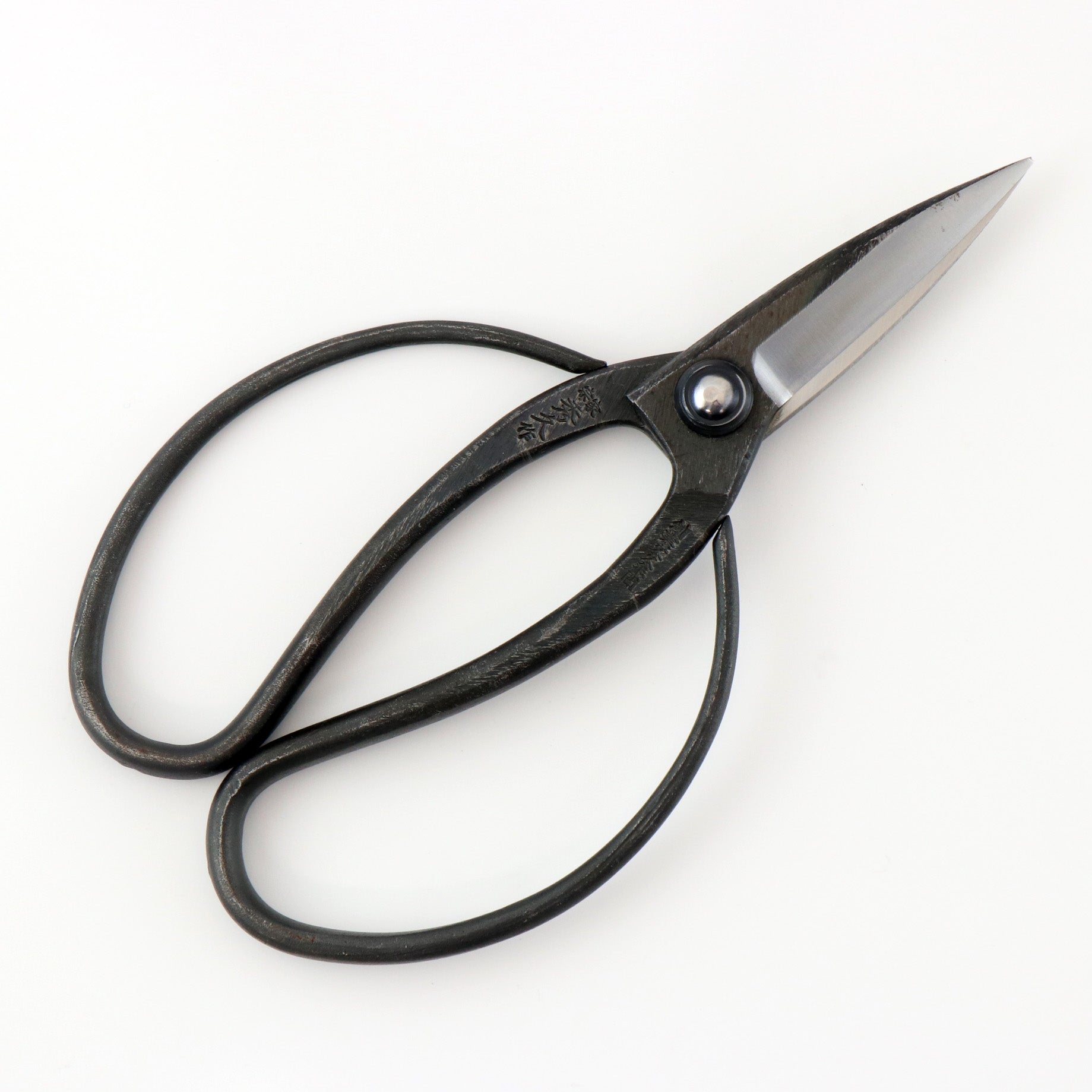
Left: T4-3 Japanese Traditional Bonsai Scissors Long Handle Forged High Carbon Steel
Right:T4-3S Japanese Traditional Bonsai Scissors Long Handle Forged Stainless Steel
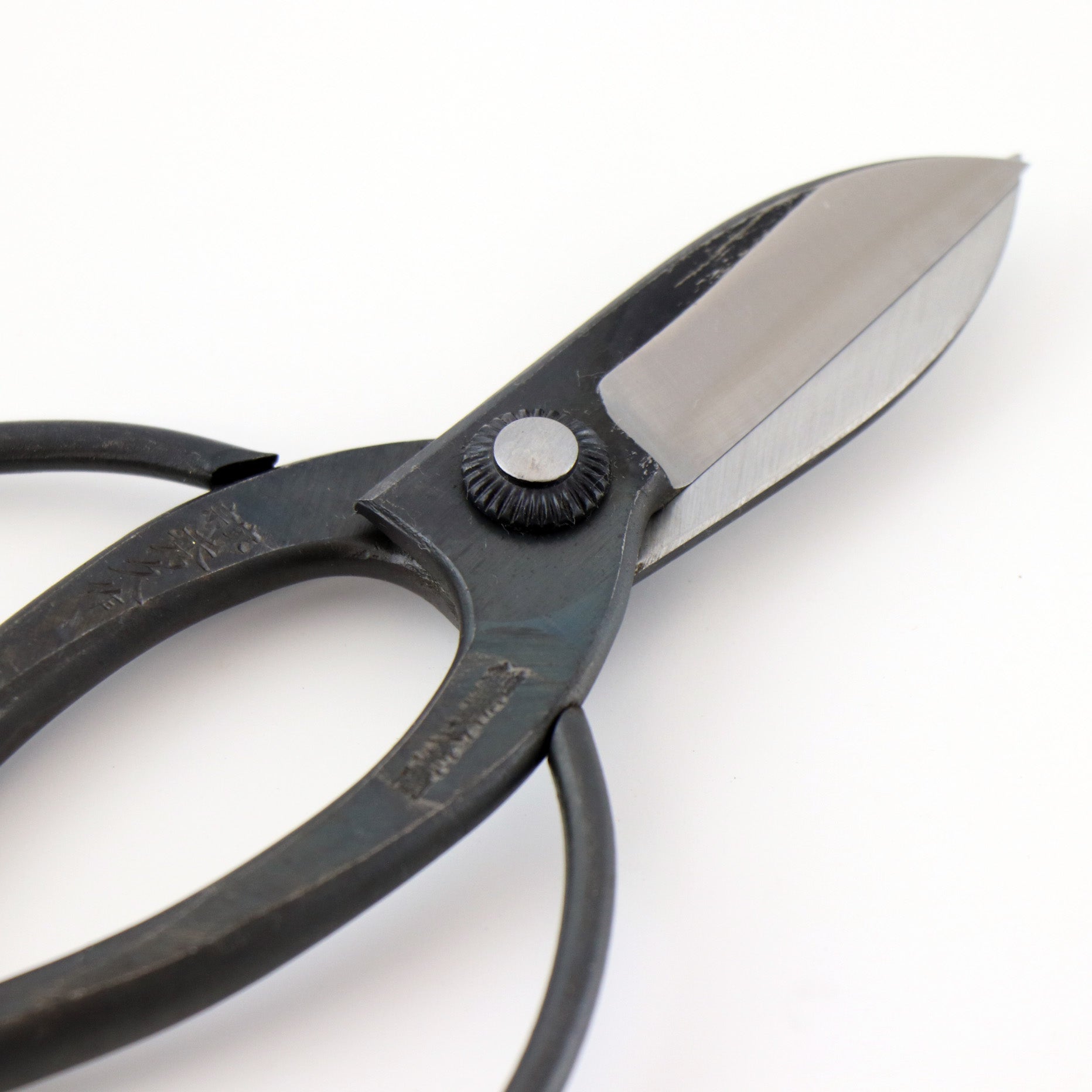
These are a common starting point. Many have longer handles and compact blades, which helps you reach into the canopy without crowding the work.
Use them for: Routine pruning within the crown and in other tight areas.
Why they help: The longer handles keep your hand away from delicate buds and leaves, and the compact blades make placement easier.
3-2. Koeda-Kiri: Fine Snips for Small Twigs

Left: T4-4 Japanese Traditional Bonsai Scissors "Koeda-kiri" High Carbon Steel
Right: T4-6 Traditional Japanese Bonsai Scissors "Koeda-kiri" Stainless Steel
These often have longer handles and thinner tips for very small twigs.
Use them for: Spring bud work, thinning dense growth, and cutting very small twigs.
Avoid: Thick wood. Switch to a stronger pruner or branch cutter to protect the edge and keep the cut clean.
3-3. Satsuki Scissors

Left: TH11S Traditional Japanese Snips Stainless ”Satsuki” Size:S
Right: TH11B Traditional Japanese Snips Stainless ”Satsuki” Size:S
A specialized shape used for extra-delicate work, often on species with small leaves (such as satsuki azaleas).
Use them for: Fine trimming and detailed maintenance.
Why they help: Light handling makes repeated small cuts feel easier and more controlled.
3-4. A Modern Option: Spring-Loaded Snips

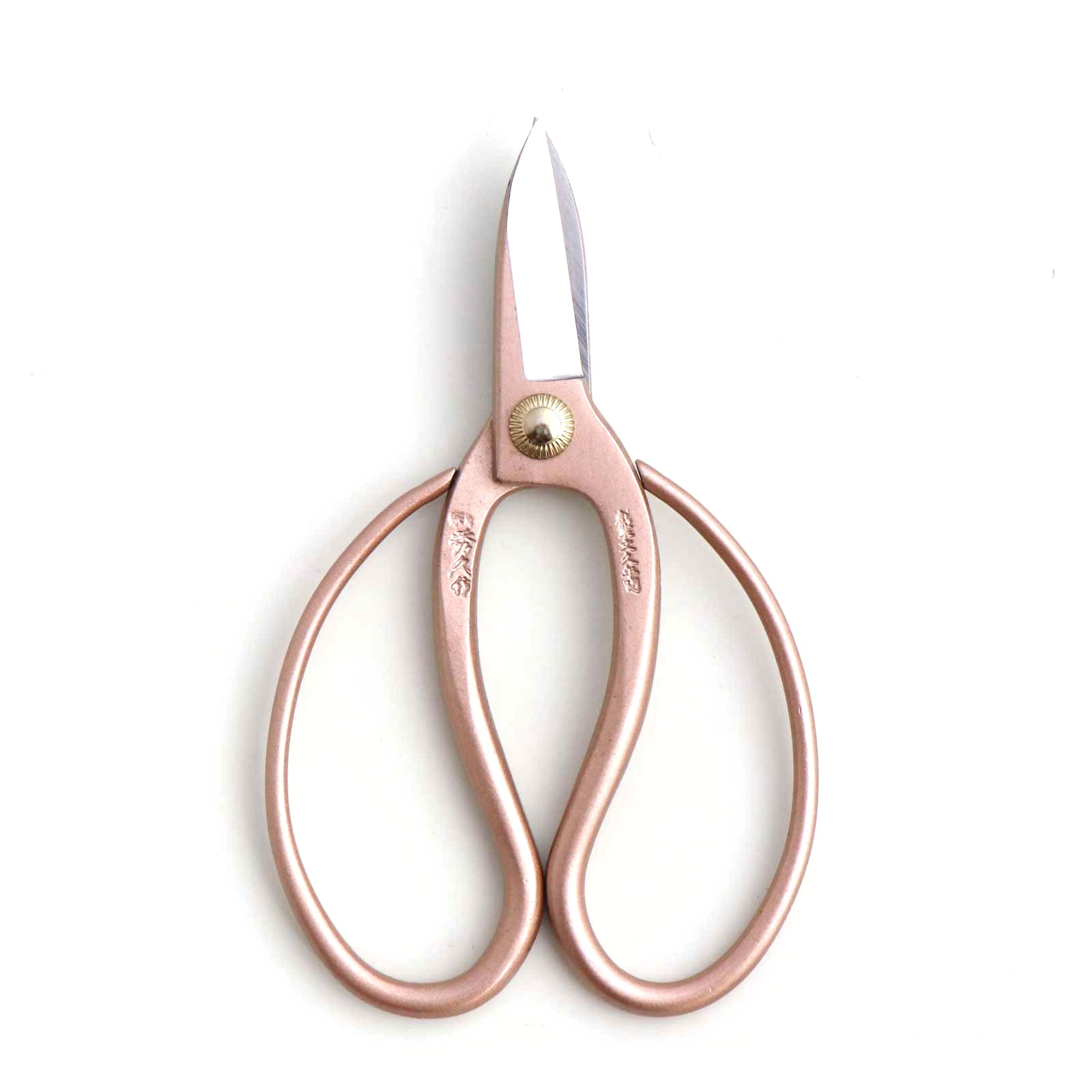
Left: T27 Hand Forged Snips, High Carbon Steel Asymmetric Ergonomic Grip
Right: T527 Hand-Forged Stainless Steel Snips with Asymmetrical Ergonomic Grip
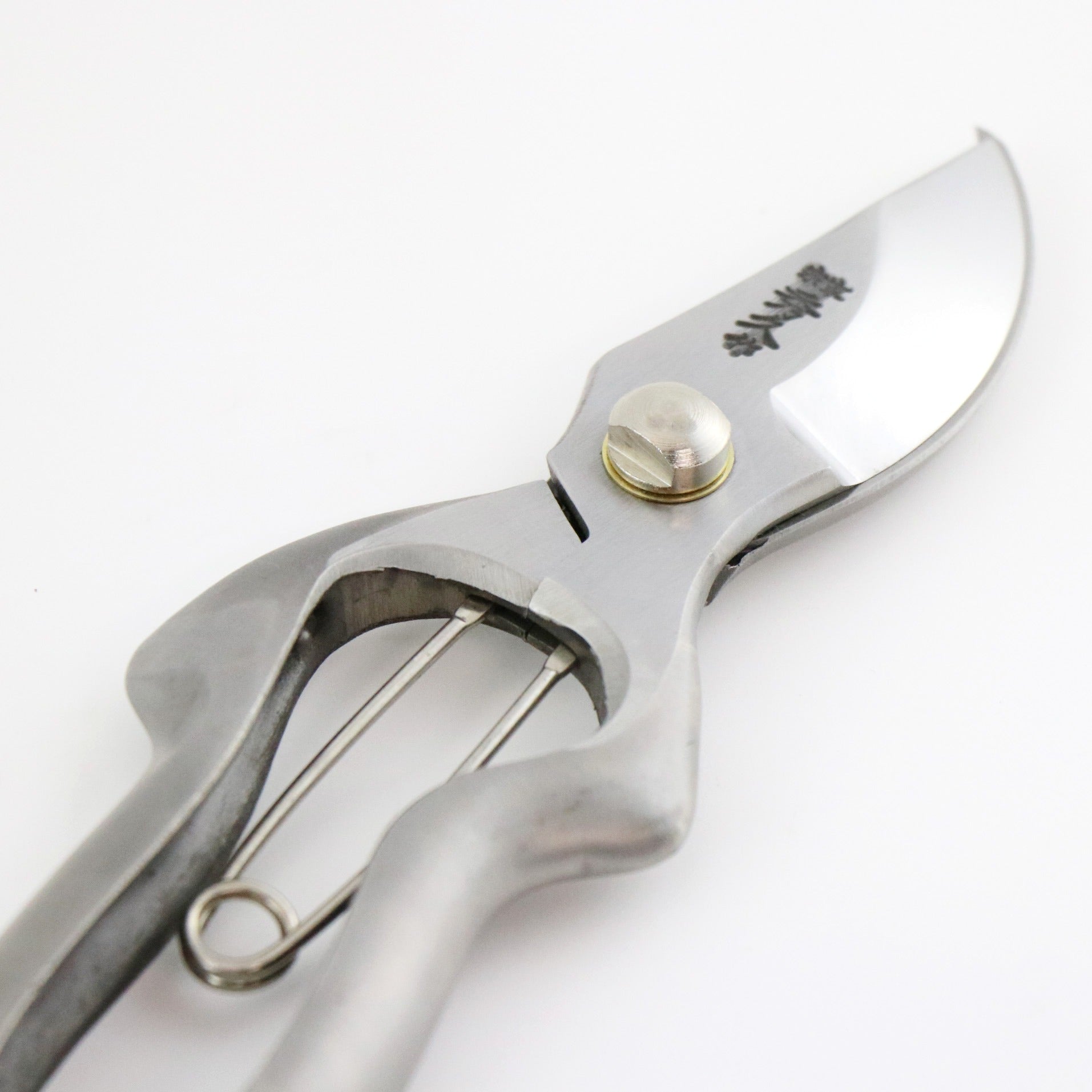
Some gardeners prefer a spring for fast, repeat trimming. Snips can be a practical first tool if you like a lighter action and want help reducing hand fatigue during longer sessions.
Why choose snips: The blades open automatically, which can make repeat cuts feel more consistent.
Material note: Our T517 model uses stainless steel for better rust resistance, which can be helpful if you work soon after watering.
3-5. Knob Cutters "Kobu-kiri"

[Photo: S102 Bonsai Knob Cutters "Kobu-kiri"]
Use them for: Creating a smooth surface where a branch was removed.
3-6. Concave Branch Cutters "Mataeda-kiri"

[Photo: S101 Bonsai Concave Branch Cutters "Mataeda-kiri"]
These are used in tight areas where standard tools do not fit, such as deep forks near the trunk.
3-7. Pliers, Tweezers, and Spatulas
Wire Pliers (Yattoko)

[Photo: S103 Bonsai Pliers "Yattoko"]
Wire Cutters (Harigane-kiri)

[Photo: S104 Bonsai Wire Cutters "Harigane-kiri"]
Tweezers

[Photo: Tweezers]
For removing dead leaves or small debris in tight spots.
Spatulas

[Photo: Spatulas]
For smoothing soil and pressing moss into place.
4. How to Choose the Right Size
Bonsai scissors are commonly sold in sizes such as 150 mm, 180 mm, and 200 mm.
150–165 mm: A good fit for mame (mini) bonsai, tight work, or smaller hands.
180 mm: A comfortable starting point for most people and many medium-sized trees.
200 mm: Helpful for larger trees or dense canopies, offering more reach without switching to a bulkier tool.
5. A Good First Tool for Beginners
Left: T4-3 Japanese Traditional Bonsai Scissors Long Handle Forged High Carbon Steel
Right:T4-3S Japanese Traditional Bonsai Scissors Long Handle Forged Stainless Steel
If you are buying your first pair, a standard 180 mm bonsai scissor is a safe place to start.
Left: T27 Hand Forged Snips, High Carbon Steel Asymmetric Ergonomic Grip
Right: T527 Hand-Forged Stainless Steel Snips with Asymmetrical Ergonomic Grip
If you prefer a spring-assisted tool, spring-loaded snips can also work well for early practice. For the sharpest edge, carbon steel is a good choice. For low-maintenance, stainless steel is a better fit.
A good first tool is not only about sharpness. It is about control, comfort, and consistency, so you can build good technique from the beginning.
6. Practical Tips for Your Scissors
Cut near the node: A small, clean cut just above a bud is easier for the tree to manage.
Use the tip: Bonsai scissors are made for precise tip work, not for forcing through thick branches.
Do not force thick wood: If a cut feels too hard, switch tools. This protects both the edge and the tree.
Find A Tool That Matches Your Work
If you tell us your species, tree size, and main task (bud work, canopy thinning, or light pruning), we can suggest a good first tool—and point you to the right style for your next step.



Share:
A Gardener’s Guide to Japanese Pruning Shears
How to Care for Your Japanese Pruning Shears and Scissors