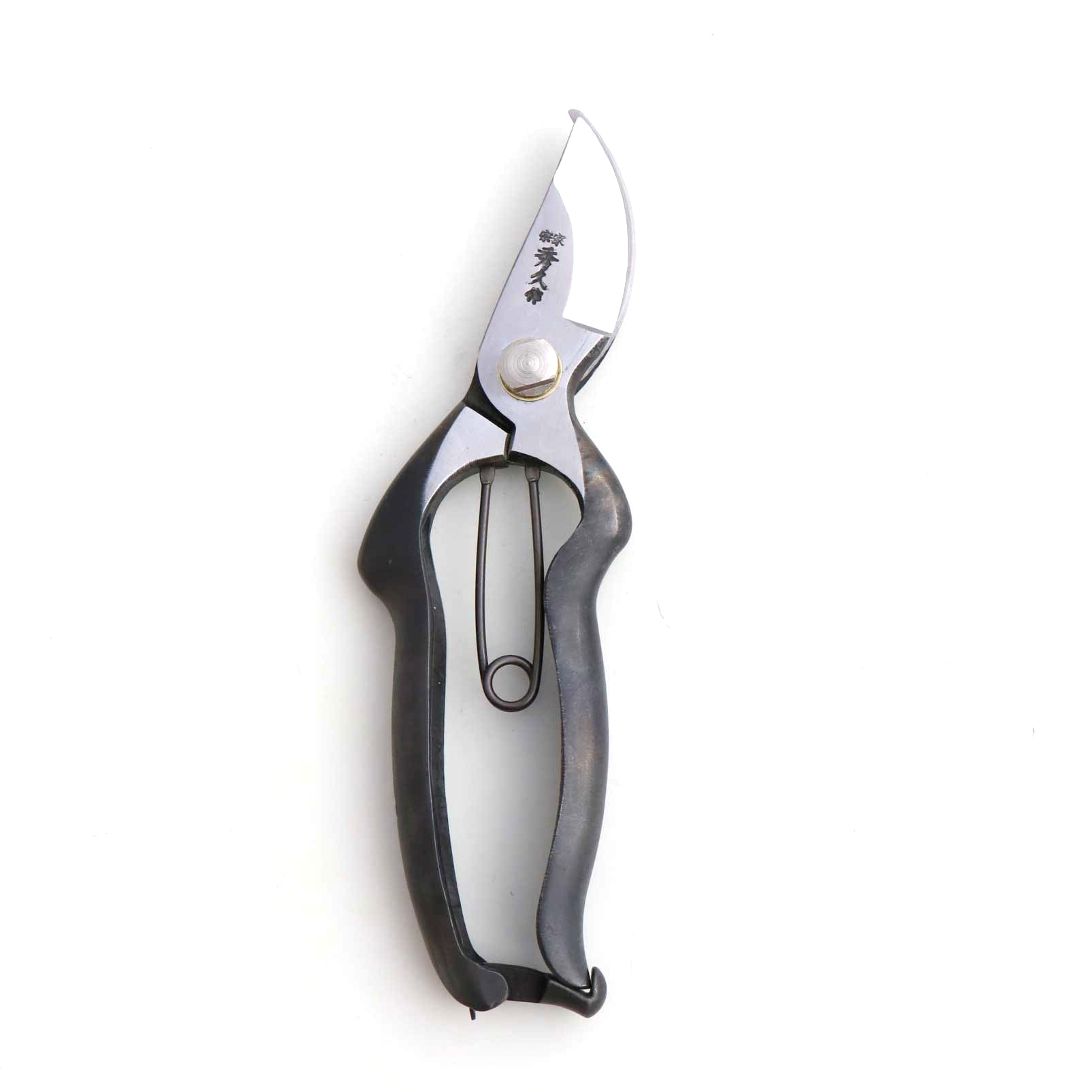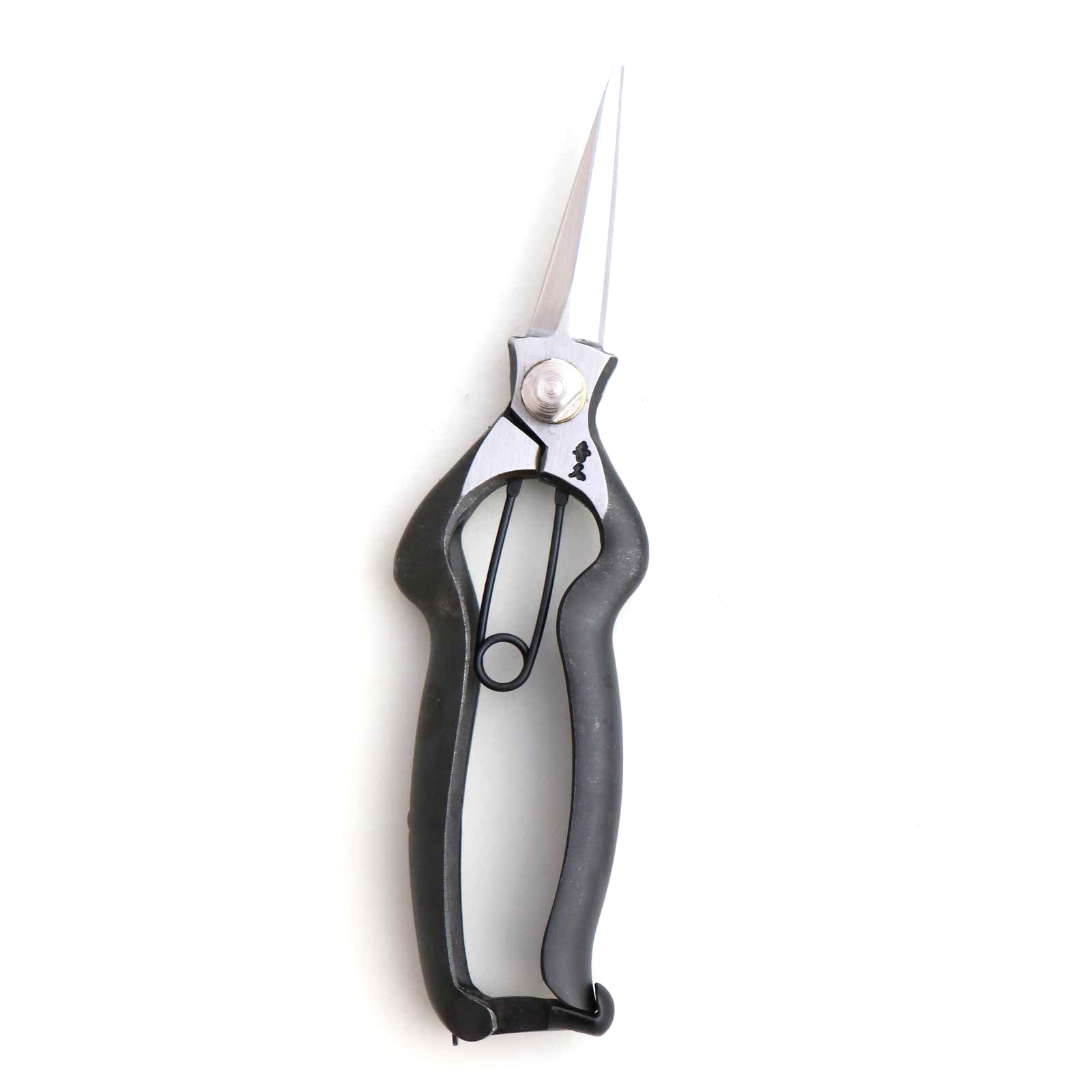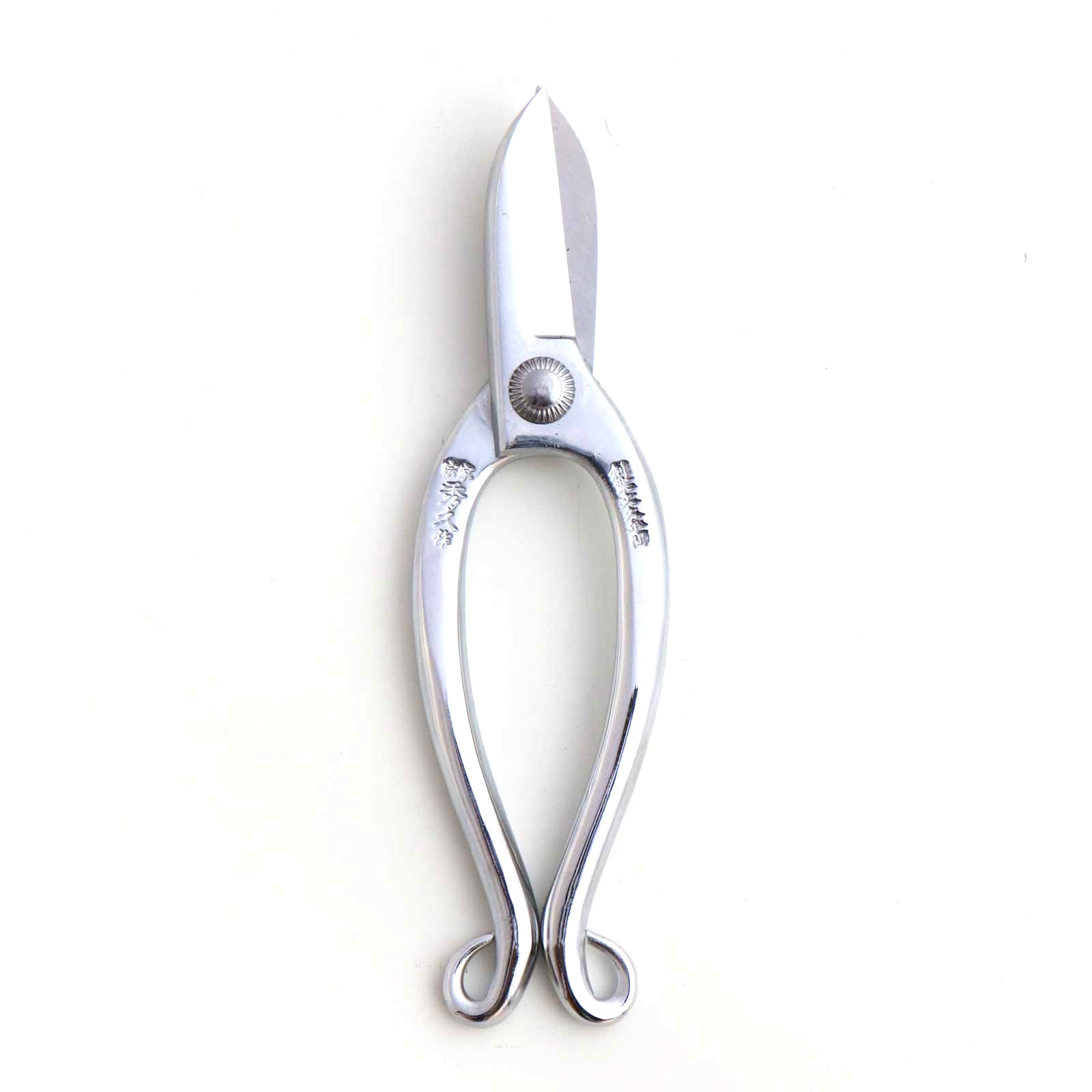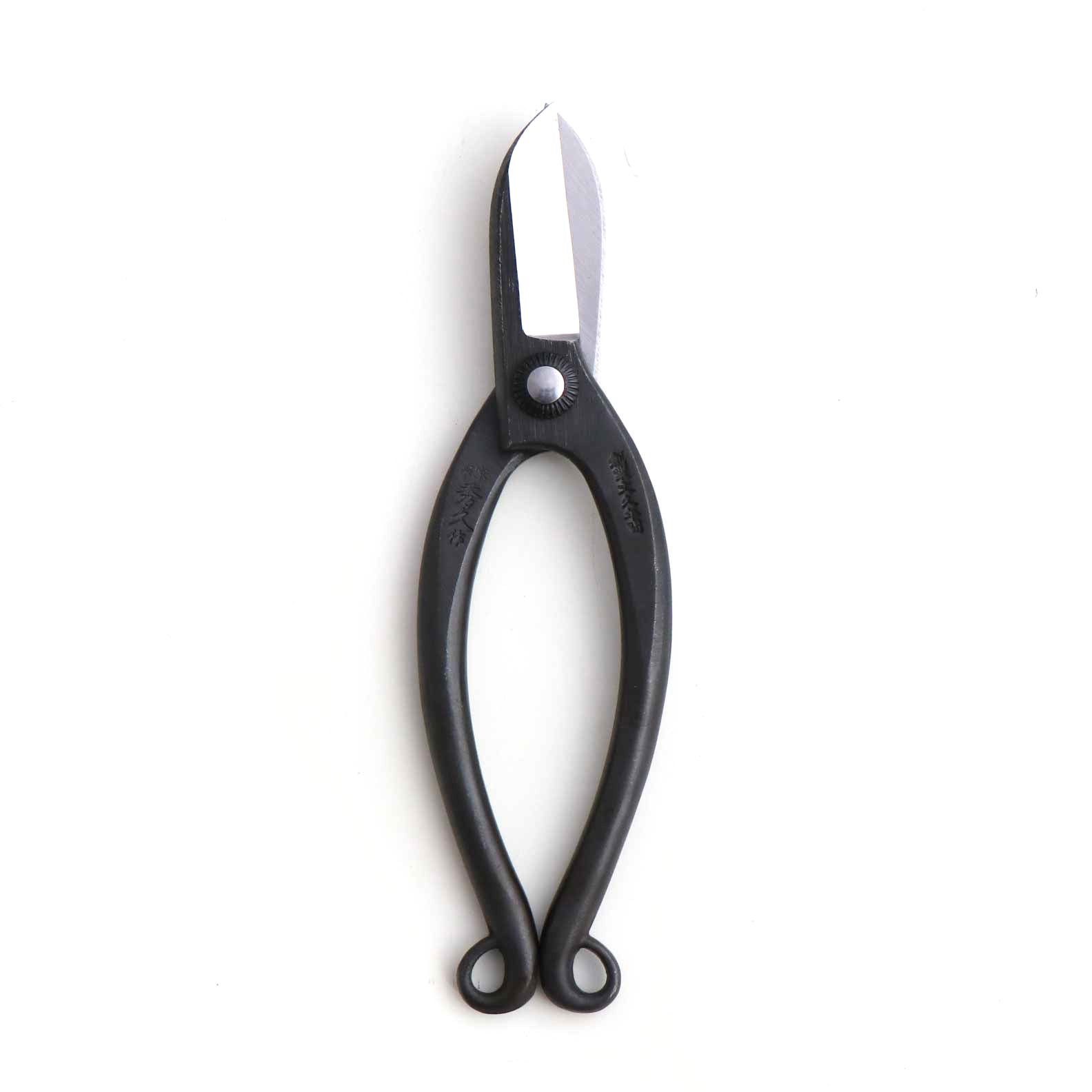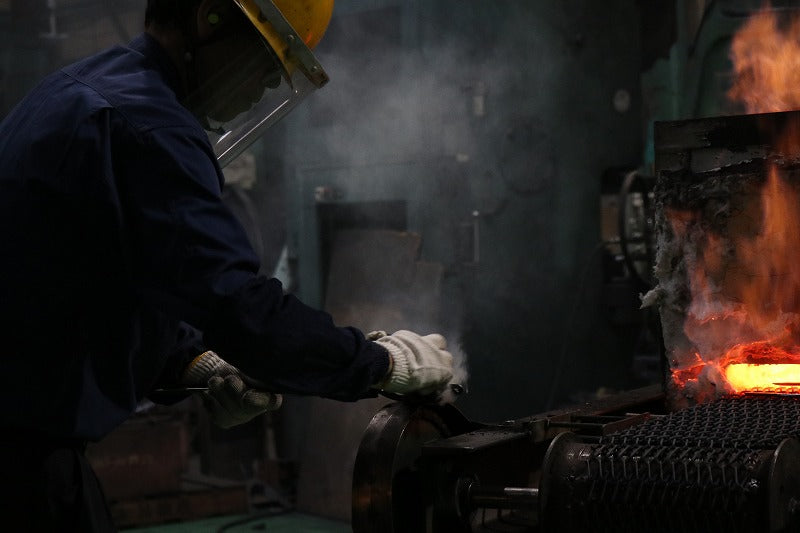
Since 1861, Toyama Hamono has been making shears in Sanjo, a city in Niigata Prefecture known for generations of metalworking. Across five generations, our guiding idea has remained simple: a good tool does more than cut. The blade should glide in naturally, feel right in your hand, and earn your trust year after year.
Our shears take shape through tanzo (traditional forging), but tradition alone does not define them. We blend the blacksmith's trained instincts with thoughtful blade geometry and ergonomic grip design, so every tool delivers strength, control, and comfort when it matters most.

Since 1861, in Sanjo
Toyama Hamono began in 1861 in Sanjo, a city in Niigata Prefecture where blade-making skills have been passed down and refined for generations. Our story has grown alongside that tradition.
For us, tradition is not the destination — it is the foundation. What matters is bringing together the qualities that make a real difference today: sharpness, control, a comfortable grip, and lasting durability. That is why every pair of our shears unites inherited craftsmanship with modern, purpose-driven design.
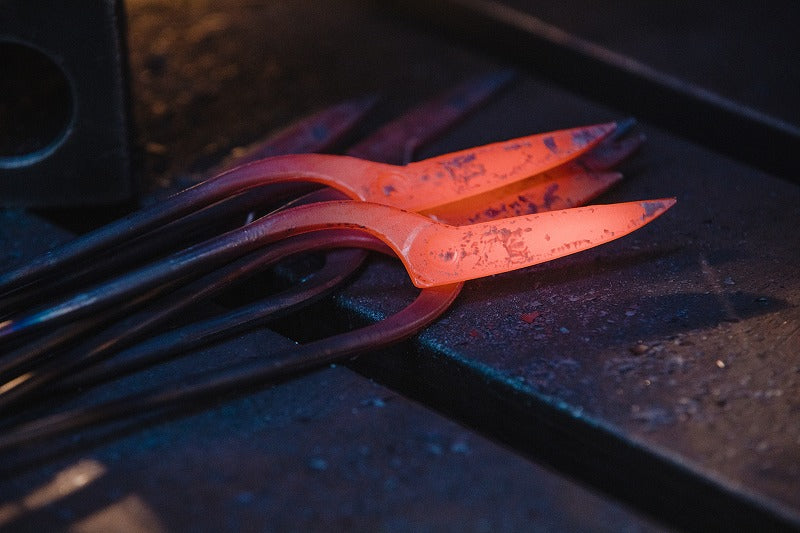
Forged by Heat, Force, and Human Hands
Every pair of Toyama Hamono shears begins at the forge. Steel is heated until it glows red, then pressed with tremendous force to take its initial shape.
But this is far more than machine work. Reading the steel, judging the placement, choosing the right moment to strike — all of this calls for years of hands-on experience. Heat and pressure lay the foundation for everything that follows.
We forge our shears not because it is tradition, but because forging is what makes them solid, stable, and trustworthy for years of use.
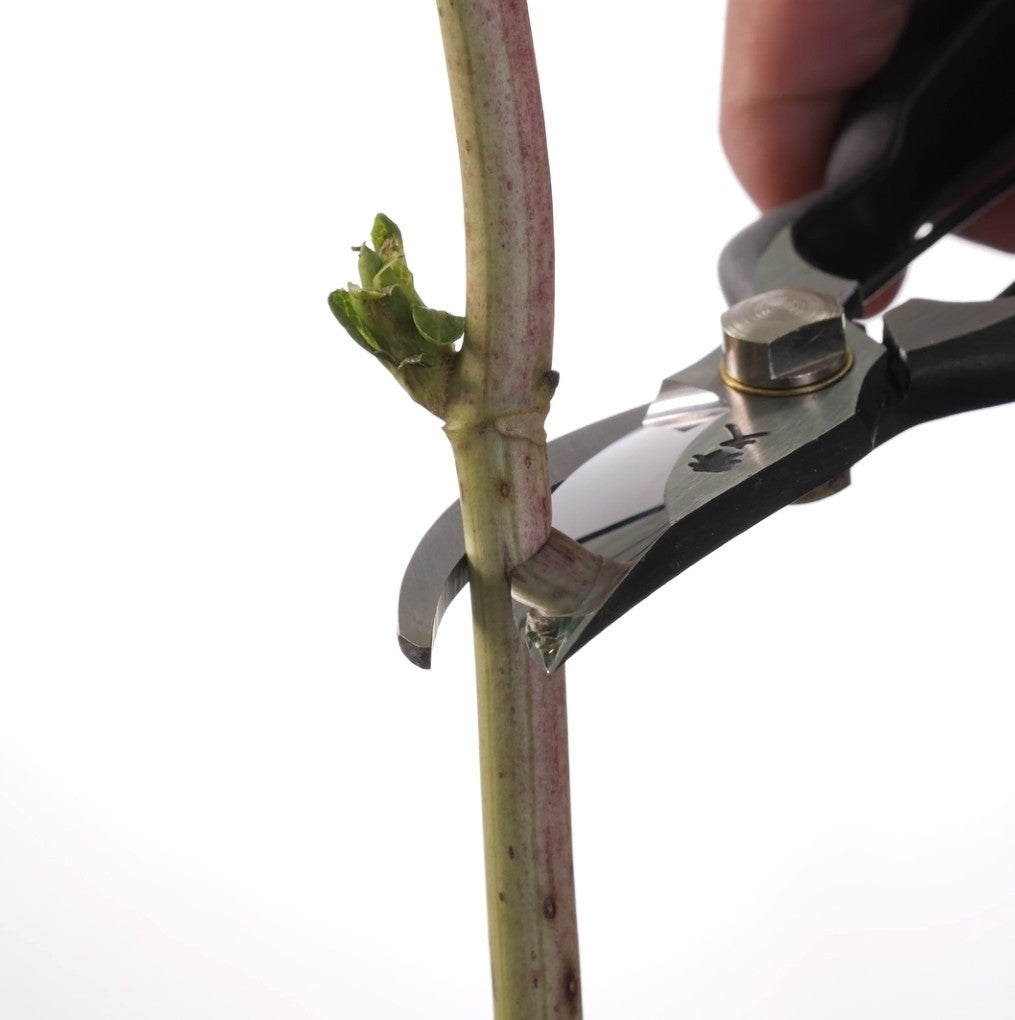
Sharpness Begins with the First Bite
For us, sharpness is about more than a keen edge. What matters most is the moment the blade first meets a branch or stem.
Does it enter cleanly?
Can you cut through without forcing?
Is the cut left smooth and neat?
True sharpness reveals itself in use. That is why we design not only the blade itself, but also its shape and the angle of contact. Every edge is engineered to glide in naturally from the very first touch — biting smoothly, without resistance. That first entry is where control begins and where a satisfying cut is born.
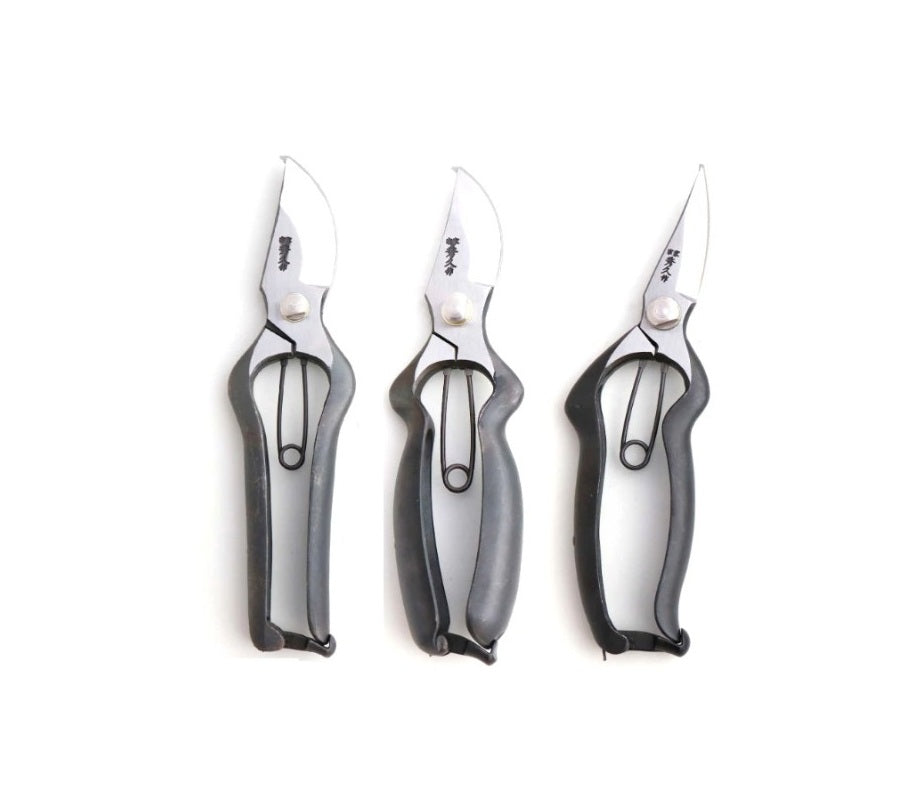
Designed Not Only for the Blade, but for the Hand
A sharp blade alone is not enough. Even the finest shears will tire your hand if the grip feels awkward or the action is stiff.
We think carefully about how force flows through the tool — how it reaches your fingers, and how the opening and closing motion feels over a full day of work. Building on a forged foundation, we layer in modern ergonomic design to create shapes that are easy to hold, easy to aim, and that feel more natural the longer you use them.
The grip is not separate from performance. It is part of how the shears work in your hand.
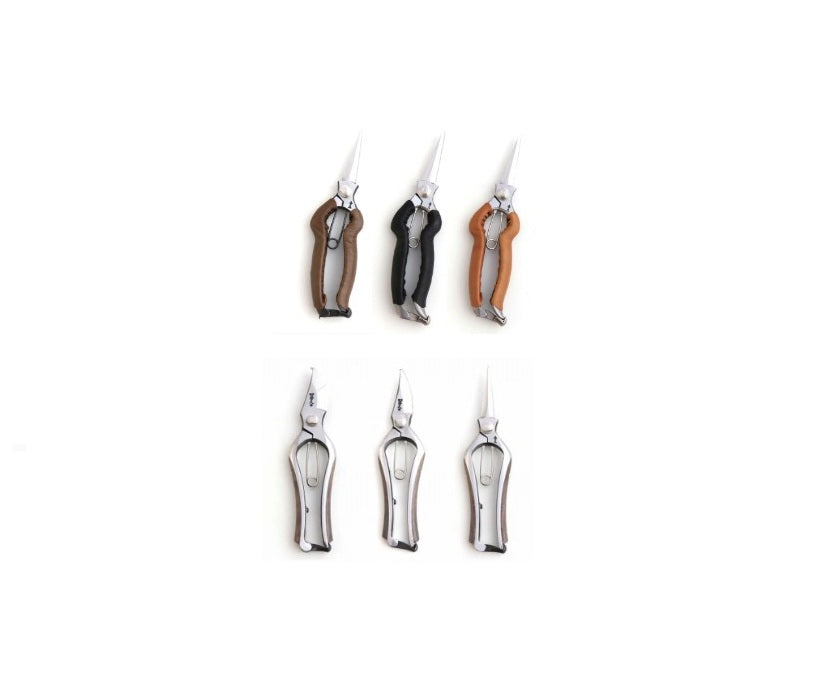
Different Grip Materials, Different Kinds of Comfort
The material around the grip shapes how a pair of shears feels in your hand. A leather-wrapped grip offers a firm, secure hold that softens and molds to your palm over time. A wooden grip brings a gentle warmth and a natural presence you can feel with every cut. These differences go beyond looks — they influence comfort, control, and the character of the tool itself. At Toyama Hamono, we give the feel of the grip the same care we give the edge of the blade.
Made to Be Used, Refined to Last
Our craft is not only about carrying on tradition. It is about making real tools better, every day.
Heat the steel. Shape it with force. Guide it with skilled hands. Finish it into a clean, controlled cut. That same thinking lives in every pair of shears we make — whether pruning shears (secateurs), snips, bonsai scissors, or ikebana shears. The goal is always the same: a tool you can trust from the first cut to the last.
Pick them up and feel the difference.