
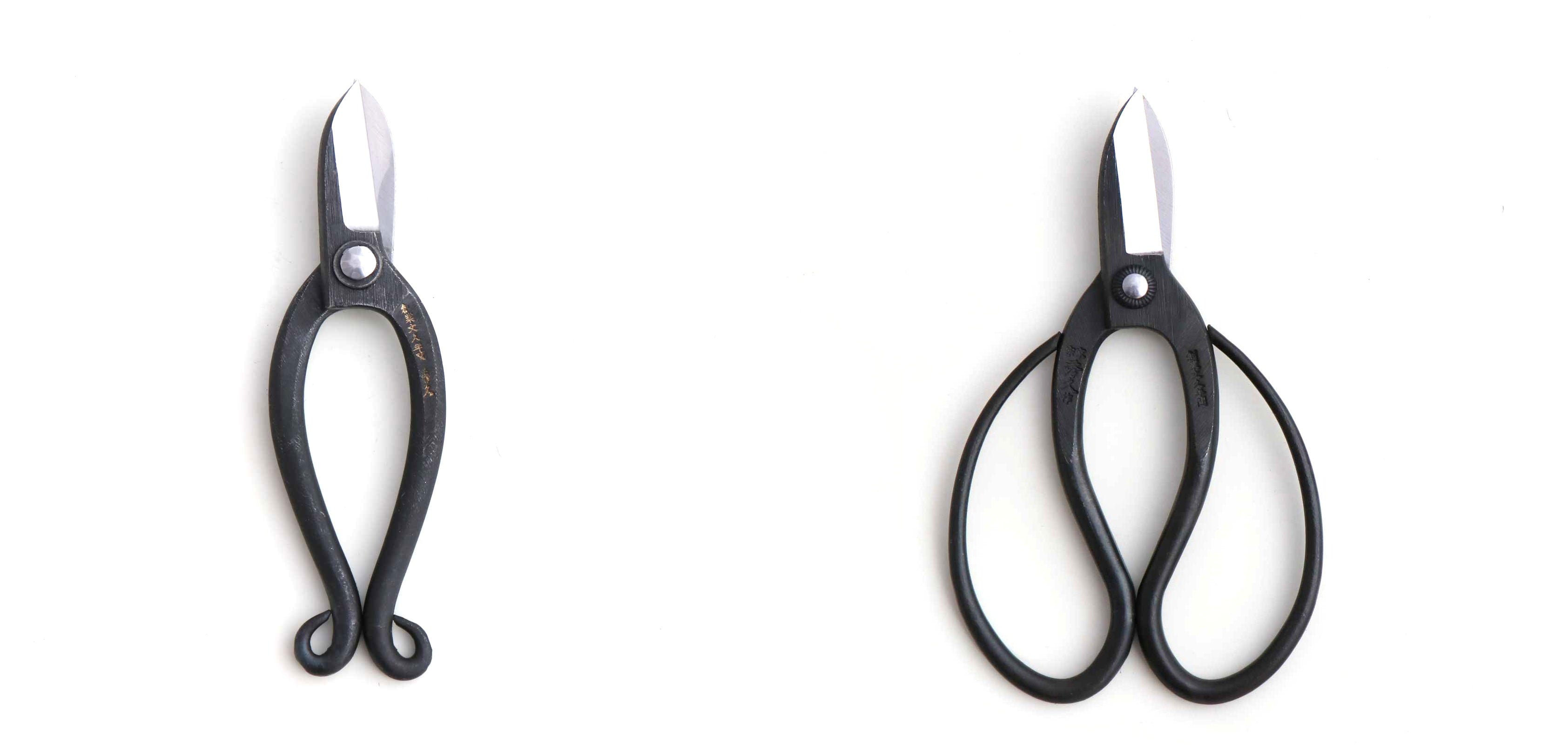
Ikebana Floral Scissors
In ikebana and floral work, the cut matters as much as the arrangement. A clean slice lets the stem absorb water more freely, helping flowers stay fresh longer. A crushed stem cannot — and the bloom fades sooner. Toyama Hamono's ikebana shears are hand-forged with short, sturdy blades designed to slice through stems — not squeeze them.
This guide will help you choose the right pair for your work style, from traditional Warabi-te (fern-shaped) grips to looped-handle designs, in both high-carbon steel and stainless steel.
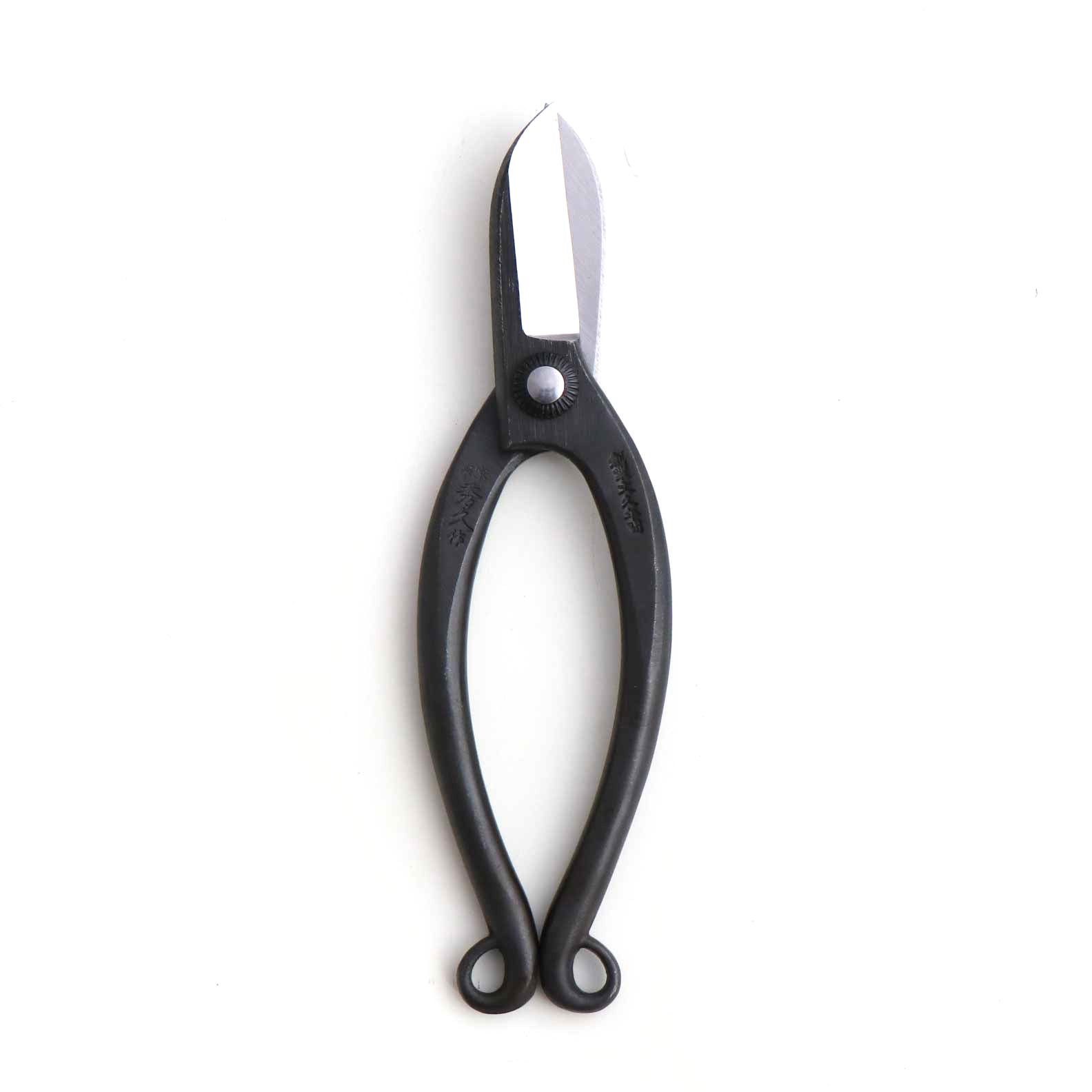
”Warabi-te” Ikebana Shears
Purpose
Designed for ikebana and floral arrangement. The short, sturdy blades slice cleanly through stems — including thicker, woody ones — leaving a smooth cut that helps flowers absorb water and stay fresh longer.
Type
A traditional Japanese floral shear with no spring. You control the blades entirely with your fingers, giving you a direct, precise feel with every cut. This is the classic tool of choice for ikebana practitioners.
Unlike looped-handle shears, the Warabi-te grip does not have finger loops to pull the blades open. Opening the blades requires a slight technique — a gentle outward push with the fingers. It may take a little practice at first, but once you get used to it, the motion becomes natural and effortless.
Material
Available in both high-carbon steel and stainless steel. High-carbon steel offers a finer cutting edge for those who enjoy hands-on maintenance. Stainless steel provides easier day-to-day care with dependable performance.
Grip
The Warabi-te (fern-shaped) grip is the defining feature of these shears. The wide, curved handle loops sit naturally in the palm, distributing pressure evenly and reducing hand fatigue — even when cutting through tough stems during longer sessions. The grip is not just traditional in appearance; it is functional by design.
Size
Toyama Hamono offers Warabi-te shears in several sizes to suit different hand sizes and working styles. Choose a size that feels balanced and comfortable in your hand.
A note for ikebana students
Different ikebana schools may prefer different styles of shears. If you are currently studying ikebana, we recommend checking with your teacher before choosing — they can advise which style best suits your school's practice.
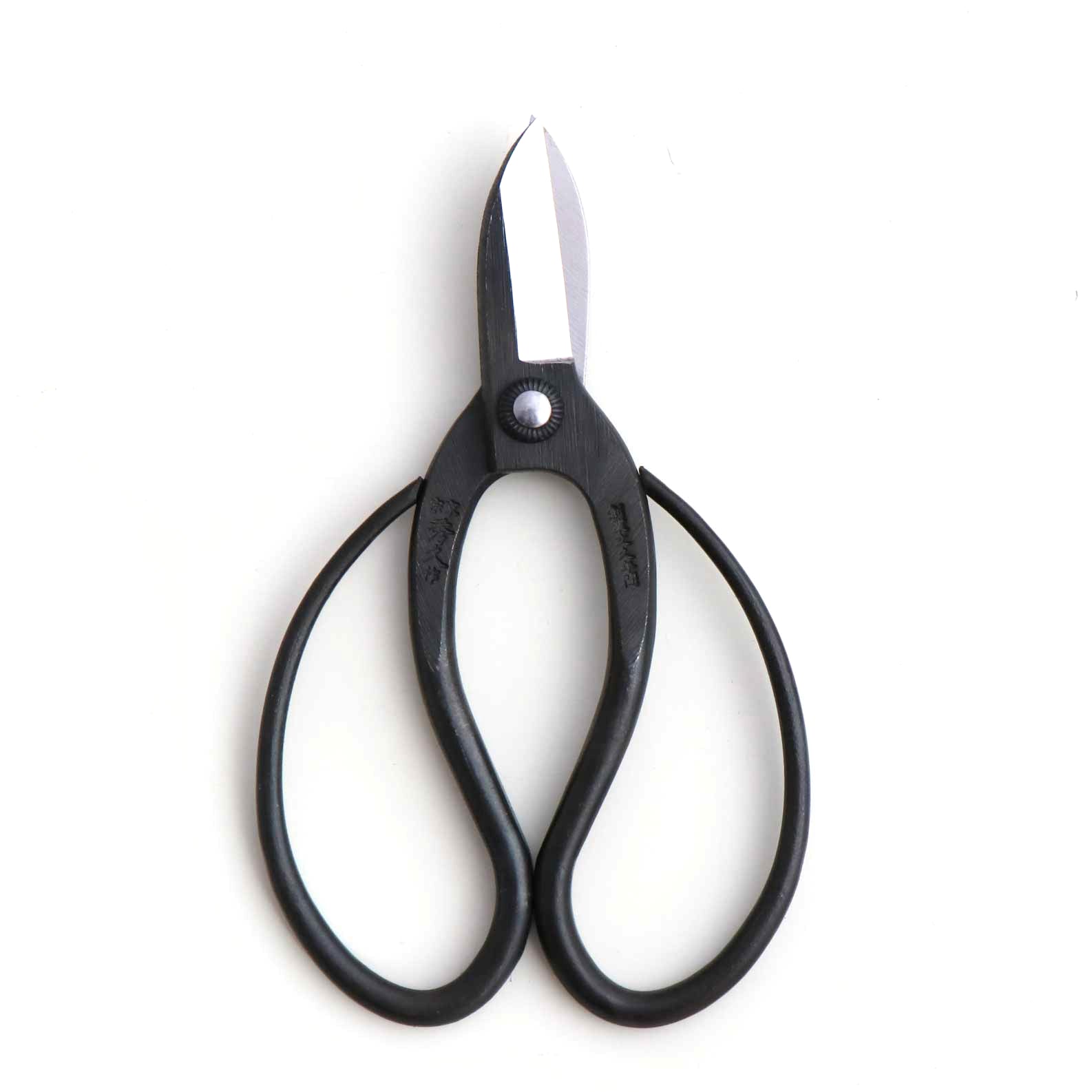
Looped-Handle Ikebana Shears
Purpose
Like Warabi-te shears, looped-handle ikebana shears are designed for ikebana and floral arrangement, delivering clean cuts that help flowers stay fresh longer.
Type
These shears feature finger loops — similar to a pair of scissors — making them intuitive to use right out of the box. There is no special technique needed to open the blades; simply open and close them as you would any scissors. This makes them an excellent choice for beginners or anyone who prefers a familiar feel.
Trade-off
The loops add some weight compared to Warabi-te shears. If you work for long sessions, you may notice the difference. However, the ease of handling often outweighs this for many users.
Material
Available in both high-carbon steel and stainless steel, with the same forged quality as all Toyama Hamono tools.
Grip
The looped handles provide a secure, stable grip and give you clear control over the blades. They are especially comfortable for users who are new to Japanese-style shears.
A note for ikebana students
As with Warabi-te shears, different ikebana schools may prefer different styles. If you are currently studying ikebana, please check with your teacher before choosing.
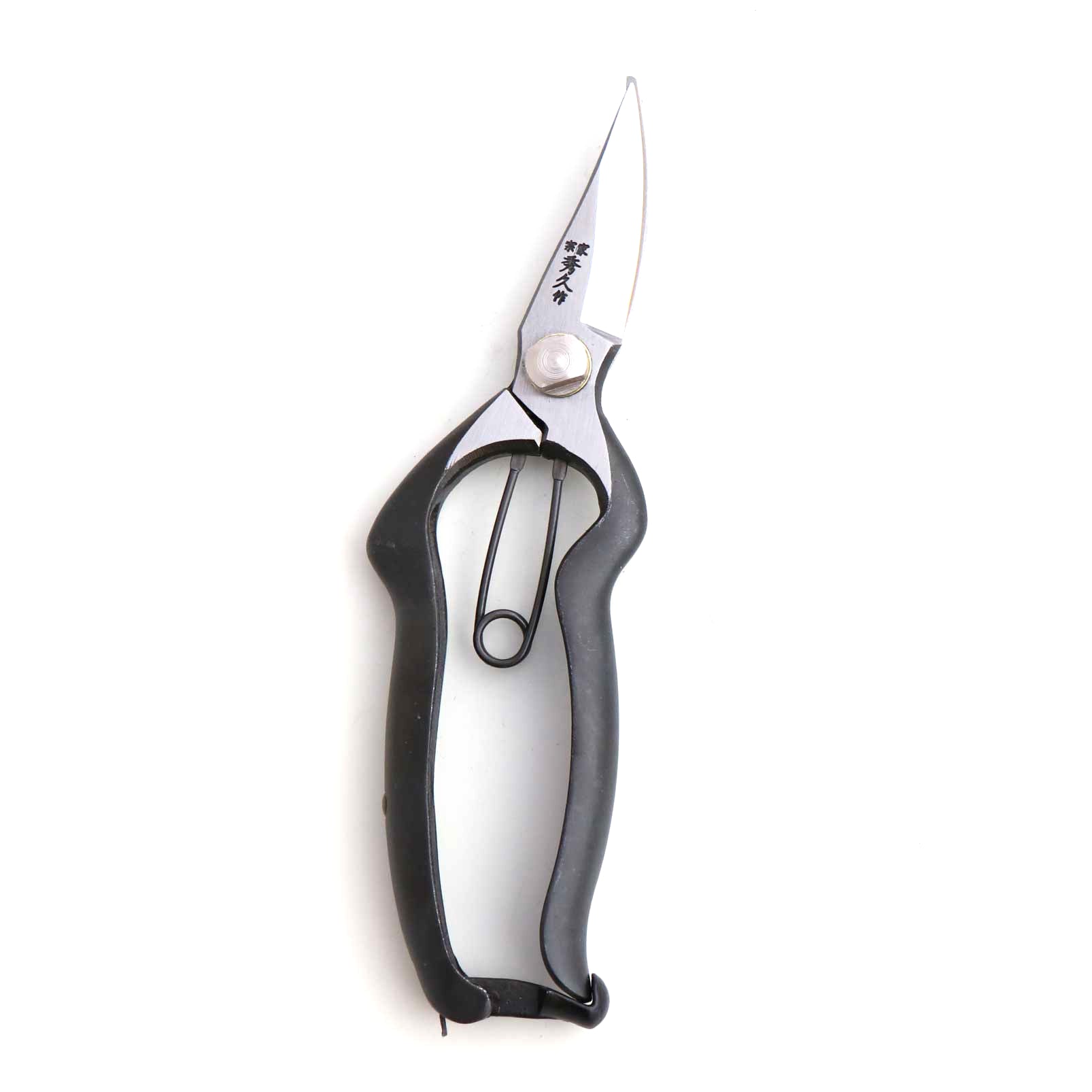
Multi-purpose Pruning Shears
If you are involved in Western-style floral arrangement rather than a specific ikebana school, our multi-purpose pruning shears may be your best match.
Why they work for floral arrangement
Multi-purpose pruning shears combine the sharp, clean cutting ability needed for stems with the strength to handle thicker branches — something that traditional ikebana shears are not always designed for. Whether you are trimming delicate flower stems or cutting through woody branches for a large arrangement, one tool covers it all.
Ease of use
These are spring-loaded shears with a familiar bypass design, so there is no learning curve. The spring opens the blades for you after each cut, keeping your hand relaxed during longer arranging sessions.
Grip options
Toyama Hamono offers multi-purpose pruning shears in a variety of grip styles — symmetrical, ergonomic, and leather-wrapped — so you can choose the one that feels most comfortable in your hand.
Material
Available in both high-carbon steel and stainless steel, hand-forged using the same traditional techniques as all our tools.
For florists and arrangers who need one reliable, versatile tool rather than a specialized shear for a single task, multi-purpose pruning shears are an excellent starting point.
Steel Choice: High-Carbon vs Stainless
All Toyama Hamono shears are hand-forged in Sanjo, Niigata—a region with over 700 years of blade-making tradition. The choice of steel affects sharpness, longevity, and how you care for the tool.
High-Carbon Steel
Harder steel that holds a keener edge. Once sharpened it stays sharp longer during heavy use. Requires a light coat of oil after use to prevent rust. Preferred by professional gardeners who sharpen regularly.
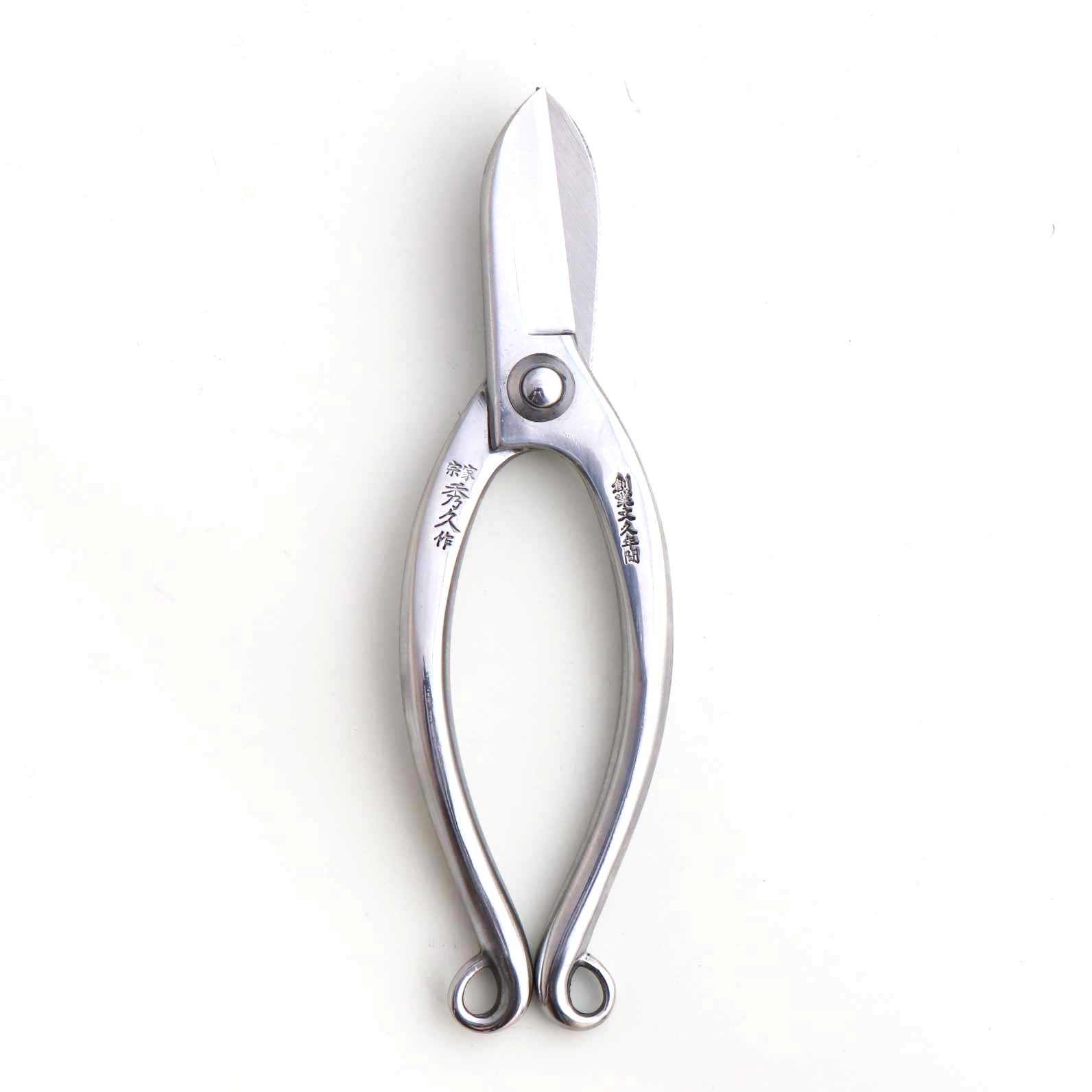
Stainless Steel
Rust-resistant by nature. The ideal choice for wet environments—cutting under running water for ikebana, working in rain, or any situation where thorough drying isn't practical. Slightly softer than carbon steel, so edges may need more frequent maintenance.
FAQs
What's the difference between Warabi-te and looped-handle ikebana shears?
Warabi-te (fern-shaped) shears have wide, curved handles with no finger loops. They are lighter and offer a traditional feel, but require a slight technique to open the blades. Looped-handle shears work like familiar scissors — easy to use right away, though slightly heavier due to the loops. Both deliver the same clean, precise cuts.
I'm new to ikebana — which style should I start with?
If ease of use is your priority, looped-handle shears are the most intuitive choice. If you prefer a lighter tool and don't mind a short learning curve, Warabi-te shears are worth trying. That said, different ikebana schools often prefer different styles, so if you are currently studying, we recommend checking with your teacher first.
I do Western-style floral arrangement, not ikebana. Which shears do you recommend?
We recommend our multi-purpose pruning shears. They combine the sharpness needed for clean stem cuts with the strength to handle thicker branches — all in one tool. The spring-loaded design requires no special technique and keeps your hand comfortable during longer sessions.
Why does a clean cut matter for flowers?
A cleanly sliced stem can absorb water freely, which helps the flower stay fresh longer. A crushed or torn stem cannot take in water as effectively, causing the bloom to fade sooner. This is why choosing a sharp, well-forged shear makes a real difference in floral work.
Can I use ikebana shears for general gardening?
Ikebana shears are optimized for cutting stems and light branches, and they can certainly handle light gardening tasks. However, for thicker branches or heavier pruning, we recommend using pruning shears or multi-purpose pruning shears instead.
How thick a stem can ikebana shears cut?
It depends on the model and where along the blade you cut. As a general guide for live, green wood:
T8 Series / T10 Series / TH3PG (Ikebana Shears)
T19 Series / T26 Series (Multi-Purpose Pruning Shears)
- Near the tip of the blade: up to 5 mm
- Near the base of the blade: up to 10 mm
T8 Jr. Size Series
- Near the tip of the blade: up to 4 mm
- Near the base of the blade: up to 8 mm
These figures are for live wood only — dead or dried stems are harder and may chip the blade. Never force the cut if the stem feels too tough. For exact specifications, please check the product details for each model.
Should I choose high-carbon steel or stainless steel?
High-carbon steel holds a finer edge and is favored for its superior cutting feel, but requires regular care to prevent rust. Stainless steel is more resistant to rust and easier to maintain — a practical choice for everyday use. Both are hand-forged with the same craftsmanship. For more detail, see our High-Carbon vs. Stainless Steel guide.
How do I care for my ikebana shears?
Wipe the blades clean and dry after each use, and apply oil regularly. With proper care, your shears will maintain their sharpness and serve you for years. For full instructions, visit our How to Care page.
The Forged Edge Blog
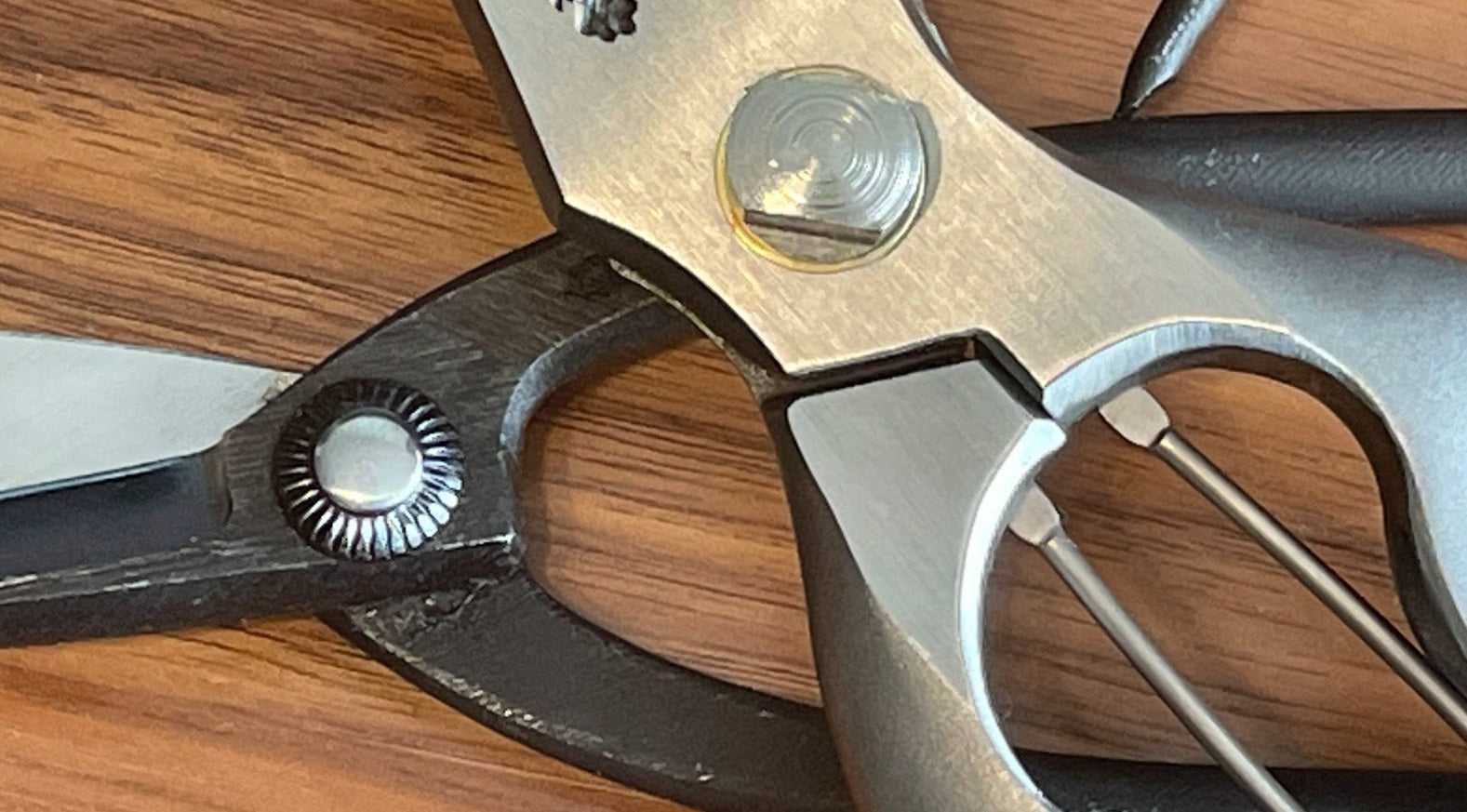
How to Adjust the Pivot on Japanese Garden Shears
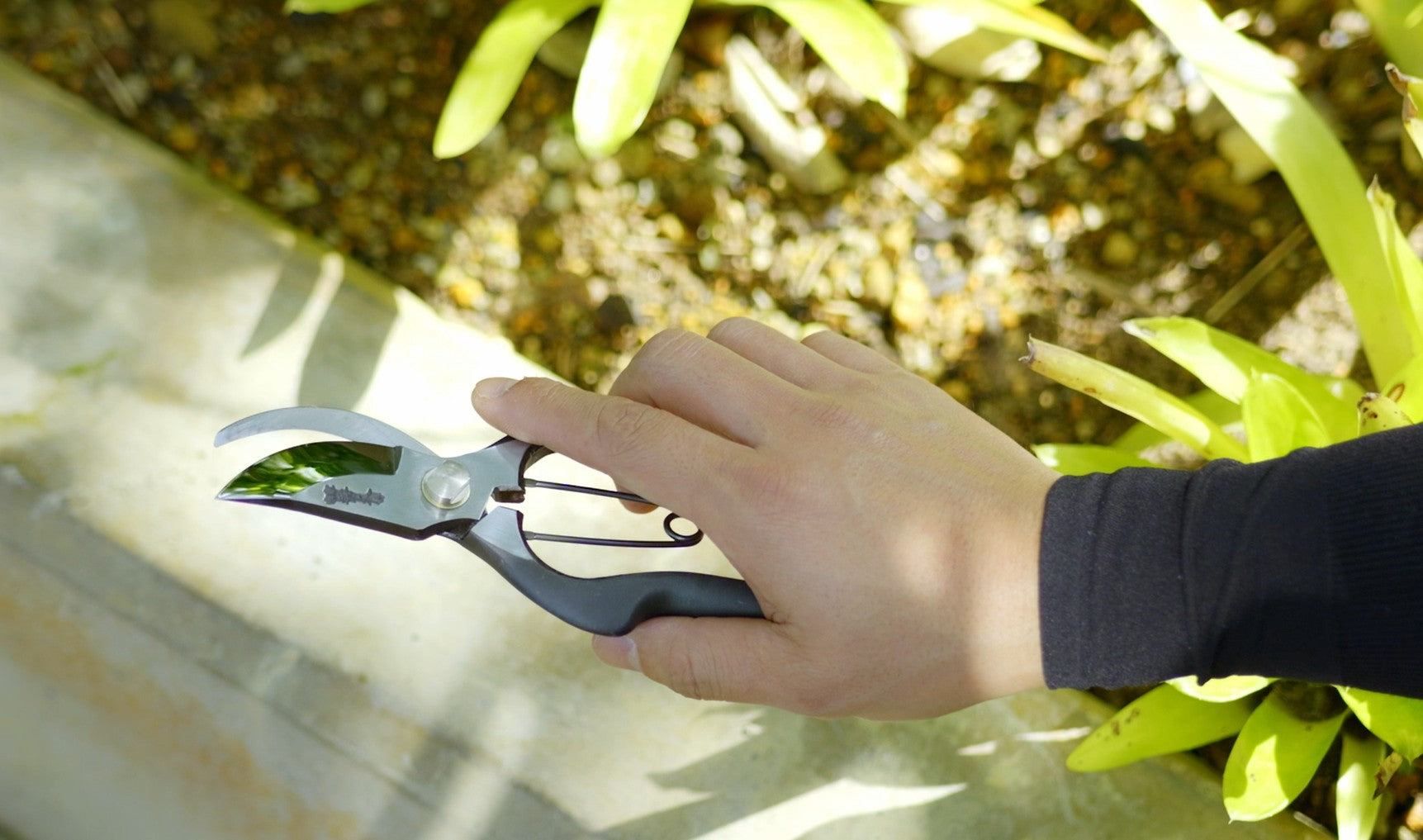
Why We Rethought the Pruning Shear Handle
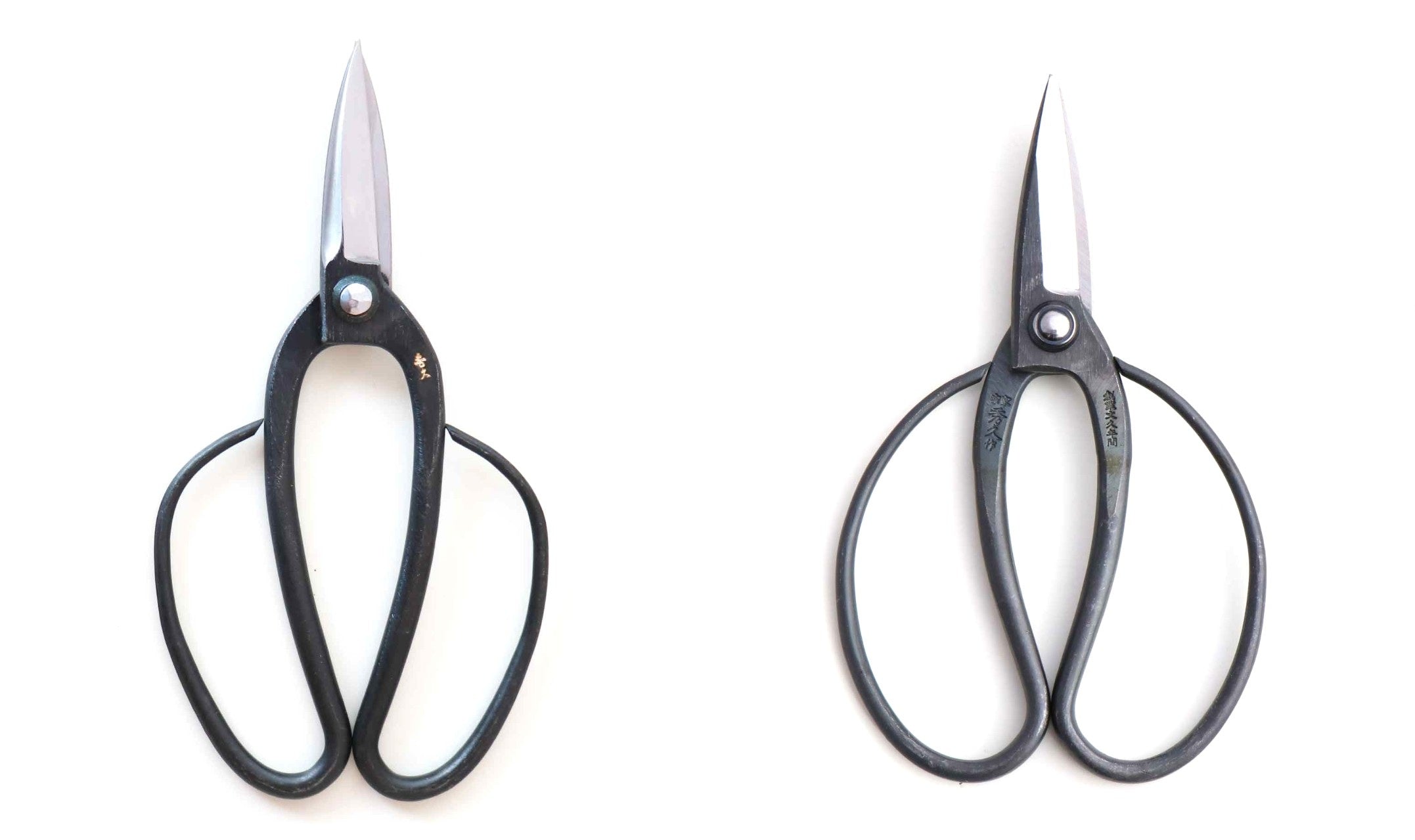
Japanese Garden Shear Types: Okubo, Type A & Type B
