
Snips
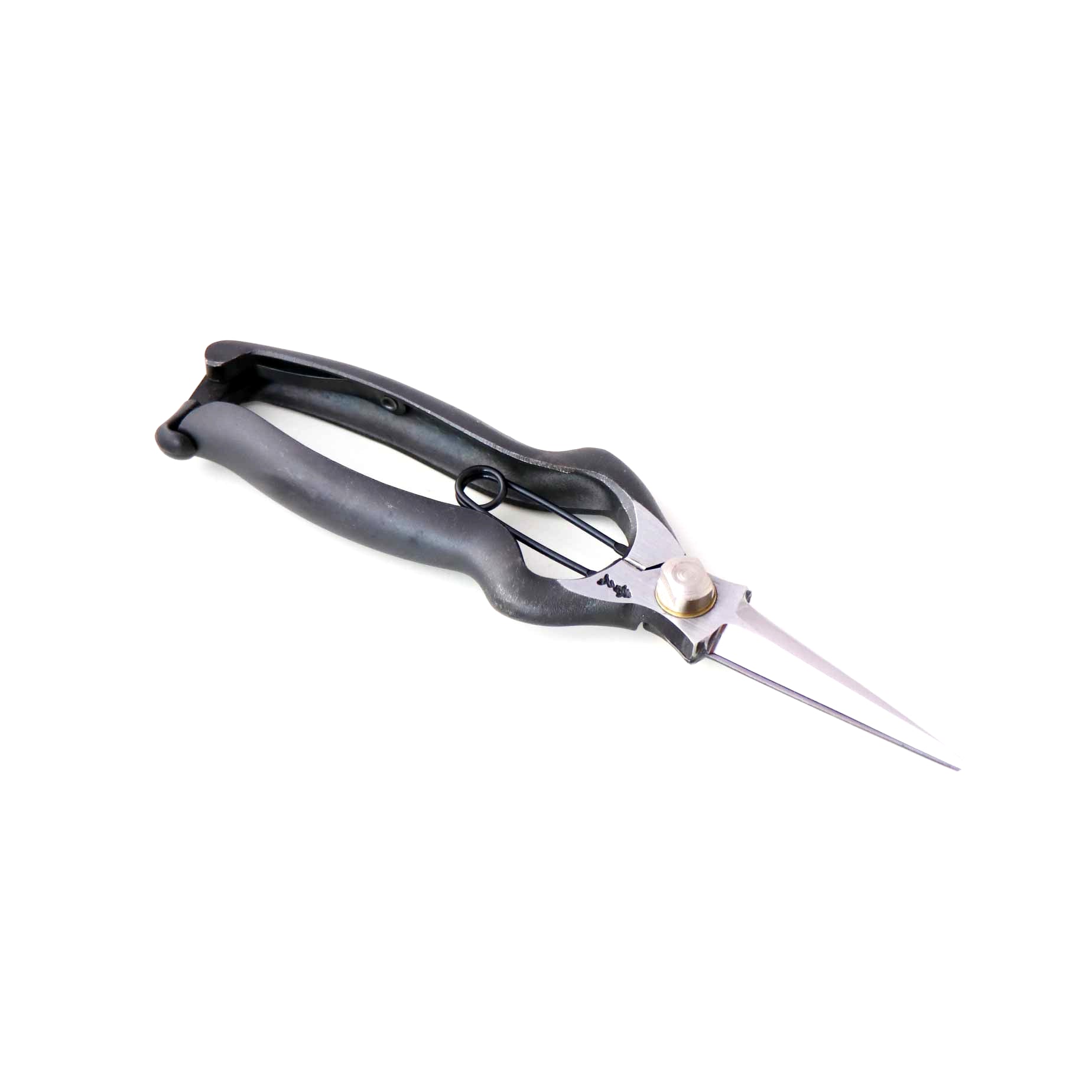
Snips are compact precision shears designed for fine stems, buds, shoots, and small branches rather than thick woody pruning. This category includes spring-loaded straight-blade snips for quick, repeated trimming, as well as traditional Japanese bud-cutting scissors—such as satsuki shears and koeda-kiri shears—for delicate pruning and detailed branch work.
Compared with pruning shears, snips prioritize reach, visibility, and fine control over cutting power, making them useful for flower harvesting, deadheading, thinning, bonsai care, and careful maintenance of smaller plants.
Two Types of Snips

Spring-Loaded Snips
The classic everyday snip for fine garden work. Designed for clean, precise cuts on soft stems, buds, shoots, and small branches up to about 10 mm, it is spring-loaded for comfortable repeat trimming. Available in high-carbon steel and stainless steel, with slim straight blades that make it easy to reach into tight spaces and see exactly where you are cutting.
Traditional Japanese Snips
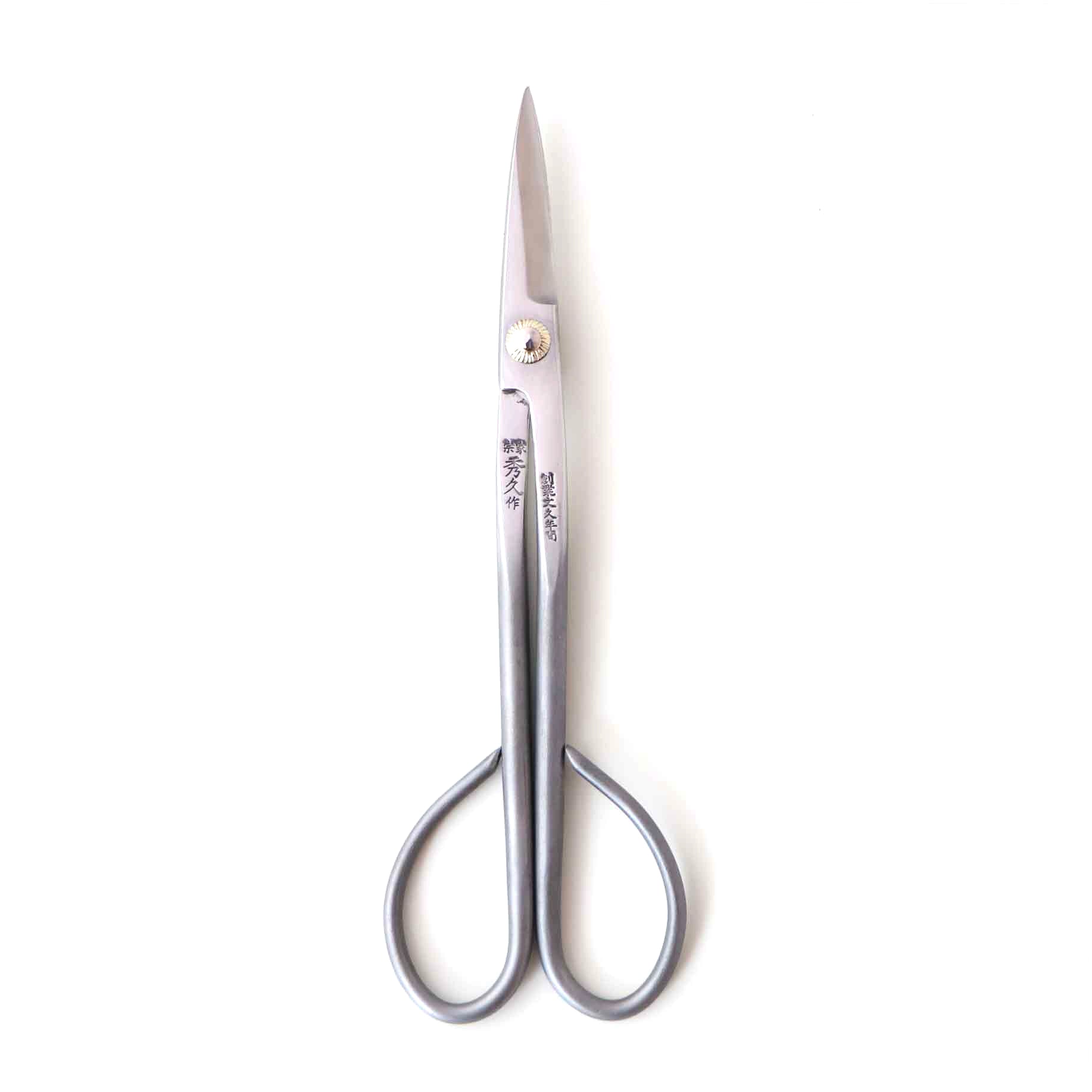
Traditional Japanese snips, such as satsuki shears and koeda-kiri shears, are compact scissors designed for delicate trimming, bud cutting, and detailed branch work. Unlike spring-loaded snips, they use a simple scissor-style action that gives the user direct control over each cut. Their slim blades make it easier to reach into dense growth and trim buds, shoots, leaves, and fine branches with precision.
Steel Choice: High-Carbon vs Stainless
All Toyama Hamono shears are hand-forged in Sanjo, Niigata—a region with over 700 years of blade-making tradition. The choice of steel affects sharpness, longevity, and how you care for the tool.
High-Carbon Steel
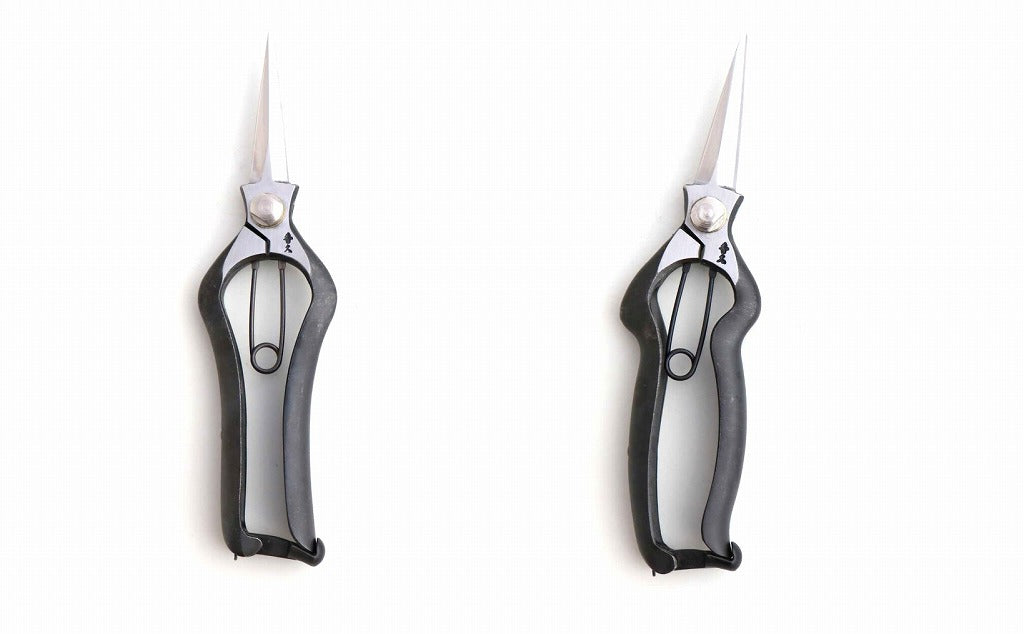
Harder steel that holds a keener edge. Once sharpened it stays sharp longer during heavy use. Requires a light coat of oil after use to prevent rust. Preferred by professional gardeners who sharpen regularly.
Stainless Steel
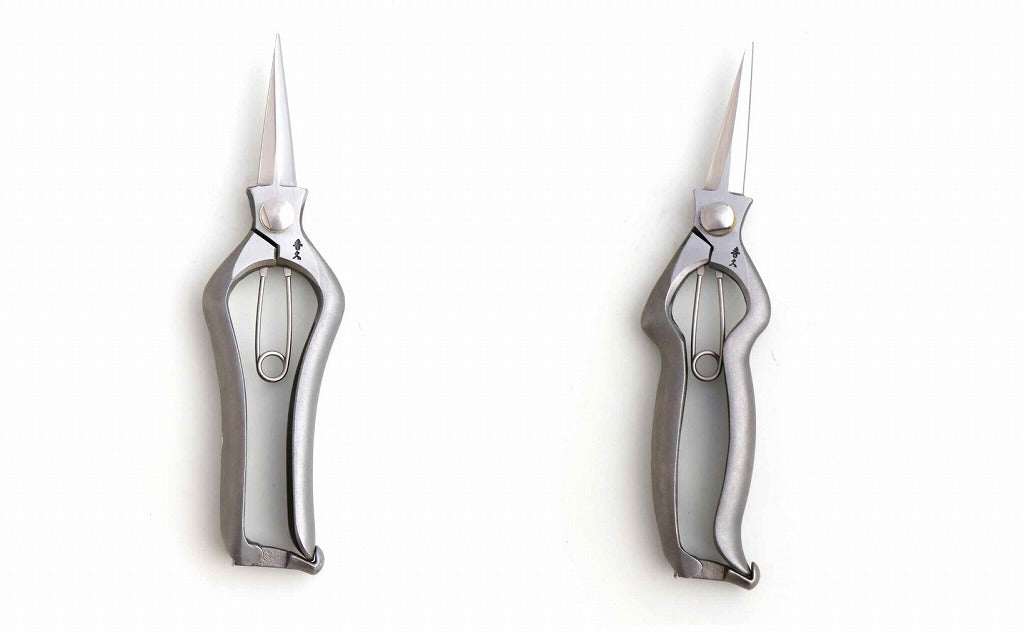
Rust-resistant by nature. The ideal choice for wet environments—cutting under running water for ikebana, working in rain, or any situation where thorough drying isn't practical. Slightly softer than carbon steel, so edges may need more frequent maintenance.
Grip Choice: Choose the Shape That Fits Your Hand
A good blade matters, but so does the shape of the grip. Toyama Hamono offers three grip shapes for its pruning shears, allowing you to choose the balance of comfort, control, and cutting force that best fits your hand and working style.
Standard Grip
A neutral, classic grip shape with a straight, balanced feel in the hand. This shape is suited to users who prefer a traditional snip feel and more freedom in how they hold the tool, rather than a strongly contoured grip that guides the hand into one position. Representative models include T17 and T517. Wood-grip models such as T103 and T108 also feature symmetrical grip shapes.
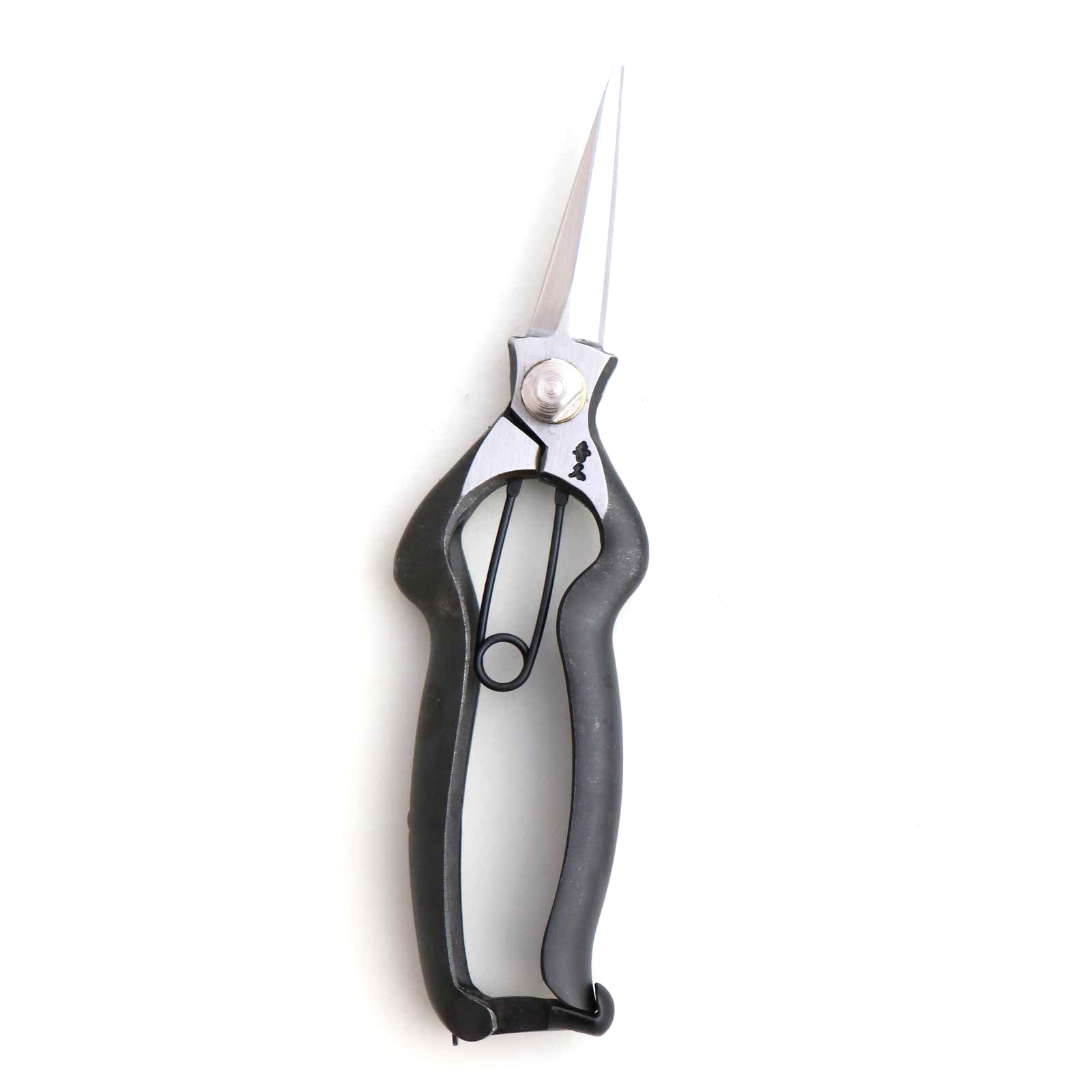
Asymmetrical Ergonomic
The most guided and power-oriented grip shape in the snip lineup. It is designed to help the hand apply force more naturally and to reduce fatigue over repeated cuts. Representative models include T27 and T527.
Leather Wraps and Wood Grips
Several models feature optional handle coverings that improve comfort and appearance. All coverings are applied over the forged steel grip—they do not replace it.
Metal
A clean, uncontoured handle closer to traditional Japanese garden shear proportions. Preferred by users who want a neutral grip that adapts to varied cutting angles.
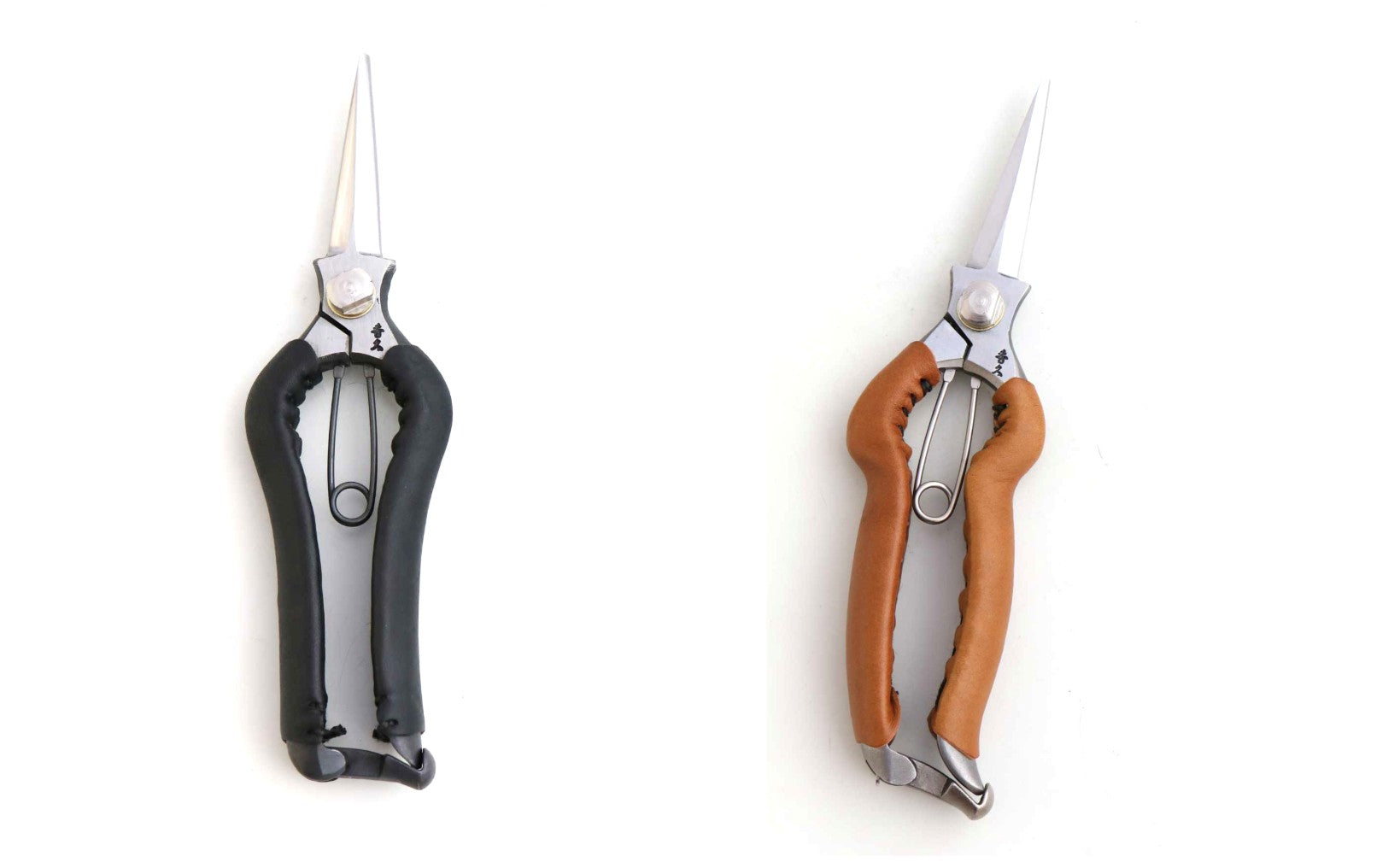
Leather
Identical upper and lower handles. Comfortable for right- or left-handed users. Often paired with the multi-purpose blade for floral and light garden work.
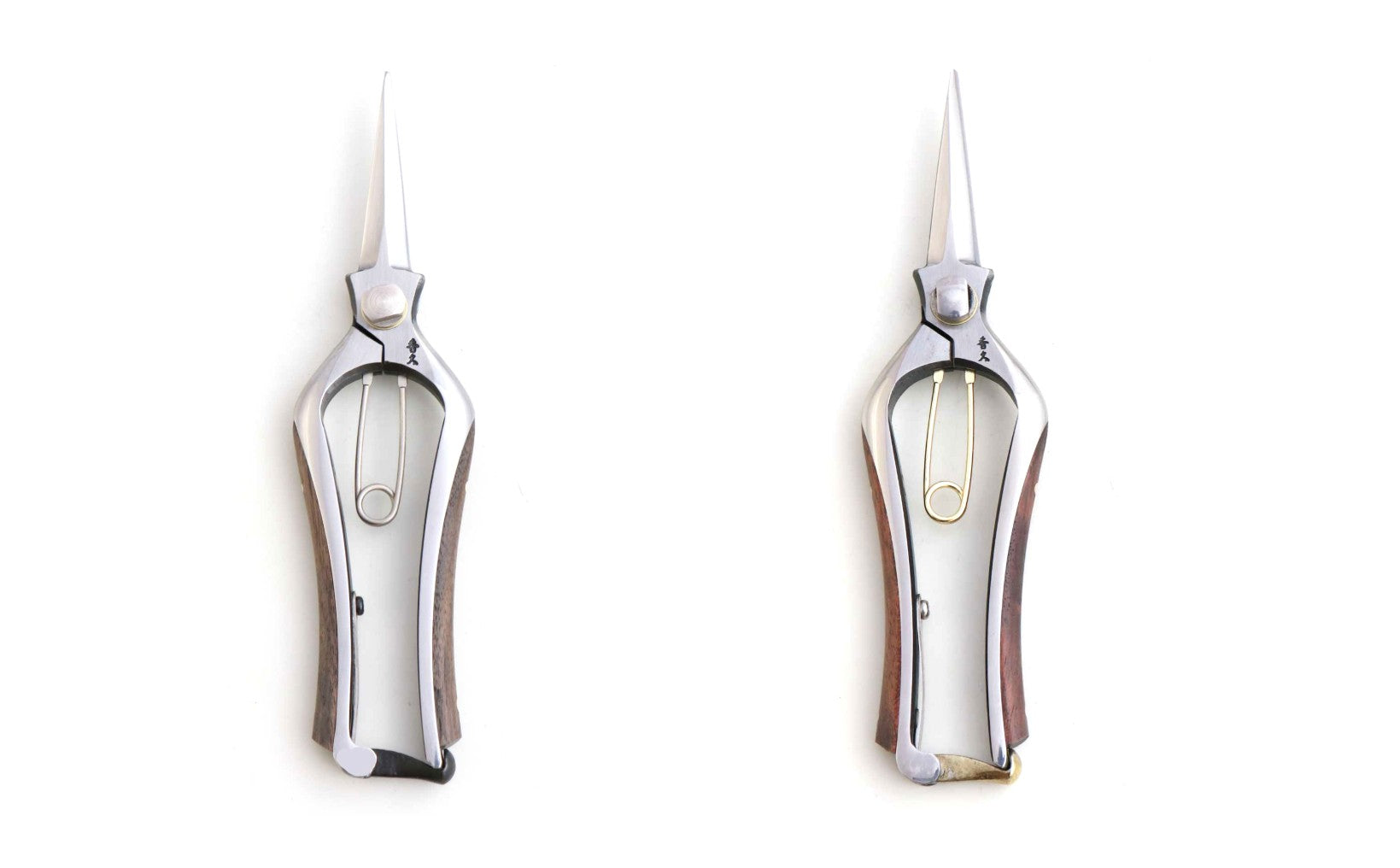
Wood
Rust-resistant by nature. The ideal choice for wet environments—cutting under running water for ikebana, working in rain, or any situation where thorough drying isn't practical. Slightly softer than carbon steel, so edges may need more frequent maintenance.
FAQs
What are snips used for?
Snips are designed for delicate tasks — picking flowers, harvesting herbs, trimming thin stems, and tending to bonsai. They're the right tool whenever precision and a gentle touch matter more than cutting power.
What's the difference between snips and pruning shears?
Pruning shears are larger and built for cutting thicker branches. Snips are lighter, more compact, and made for finer work. Think of pruning shears as your go-to for heavier jobs, and snips as your tool for detailed, close-up tasks.
Can I use snips instead of pruning shears?
For thin stems and soft growth, absolutely. But snips aren't designed for thicker branches — forcing them can damage both the tool and the plant. It's best to use each tool for what it's made for.
If you need a tool that handles both detailed work and thicker branches, we recommend our multi-purpose pruning shears.
How thick a stem can snips cut?
As a general guide for live, green wood:
Snips (such as the T17), Koedakiri scissors (T4-4, T4-6)
- Near the tip of the blade: up to 3 mm
- Near the base of the blade: up to 8 mm
Satsuki scissors (TH10, TH11 Series)
- Near the tip of the blade: up to 3 mm
- Near the base of the blade: up to 5 mm
These figures are for live wood only — dead or dried branches are much harder and may chip or crack the blade. Never force the tool through material that feels too thick or too tough. For exact specifications, please check the product details for each model.
Should I choose high-carbon steel or stainless steel?
All Toyama Hamono snips are forged using traditional Japanese blacksmithing techniques, and both materials produce an exceptionally sharp blade. The difference comes down to maintenance and preference.
- High-carbon steel holds a finer edge and is favored by professionals for its superior cutting feel. However, it requires more care — it can rust if not dried and oiled regularly.
- Stainless steel is more resistant to rust and easier to maintain, making it a practical choice for everyday use or humid environments.
If you don't mind a little extra upkeep, high-carbon steel rewards you with outstanding sharpness. If low maintenance is a priority, stainless steel is the way to go.
How do I care for my snips?
Regular care is essential to keep your snips performing at their best. Wipe the blades clean after each use, keep them dry, and oil them periodically. For full care instructions, visit our How to Care page.
Toyama Hamono offers both types, each crafted with the same forging tradition rooted in Japanese swordsmithing.
- Western-style snips feature a spring-loaded mechanism that opens the blades automatically after each cut. This makes them comfortable for repetitive tasks — ideal for harvesting herbs, deadheading flowers, or extended trimming sessions.
- Japanese-style snips have no spring. They resemble a pair of slender scissors with long, narrow handles. They're lightweight and let you cut at various angles with a simple flick of the wrist, offering excellent maneuverability in tight spaces or when working with delicate plants.
Which style should I choose?
It comes down to how you like to work.
- Choose Western-style if you value ease and comfort during longer, repetitive tasks — the spring does the work of reopening the blades for you.
- Choose Japanese-style if you prefer a lighter tool with greater freedom of movement. The springless design lets you adjust your grip and angle naturally, making it a favorite for detailed, careful work.
Both styles are forged by Toyama Hamono's craftsmen using traditional techniques passed down from Japanese swordsmiths — so whichever you choose, the quality of the blade is the same.
The Forged Edge Blog
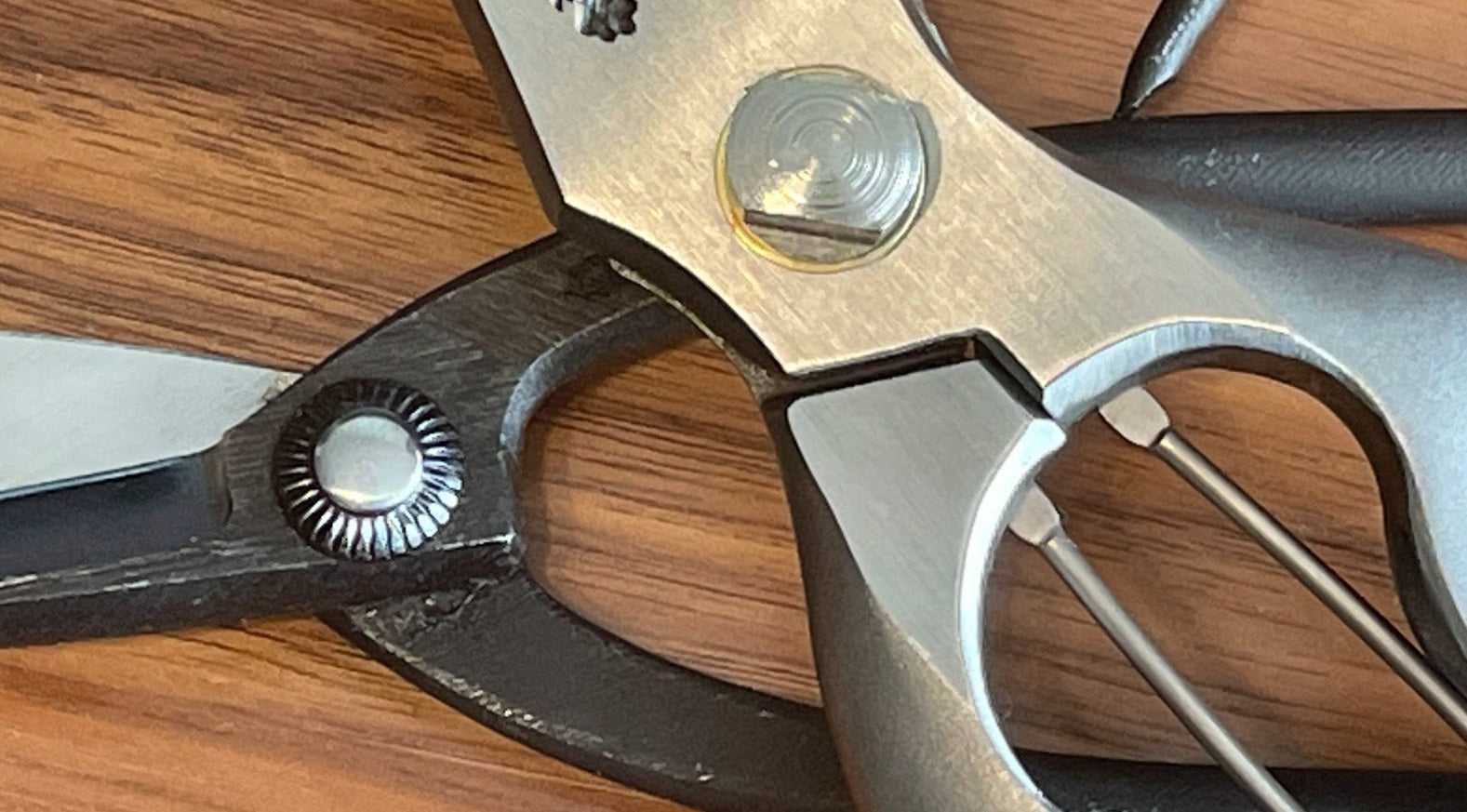
How to Adjust the Pivot on Japanese Garden Shears
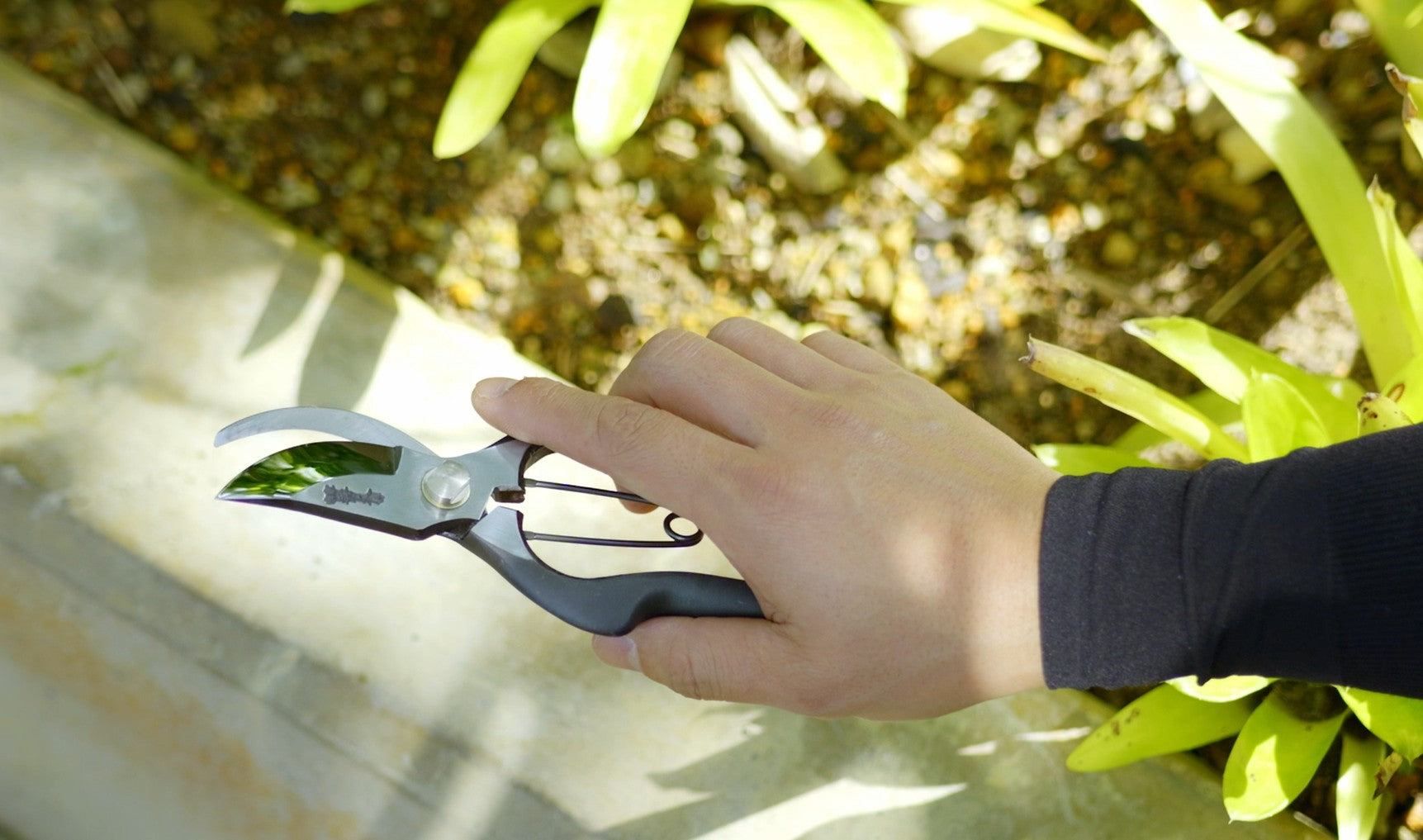
Why We Rethought the Pruning Shear Handle
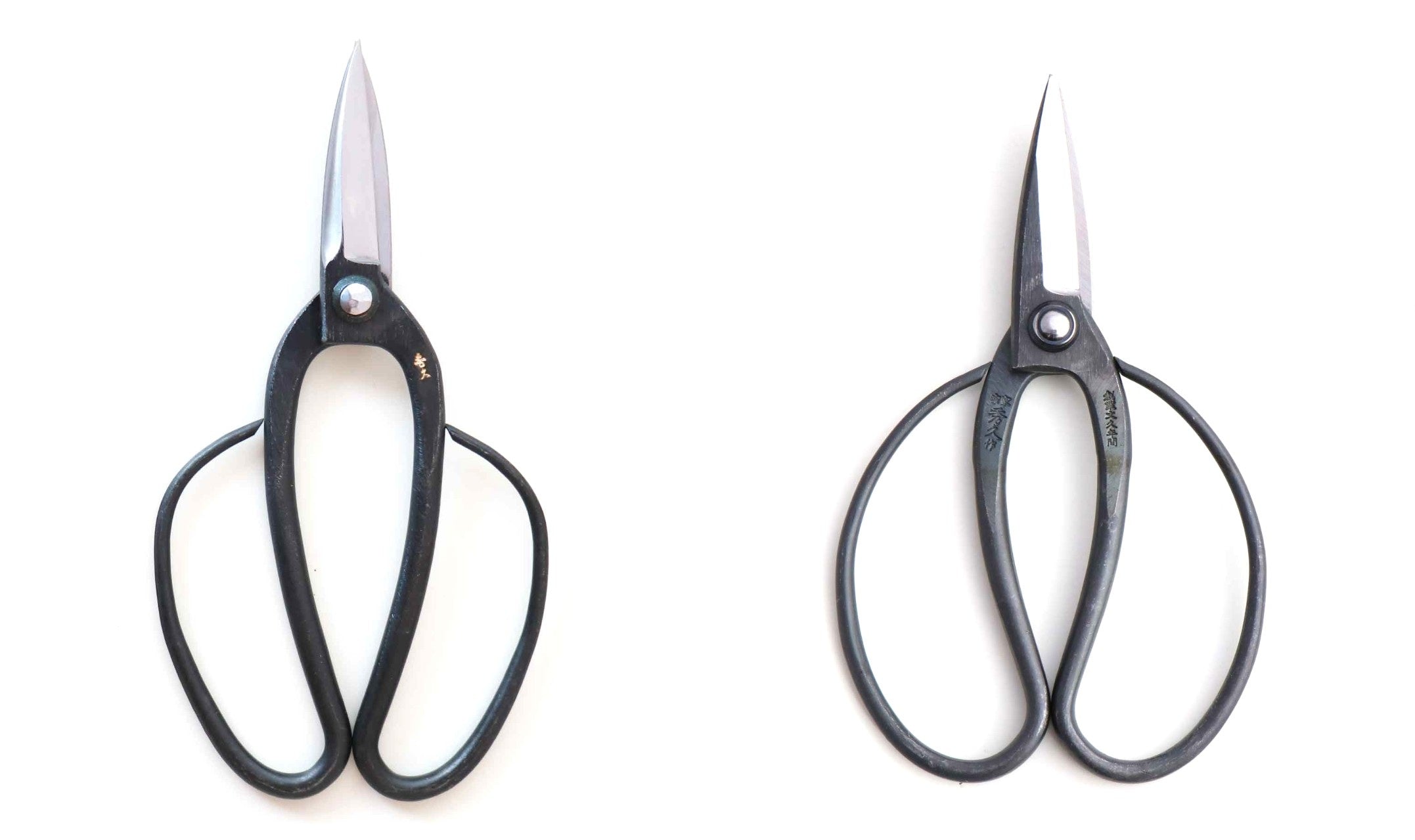
Japanese Garden Shear Types: Okubo, Type A & Type B
