
When choosing pruning shears (secateurs), most people start with size, weight, and grip comfort. Those things matter.
But there is another factor that has a major effect on how a pair of shears feels in use: blade material. The two options most often compared are high-carbon steel and stainless steel.
To put it simply, high-carbon steel is a strong choice if you care most about sharpness and ease of resharpening, while stainless steel is often the better fit if you care most about rust resistance and everyday ease of use.
We do not think of these two materials in terms of better and worse. We see them as two different answers for two different ways of using a tool.
That is why we make both.
Some gardeners enjoy maintaining an edge, resharpening over time, and building a long relationship with a tool. Others want a tool they can reach for easily, use often, and care for with less effort. At Toyama Hamono, we want to serve both.
Why We Offer Both Materials in Similar Shapes

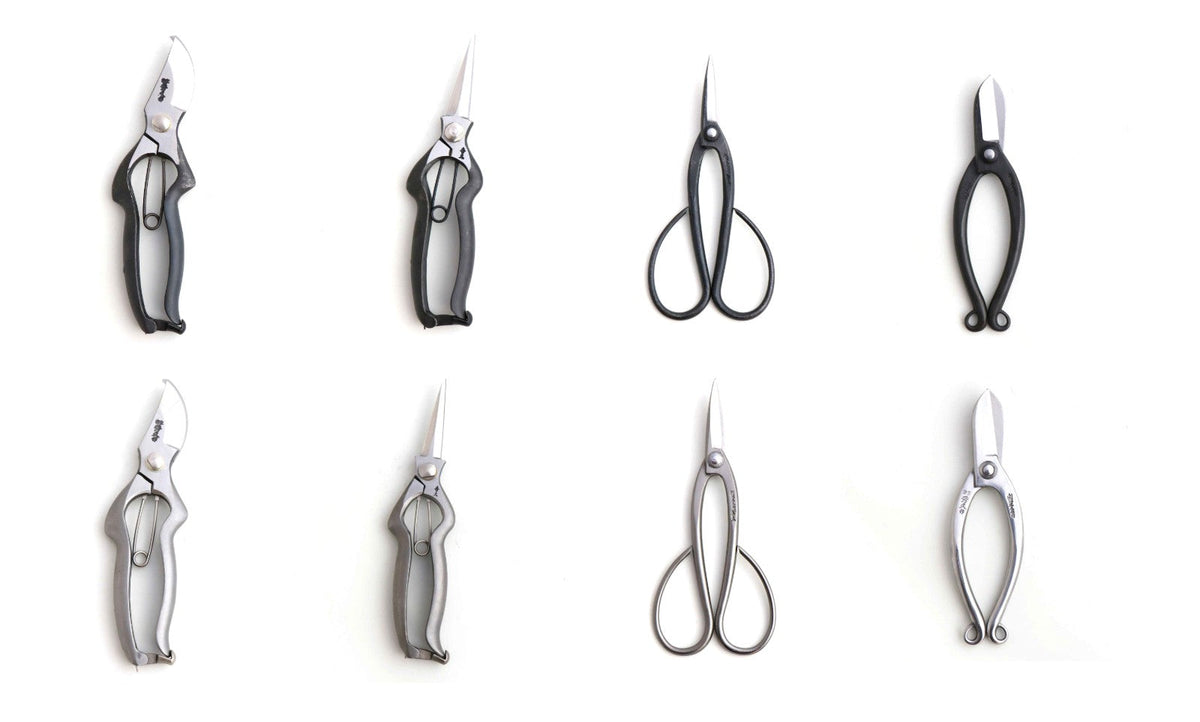
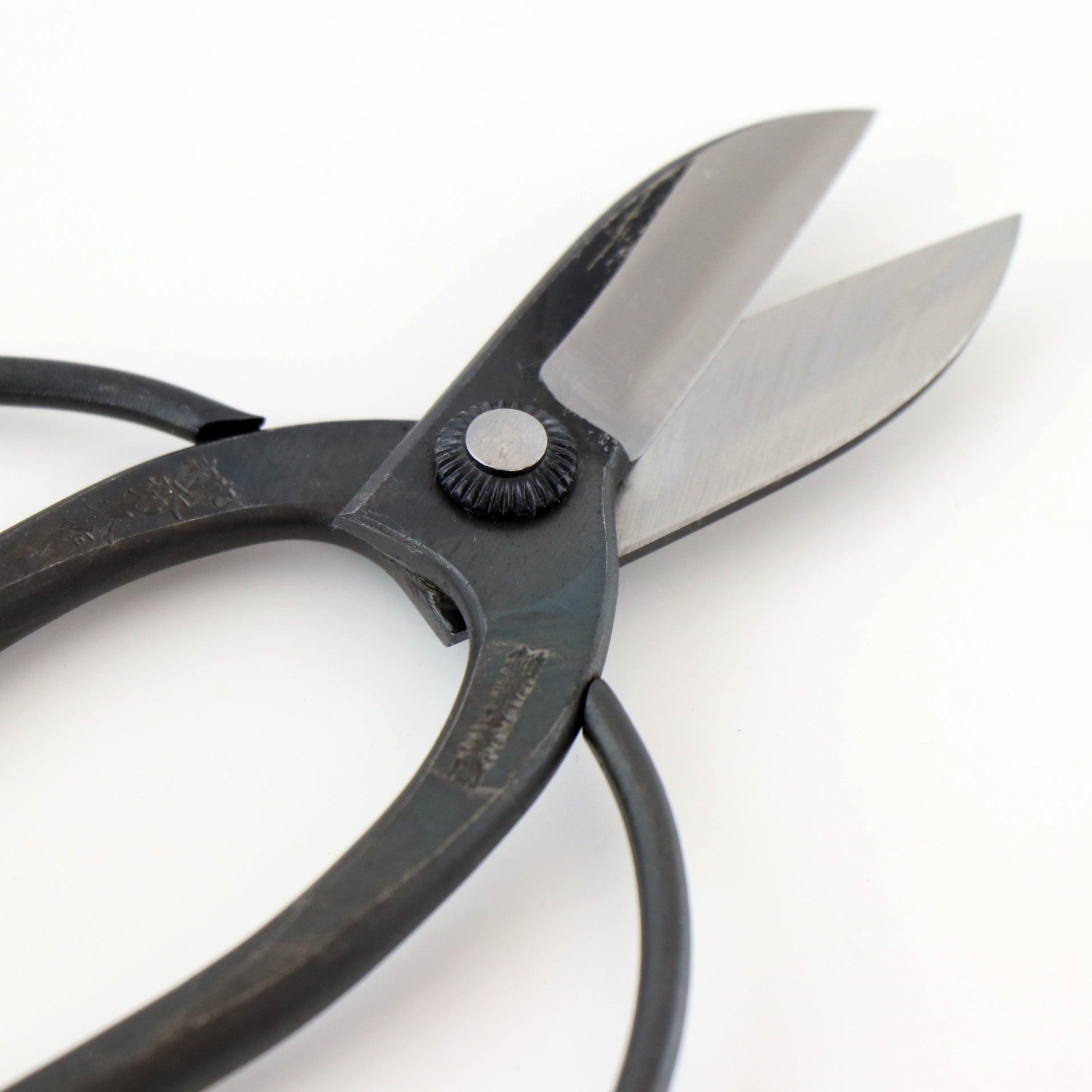
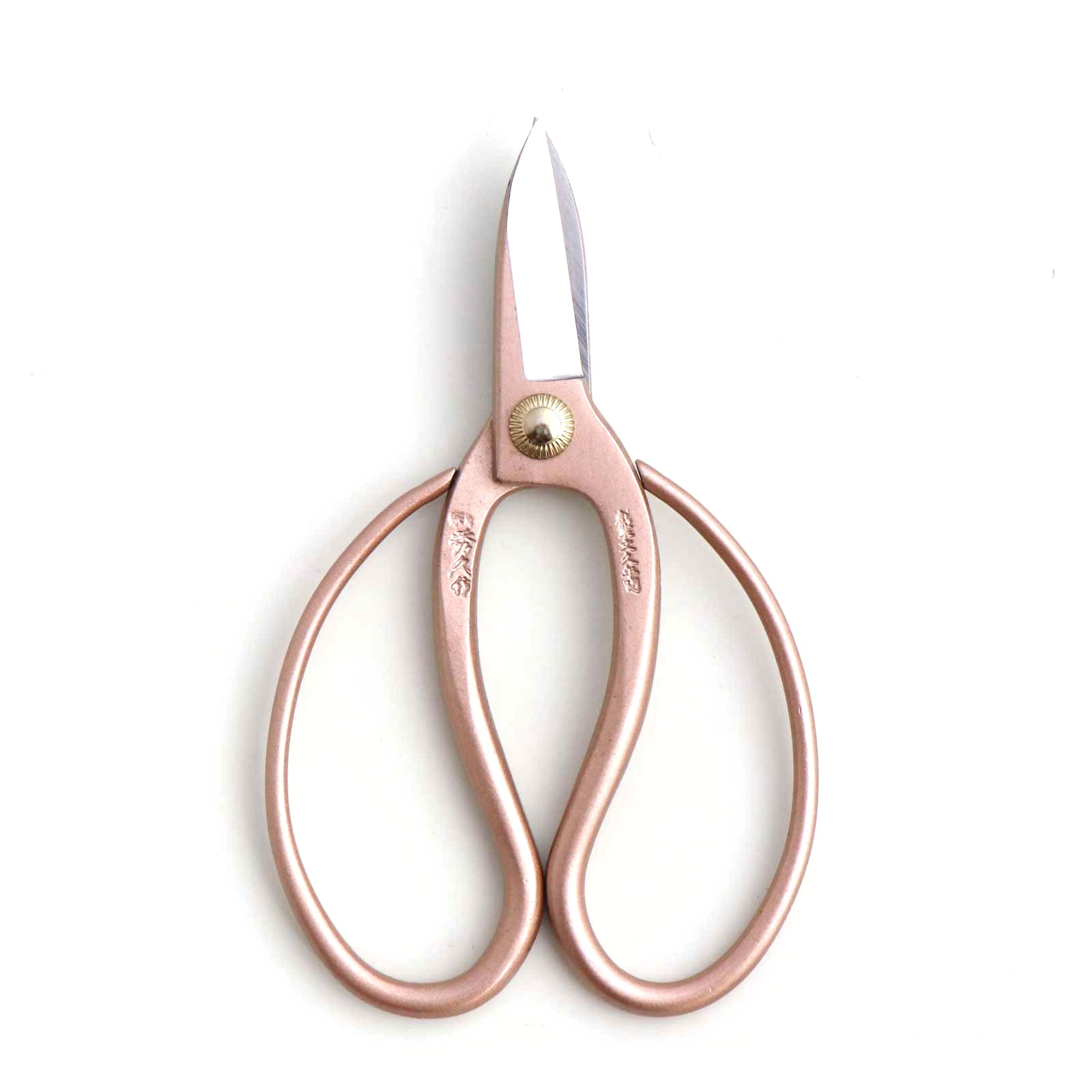
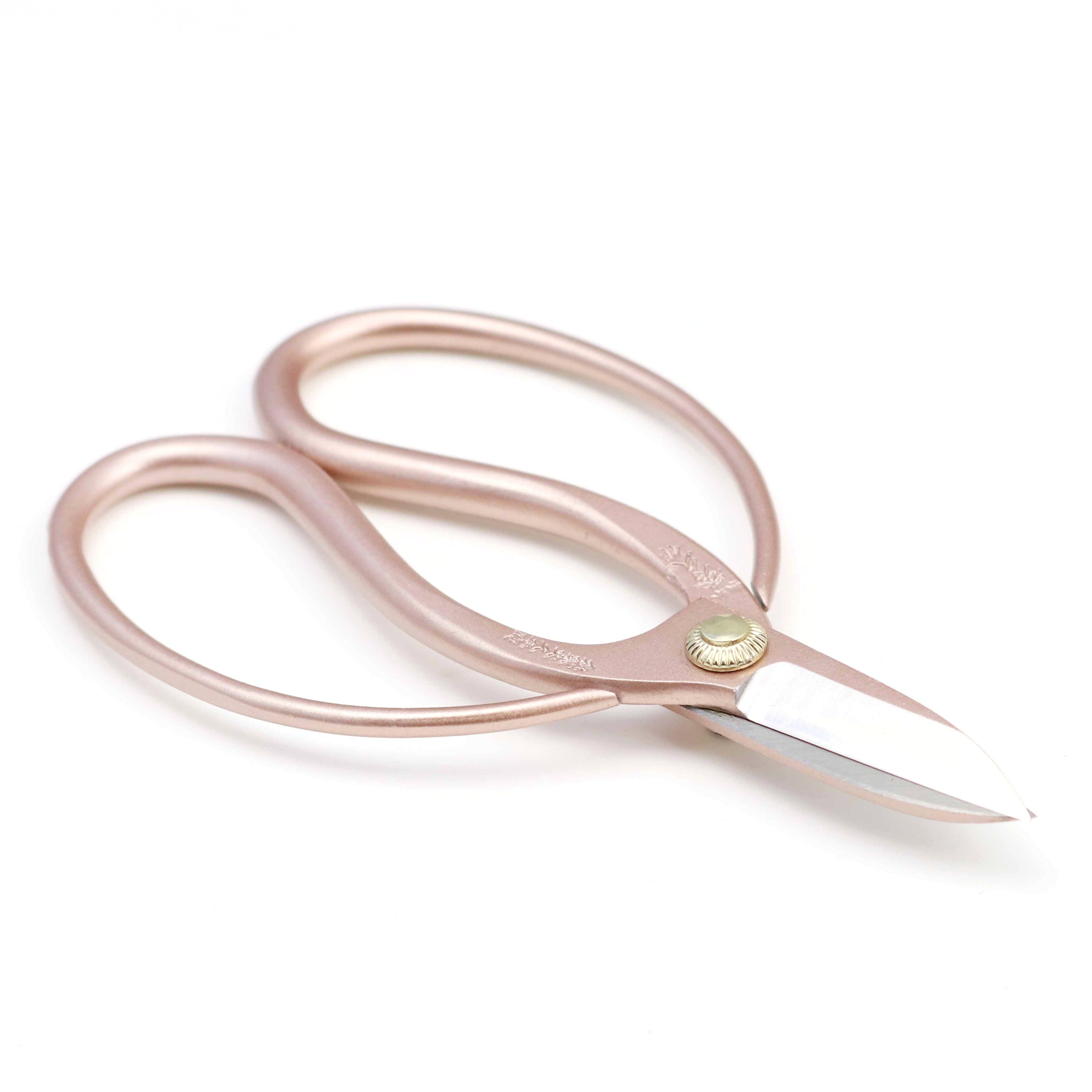
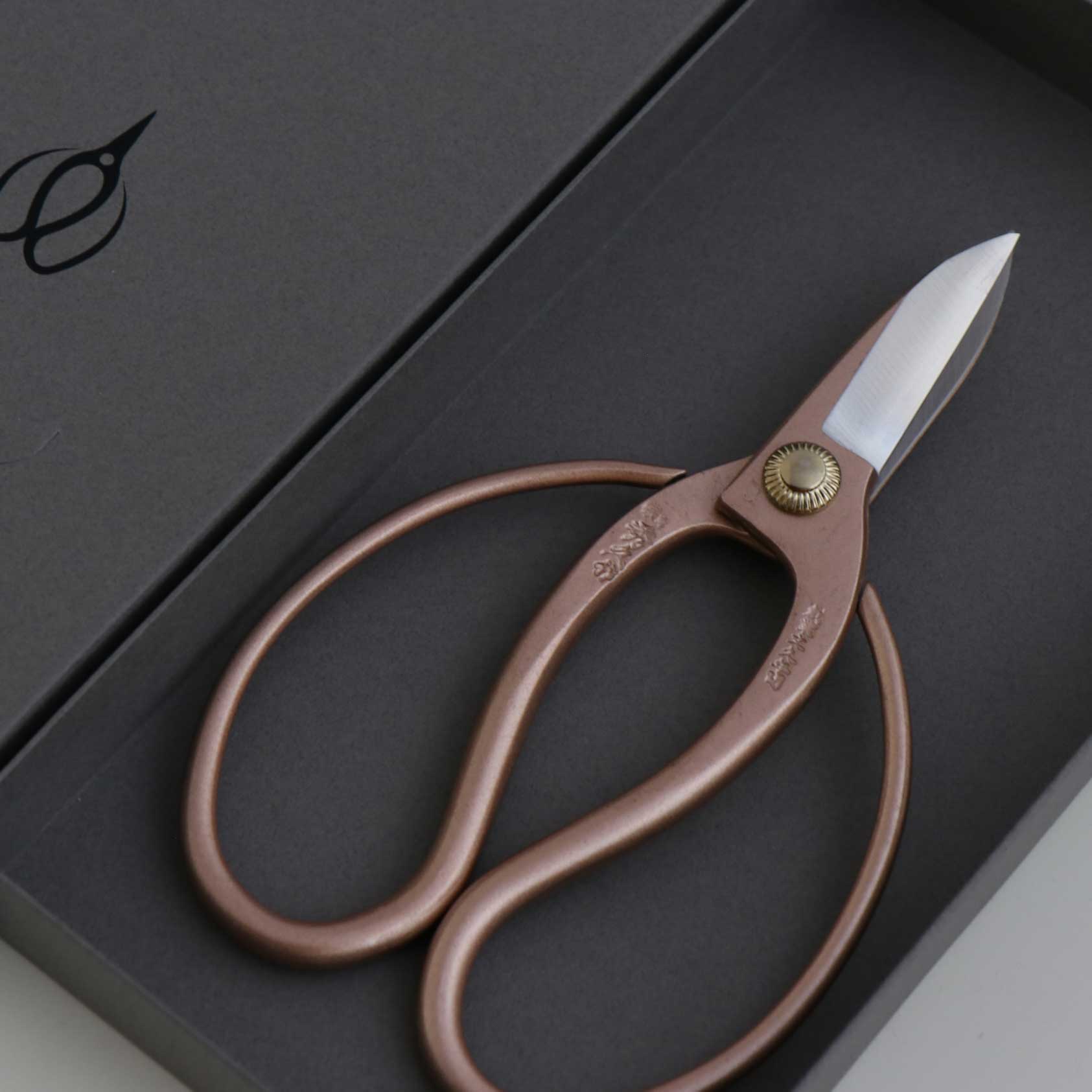
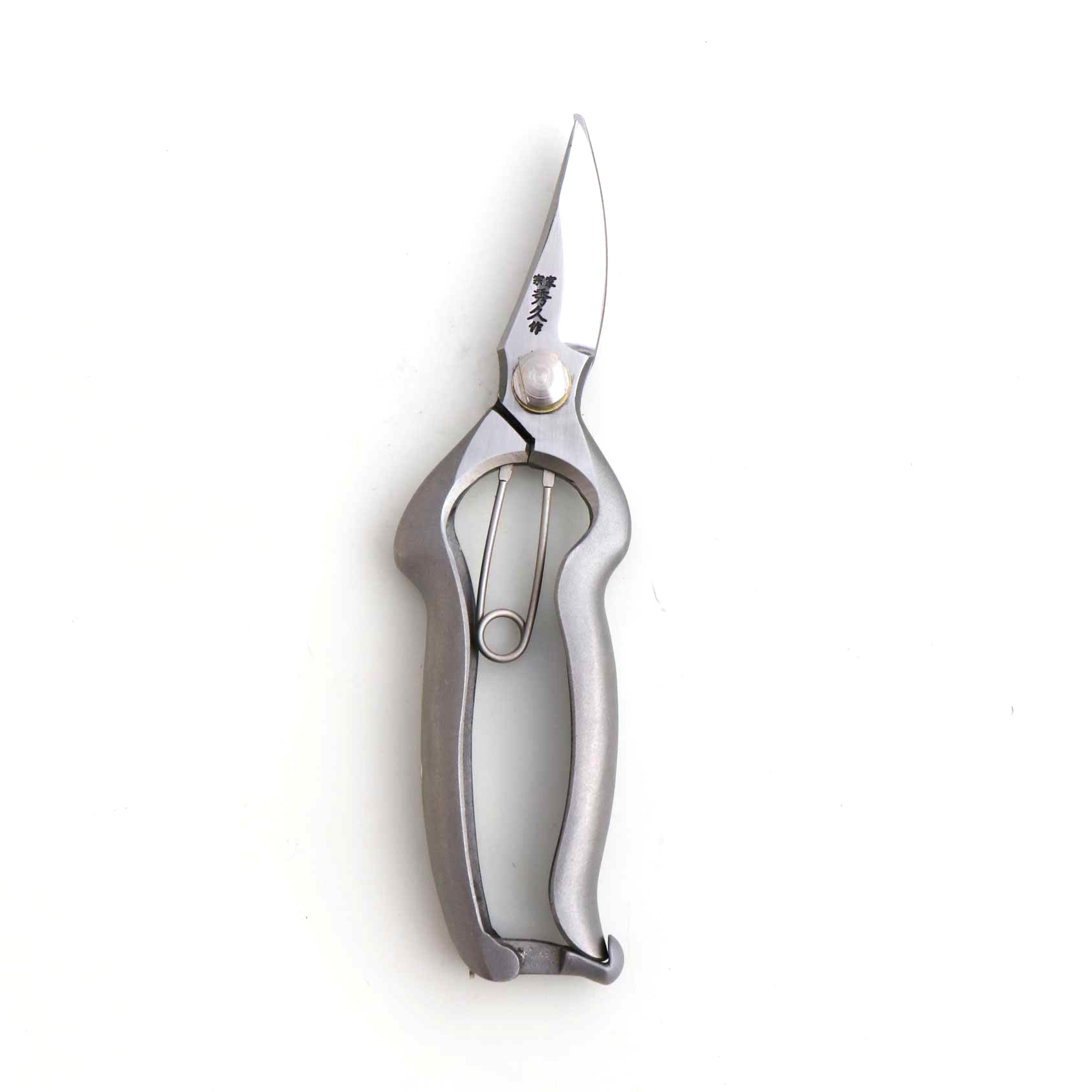
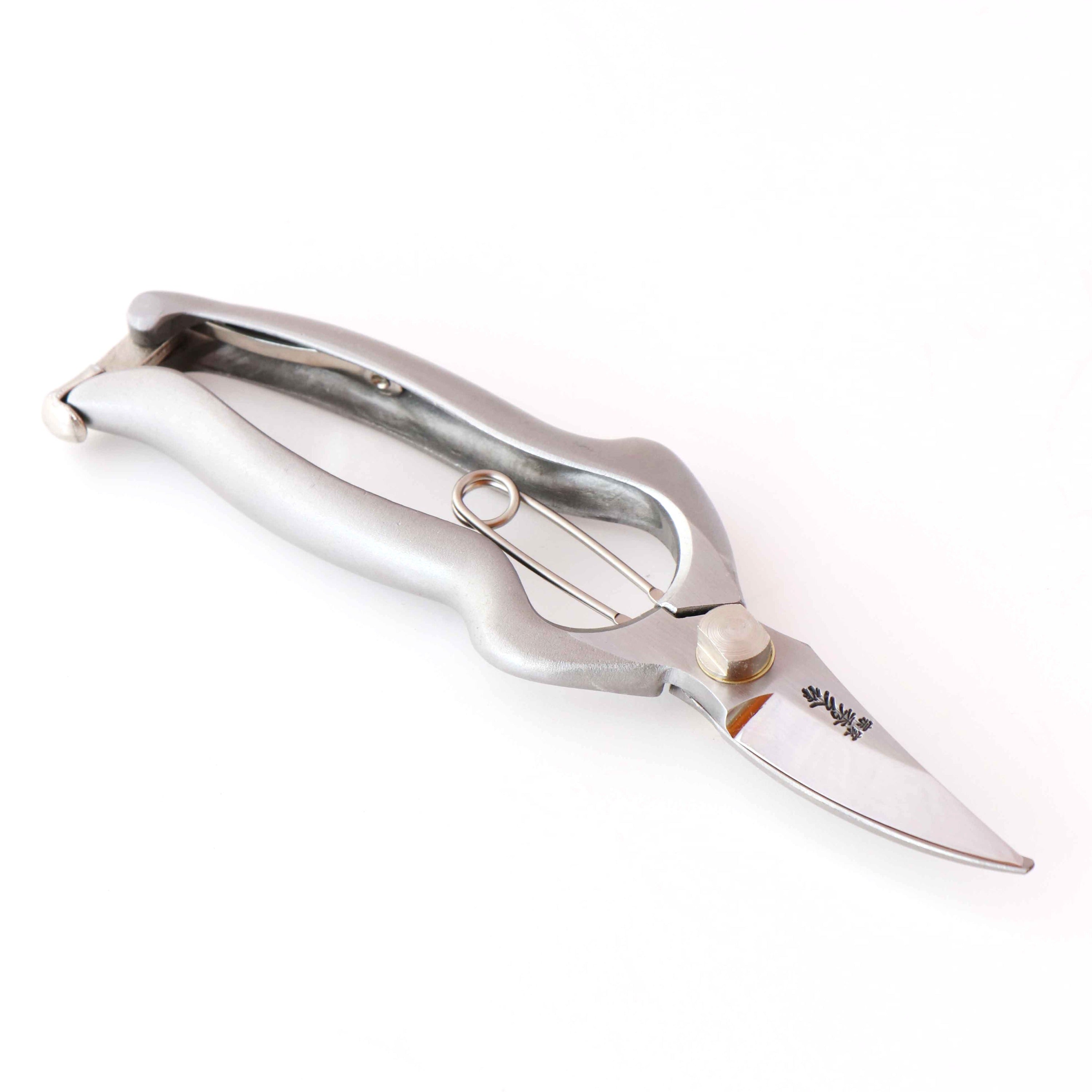
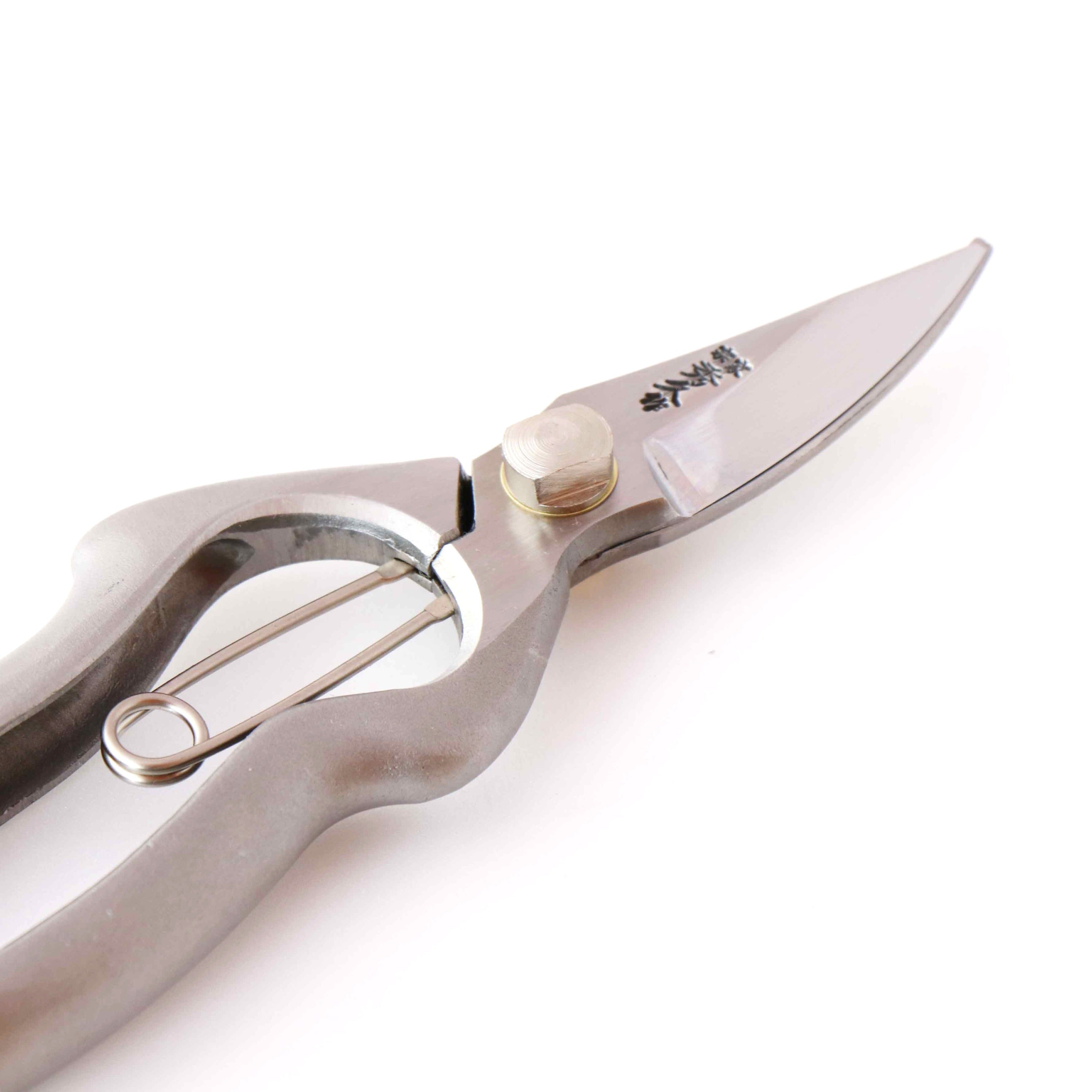
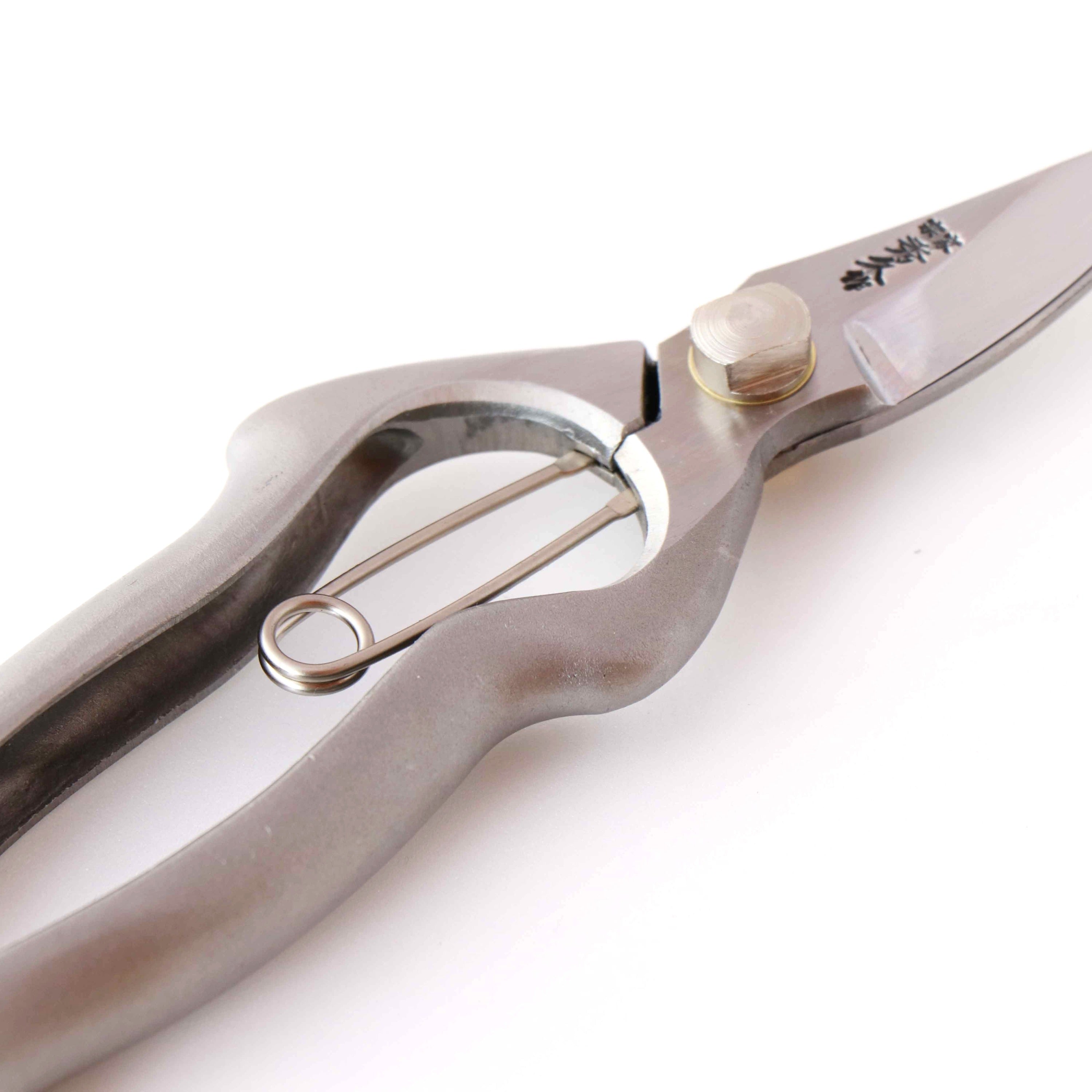
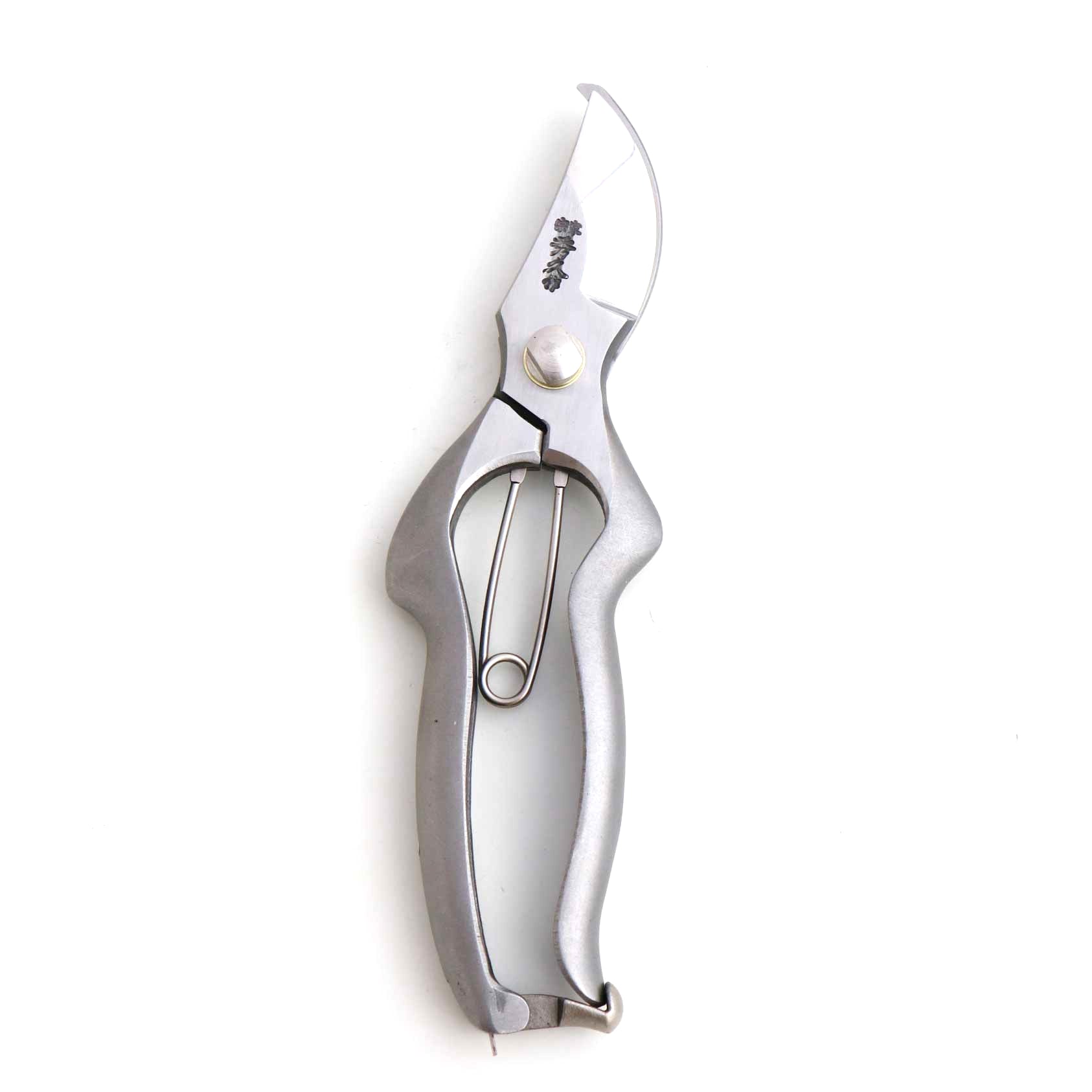
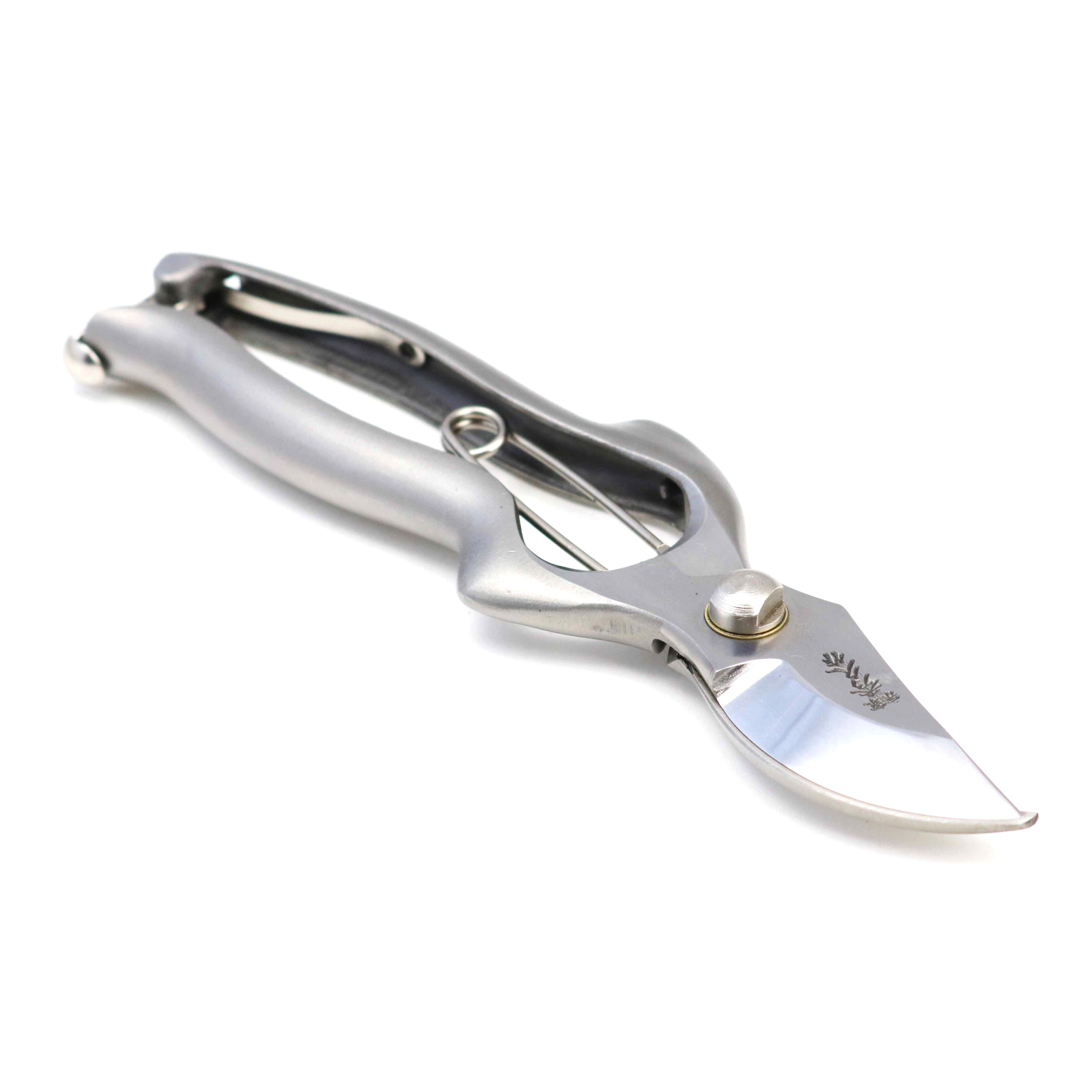
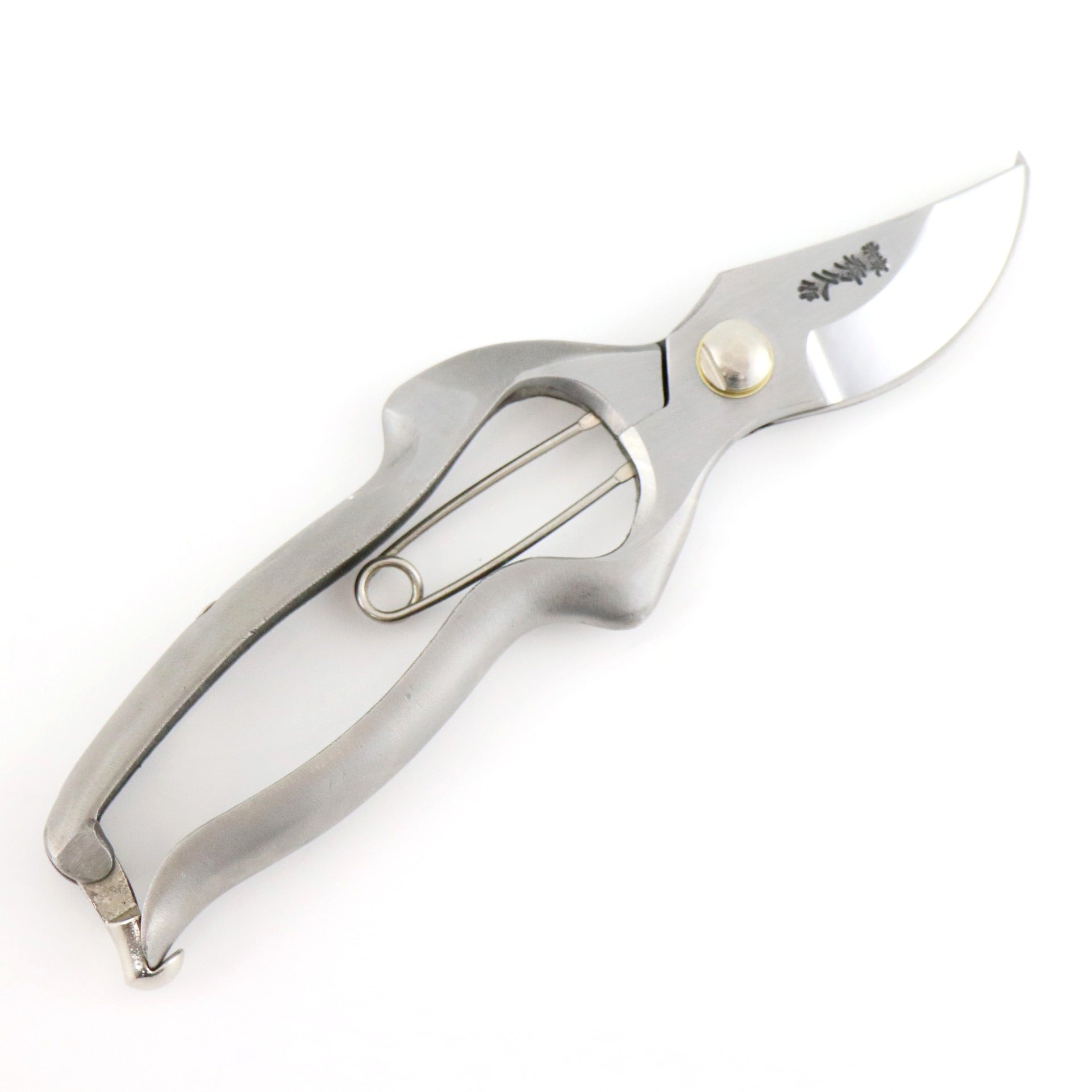
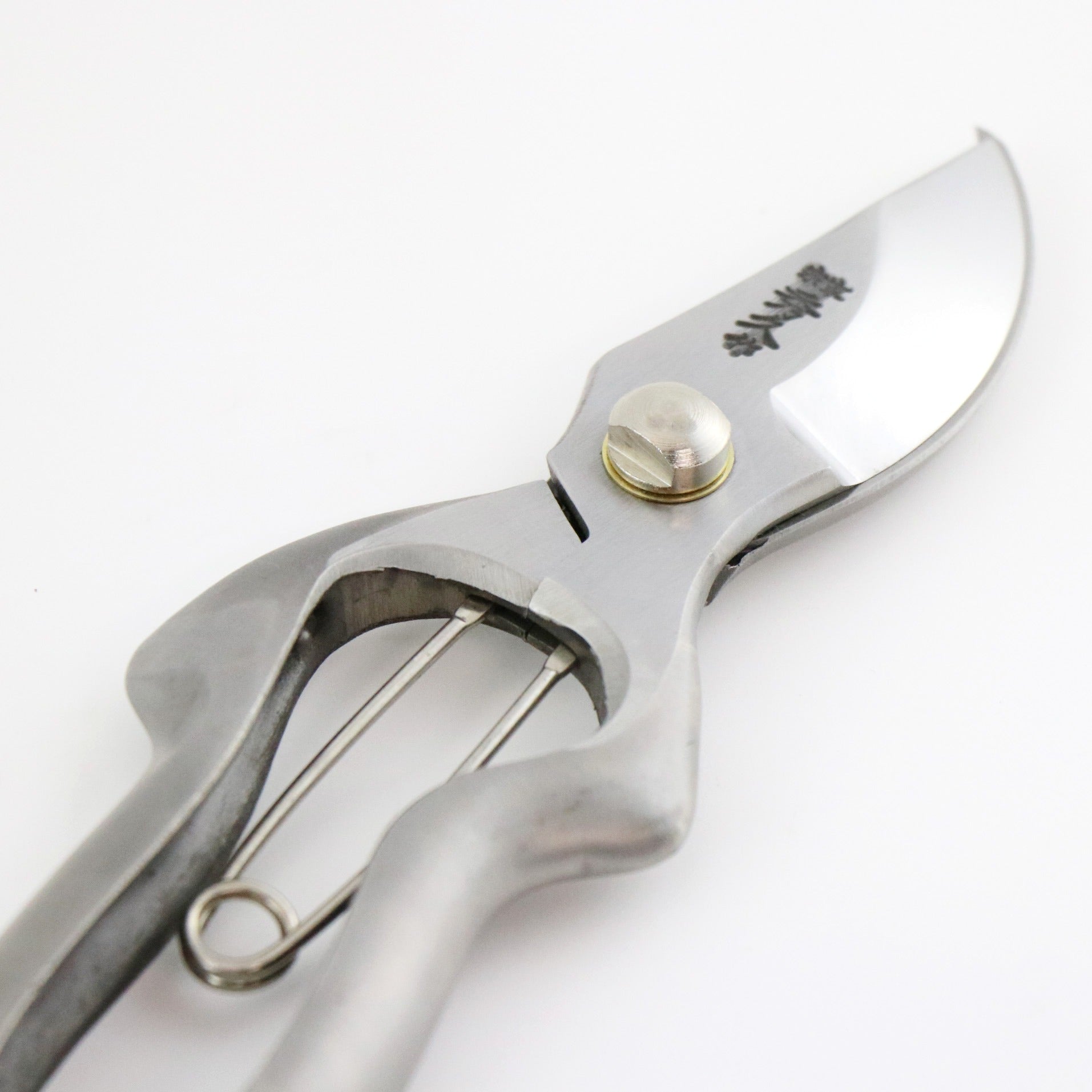
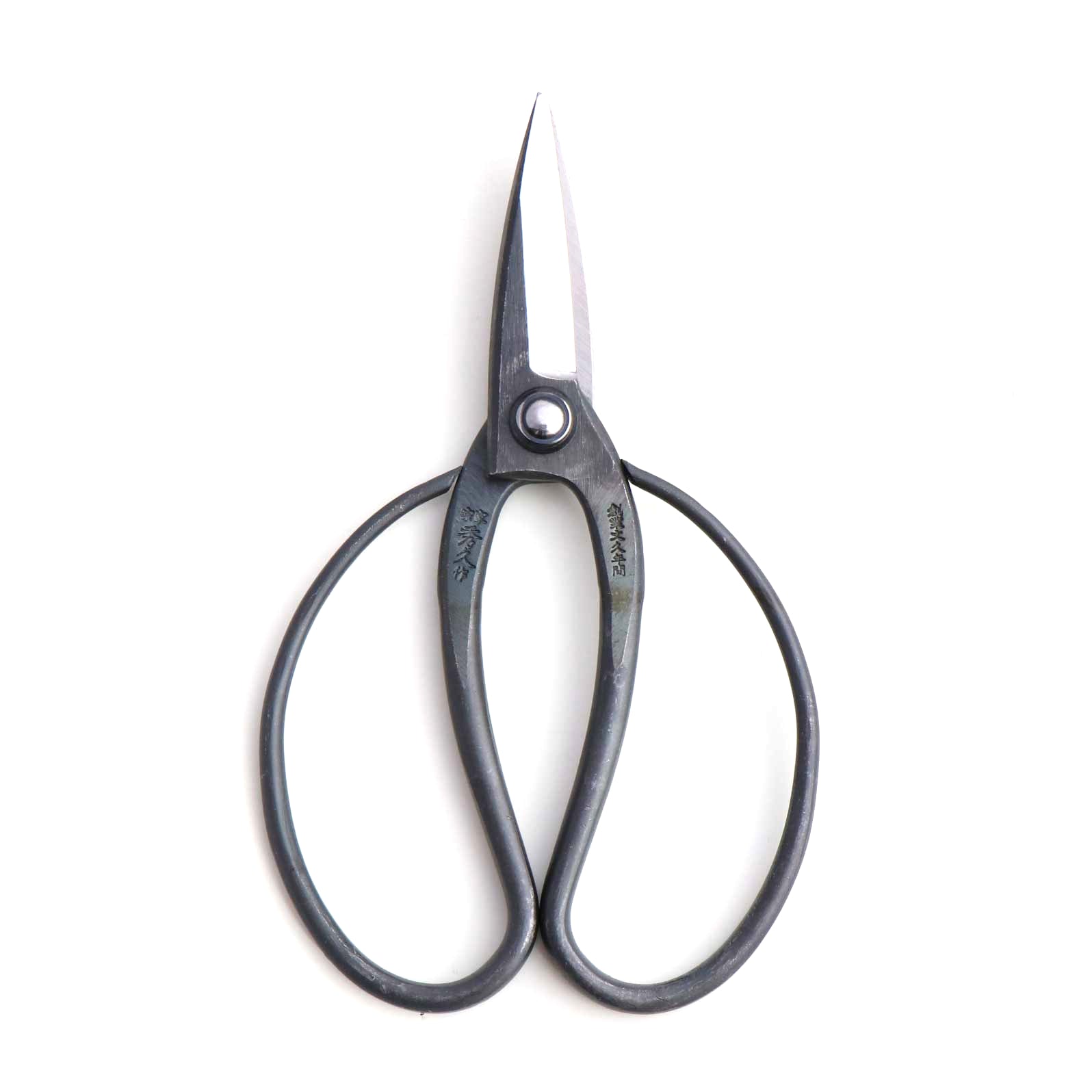
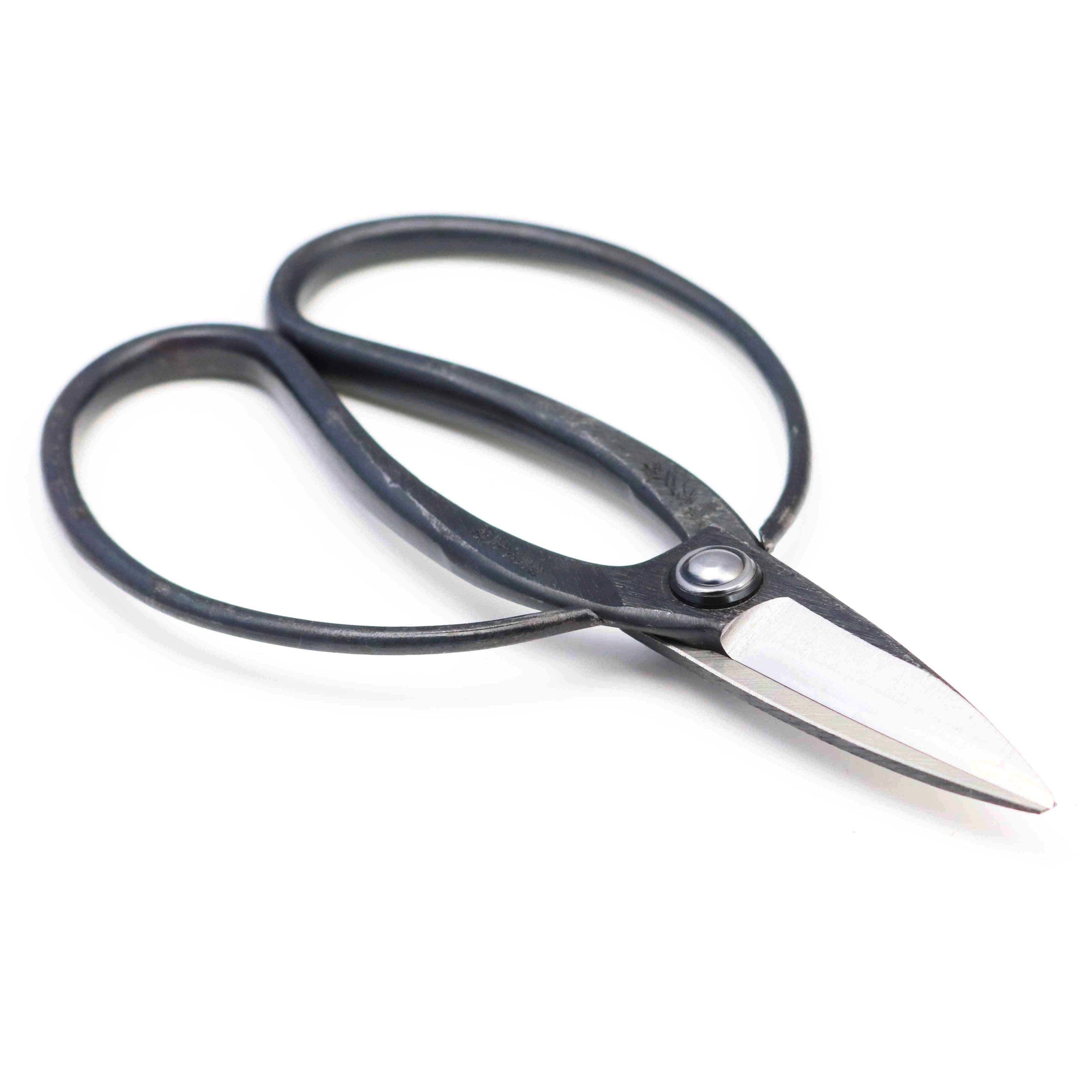
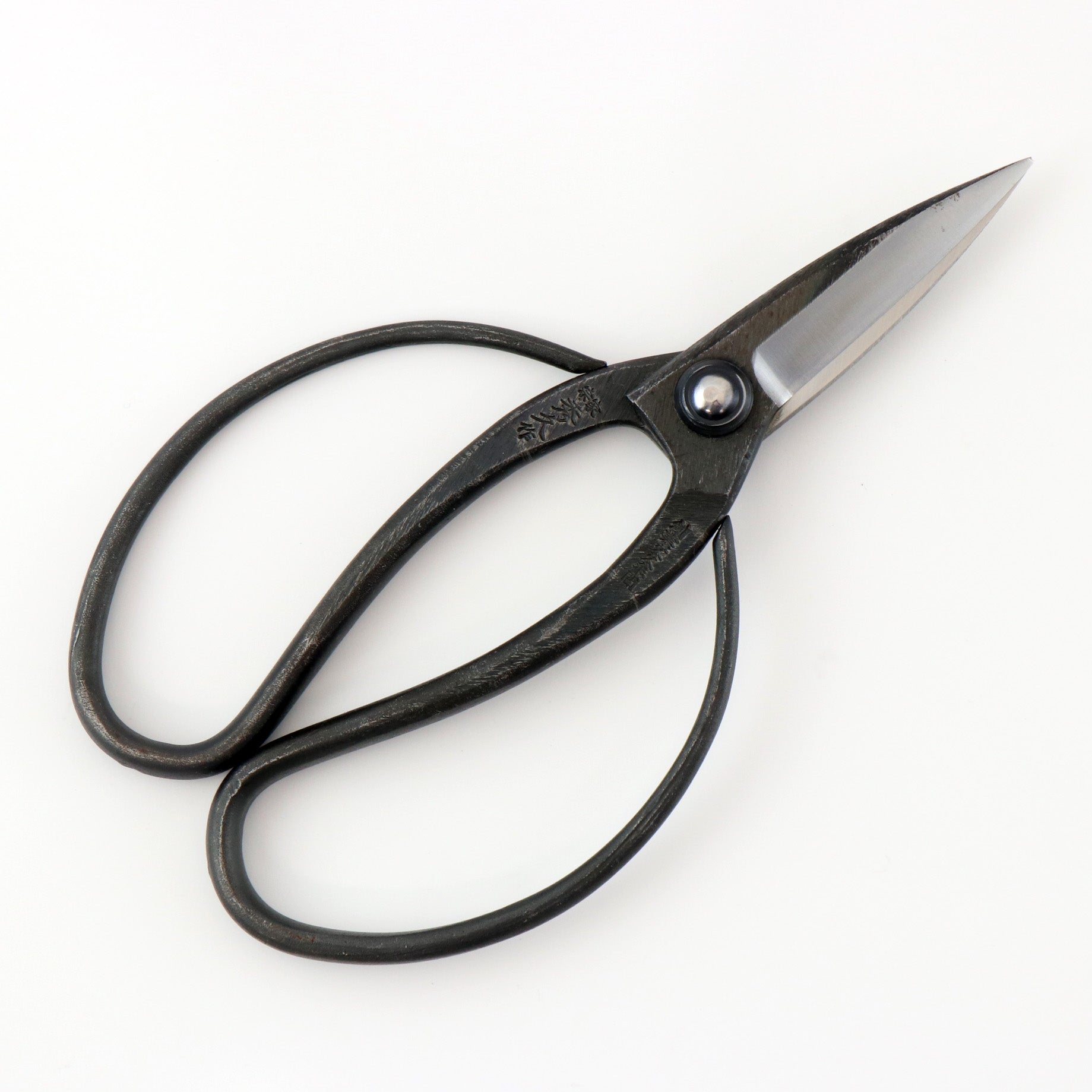
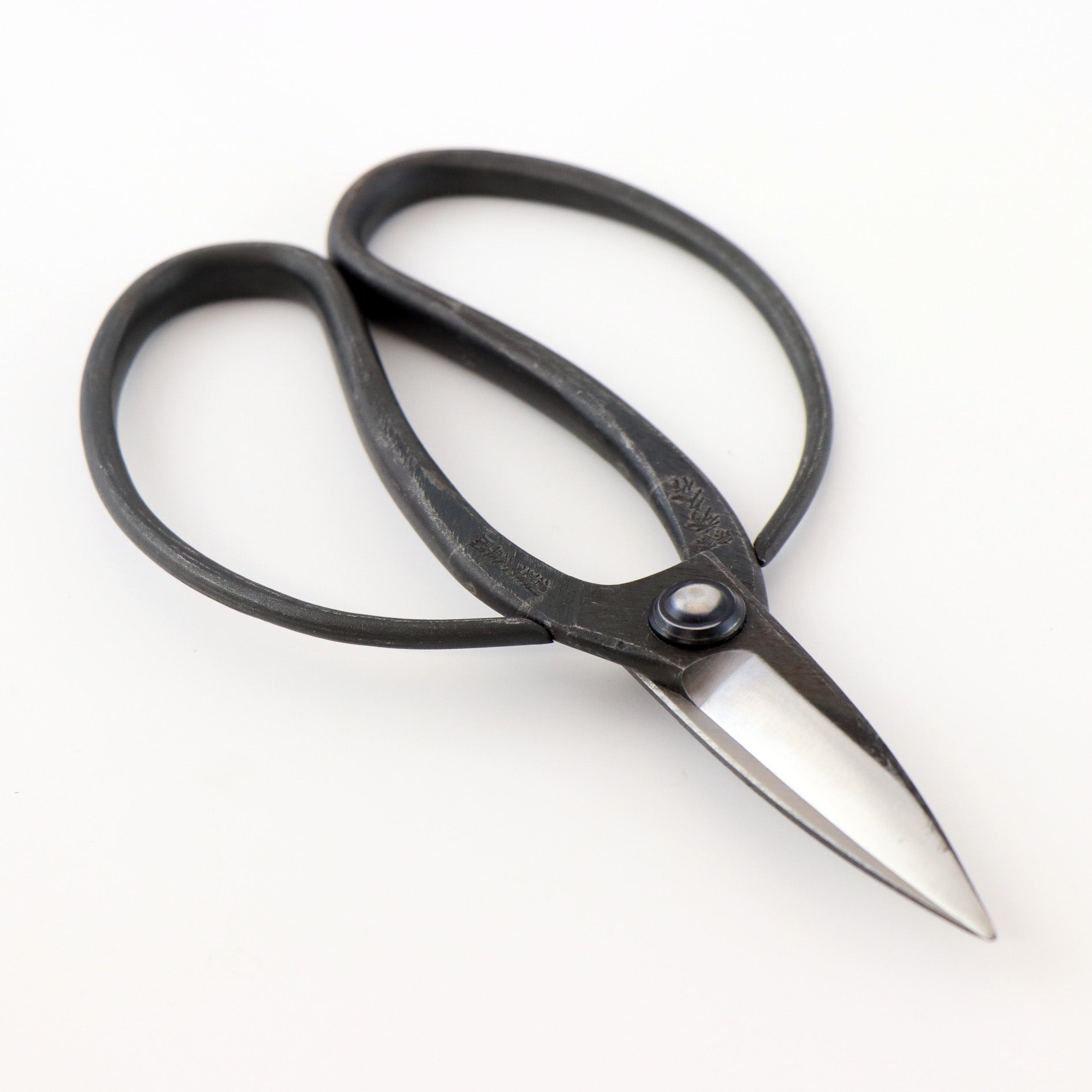
Photo: T13 High Carbon Steel Pruning Shears (Left) and T513 Stainless Steel Pruning Shears (Right)
Our main pruning shears use a bypass design. When cutting live branches, a bypass structure—where the blades pass by each other like scissors—makes sense. It helps produce a cleaner cut and is better suited to living plant material.
On top of that, we offer many models in both high-carbon steel and stainless steel. Here are a few examples:
-
Pruning Shears: T13 (High-Carbon Steel) / T513 (Stainless Steel)
-
Ikebana Shears: T8 (High-Carbon Steel) / T10 (Stainless Steel)
-
Bonsai Scissors: T4-3 (High-Carbon Steel) / T4-3S (Stainless Steel)
The shape and intended use stay close. The material changes.
We do this for a reason. We are not trying to push one material as the universal winner. We want you to be able to choose a tool that fits your environment, your maintenance habits, and the way you want to work.
A Quick Comparison
|
Category |
High-Carbon Steel |
Stainless Steel |
|
Cutting Feel |
Tends to deliver a sharper, crisper feel at the edge |
Often offers a more balanced, easy-to-use feel |
|
Ease of Resharpening |
Generally well-suited to long-term use with regular resharpening |
Can be resharpened, but the feel depends heavily on design and heat treatment |
|
Corrosion Resistance |
Needs more care around moisture and sap |
More resistant to rust in day-to-day use |
|
Everyday Ease |
Best for users comfortable with regular maintenance |
Best for users who want a lower-maintenance tool |
|
Best For |
Those who value sharpness, edge maintenance, and long-term use |
Those who value ease, convenience, and lighter maintenance |
This is a guide, not a rulebook.
In actual use, performance also depends on heat treatment, edge finishing, blade thickness, blade alignment, handle shape, and overall design. Still, material choice does affect the character of the tool in a clear and meaningful way.
Why a Clean Cut Matters
In pruning, it is not enough for a branch to simply come off. The quality of the cut matters too.
When the cut surface is crushed or the fibers are torn, the plant takes more damage. That can affect recovery and make the cut harder to manage afterward. This matters especially when working with young branches, fine stems, roses, fruit trees, or any plant where a clean cut is part of good care.
A clean cut does not come from material alone. It depends on a sharp edge, proper blade alignment, and a shape suited to the task.
But for gardeners who care deeply about that clean, controlled finish, high-carbon steel often stands out because of the way it takes an edge and the way that edge can be maintained over time.
What We Value in Steel Selection

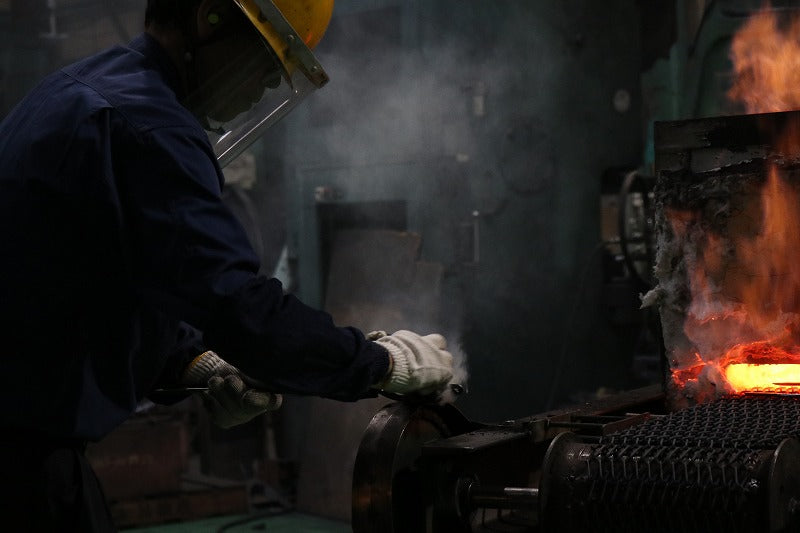
Since our founding in 1861, we have worked with fire and steel in Sanjo, Niigata. Over that time, what has mattered most to us has not been hardness alone, but how to strike the right balance between performance and the shears as a tool.
We use Japanese-made steel that conforms to relevant JIS standards, and we forge both our high-carbon steel and stainless steel models. But we do not judge steel by its name or hardness number alone.
With pruning shears, the job is repetitive. A tool cuts branch after branch, season after season. For that kind of work, sharpness matters—but so do toughness, resistance to chipping, and stability over time. If you chase hardness alone, you can increase the risk of edge damage in real use.
What matters to us is the overall balance: sharpness, ease of resharpening, resistance to chipping, and stable performance over years of use.
Forging is an important part of that. It supports the strength, toughness, and stability that form the foundation of the tool. But forging alone does not make a good pair of shears. Final performance depends on the full combination of steel selection, heat treatment, edge finishing, blade fit, and overall design.
For us, the question is not simply what the material is called. The real question is whether the tool will remain trustworthy in your hand over time.
JIS: Japanese Industrial Standards. In this article, it indicates that the steel used conforms to relevant Japanese material standards and testing criteria.
High-Carbon Steel — For Those Who Value Sharpness and Resharpening

One reason high-carbon steel has long been valued in garden tools is that it can take a very keen edge, and that edge can be brought back into shape more easily through resharpening.
When the edge is right, the feeling is distinctive. The blade enters cleanly. The cut happens with less force. There is a crisp, satisfying response in the hand when the blades pass through the branch the way they should.
That quality becomes especially meaningful when you care about the finish of the cut—on young shoots, slender branches, tender stems, roses, or fruit trees.
High-carbon steel also appeals to people who want to grow into a tool rather than simply use it up. You sharpen it when needed. You pay attention to how it changes. Over time, you come to understand the tool better, and the tool begins to feel more like your own.
That long relationship is part of the appeal.
The tradeoff is maintenance. High-carbon steel needs more attention around moisture and sap than stainless steel does. After use, it should be wiped down, dried as needed, and given basic care. For some people, that is part of the pleasure. For others, it is more work than they want.
See Our High-Carbon Steel Shears
Stainless Steel — For Those Who Value Ease and Reliability

The most obvious advantage of stainless steel is its resistance to rust.
If you garden in a humid climate, work outside after rain, or do not always have time for careful cleanup after every use, stainless steel is often the more forgiving choice.
It also offers a kind of everyday practicality that many people value. You can reach for it easily, use it without hesitation, and put it away without quite as much concern. For home gardeners, casual daily use, or anyone who wants a reliable tool that fits naturally into a busy routine, stainless steel makes a great deal of sense.
That said, stainless steel should not be treated as a cheap compromise. We do not see it that way.
A good forged stainless steel tool is not simply “the easy option.” It is a serious tool in its own right—one that offers lower maintenance while still delivering the performance, toughness, and dependability expected from forged shears.
And while stainless steel resists rust better, it is not rust-proof. Like any tool, it still benefits from proper care.
As with high-carbon steel, actual performance depends on the whole tool: heat treatment, edge finishing, blade geometry, and overall design.
See Our Stainless Steel Shears
How to Choose the Right Material for You
High-Carbon Steel may be right for you if:
- You care deeply about edge sharpness
- You want a tool you can resharpen and use for many years
- You value clean cuts on roses, fruit trees, bonsai, or other fine pruning work
- You enjoy maintaining and learning a tool over time
Stainless Steel may be right for you if:
- You want better rust resistance
- You prefer simpler day-to-day maintenance
- You often work in humid or wet conditions
- You want a tool that feels easy to live with and easy to reach for
The key is not to reduce the decision to a single performance ranking.
The better question is this:
Do you want to build and maintain the edge over time, or do you want a tool that asks less of you from day to day while still giving dependable performance?
That difference will often point you to the right answer.
And just as important as material are handle fit and size. A pair of shears should fit your hand and your work. Material shapes the character of performance. Shape and size determine how that performance feels in real use. You need all of them working together.
If You Are Unsure, Compare Similar Models Side by Side
At Toyama Hamono, we offer several models in both high-carbon steel and stainless steel with closely related shapes and uses.
If you are unsure which way to go, compare those models side by side. Ask yourself whether you want to maintain the edge more actively, or whether you want to keep maintenance lighter. That one question often makes the choice much easier.
At the same time, pay attention to handle shape and size. When material, shape, and size all line up, the shears feel right in a way that goes beyond specifications.
To us, the difference between these materials is not a matter of superiority. It is a way of answering the different needs of different hands.
Whichever you choose, we make each pair with the same intention: to be a tool you can trust for a long time.



Share:
How to Choose the Right Grip for Your Pruning Shears
How to Sharpen Japanese Pruning Shears — A Practical Maintenance Guide