
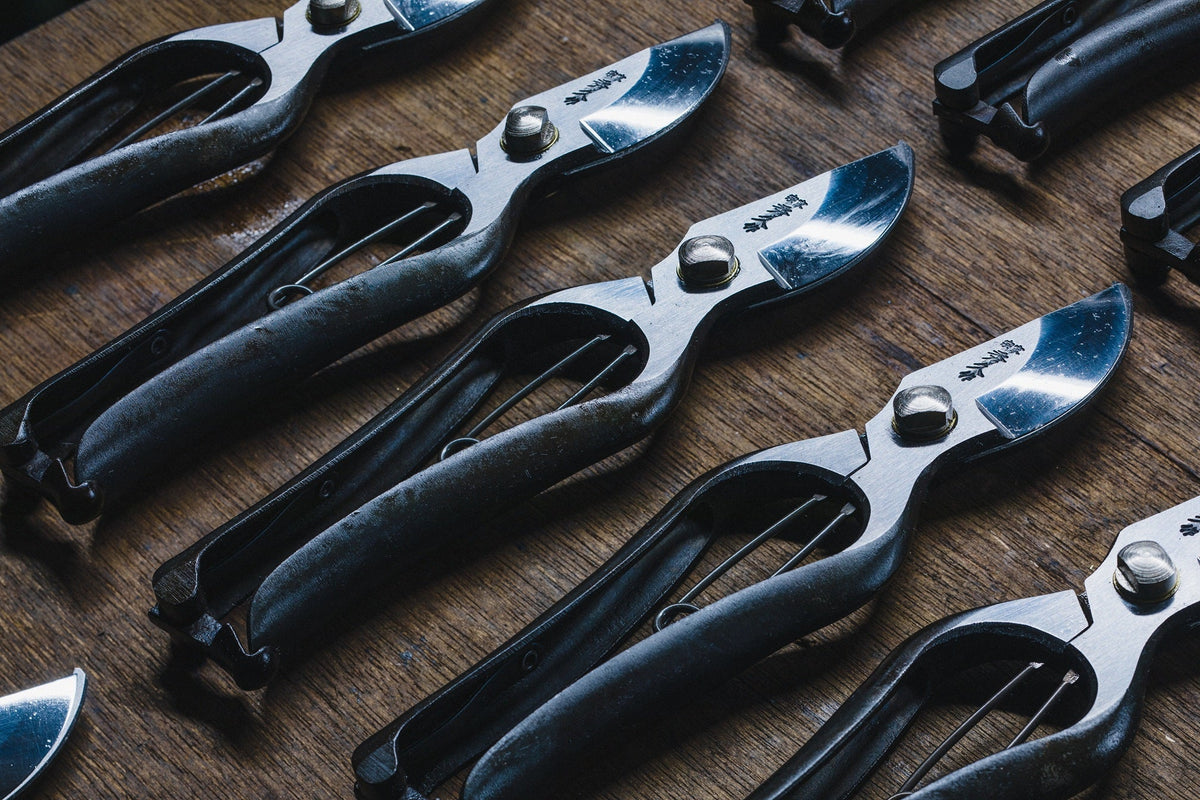
There are three reasons a forged pruning shear is worth owning. It cuts well. Its beauty comes from how it works. And the care it asks of you makes it feel more personal the longer you use it.
That is what this article is about.
A tool doesn't earn meaning by being beautiful first. It earns it by working well enough that its form begins to matter — and at that point, beauty isn't decoration. It's what emerges when use has been refined with care.
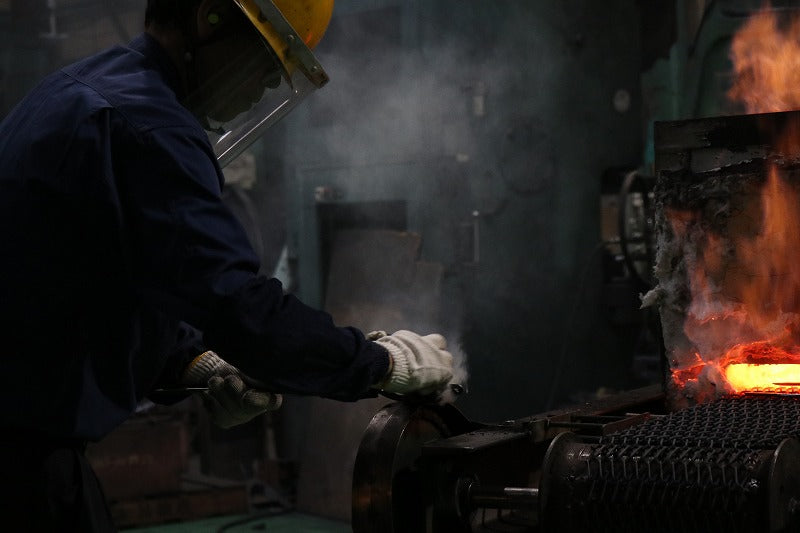
A katana is the familiar example. It was made to cut, yet its line and edge carry a beauty inseparable from that purpose. A forged pruning shear can hold something of the same quality.
At Toyama Hamono in Sanjo, Japan, we believe a pruning shear should be a trustworthy tool first. It should cut cleanly. It should feel right in the hand. It should hold up to real work in the garden. When those things are true, another kind of value appears — the tool becomes satisfying not only to use, but to own.
It Must First Work Well

A pruning shear earns trust through the cut.
That depends on more than sharpness alone. Two blades must meet correctly. If blade contact is unstable, the cut can feel rough or uncertain even when the edge itself is keen. Entry may hesitate. The motion may feel less smooth than it should. The last fibers may resist rather than release cleanly.
This is why blade contact matters as much as the edge itself.
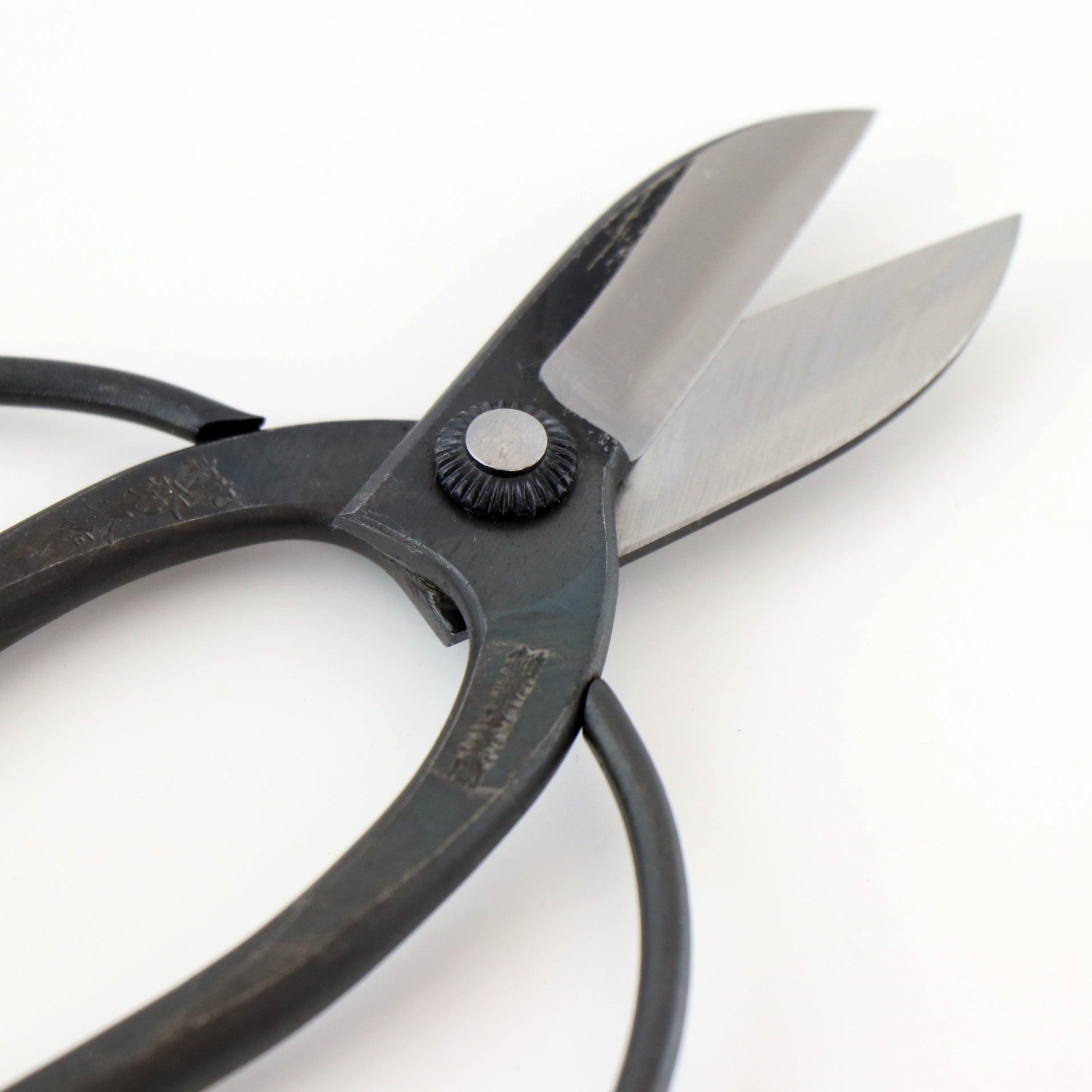
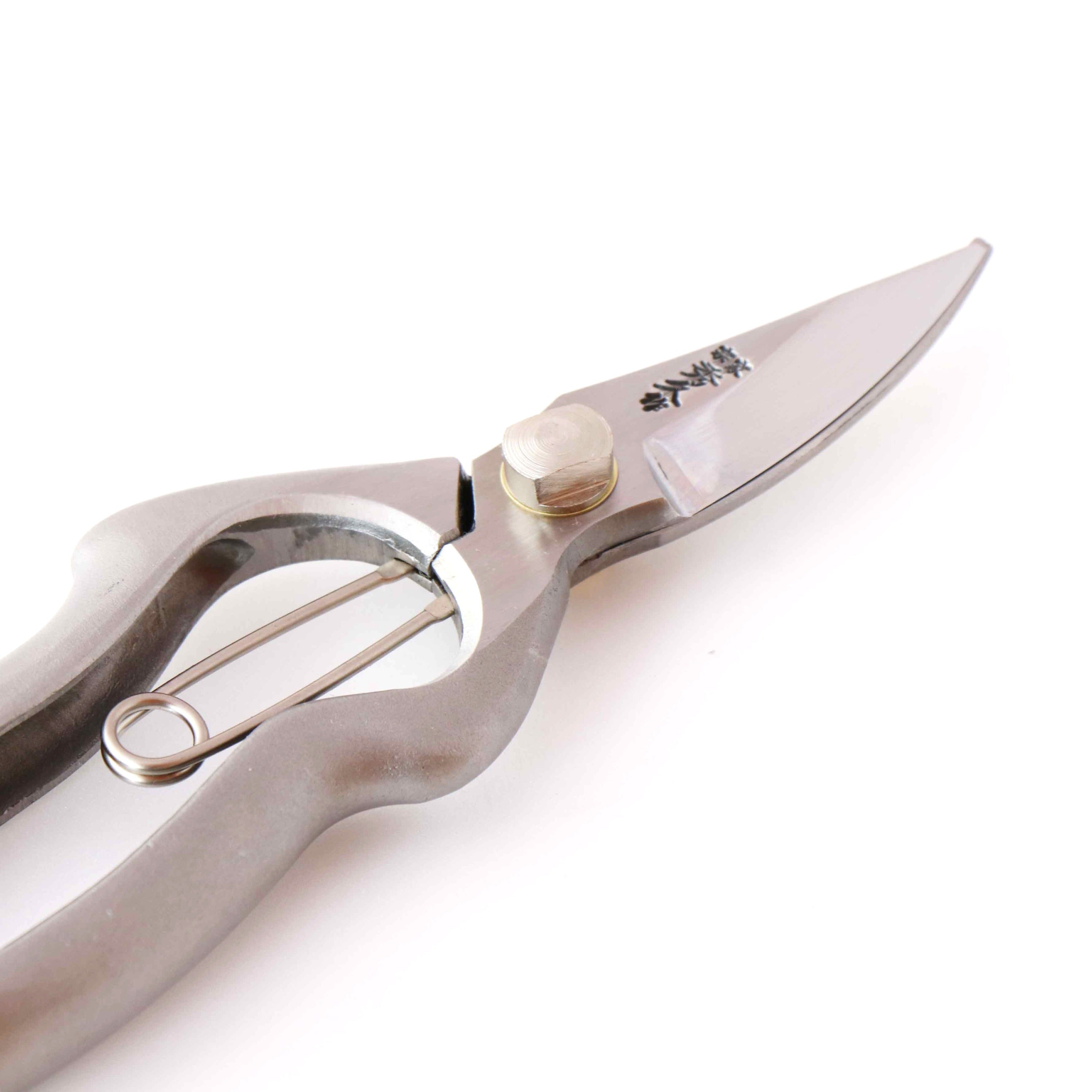
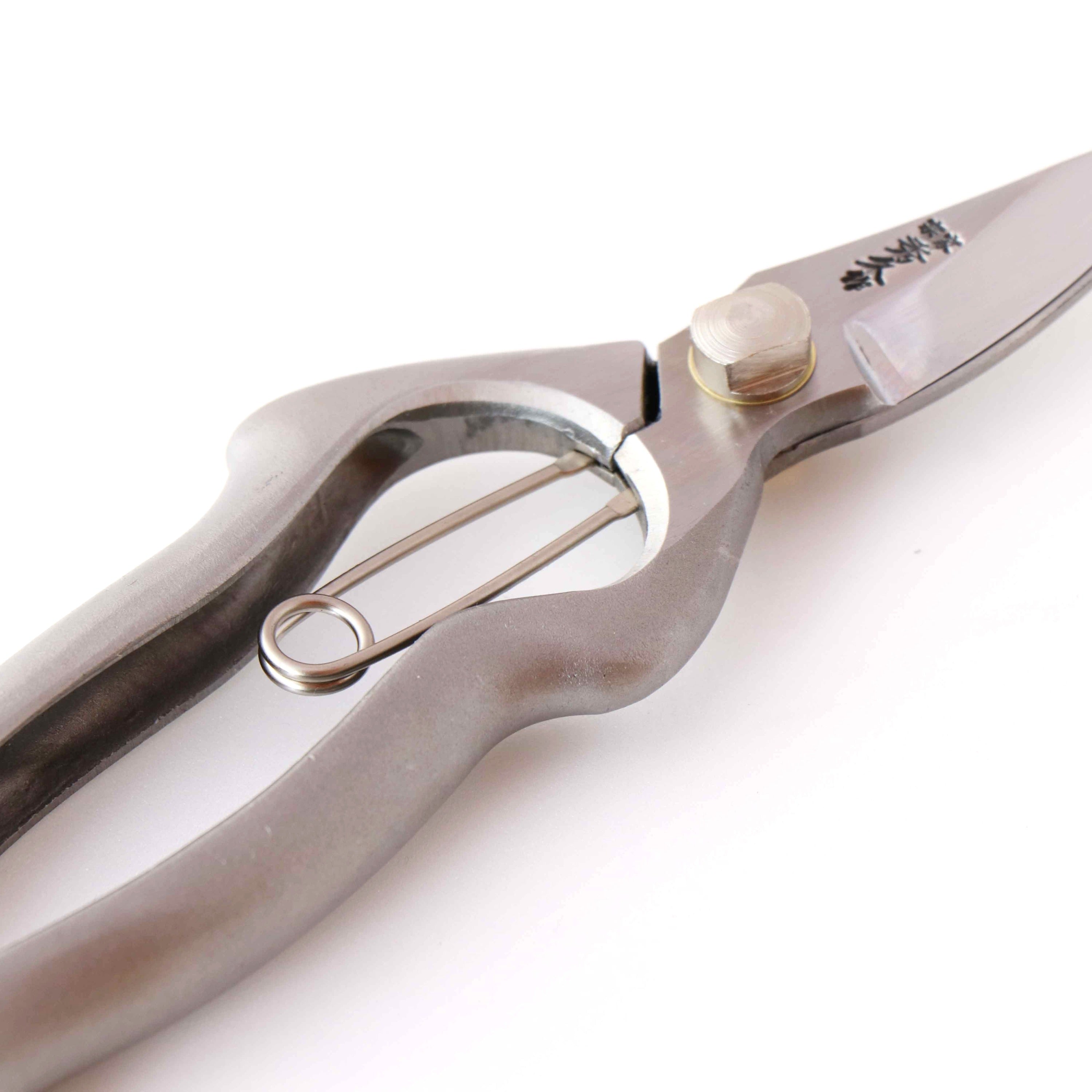
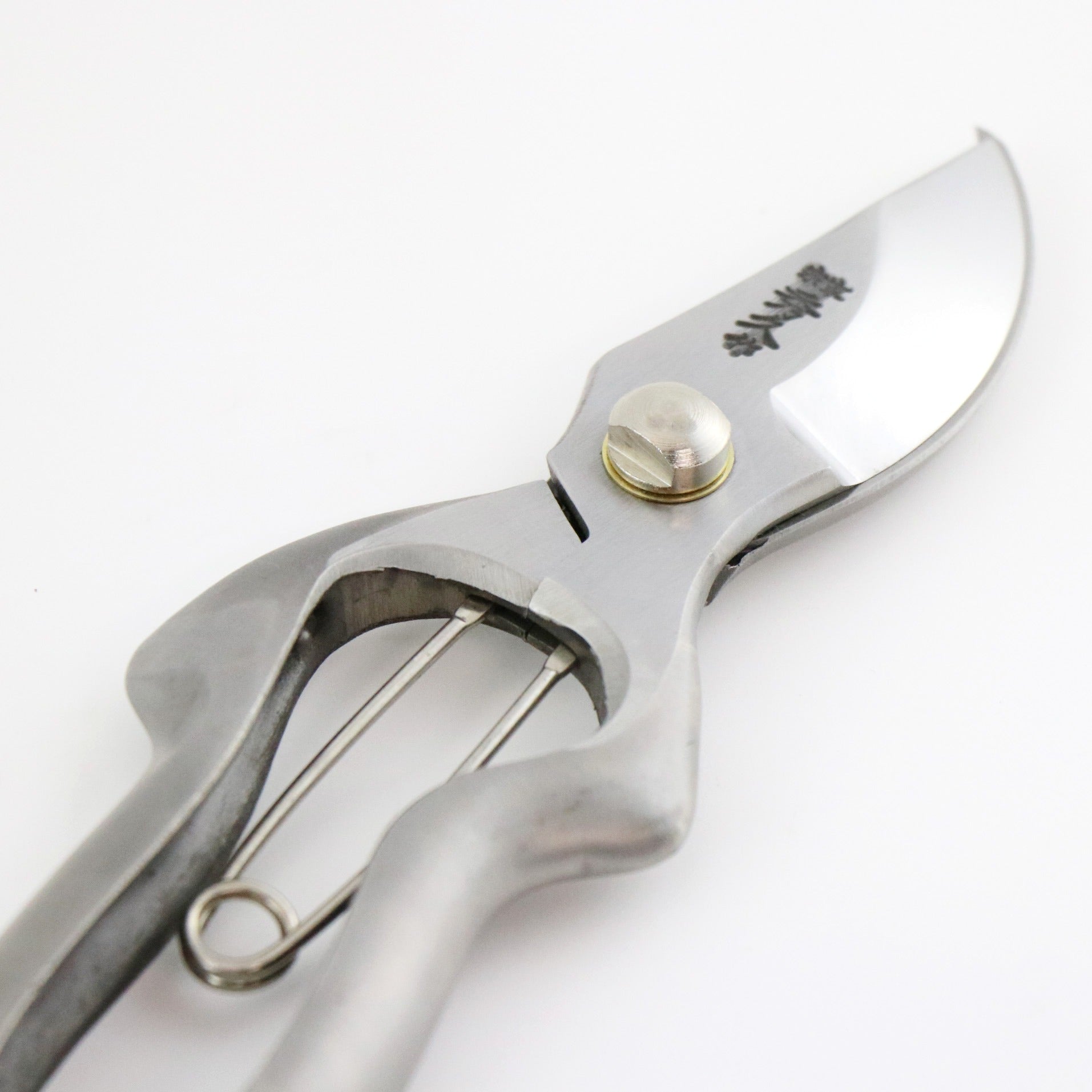
At Toyama Hamono, attention is paid to the inside face of the blade and to the way the two blades are tuned to meet. In Japanese shears, this includes urasuki, a very shallow hollow that helps reduce unnecessary friction and supports a cleaner, steadier line of contact.
The way the edge enters matters just as much. When the finishing is right, and the blades meet as they should, the blade enters the stem cleanly, without hesitation. That clarity at the start of the cut shapes the whole experience that follows.
A forged pruning shear is satisfying to own because its beauty is backed by real function.
For the full care routine, our maintenance guide goes deeper.
Its Beauty Comes From Function

Some tools catch the eye quickly, but the impression fades once work begins.
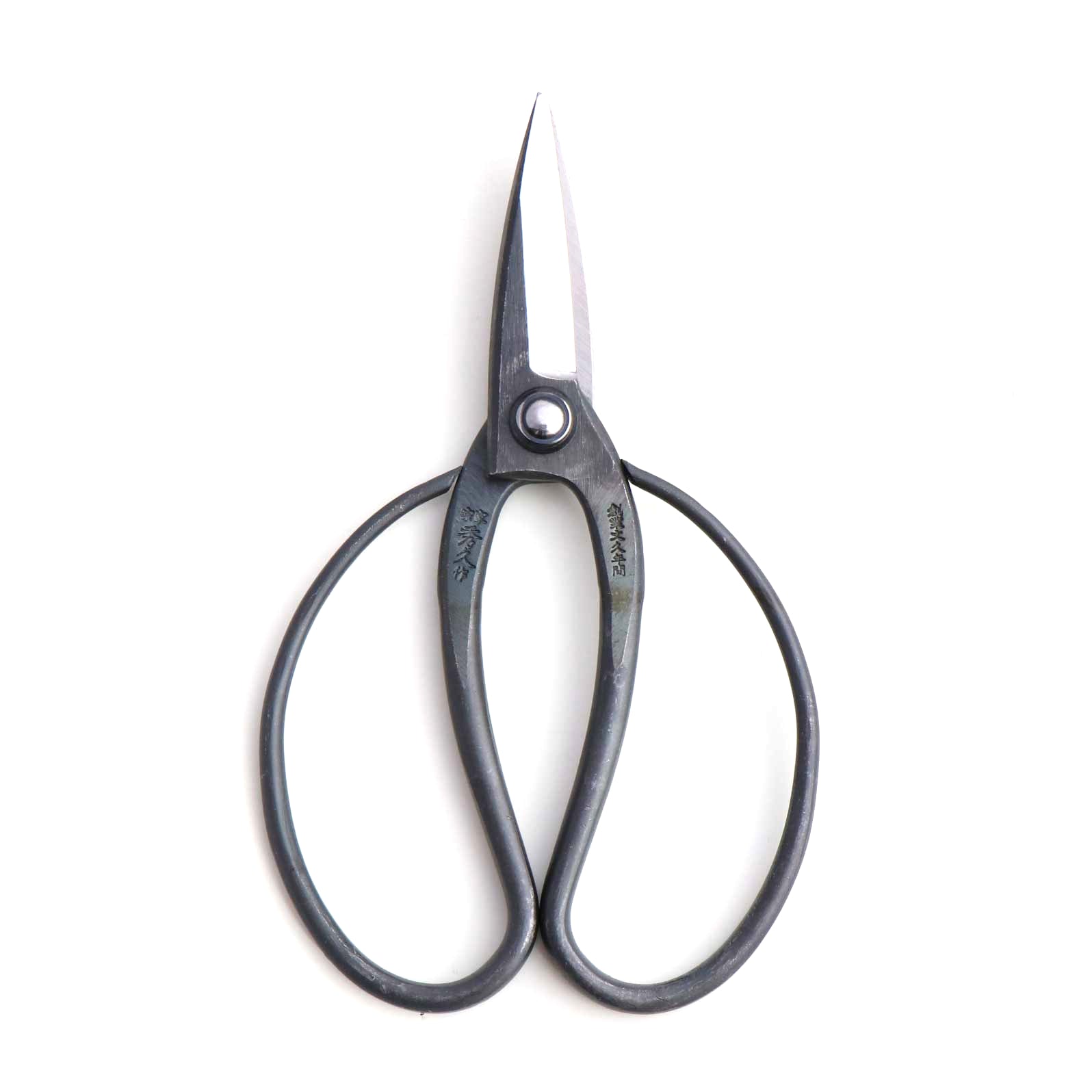
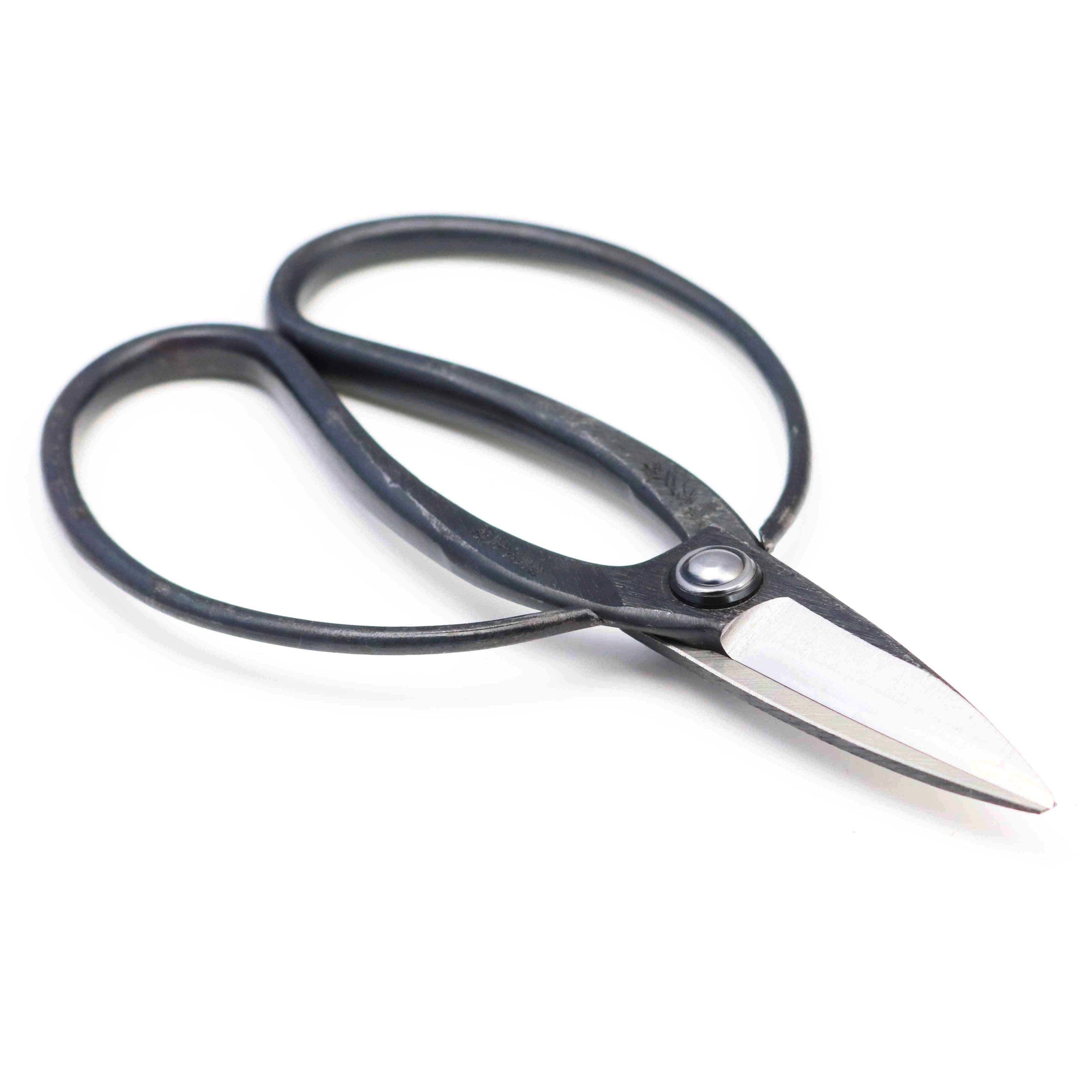
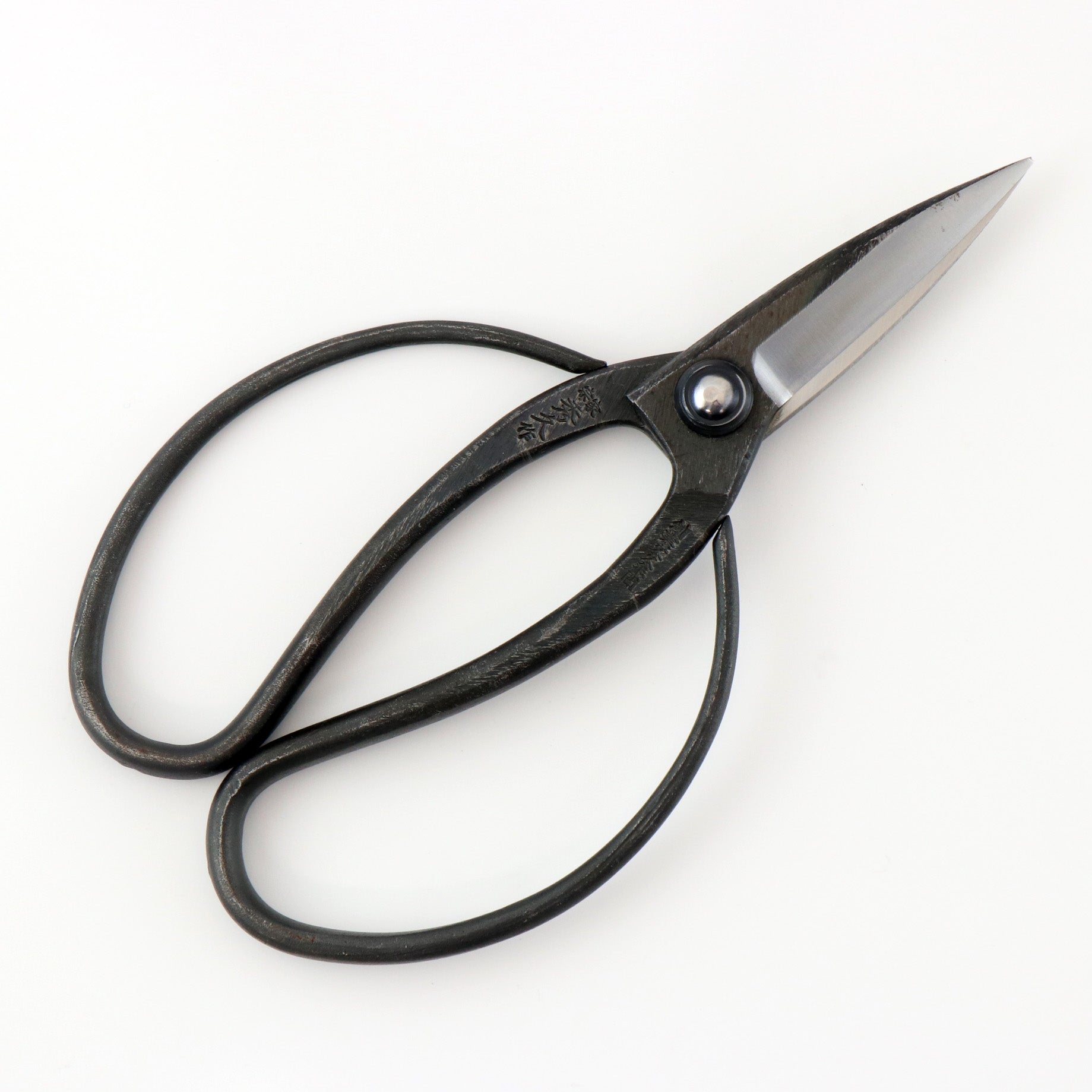
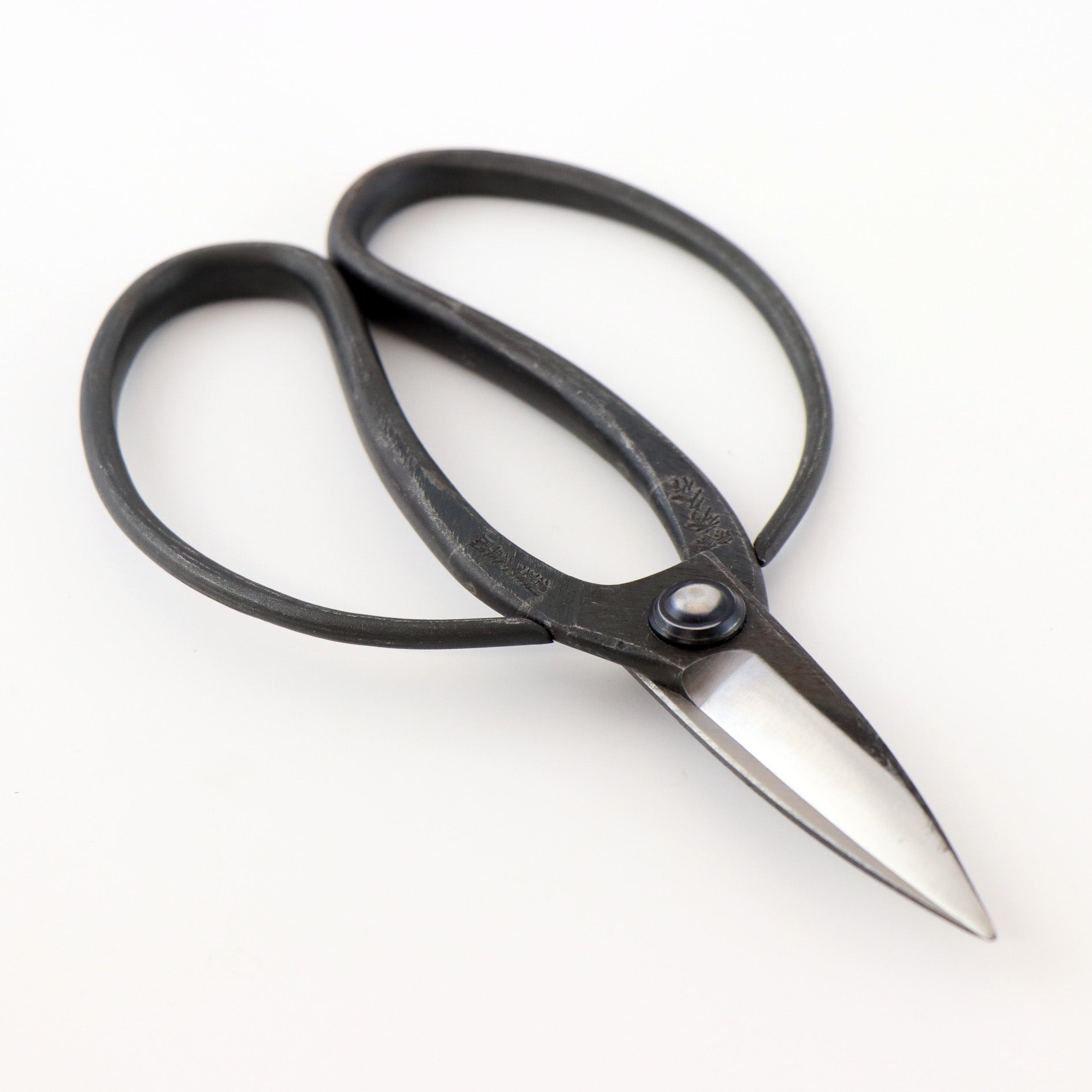
A good forged shear is different. Its beauty does not sit on the surface. It comes from restraint, balance, and purpose. The lines feel settled. The steel looks calm and dense in the light. The tool looks designed for functionality, not styled for attention.
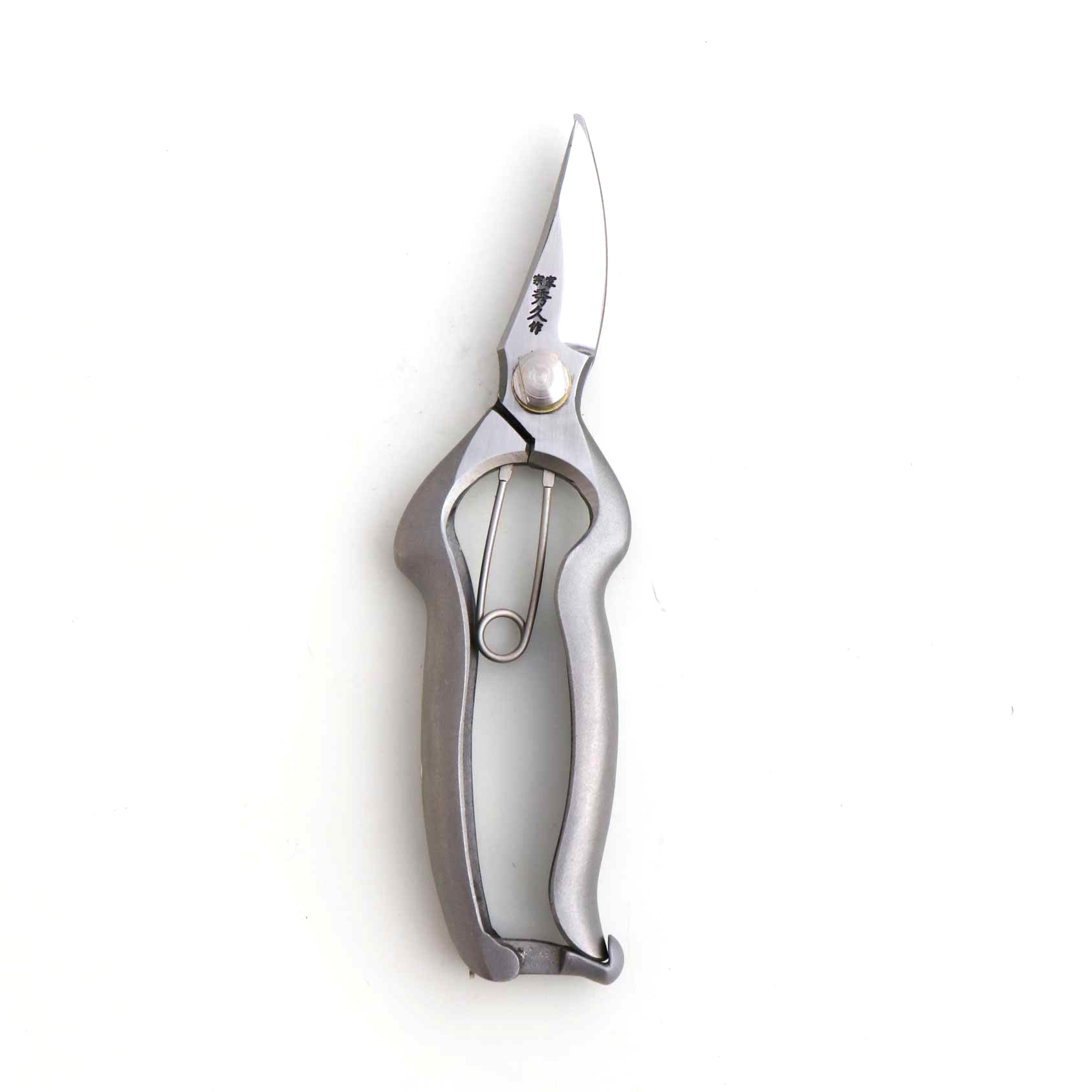
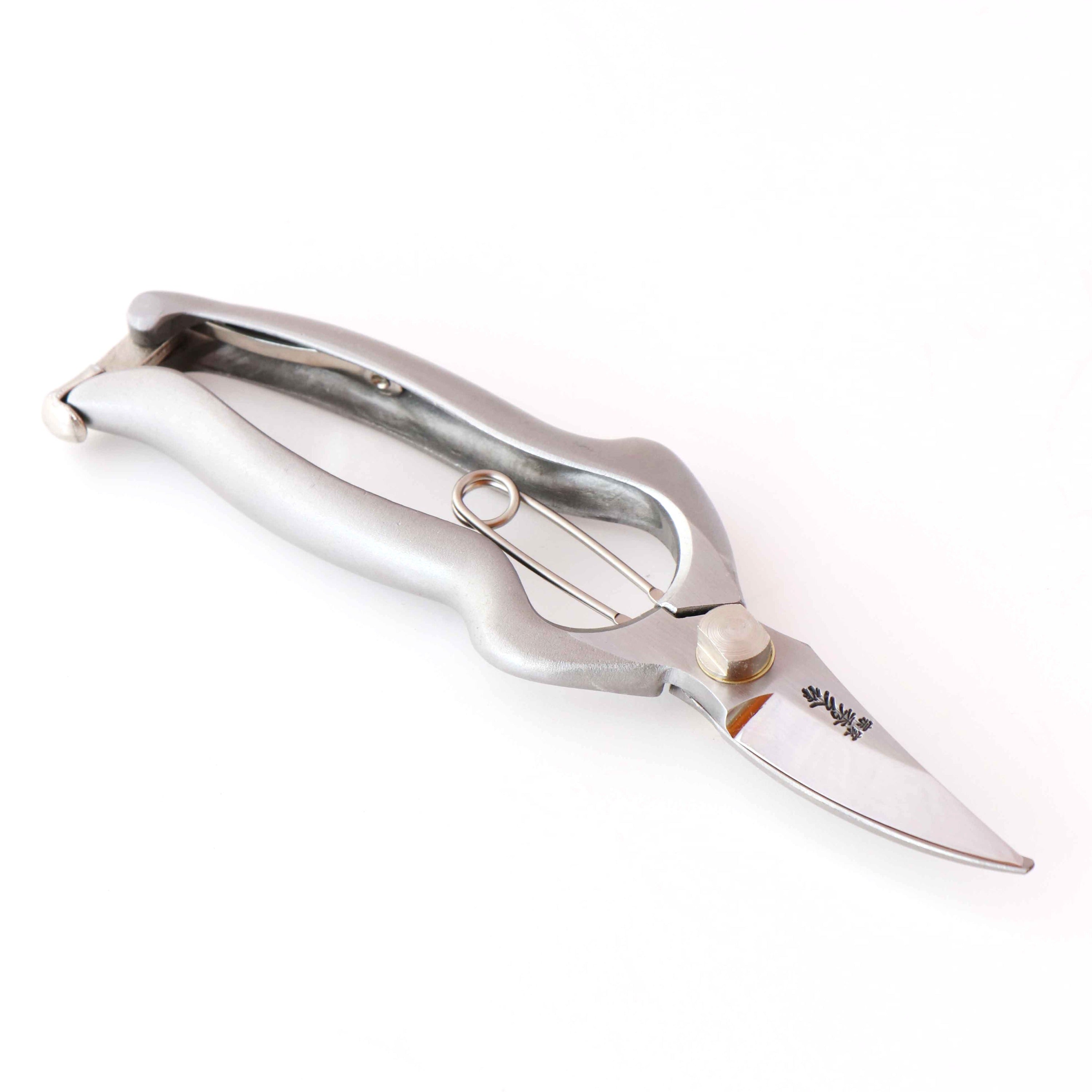
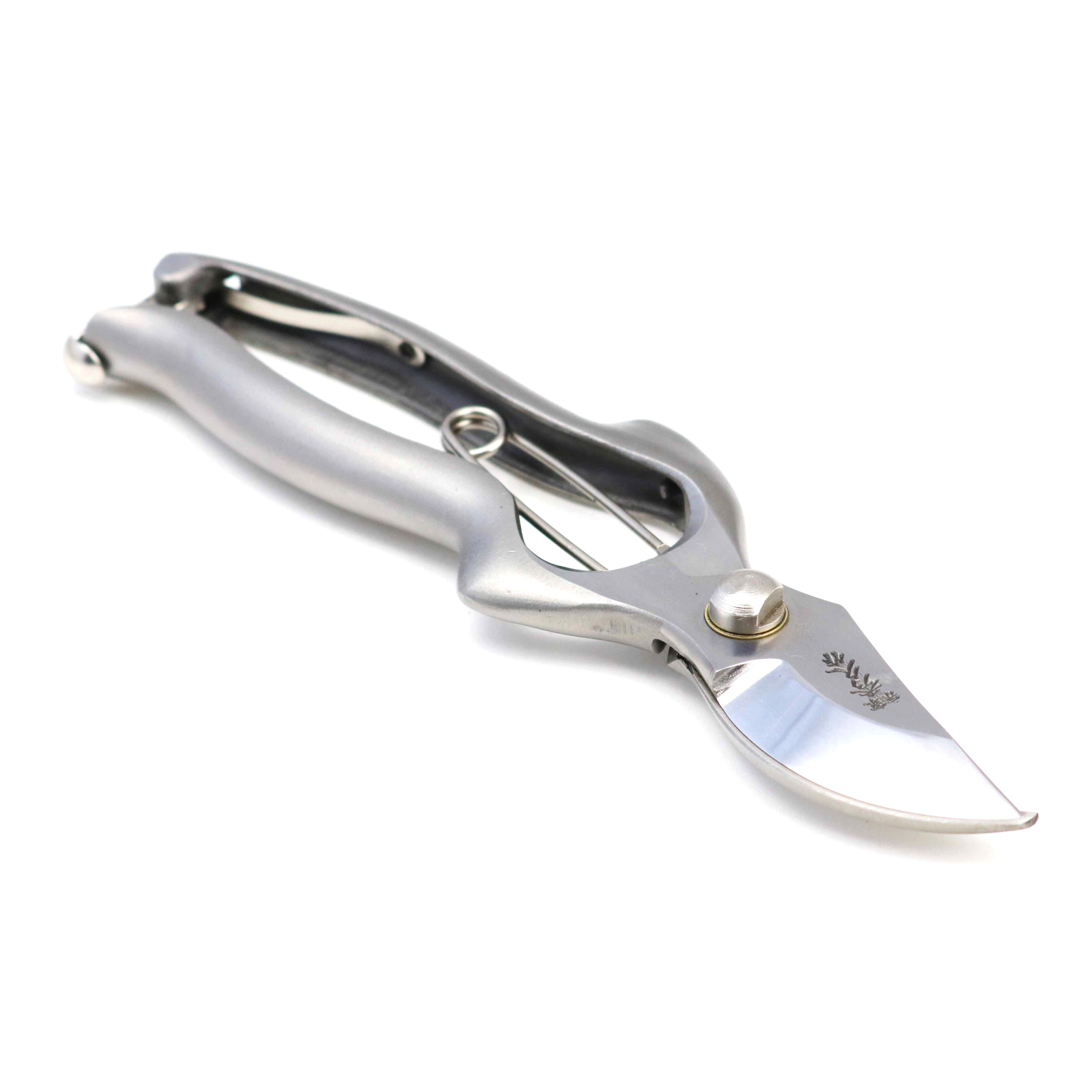
A gently convex hamaguri-ba, or clamshell edge, is clearly evident. In practical terms, it helps support the cut as it moves deeper into the branch. Visually, it gives the blade a calm, refined character. It does not look thin or disposable. It looks shaped with patience.
But the beauty of a forged shear is not only in the blade.
It also appears in the grip.

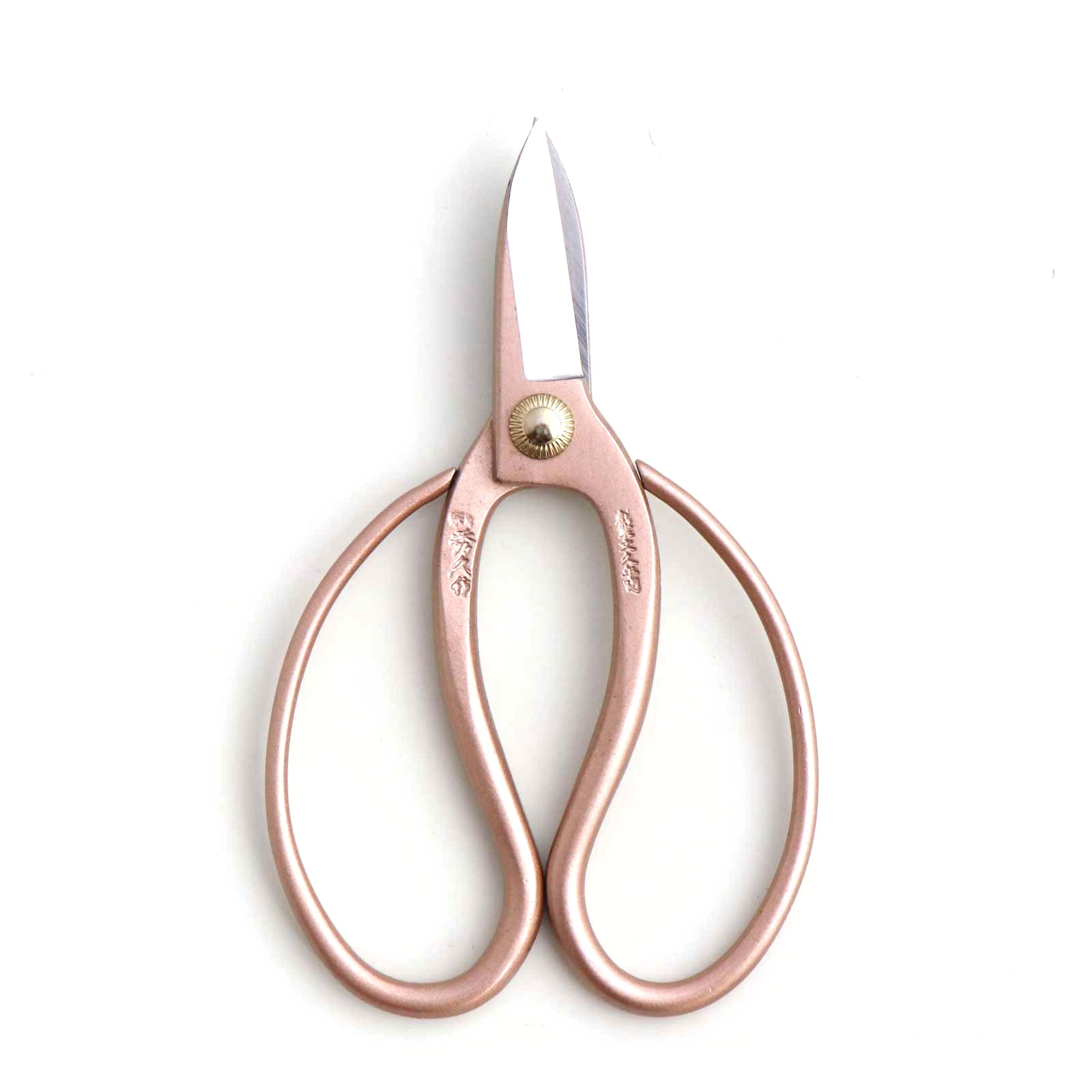
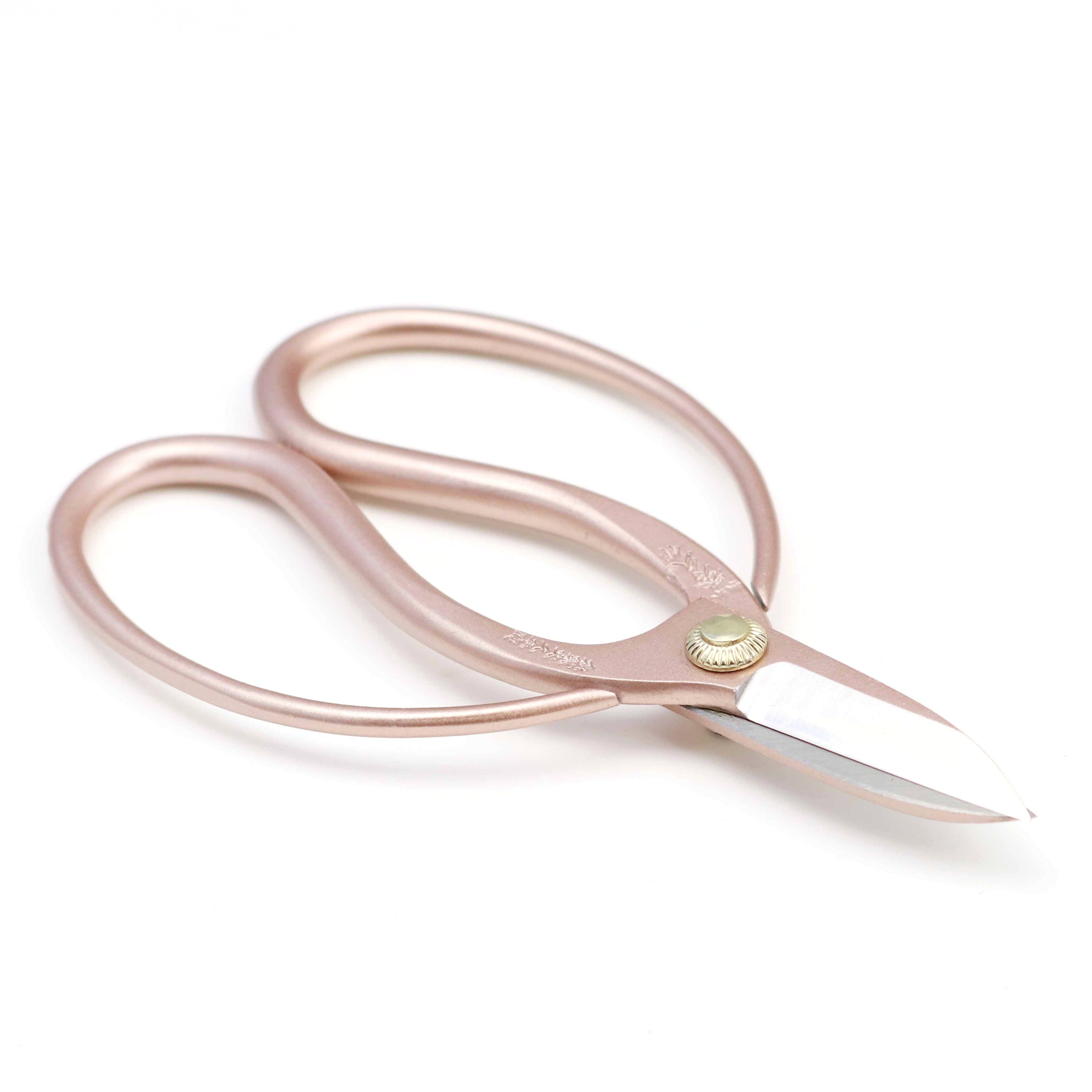
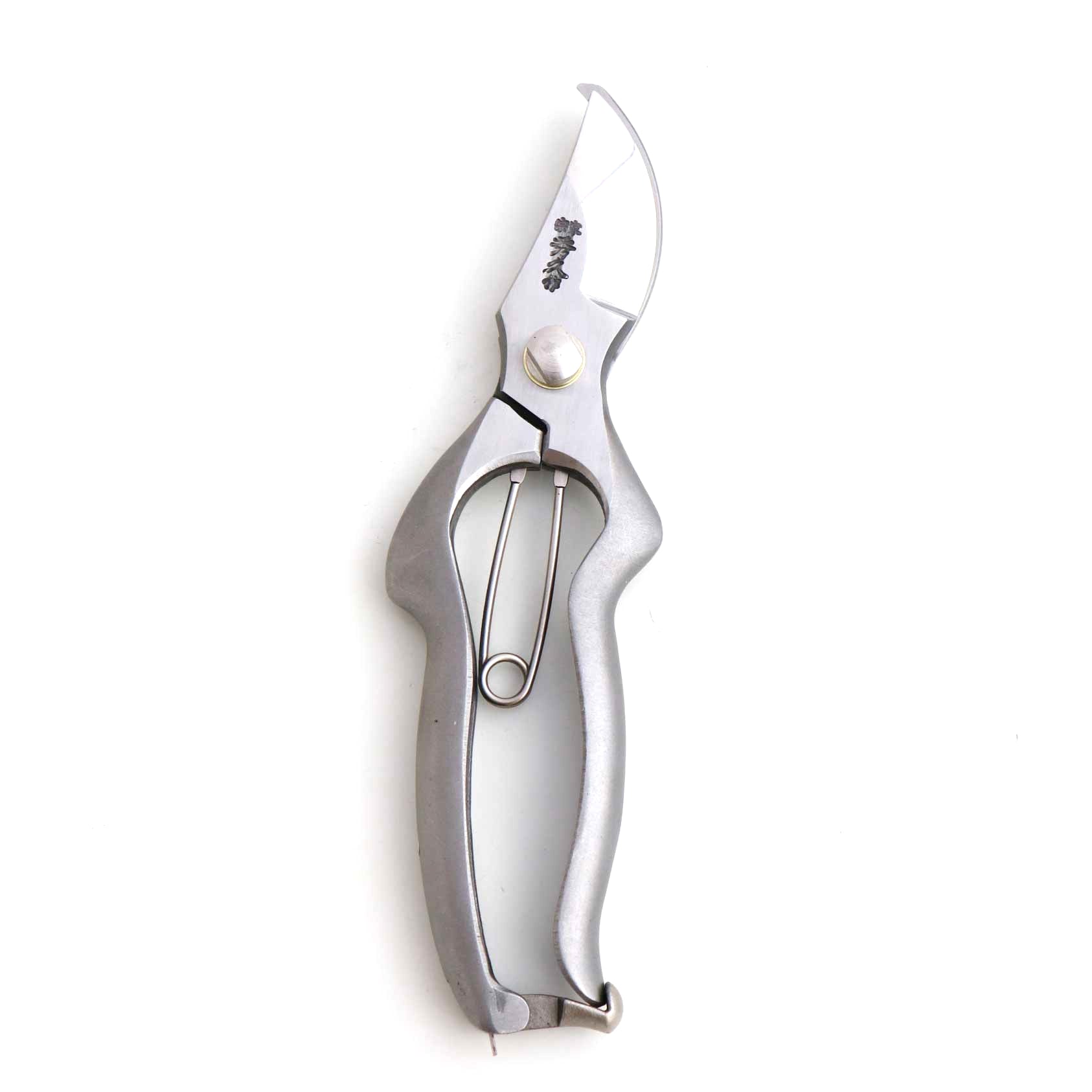
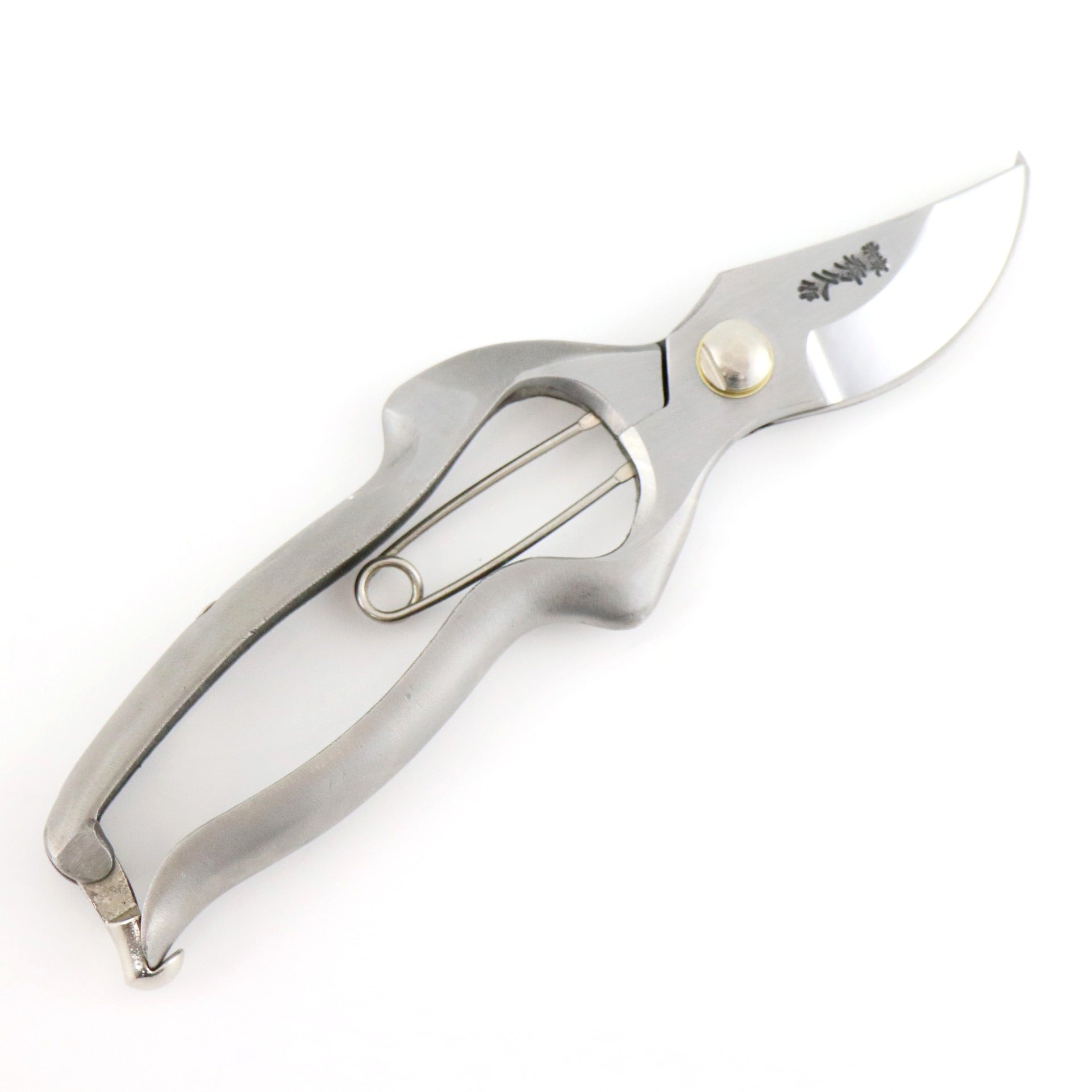
A grip that helps the hand sit more naturally, hold more securely, and apply force more easily will often create a better curve. This is where ergonomic design matters. A well-shaped grip feels more natural in use and also creates a more beautiful form. The curve is not there for decoration. It is there because the hand needs it.
That is why the grip can be as satisfying as the blade.
The blade shows care at the cutting point. The grip shows the same care at the point where the tool meets the hand. A well-shaped grip tells you that the maker thought not only about how the shear cuts, but also about how it feels during real work.
This is one reason a forged shear still looks right after the work is done.
A little sap on the blade does not destroy its beauty. Wiping the steel clean does not reduce it. If anything, those moments make the object feel more real. The tool remains beautiful not because it is protected from use, but because it was made for use from the beginning.
Care Changes the Relationship

A forged pruning shear is not a tool that asks nothing of its owner.
After work, it asks for a little time. The blade should be wiped clean. Sap should not be left to harden. Moisture should not remain on the steel. From time to time, a light coat of oil is needed. Eventually, the edge must be sharpened.
There are certainly tools that ask less. For some gardeners, that will always be the right choice. Ease has its own value.
But another kind of satisfaction appears when a tool asks for some care in return.
You come back from the garden in the late afternoon. The work is done. There is soil on your gloves and a little sap on the blade. Before putting the shears away, you wipe the steel with a cloth. You open and close the blades once or twice, feeling whether the action is still smooth. You look at the edge in the light. You leave a faint oil trace before storing it.
The whole thing may take only a few minutes.
Over time, those minutes begin to matter. They slow you down. They help you notice the tool properly. You begin to know what the blades feel like when they are clean and properly tuned. You begin to notice small changes before they become large ones.
The tool teaches you its condition, its rhythm, and its character.
That is when ownership begins to deepen.
How It Becomes Your Own
Many useful things remain interchangeable throughout their lives. They do their work well, and when the time comes, they are replaced. There is nothing wrong with that.
But some tools become more personal with time.
A forged pruning shear can be one of them.
You remember the first cuts that made you trust it. You remember the season when the balance stopped feeling unfamiliar and began to feel natural. You remember the first time you noticed, almost without thinking, that the edge was beginning to lose a little of its bite. You remember wiping it down after rain, or taking a moment to oil it before putting it away for the evening.
None of these moments is dramatic. That is exactly why they matter.
Attachment to a tool is rarely formed in one large moment. More often, it gathers slowly through repeated use and repeated care. Over time, the tool becomes less like equipment and more like a part of your own way of working.
As a gardener, you choose the tools you use for the work you do. But if the tool is good enough, and if you stay with it long enough, it stops feeling like just another piece of equipment.
It starts to feel like your own.
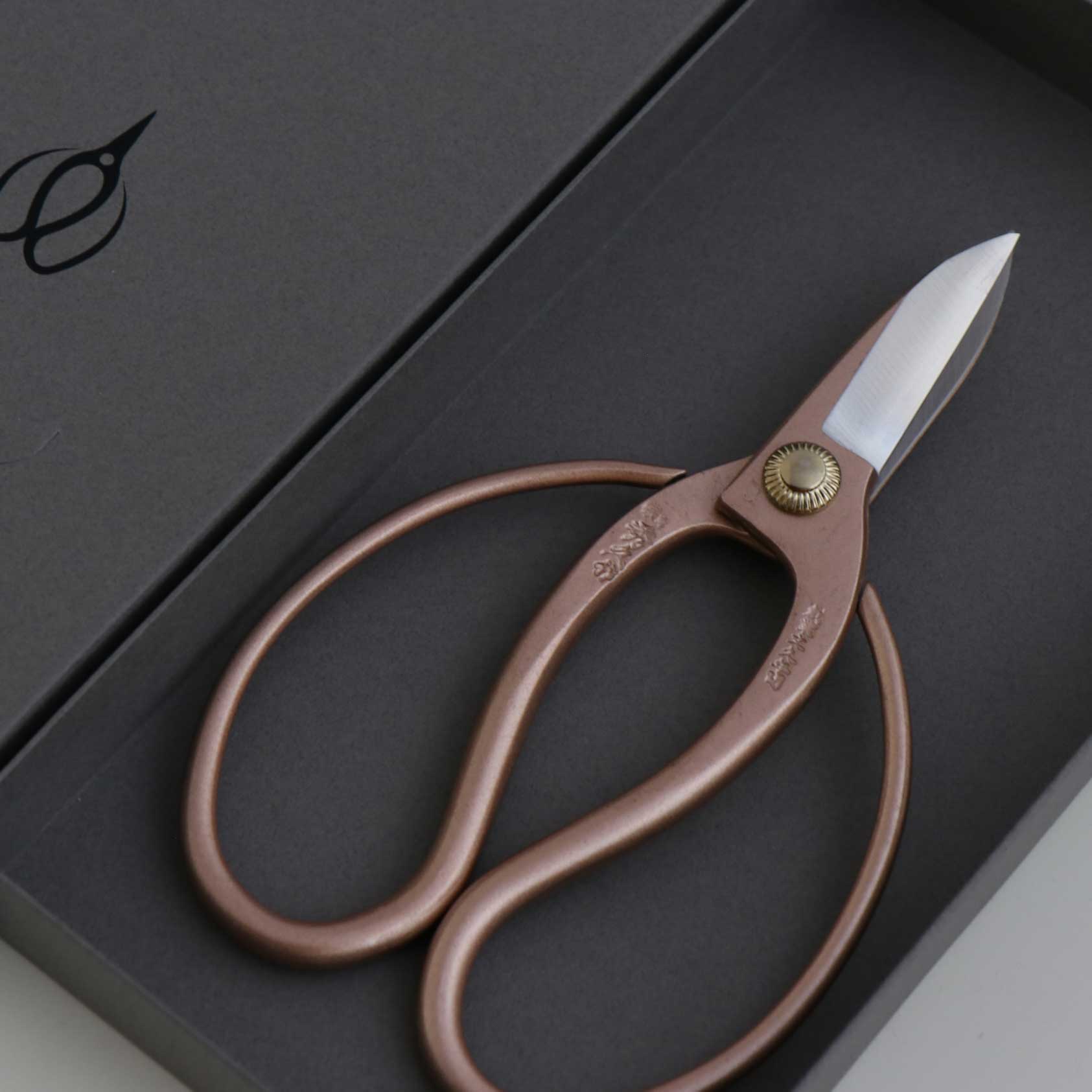
You can explore our forged pruning shears collection to find the shape and grip that best fit your work.
Why It Is Worth It

A forged pruning shear is worth owning not only because it cuts well, but because it lasts. It's worth owning because its function is what gives it beauty. And it's worth owning because the care it asks of you is what makes it feel more personal over time.
At Toyama Hamono, we believe that is part of what a good tool should offer. Not just performance. Not just appearance. But the deeper satisfaction of owning something that stays useful, beautiful, and personal for as long as you keep it.
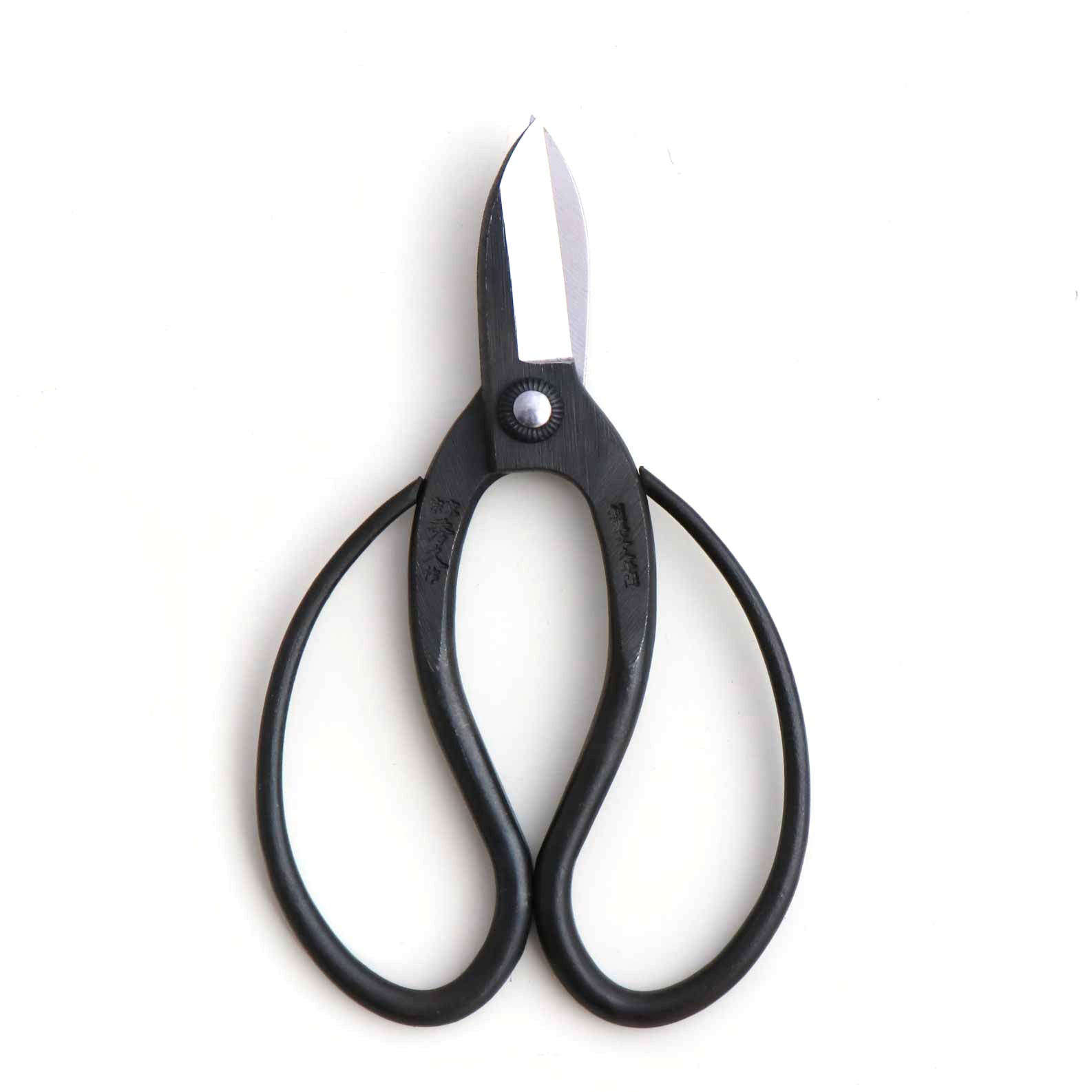
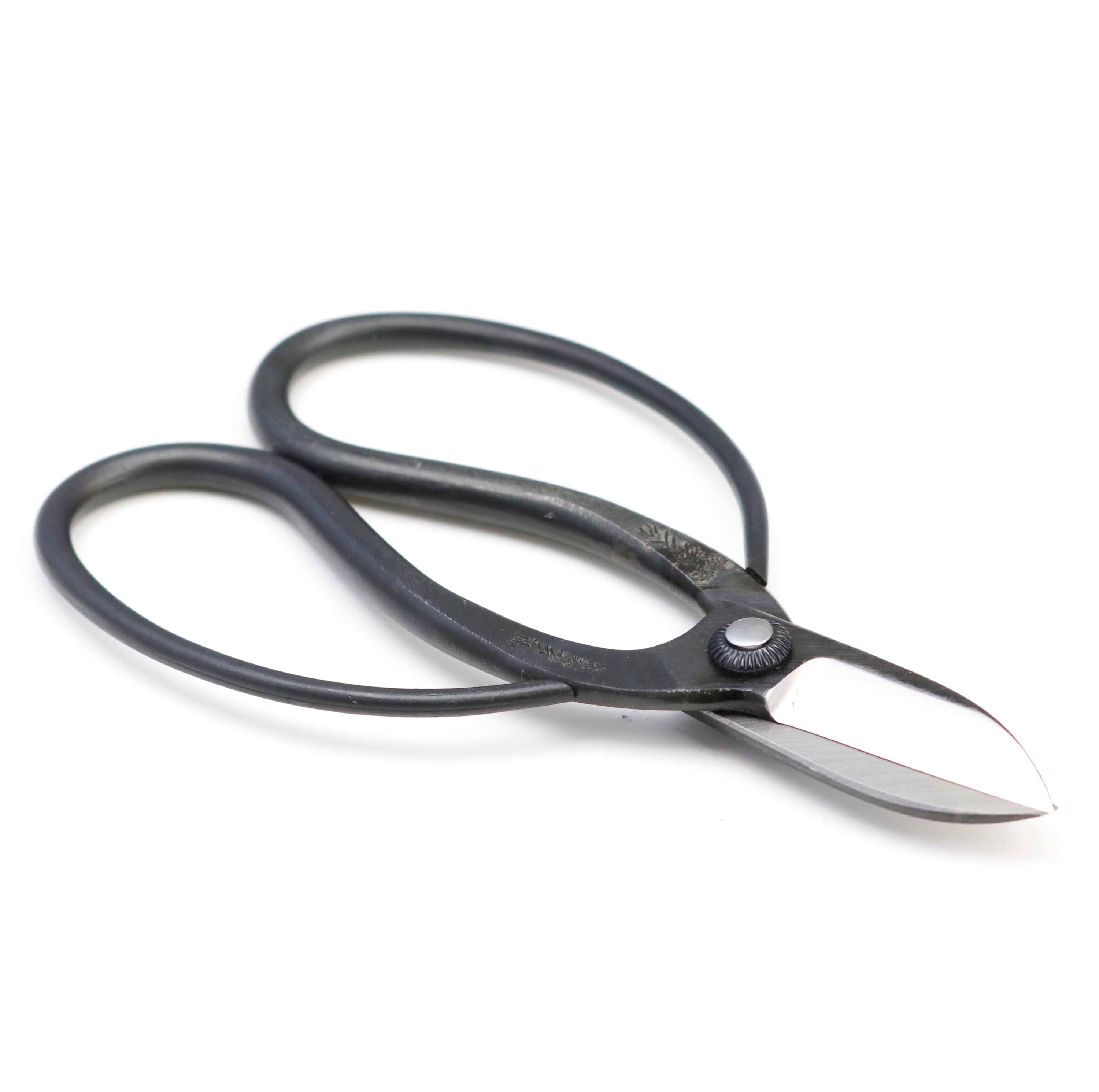
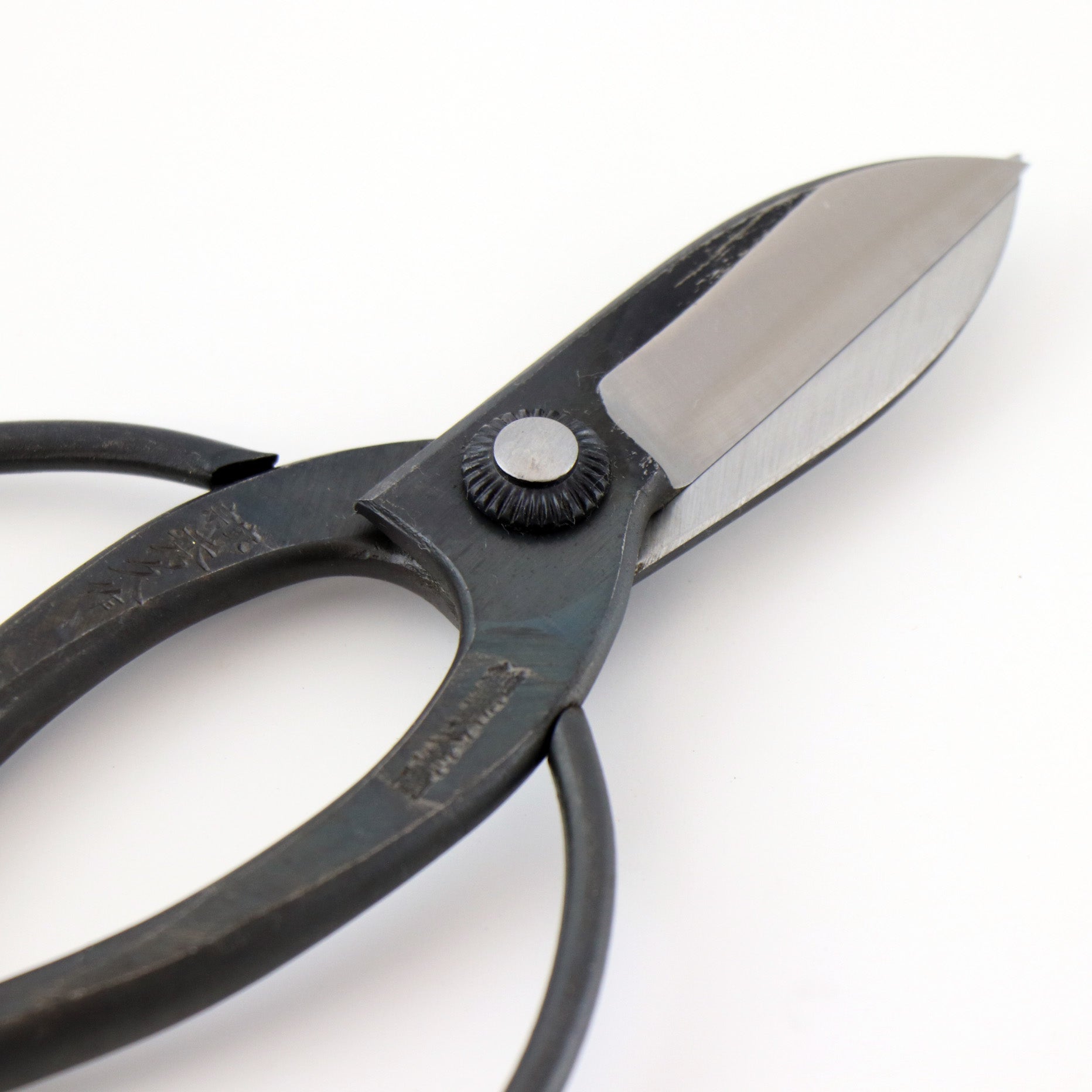



Share:
Your First Japanese Garden Shears: Snips, Pruning Shears, or Traditional Okubo-Style
What Are Garden Snips? Japanese Snips for Precision Pruning