
From traditional silk rubbing to heat oxidation—and the patina that develops with use
By Hidenobu Toyama, CEO & Fifth-Generation Head of Toyama Hamono
People who pick up a pair of Toyama Hamono shears sometimes ask us, “Is the black surface painted?”
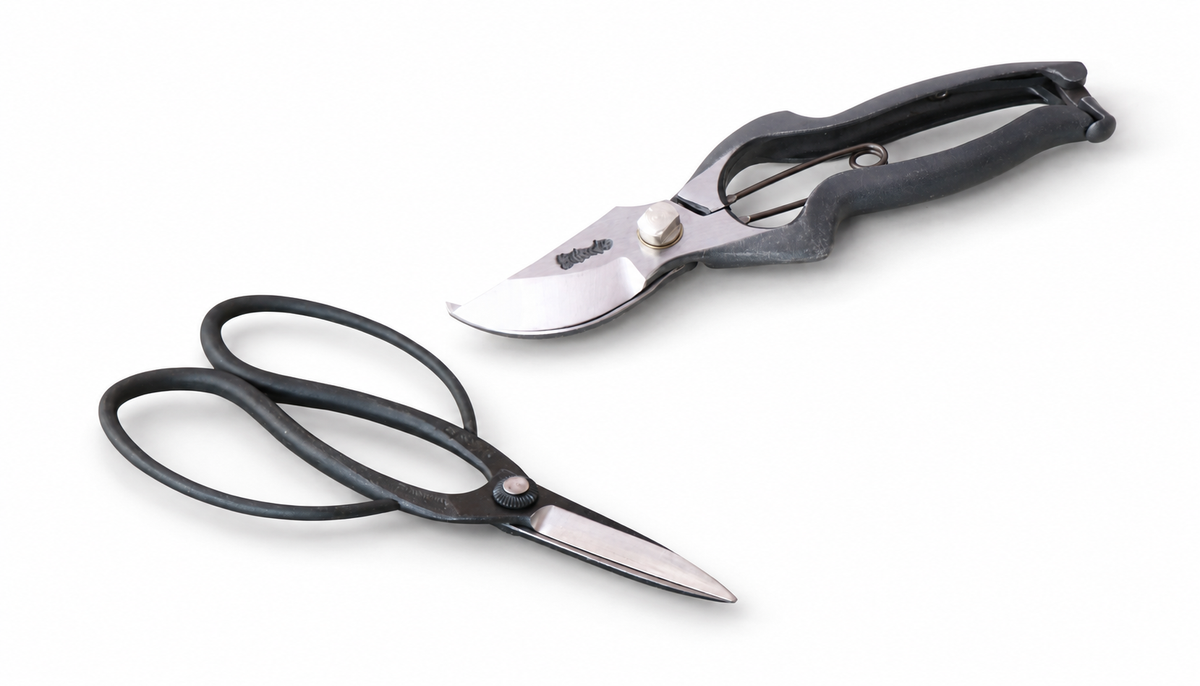
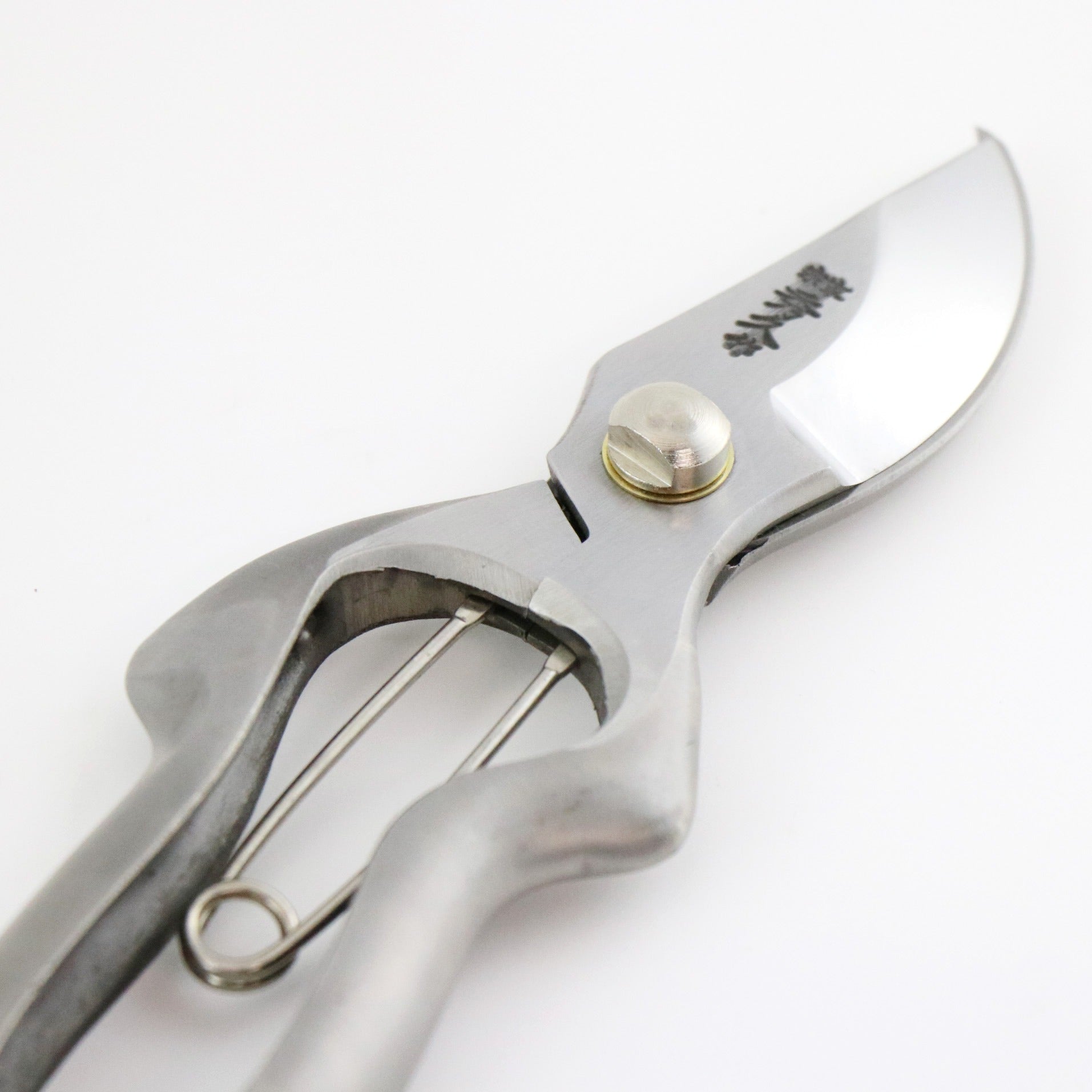
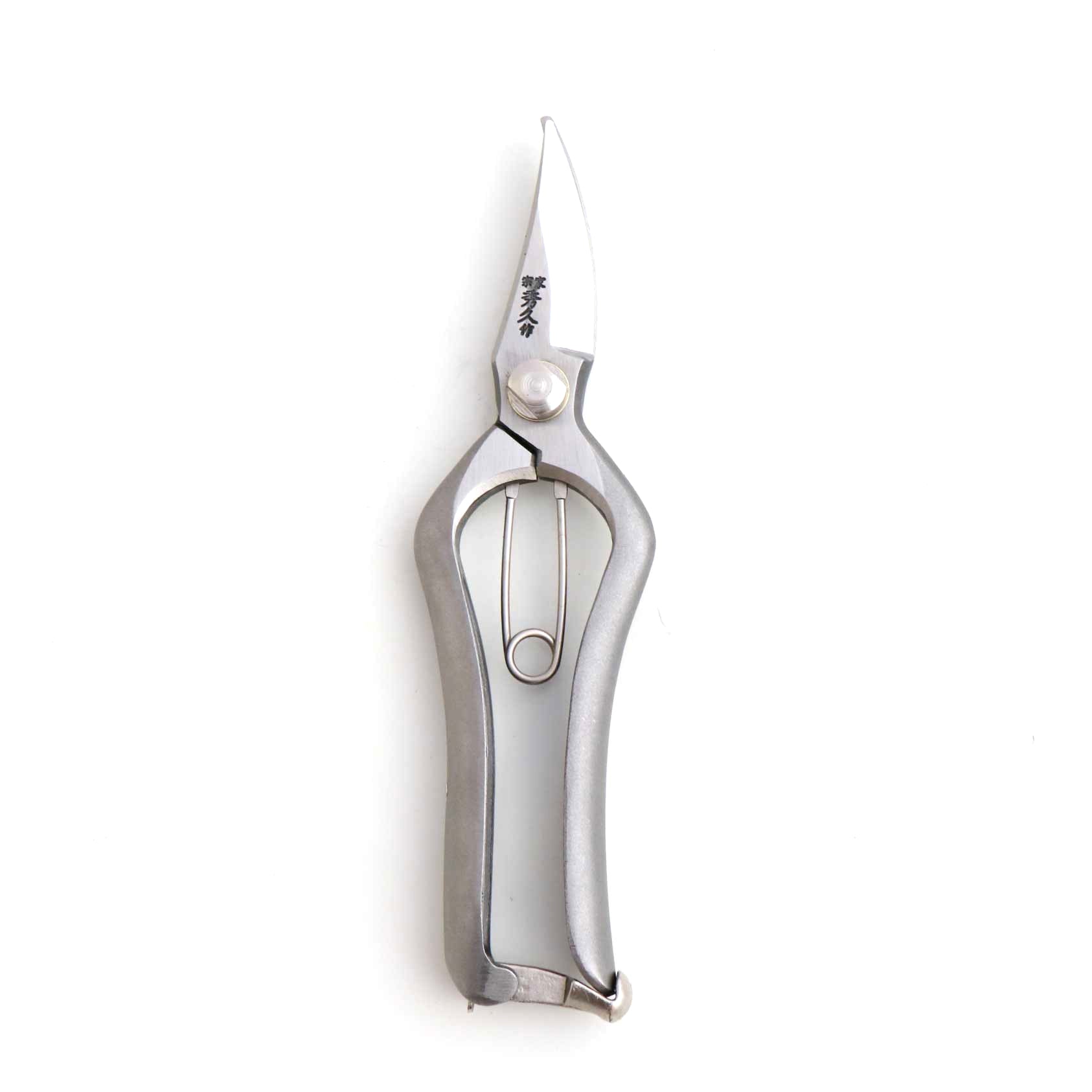
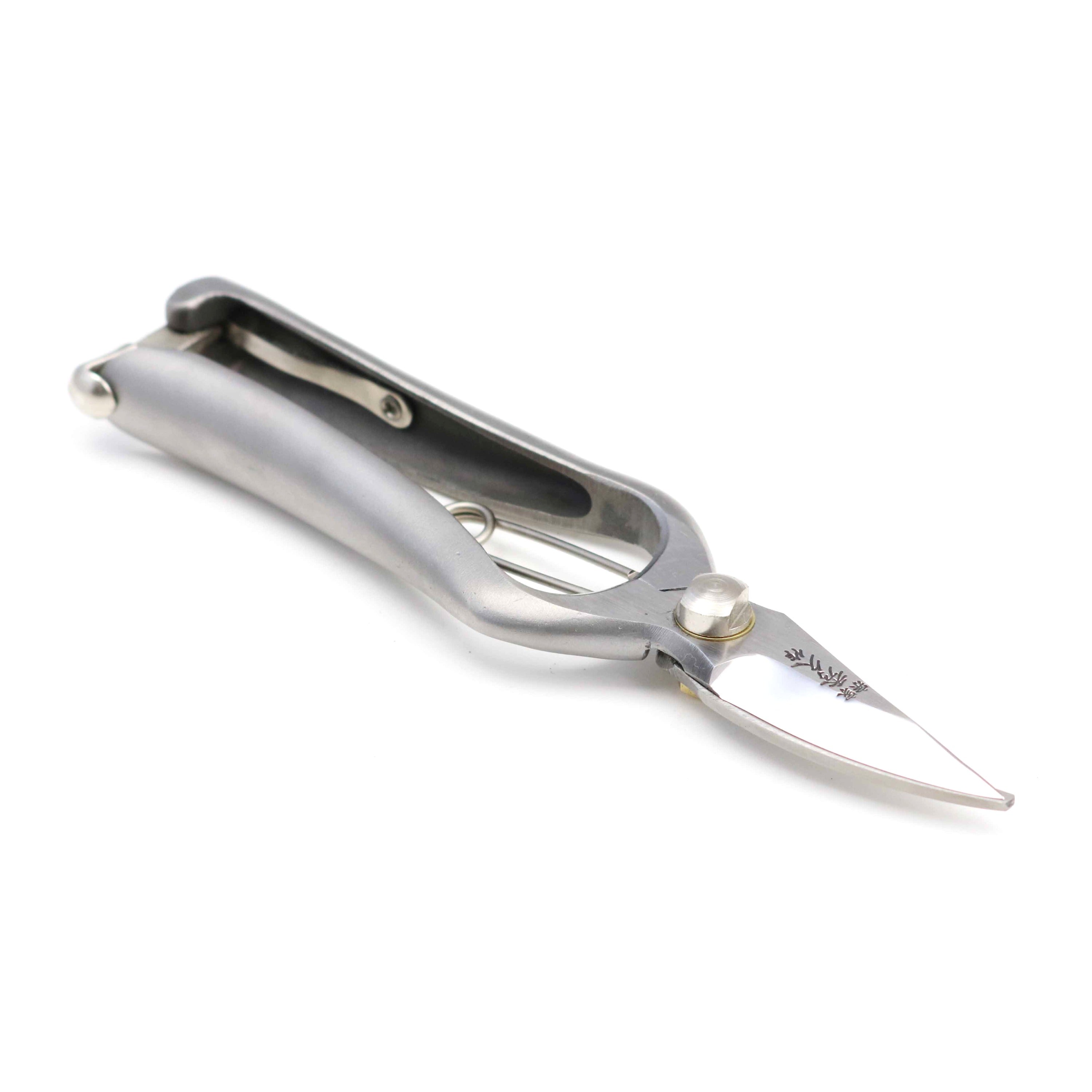
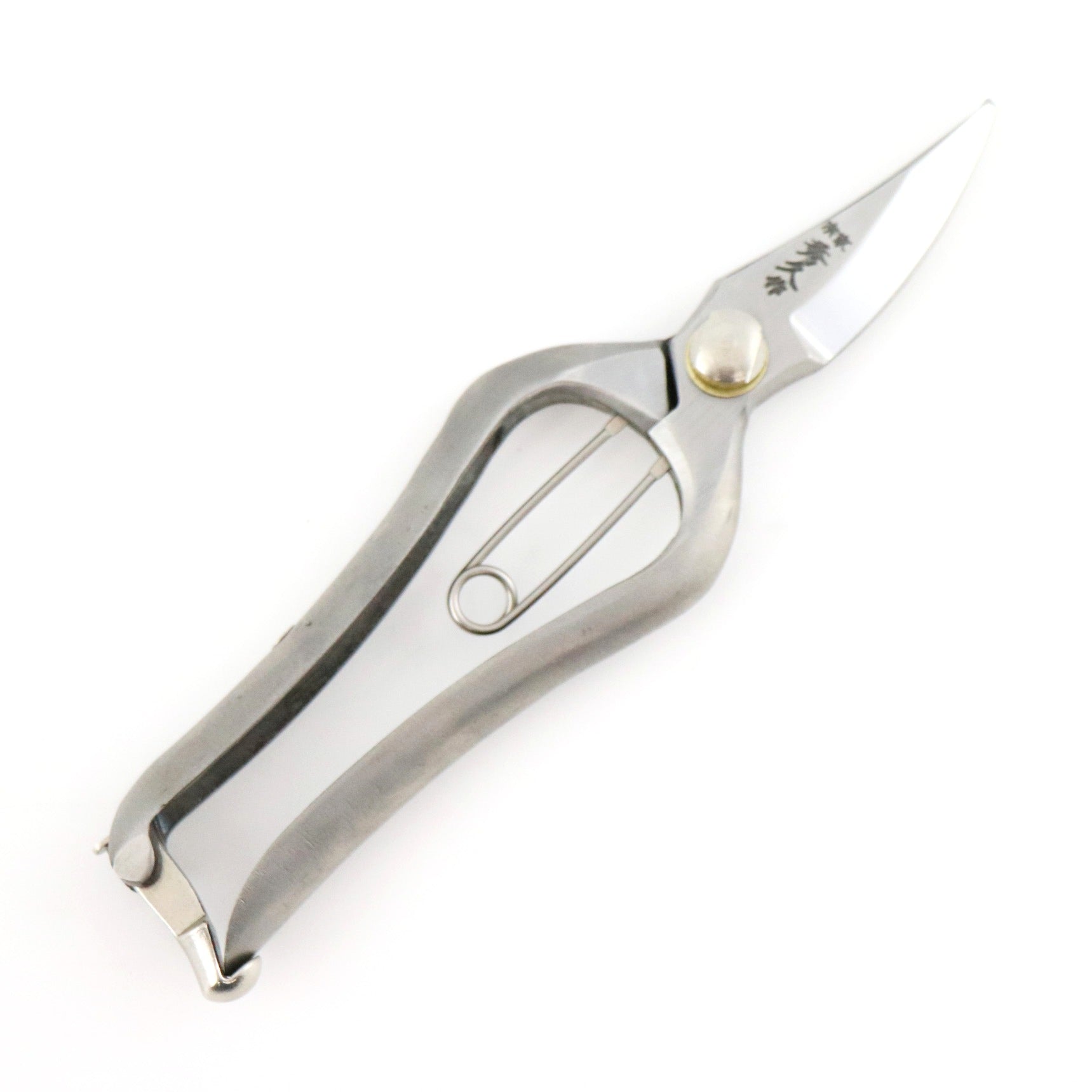
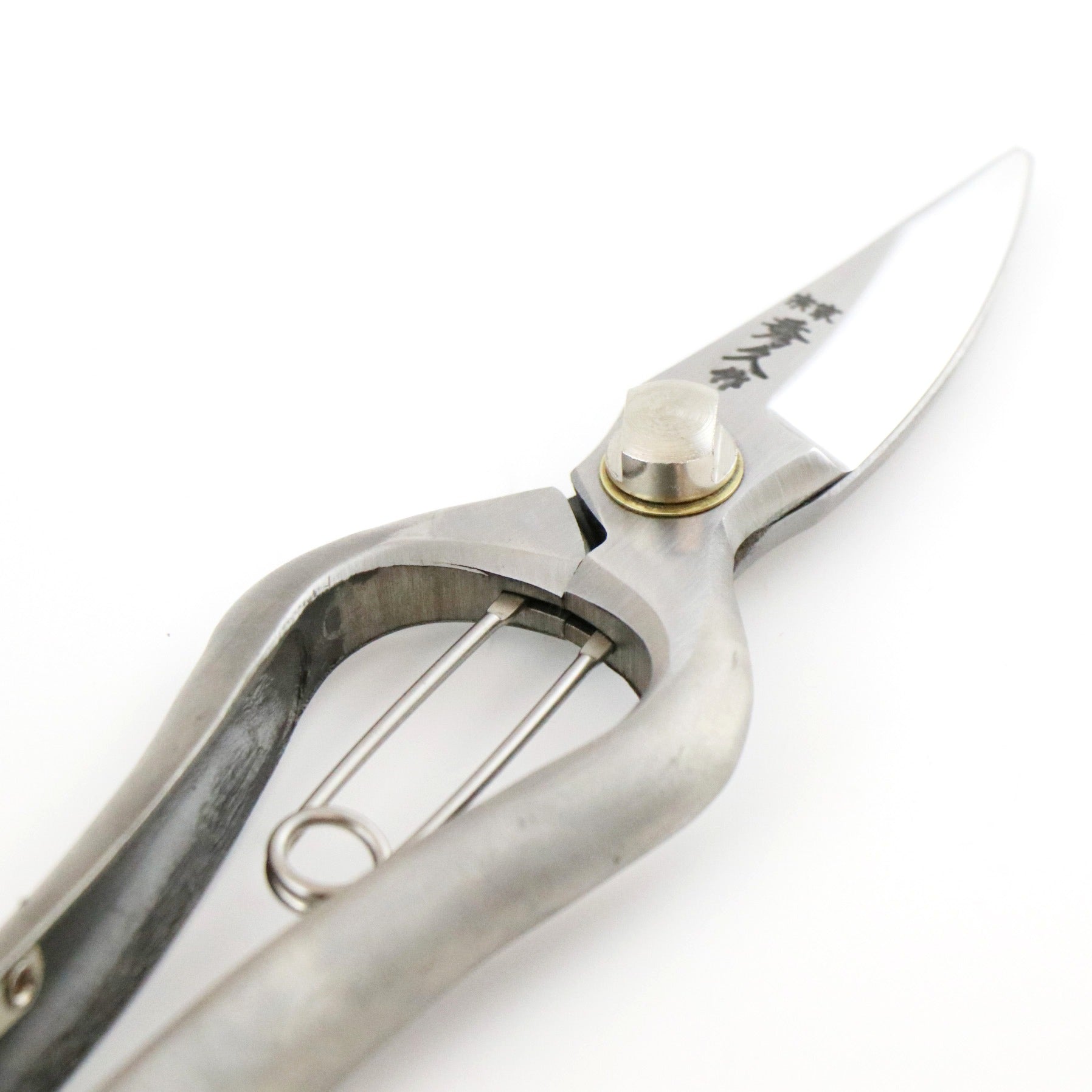
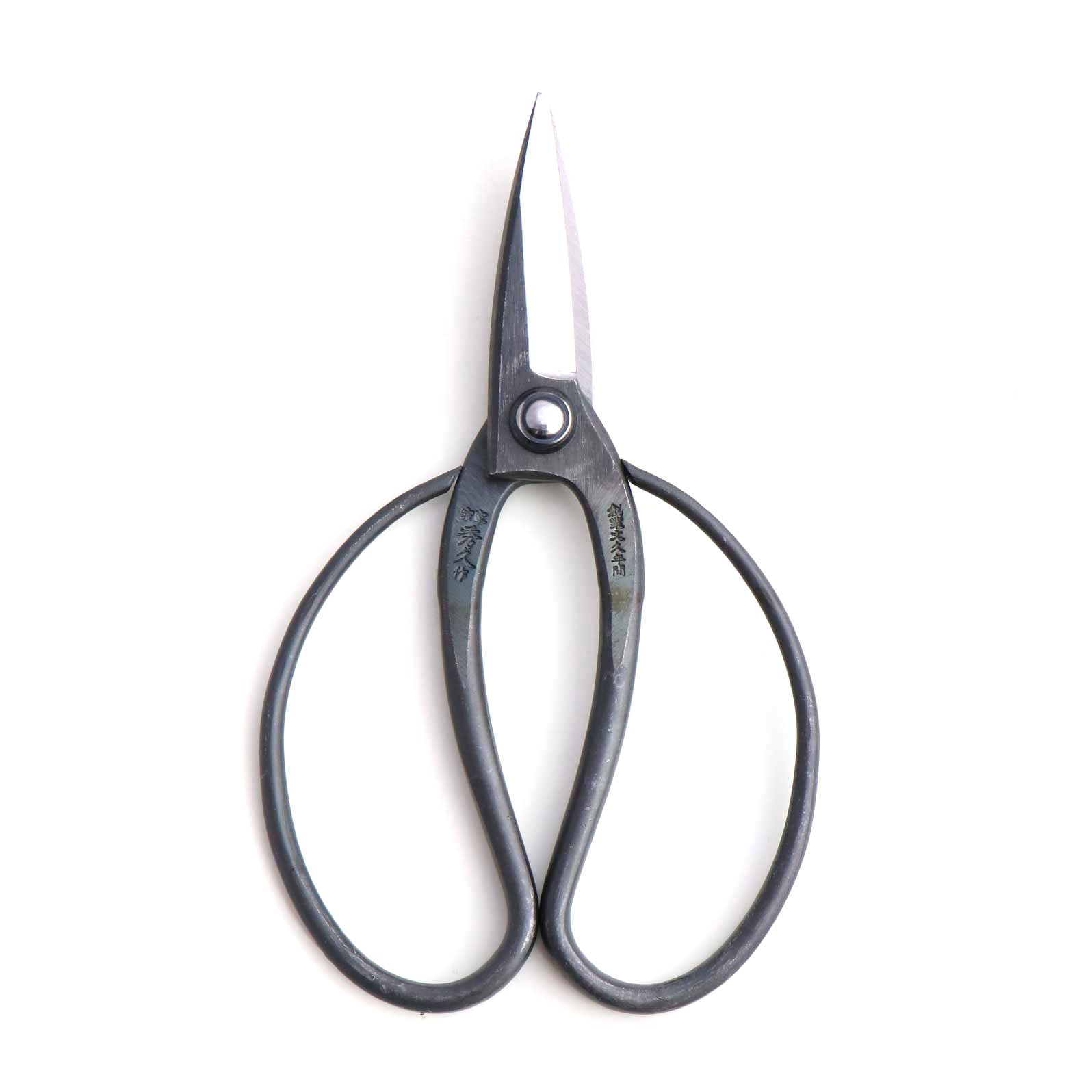
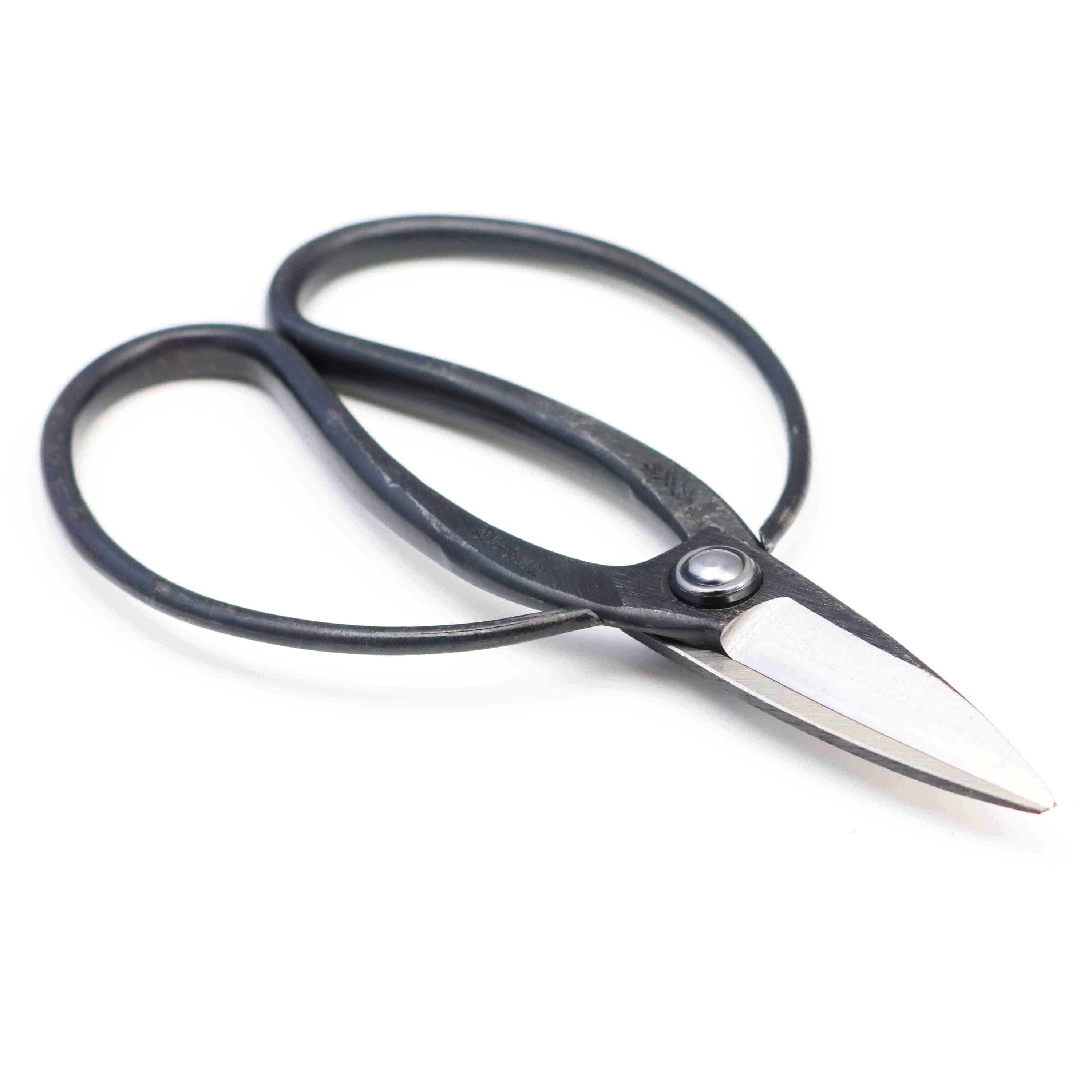
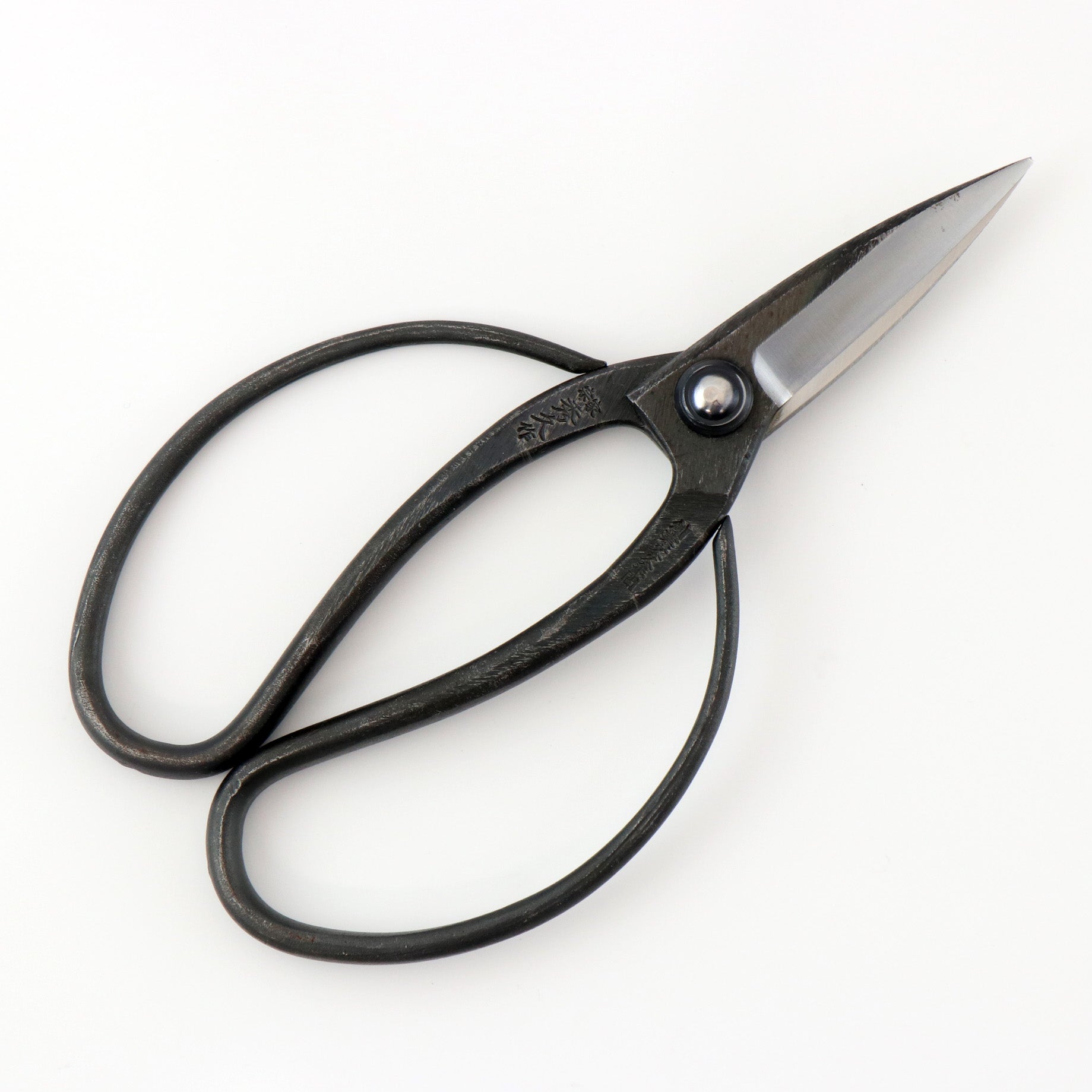
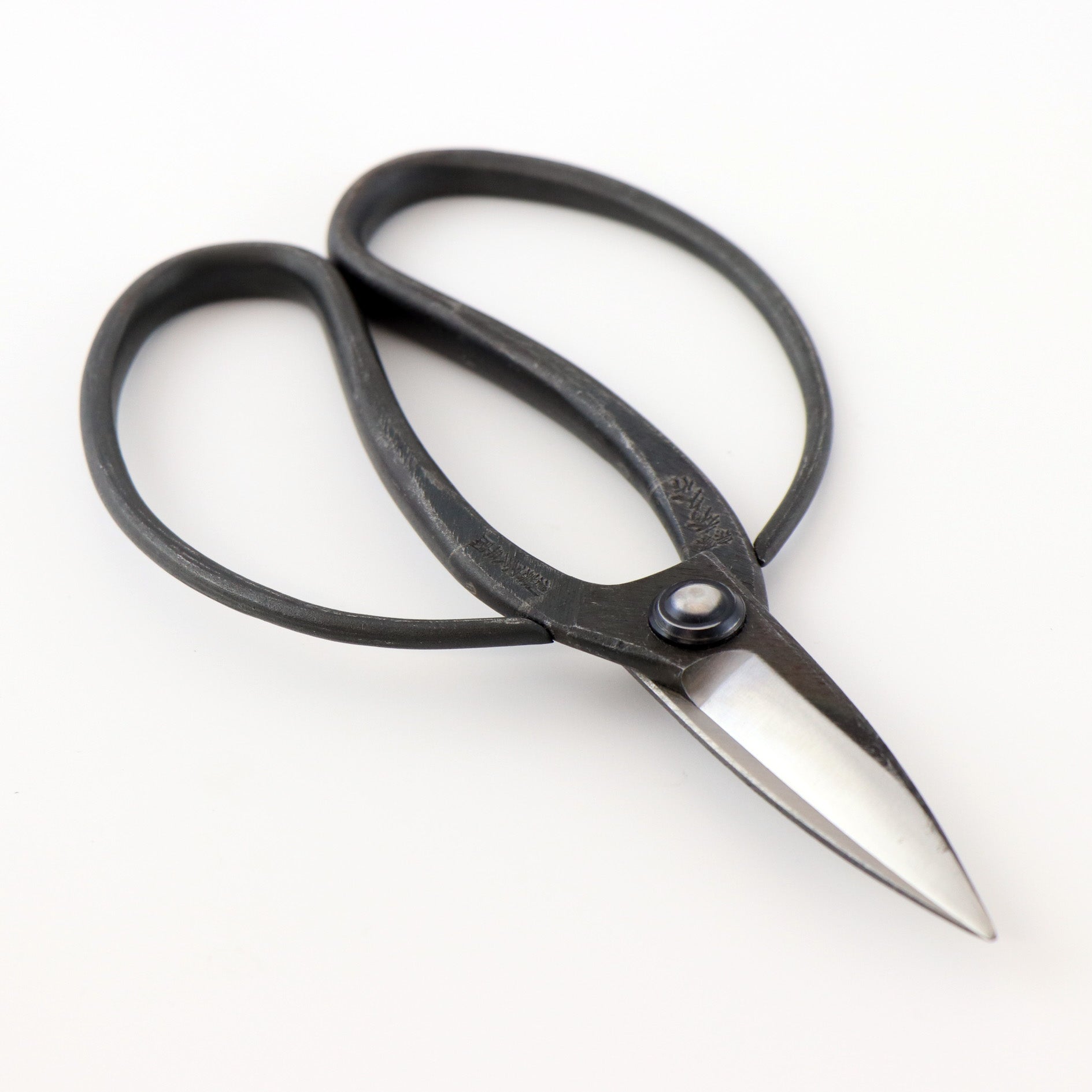
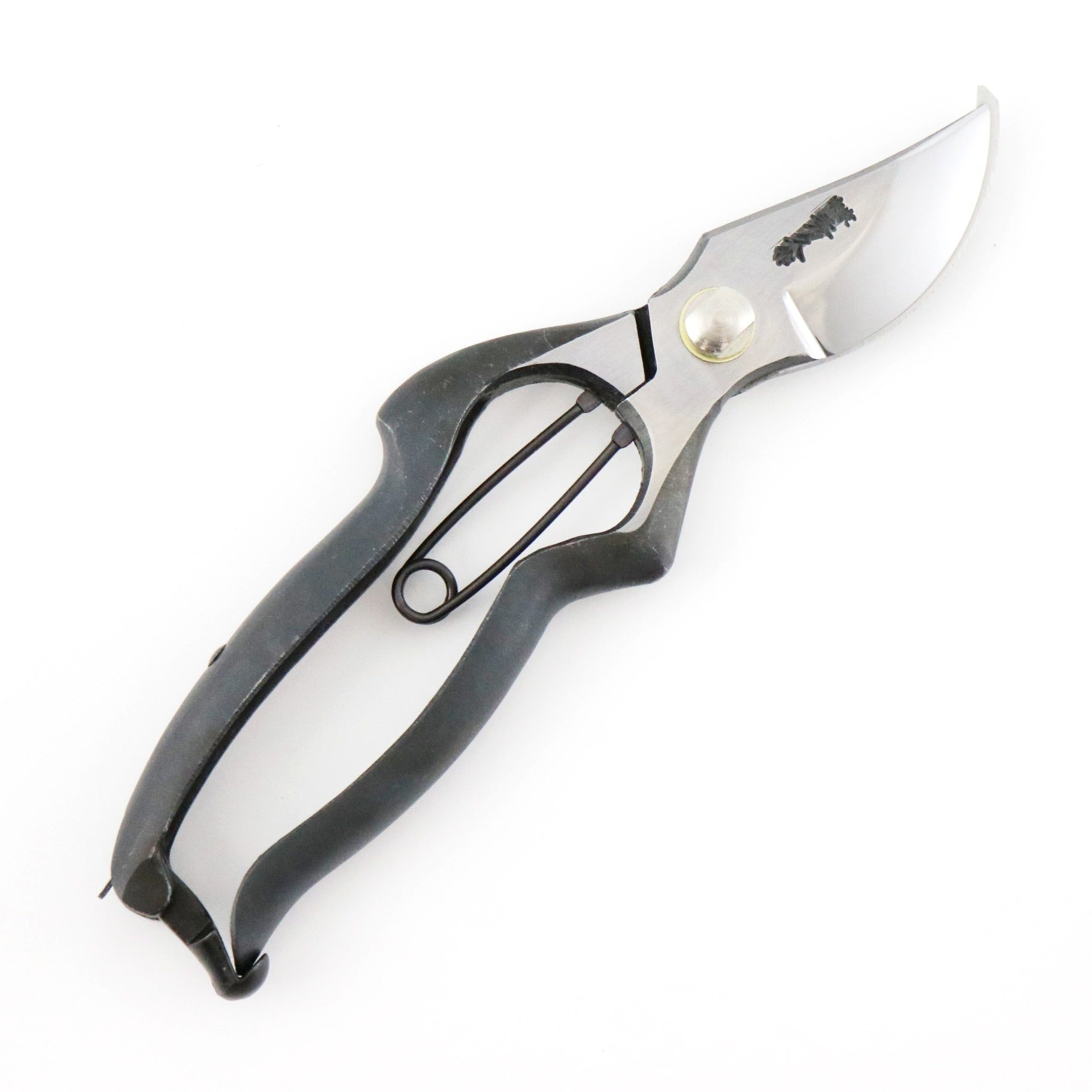
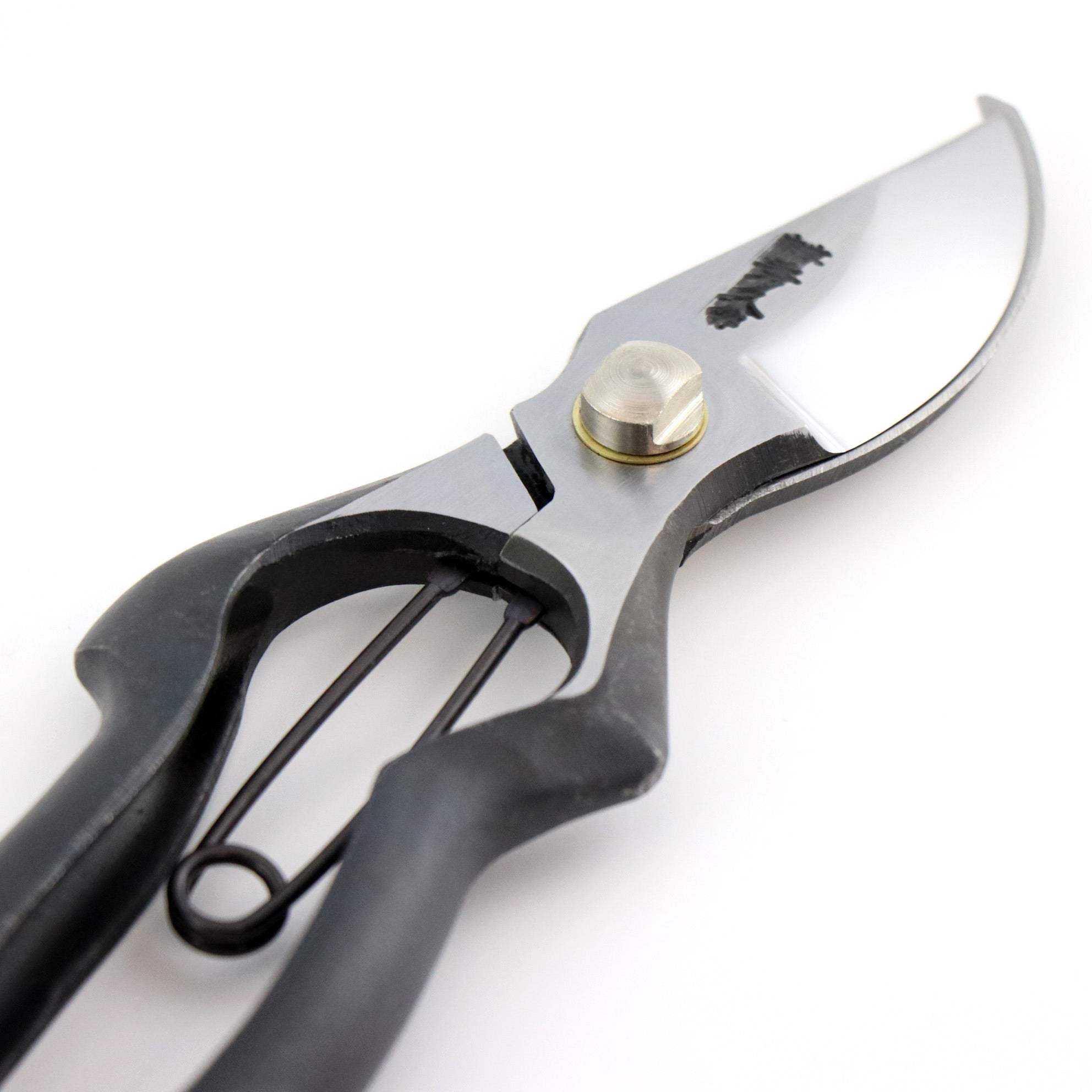
The answer depends on the product. Most of the high-carbon steel shears we offer internationally, from pruning shears (secateurs) to traditional garden shears, aren't colored with paint. Instead, we heat them in a dedicated furnace so that the surface of the steel itself turns black. For our T8 series of floral shears, however, we deliberately choose a painted finish.
That’s our approach: rather than giving every pair the same finish, we choose the one that best suits each tool’s purpose and character.
Main Finishes on Our International Range
|
Product |
Finish |
How it changes with use |
|
Most high-carbon steel shears, both spring-loaded and traditional styles |
Heat-blackened in a dedicated furnace |
The depth of black and surface sheen gradually change, developing a patina |
|
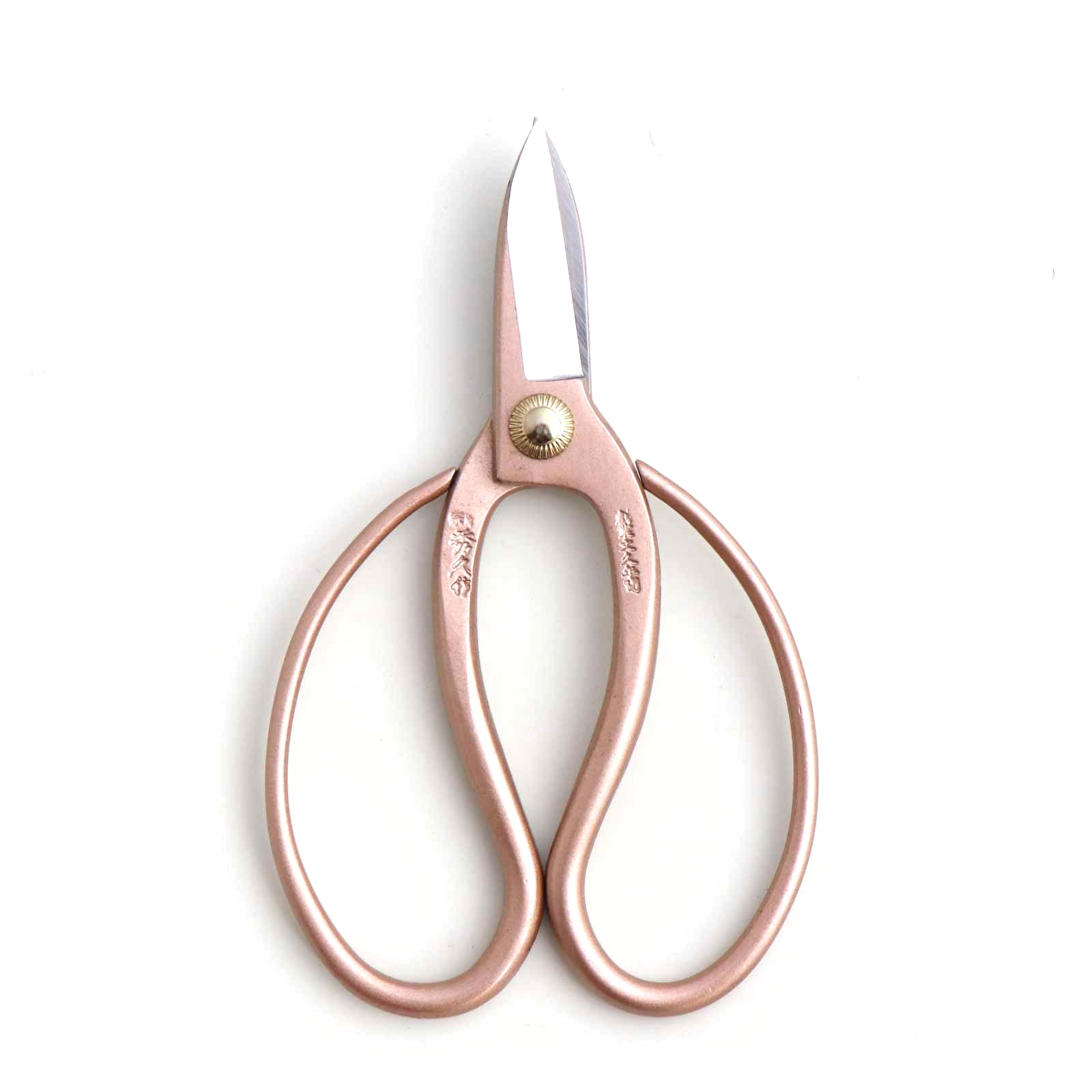
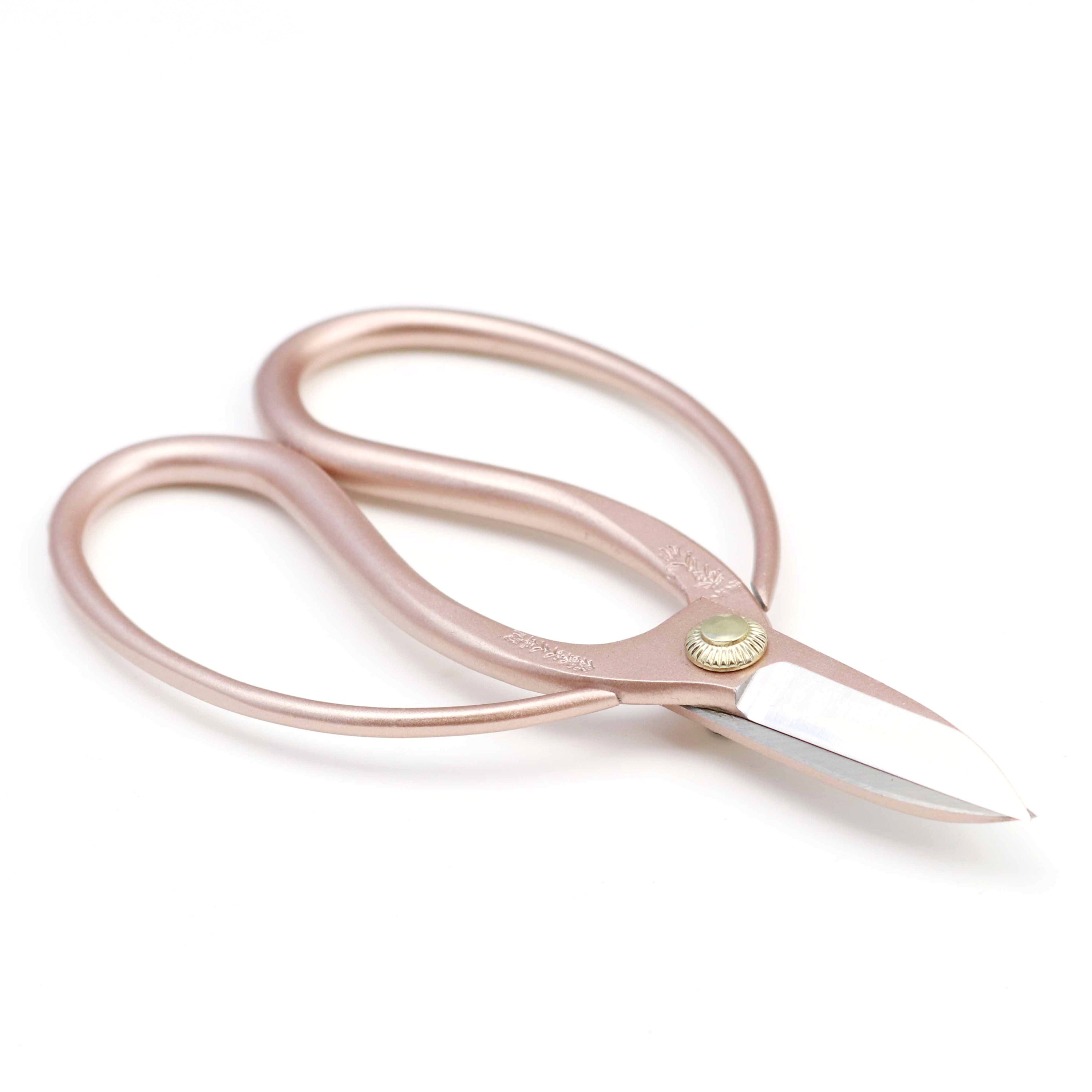
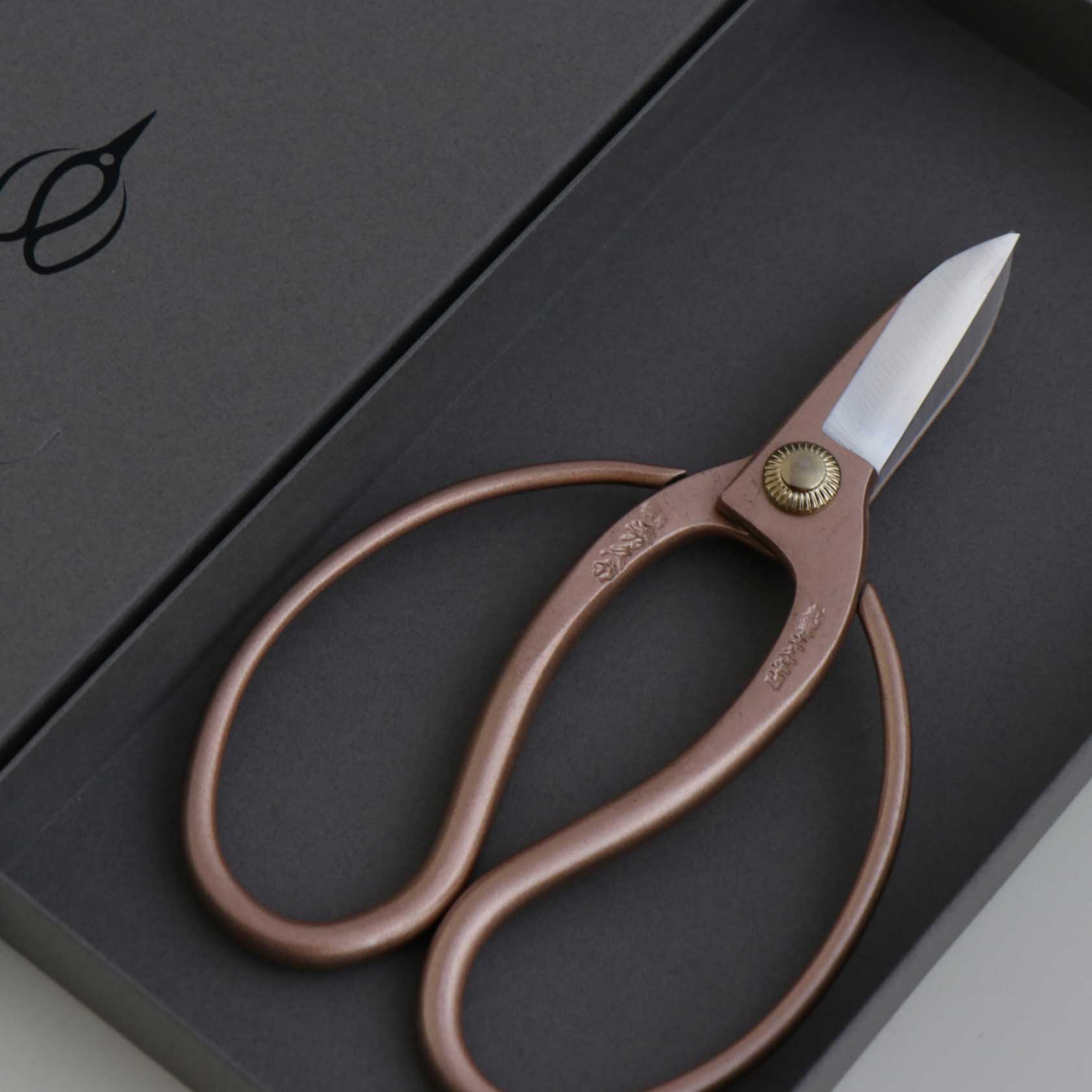
T8 floral shears |
Painted |
The paint gradually wears with use |
Some of our black stainless steel models use a different surface treatment. This article covers the heat-blackened finish on our high-carbon steel shears and the painted finish on the T8.
Where It Began: Kinu-tsugi
Our black finish began with Kinu-tsugi, a traditional silk blackening technique. Silk cloth is rubbed against heated iron to create a distinctive black surface. This Japanese coloring method has been passed down through generations, including within our own workshop. We still use it today on the T1S Okubo-style garden shears, and on the T4S bonsai scissors we make for the Japanese market.
You can also watch the Kinu-tsugi process we use on our products for Japan in the video below.
Heat Blackening: A Black Finish Formed from the Steel Itself

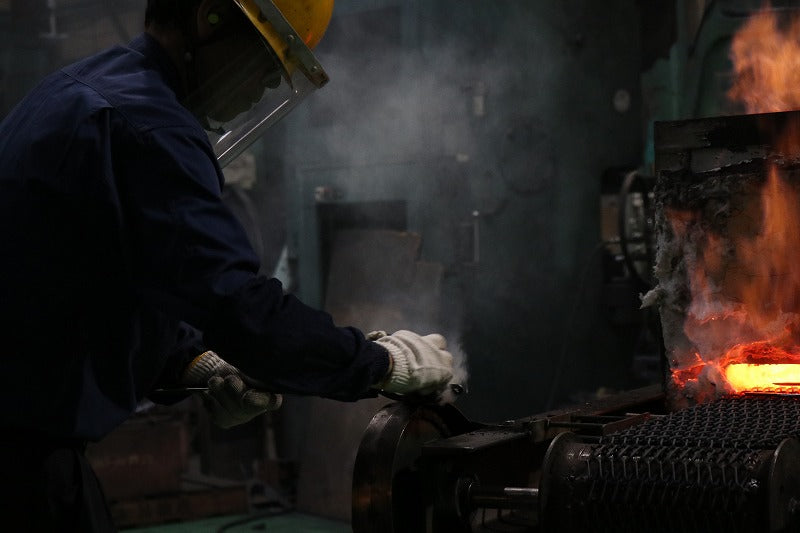
Most of our high-carbon steel shears for international markets, both spring-loaded and traditional styles, are blackened by heating them in a dedicated furnace. This method carries forward the principles of Kinu-tsugi while adapting them to the way we make shears today.
When steel is heated under the right conditions, a very thin oxide layer forms on its surface. This layer creates shades of deep black and ink black, sometimes with a faint blue or gray cast depending on the light.
The difference from paint lies in where the color comes from. Paint adds a layer of color on top of the steel. Heat blackening changes the surface of the steel itself, turning it black. The surface is not coated in black paint, and we don’t use the chemicals typically used in conventional painting.
As a result, this process doesn’t produce the completely uniform black of an industrial paint finish. The depth of black can appear different depending on the light, and there are slight variations in shade and sheen from one pair to another. These are natural characteristics of this finish.
Why We Choose Paint for the T8

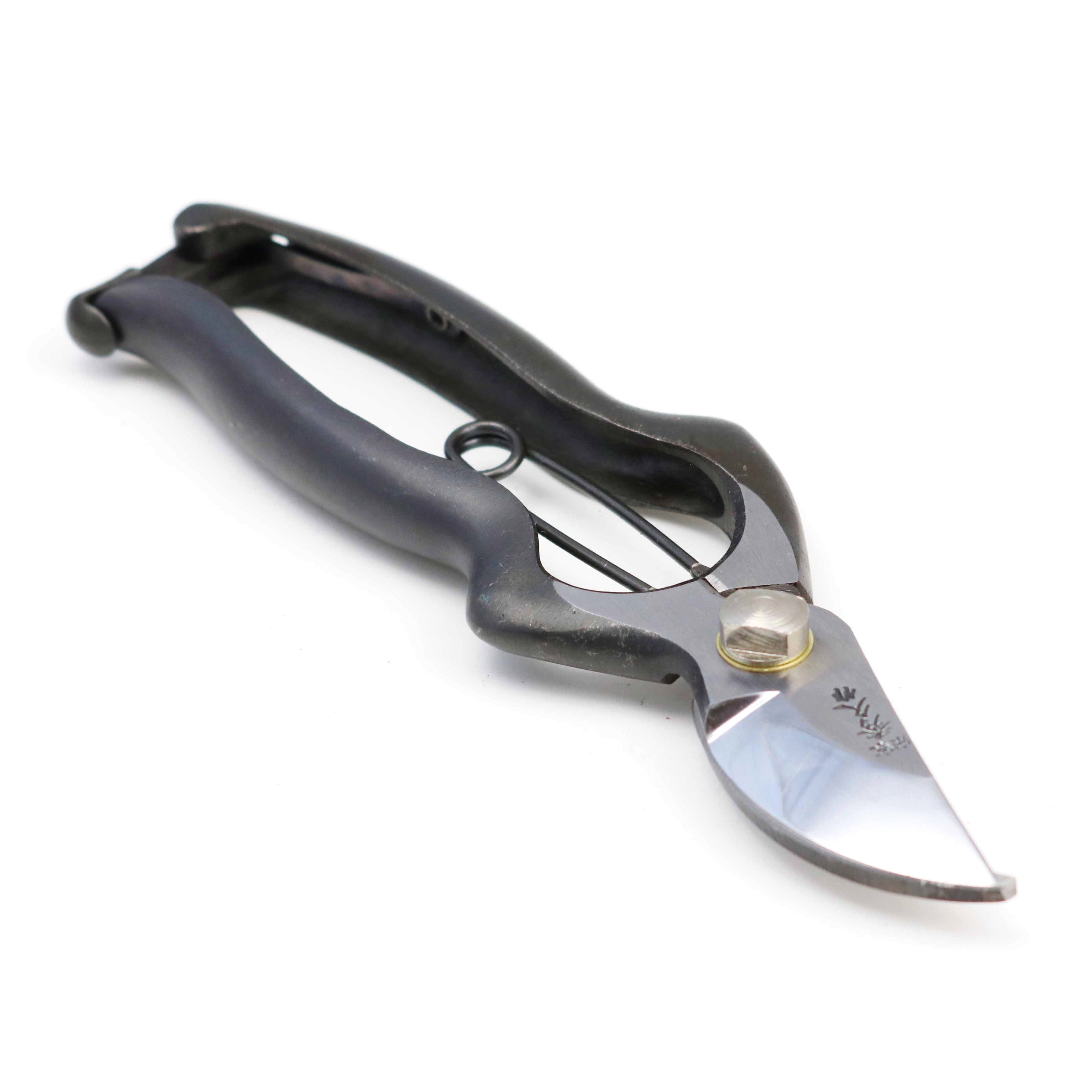
The T8 is designed for cutting and arranging flowers in ikebana, the Japanese art of flower arranging. Unlike shears used for pruning garden trees, these tools are used in settings filled with color. So we wanted the shears themselves to be colorful too, which is why we finish them with paint.
A painted surface changes differently from a heat-blackened one. With long use, the paint may gradually wear in areas that are frequently handled or rub against other objects. Small scratches or chips may also appear.
Patina: Character Shaped by the Person Who Uses It

Image: A customer's well-loved T19 shears, beautifully aged through years of use. Despite the natural patina, they have been carefully maintained, retaining their sharp cutting performance and smooth, effortless opening and closing. These shears have developed the distinctive character and timeless elegance of a tool shaped by years of use.
Heat-blackened shears offer a different kind of pleasure from painted ones: their appearance evolves the more you use them.
A new pair carries the finish exactly as it left our workshop. Over years of use, areas frequently touched by the hand develop a sheen, the black gradually lightens where it rubs against other surfaces, and the base metal may begin to show at the corners. These changes over time are known as patina. Like leather, wood, and brass, steel tools carry traces of their years of use on their surface.
Even two pairs of the same model will look different after several years, depending on how often they are used, what they cut, how they are held and cared for, and where they are stored.
Slight variations in shade and sheen, along with wear of the black surface through normal use, are characteristics of this finish, not manufacturing defects. A heat-blackened finish is not intended to keep a tool looking new forever.
In our workshop, we create the surface you start with. The character it develops from there is up to you.
Patina is not rust
Enjoying how the surface changes doesn’t mean you can skip care.
High-carbon steel will rust if moisture, sap, or dirt is left on it for too long. The black finish doesn’t change that. After each use, wipe dirt and moisture from the blades and body, and apply a thin coat of blade oil as needed. Gradual lightening of the black or a change in sheen is part of normal aging. Spreading red rust is not patina.
For detailed care instructions, see our Shears Care Guide.
Frequently asked questions
Why does the color of my shears look slightly different from the photographs?
Heat blackening creates its color by changing the surface of the steel itself, rather than by applying paint in a specified, uniform shade. This produces slight differences in shade and sheen from one pair to another. Lighting and screen settings can also affect how the finish appears. These variations are characteristic of this finish.
If the black wears thin, should I re-blacken it myself?
We recommend enjoying areas that have lightened through normal use as part of the patina. Polishing too hard or applying a commercial coloring agent may damage the original finish. If you’re unsure whether you are seeing rust or normal aging, please contact us through our contact form.
Can I polish the black surface with abrasives or a wire brush?
Please do not scrub the black surface with harsh abrasives or metal brushes, as these may remove the heat-blackened surface. For everyday care, wipe away dirt and moisture with a soft cloth and apply a thin coat of blade oil as needed. For instructions on removing pitch from the blades, see our Shears Care Guide.
Since 1861: what changes and what doesn't

Toyama Hamono was founded in in Sanjo, a city in Niigata Prefecture known for its metalworking. Over more than 160 years, our equipment, materials, and manufacturing techniques have changed.
We continue to use Kinutsugi, passed down through generations, on the T1S, and on the T4S for the Japanese market. For most of our high-carbon steel shears sold internationally, we have developed that approach into a heat-blackening process using a dedicated furnace. For floral shears such as the T8, we choose paint to give the tool a vivid, colorful presence.
We don’t keep a method simply because it’s old,
or replace it simply because something new is available. We choose what best suits the tool. That principle remains unchanged.
Use, wipe, sharpen, oil, and use again. Through that repeated care and use, the shears we make gradually become a pair that is yours alone.




Share:
How to Adjust the Pivot on Japanese Garden Shears