
The Tool You Reach for Most
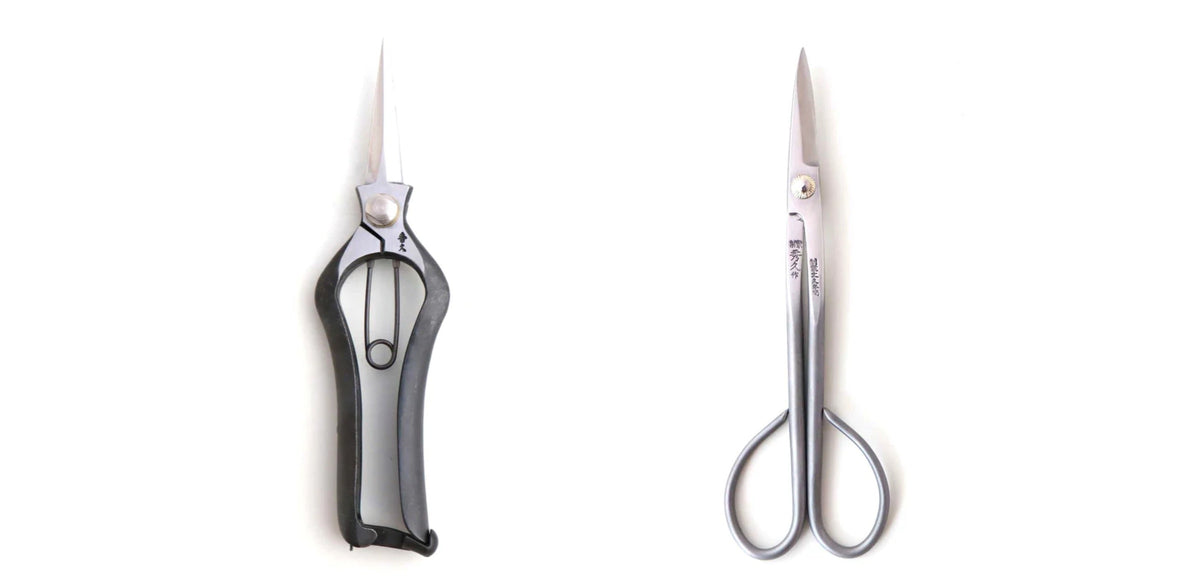
Garden snips are compact pruning shears made for the small, precise cuts that come up again and again — removing a yellowing leaf, harvesting a sprig of basil, trimming a fine shoot on a bonsai, or cutting a flower stem cleanly.
In Japanese, one traditional name for this type of tool is 芽切剪定鋏(mekiri sentei-basami) — pruning shears designed for cutting buds and delicate growth. That origin matters, but in everyday use, garden snips have become broader than their name suggests.
They are slim, light tools for reaching into dense foliage, seeing exactly what needs to be cut, and removing buds, fine stems, soft shoots, and small branches right where they should go.
Most gardeners buy pruning shears first — and that makes sense. But if you pay attention to how you actually spend your time with your plants, much of the work is smaller than pruning a branch. It is the quiet, repeated work of keeping plants clean, balanced, and healthy.
Large pruning shears are for heavier cuts.
Snips are for the detail work that comes up every day.
Pruning Shears for Structure. Snips for Detail.

The distinction is simple once you see it.
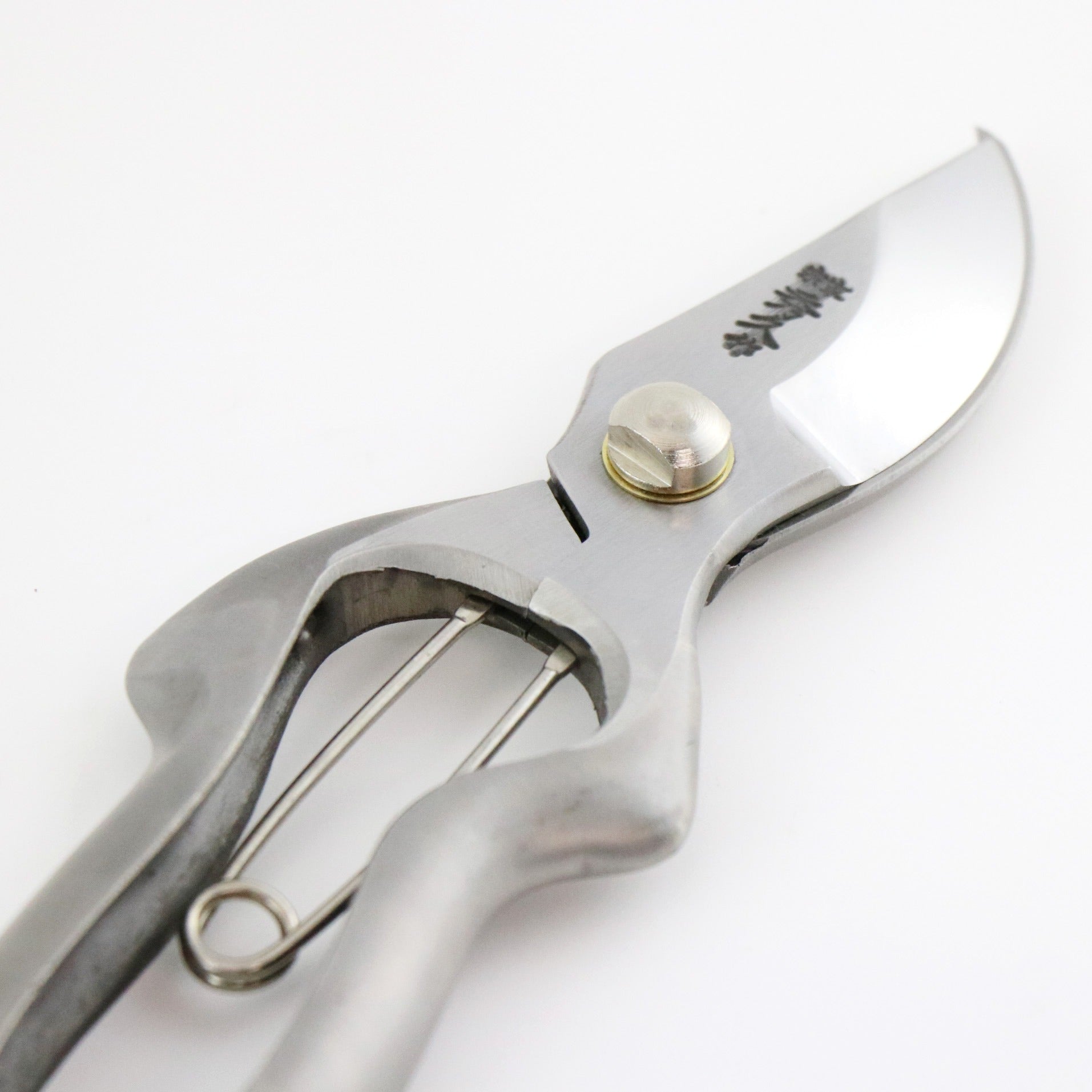
Pruning shears — sentei-basami — are built for structure: cutting live woody branches, reshaping shrubs, and managing the larger framework of a plant.
Snips are built for detail. Their slim, straight blades reach into tight spaces and let you cut buds, new shoots, soft stems, and thin twigs precisely where they need to go.
Compared with pruning shears, snips prioritize reach, visibility, and fine control over cutting power. The tool is lighter. The overall feel is more controlled. You can see what you are cutting, and you can get to it — even deep inside a crowded plant.
That versatility is what makes snips so useful day to day. Indoor houseplants, bonsai, deadheading, herb harvesting, thinning crowded growth, everyday trimming — most of this work calls for a snip rather than a pruning shear.
Two Traditions, One Purpose
Once the role of snips is clear, the next question is which style to choose — because snips themselves come in two distinct forms.
Many gardeners are familiar with spring-loaded snips. Traditional Japanese gardening has its own family of springless, scissor-style snips. These tools come from different traditions, but they serve the same kind of work: small, accurate cuts in places where visibility and control matter.
Spring-Loaded Snips

The spring-loaded snip is the style many modern gardeners know.
A built-in spring reopens the blades automatically after each cut, so your hand only has to do the work of closing them. This makes repetitive tasks — harvesting herbs, deadheading flowers, and longer trimming sessions — quick and comfortable.
The blades are slim and straight, designed to reach into tight spaces and let you see exactly where the cut is going.
The grip is intuitive, and the learning curve is gentle. The shape is familiar to modern gardeners, while the blade itself reflects Toyama Hamono’s forging tradition in Sanjo.
Traditional Japanese Snips

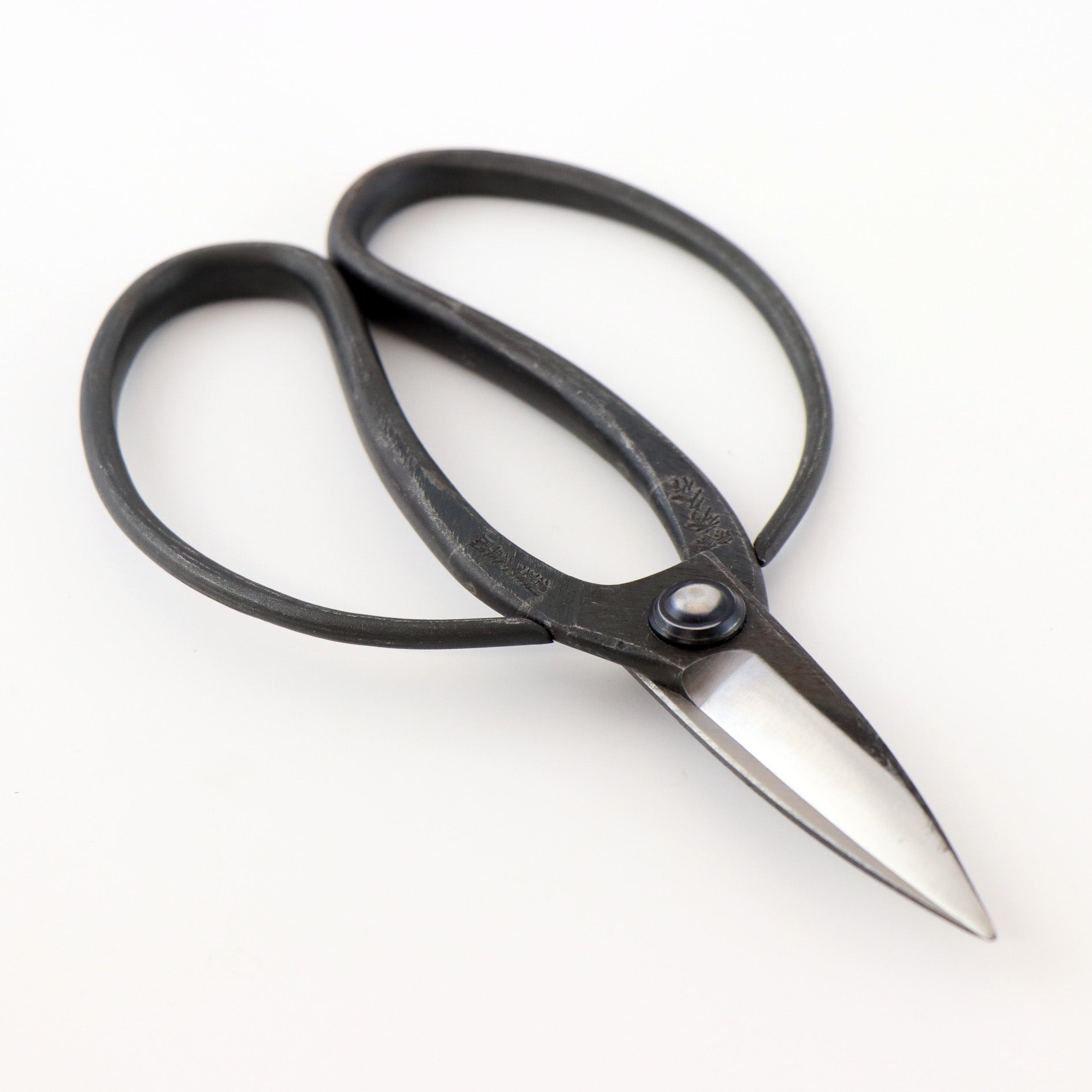
Traditional Japanese snips are a different kind of tool.
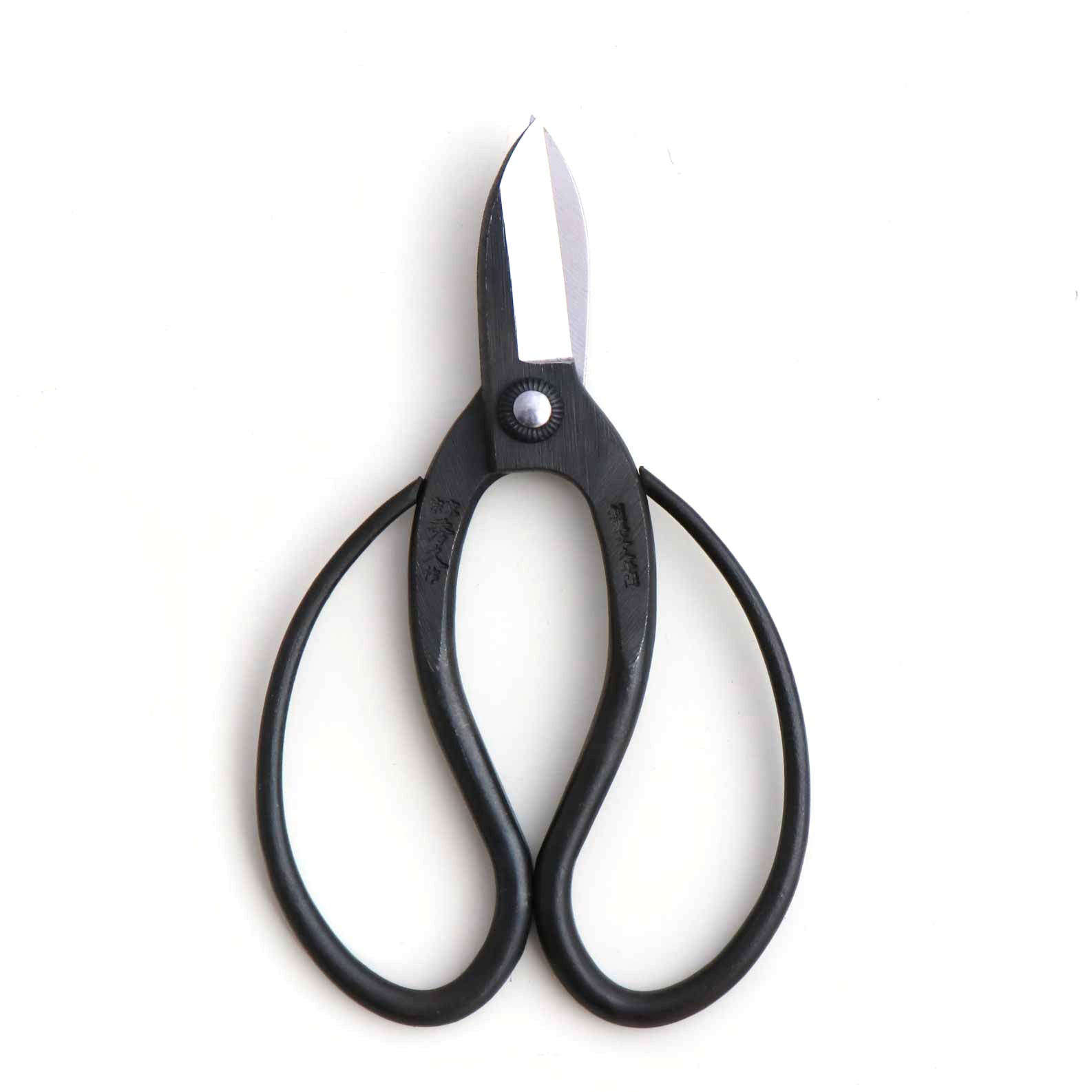
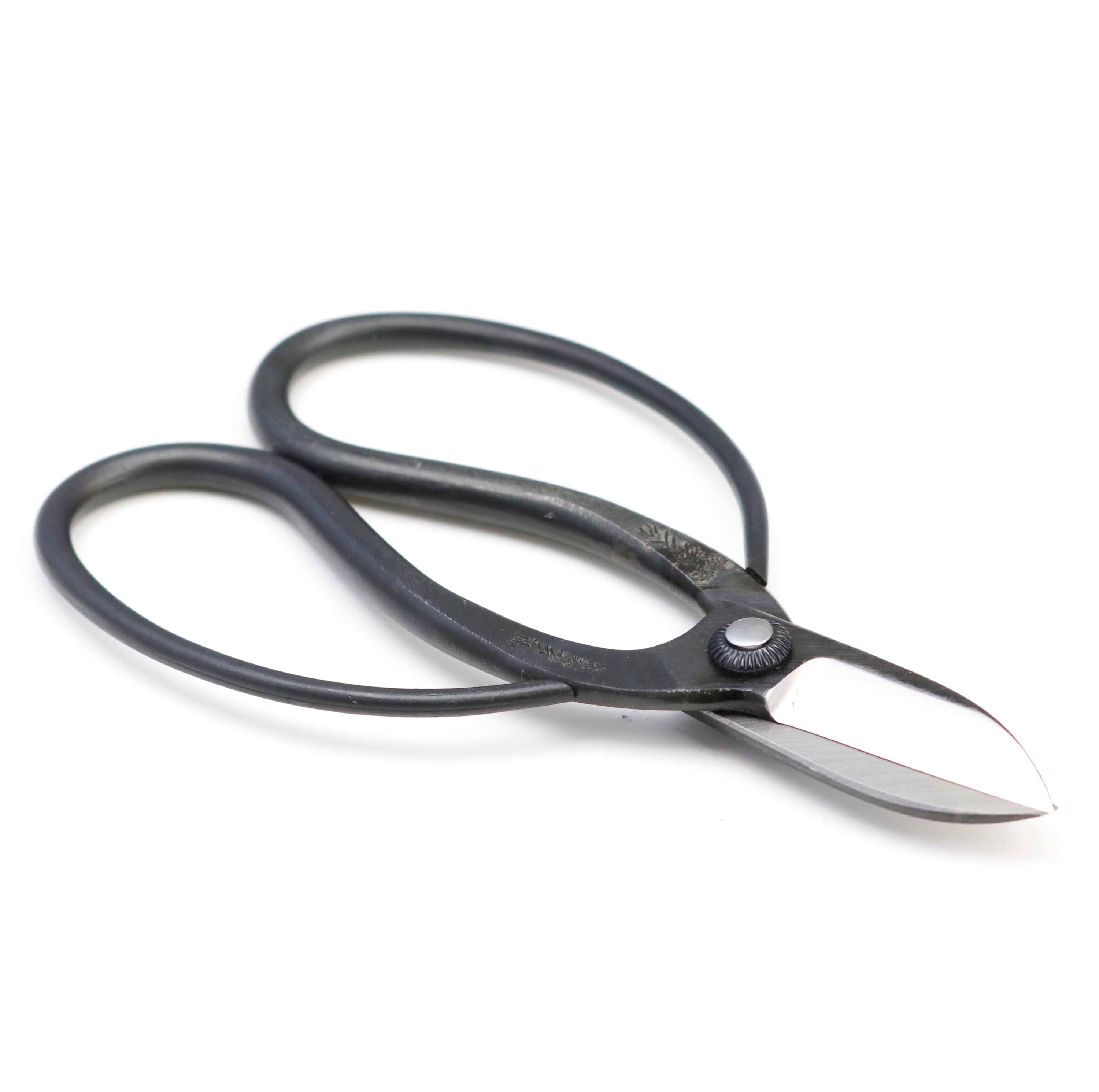
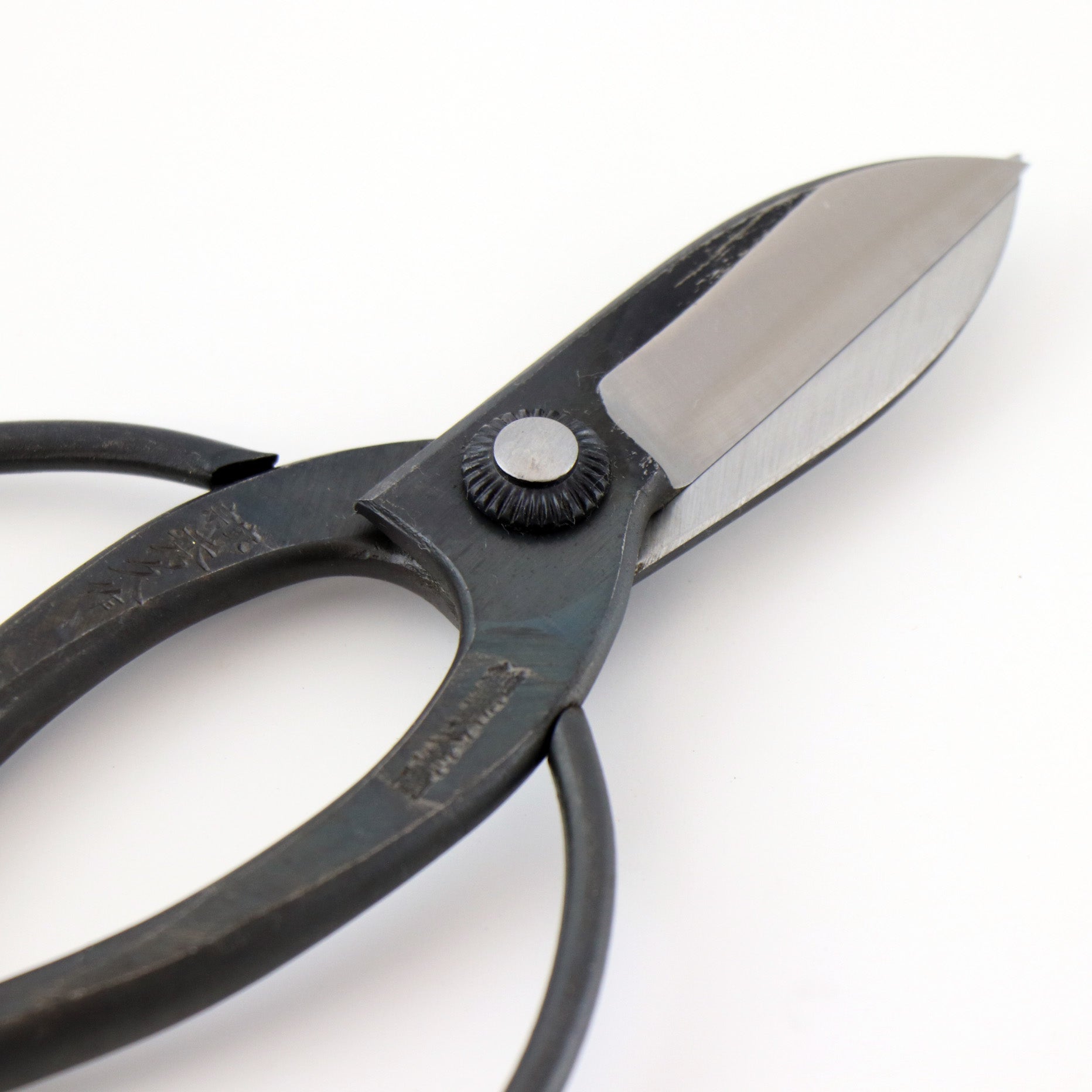
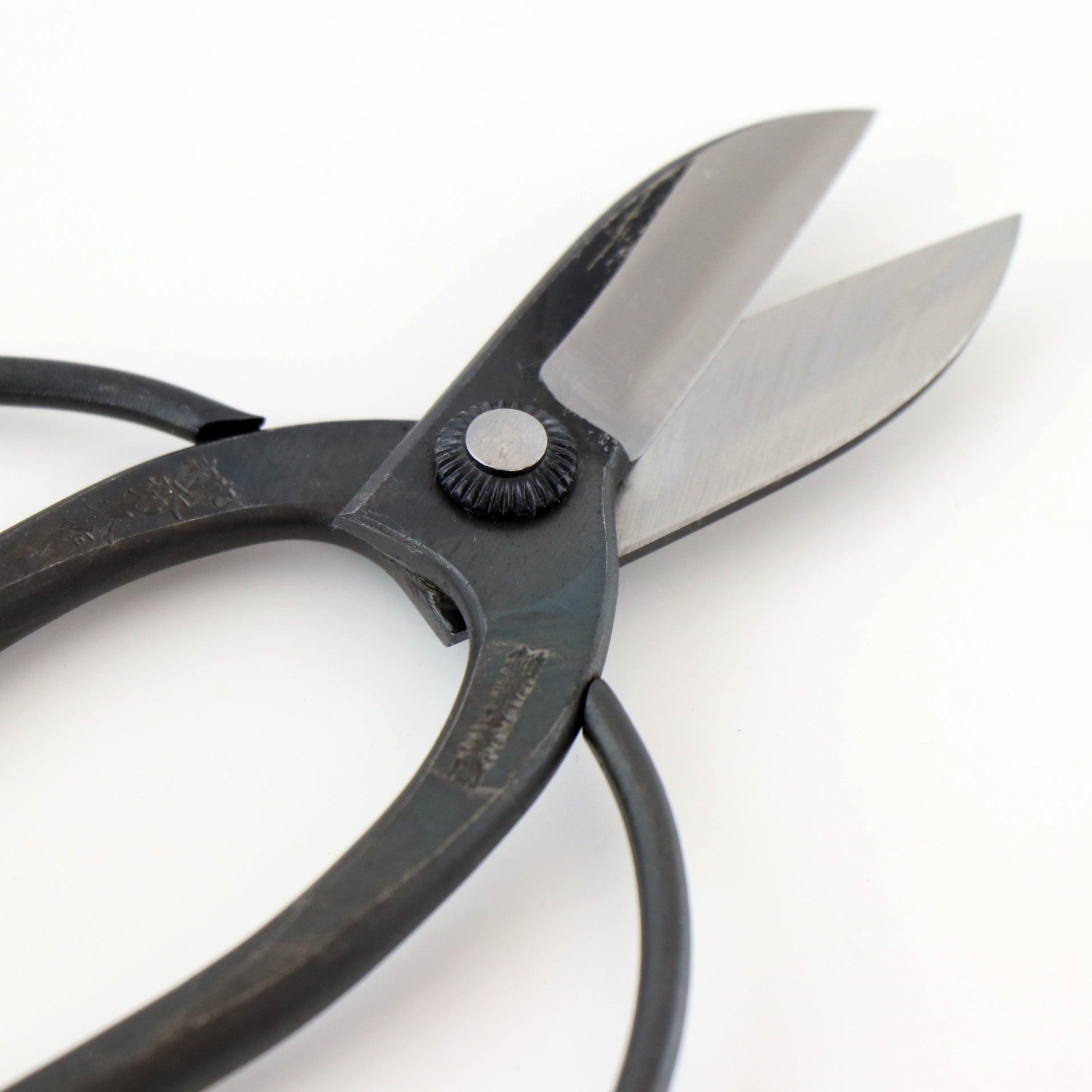
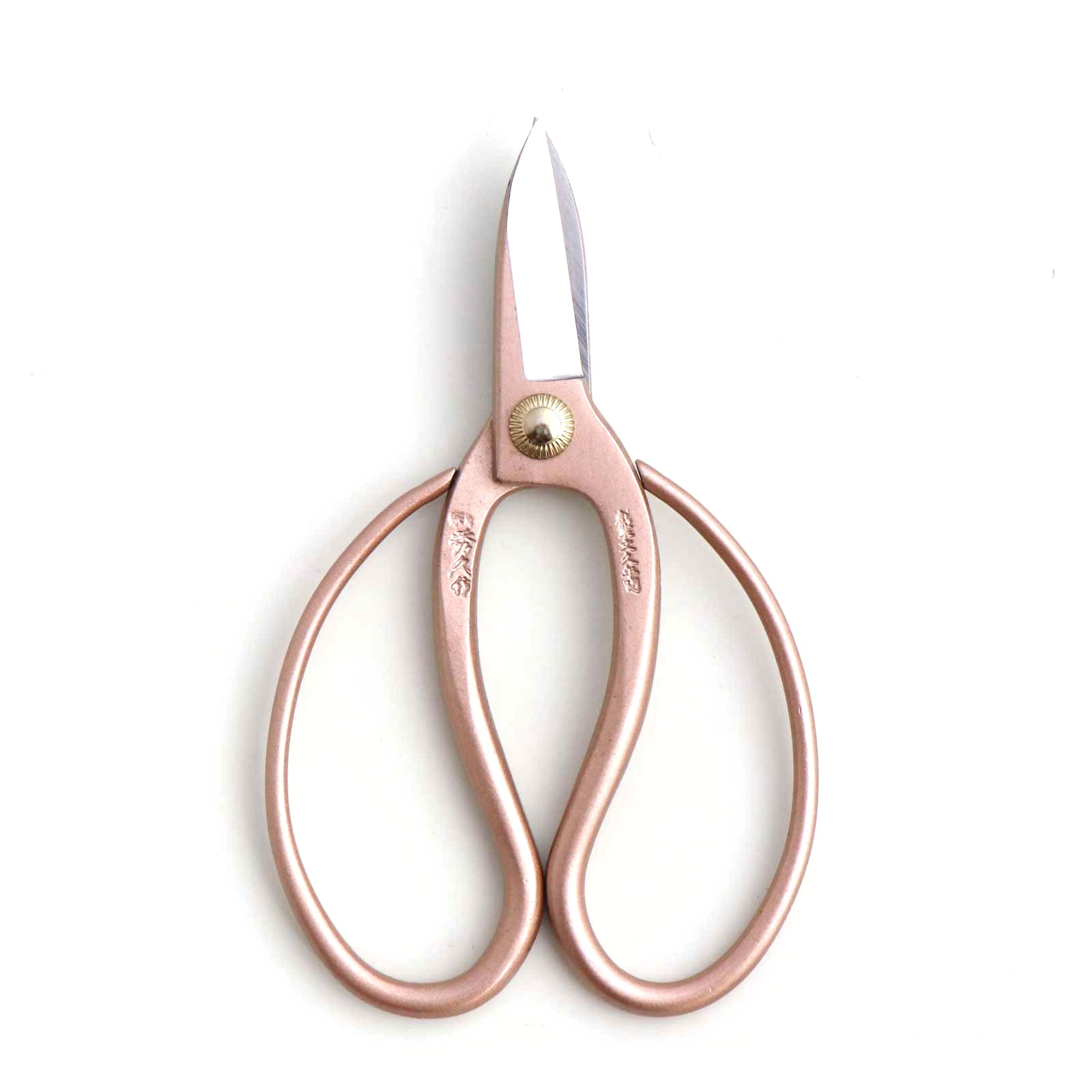
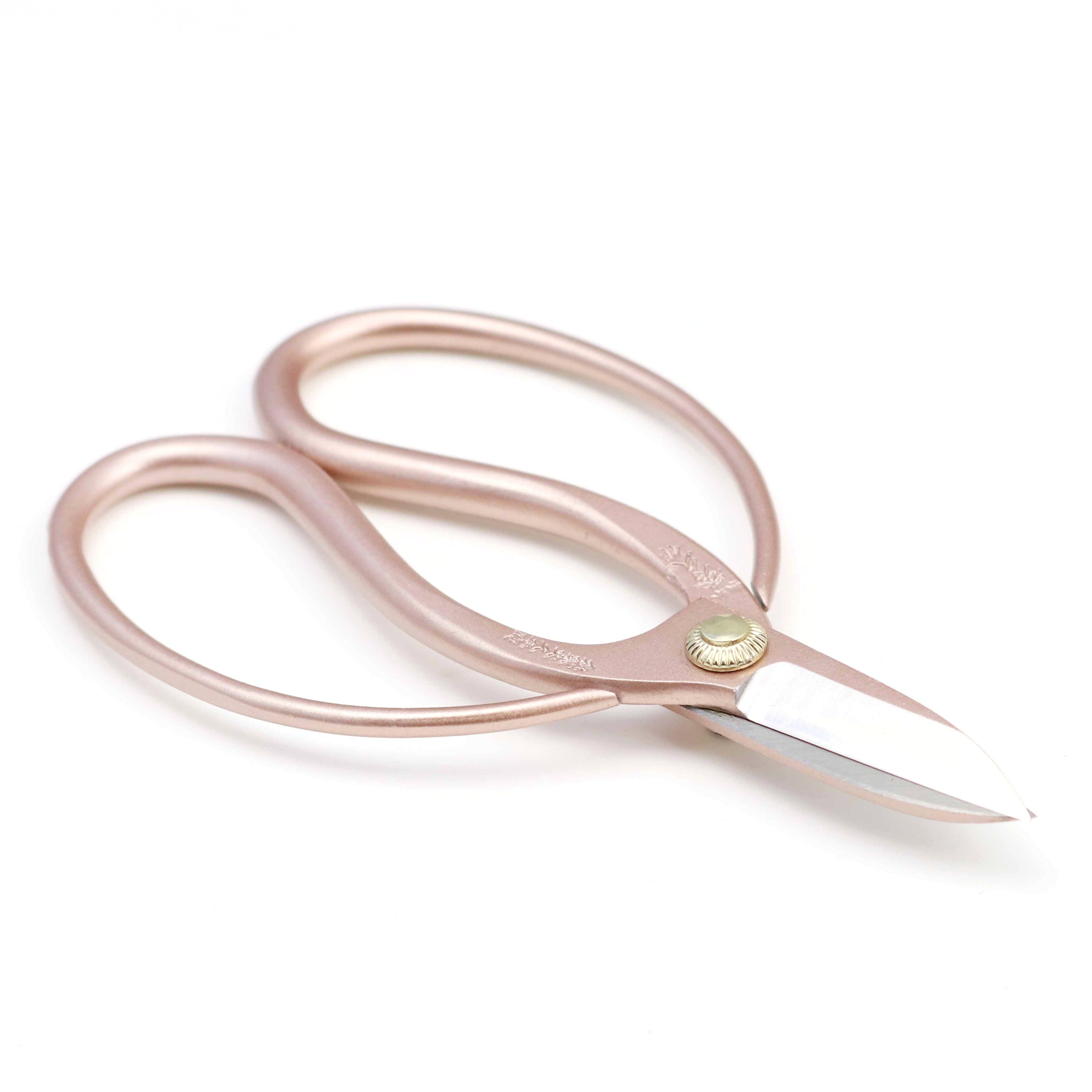
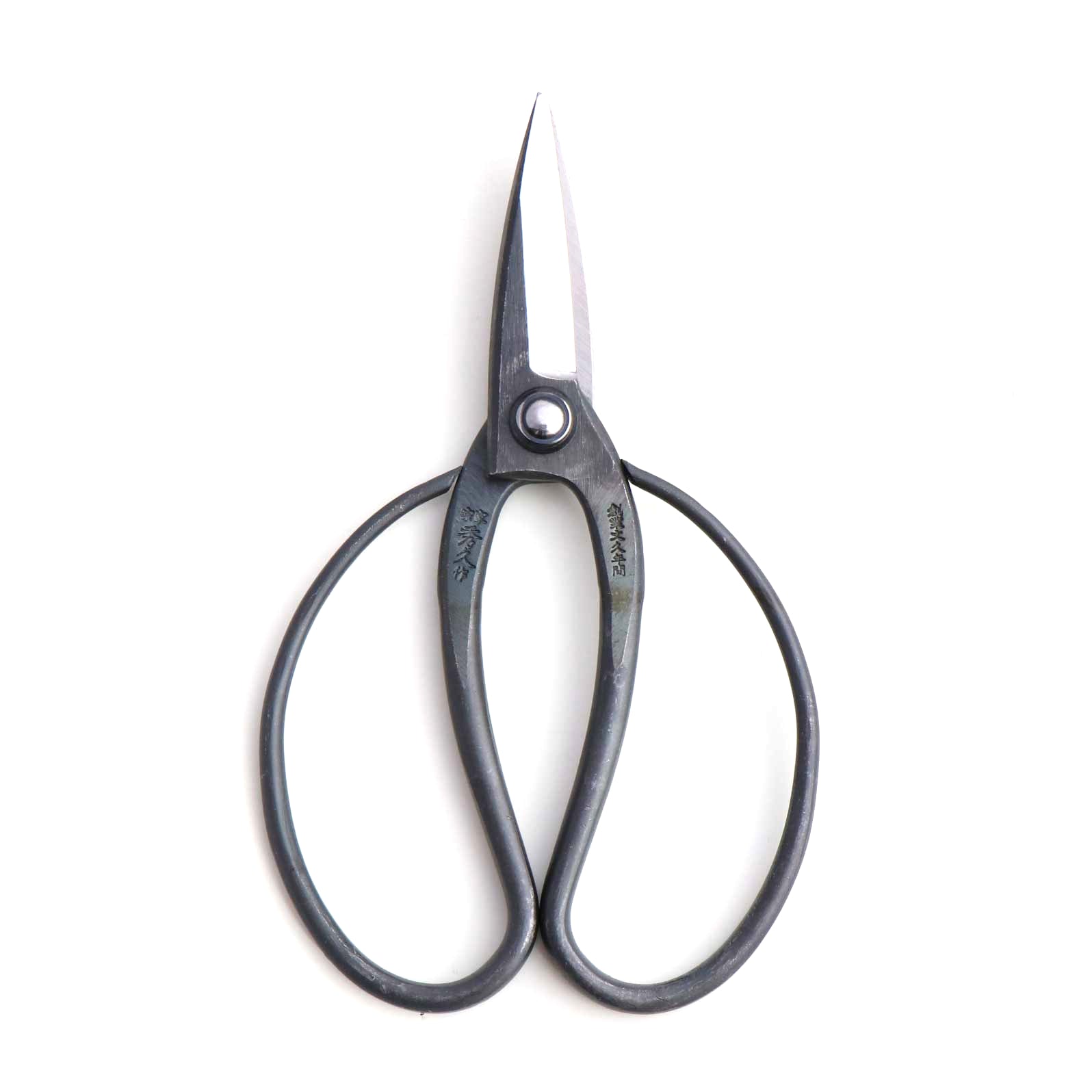
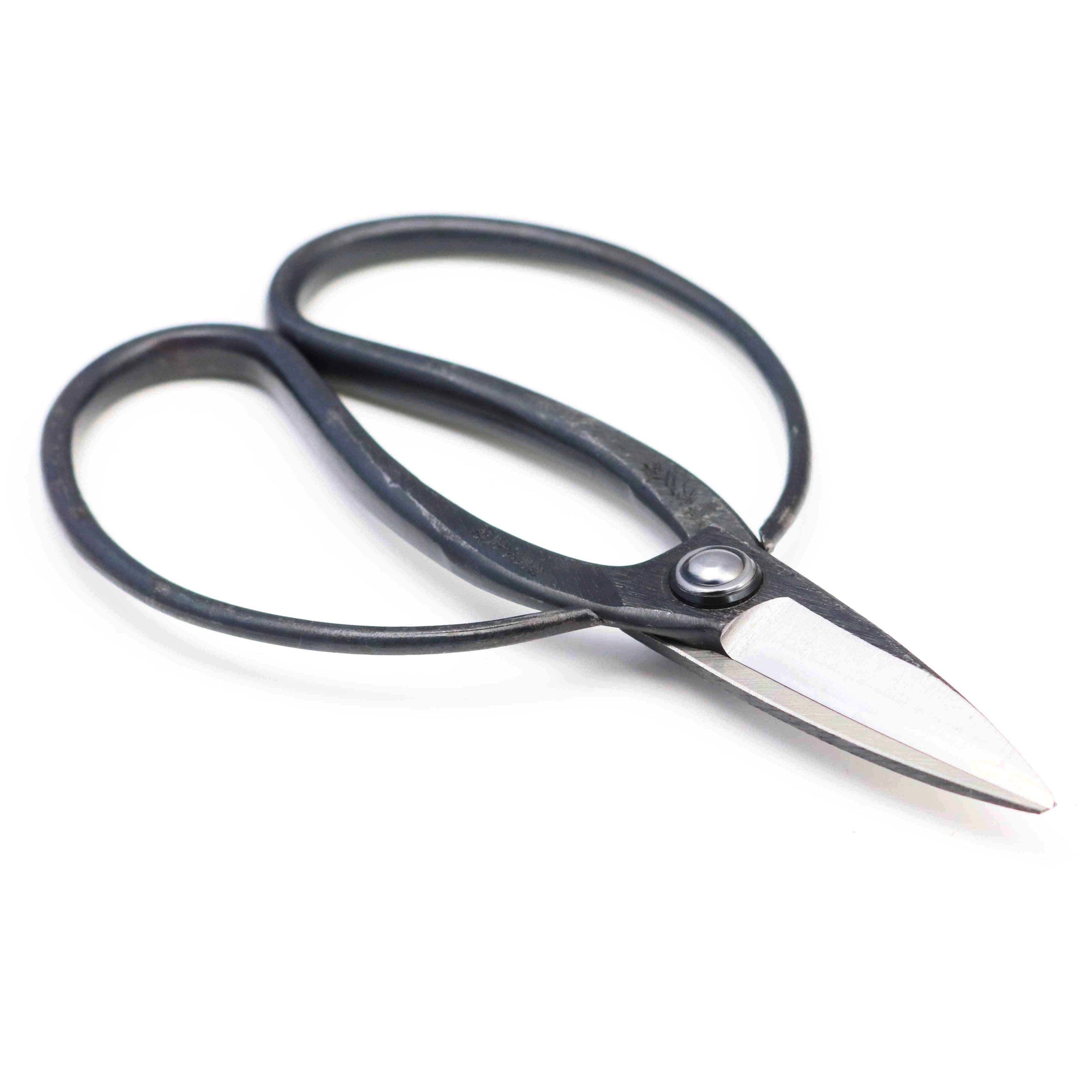
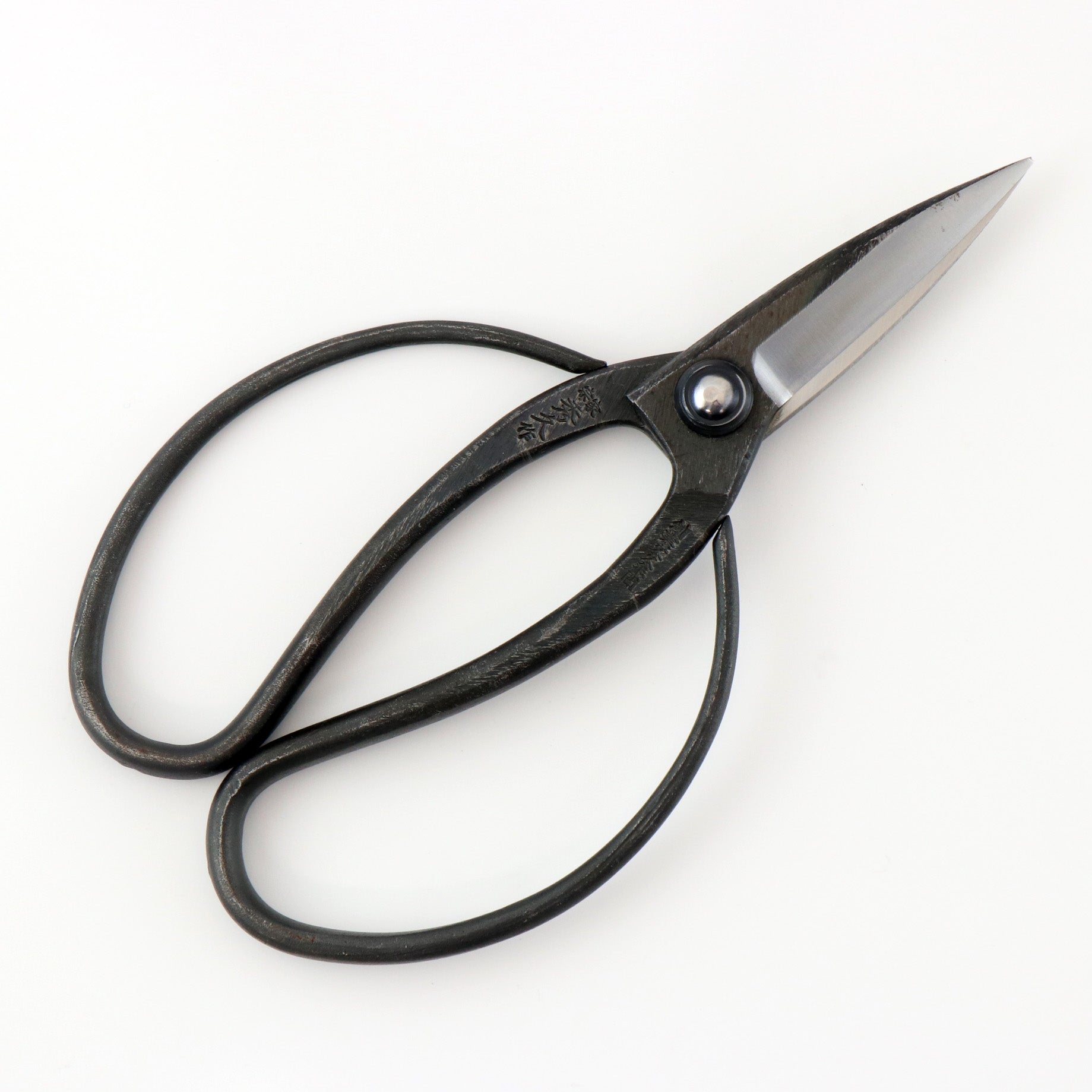
They have no spring. They resemble slender scissors, with long, narrow handles and short, sharp blades at the tip.
The proportions are intentional. The long handles give you direct control: your finger movements translate precisely to the blade tip. The cutting action is slower and more deliberate, but it gives you fine control in careful work.
The blades are kept small and narrow by design — not as a limitation, but for visibility.
This traditional category includes two classic types.
Satsuki Scissors (Satsuki-basami) were originally developed for tending satsuki azaleas — compact shrubs with dense, layered growth that demands careful, repeated trimming. The slim, pointed blades slip into tight clusters of foliage, and the slightly flared handle tips give you a secure grip during long sessions of continuous cutting. They are widely used in bonsai practice for bud work and detailed shaping, and equally at home with houseplants.
Koeda-kiri Scissors are designed for cutting small twigs in crowded areas. Where satsuki scissors excel at fine, soft growth, koeda-kiri are slightly sturdier — built for the work that falls between delicate trimming and true branch pruning. The long handles let you insert the blade tips deep into branching structures without disturbing surrounding growth.
In practice, the two types are used in overlapping ways. Satsuki scissors are well suited to continuous fine work; koeda-kiri are often chosen when extra reach or a slightly firmer cut is useful.
Same Purpose, Different Approach
The difference is in how they work.
Choose spring-loaded snips if you value ease and comfort during repetitive tasks — the spring reopens the blades between cuts, reducing hand effort over longer sessions.
Choose traditional Japanese snips if you prefer a lighter, more direct tool — the springless design lets you adjust your grip and angle freely, giving you precise control in deliberate, careful work.
Some gardeners find value in owning both: one for quick, repeated trimming and one for slower, more considered detail work.
A Tool That Fits into Your Day

The best way to understand snips is to think about the tasks that come up most often — not the big seasonal jobs, but the small, everyday moments of plant care.
Indoor Houseplants
Indoor houseplants are where many people first discover how useful snips can be.
A brown leaf that needs removing. A stem that has grown leggy. A trailing vine that needs shaping.
These are small jobs, but they come up constantly. A pair of snips near your plants lets you handle them the moment you notice them.
Bonsai
Bonsai is where snips earn their reputation for precise, controlled work.
Pinching new buds — mekiri, one of the traditional tasks behind the tool’s Japanese name — trimming fine shoots, and removing leaves to let light into the interior all require a tool that is light and easy to handle in tight spaces.
Both spring-loaded and traditional snips work well here, though the scissor style is often favored for careful, deliberate trimming.
For a broader look at bonsai-specific tools, see our Bonsai Scissors
Other Everyday Uses
Snips are also useful for deadheading spent flowers, harvesting herbs and small vegetables, thinning crowded growth to improve airflow, and cutting stems for arrangements.
The common thread is simple: large pruning shears come out for heavier cuts. Snips stay close at hand for the smaller work that appears every day.
Spring-Loaded Snips: Our Lineup
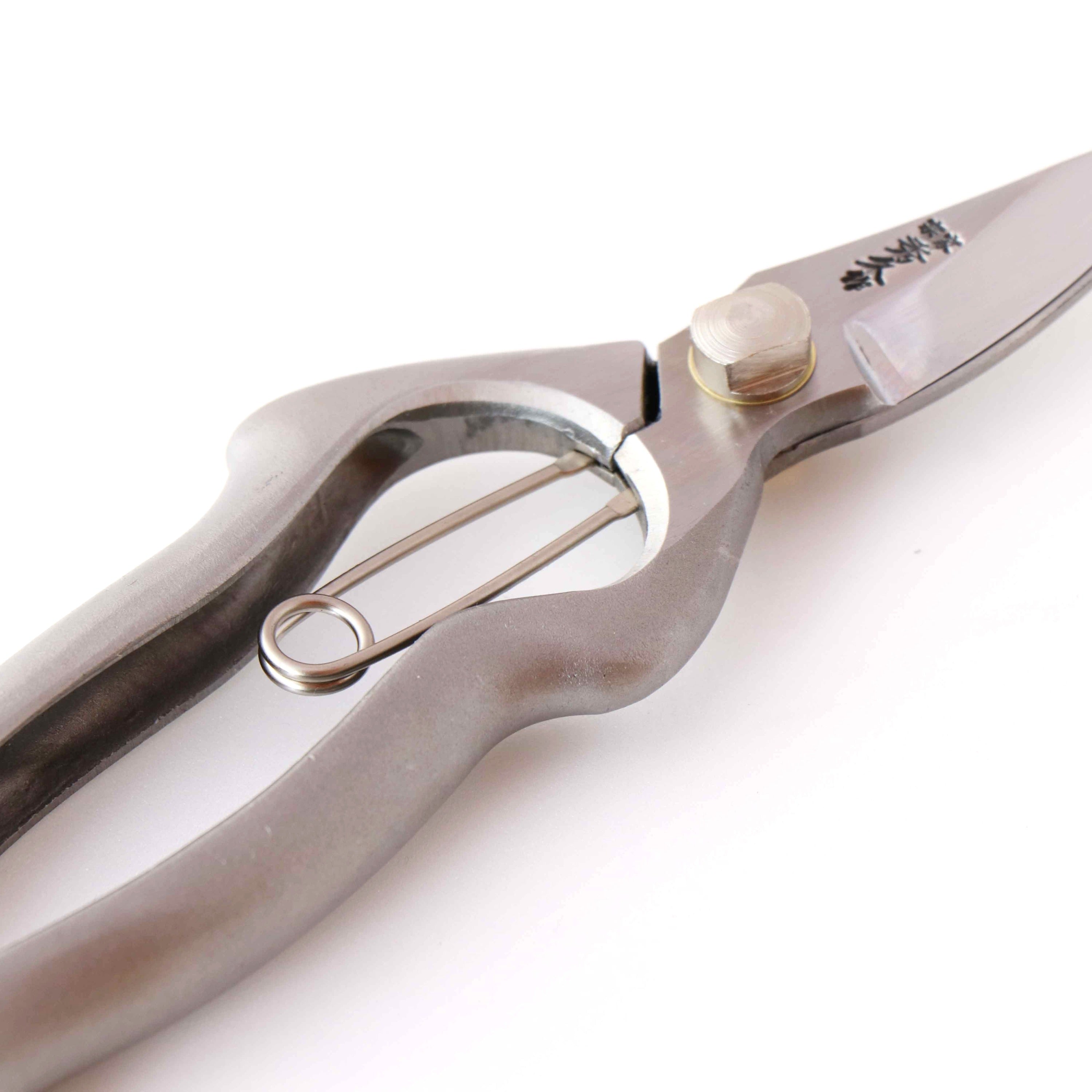
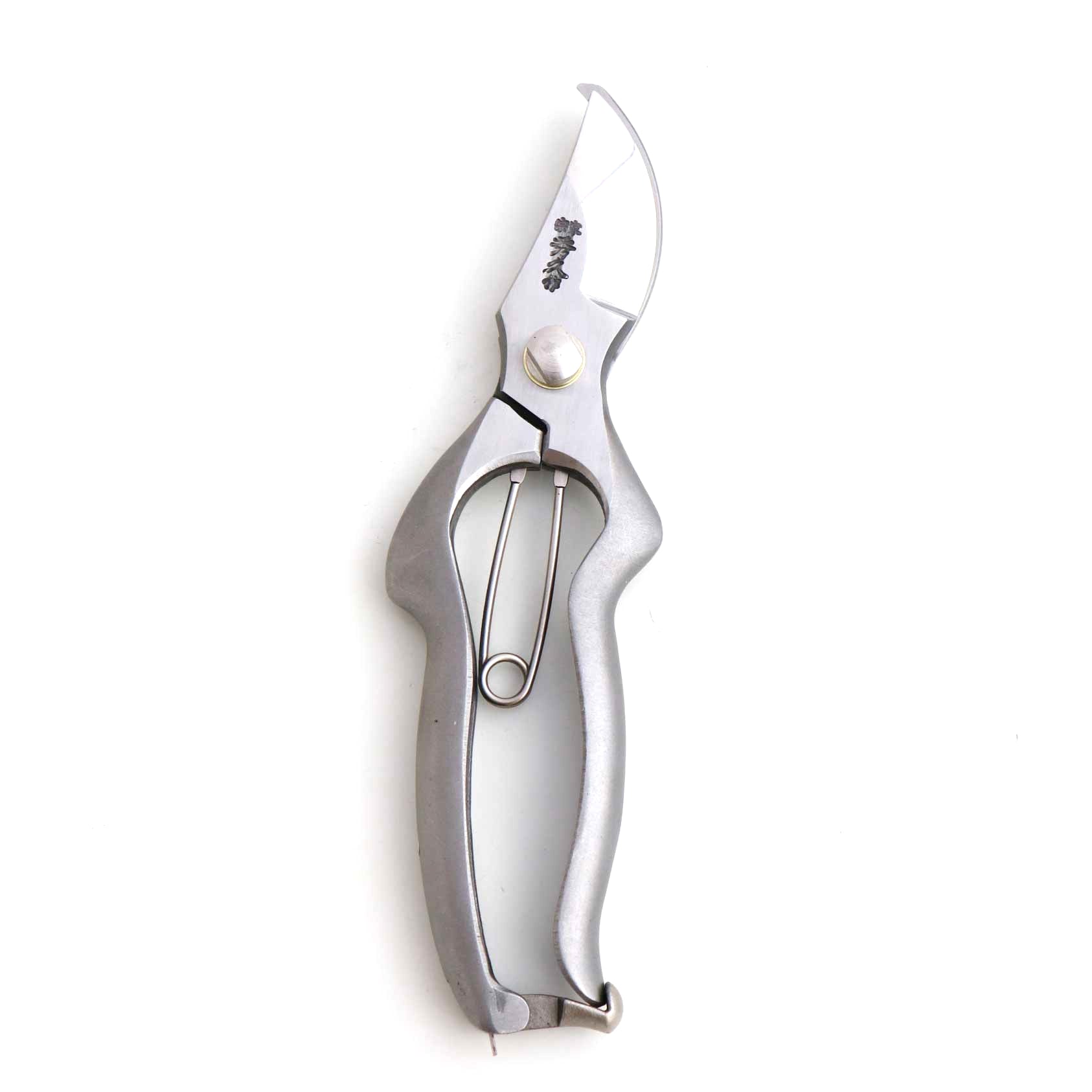
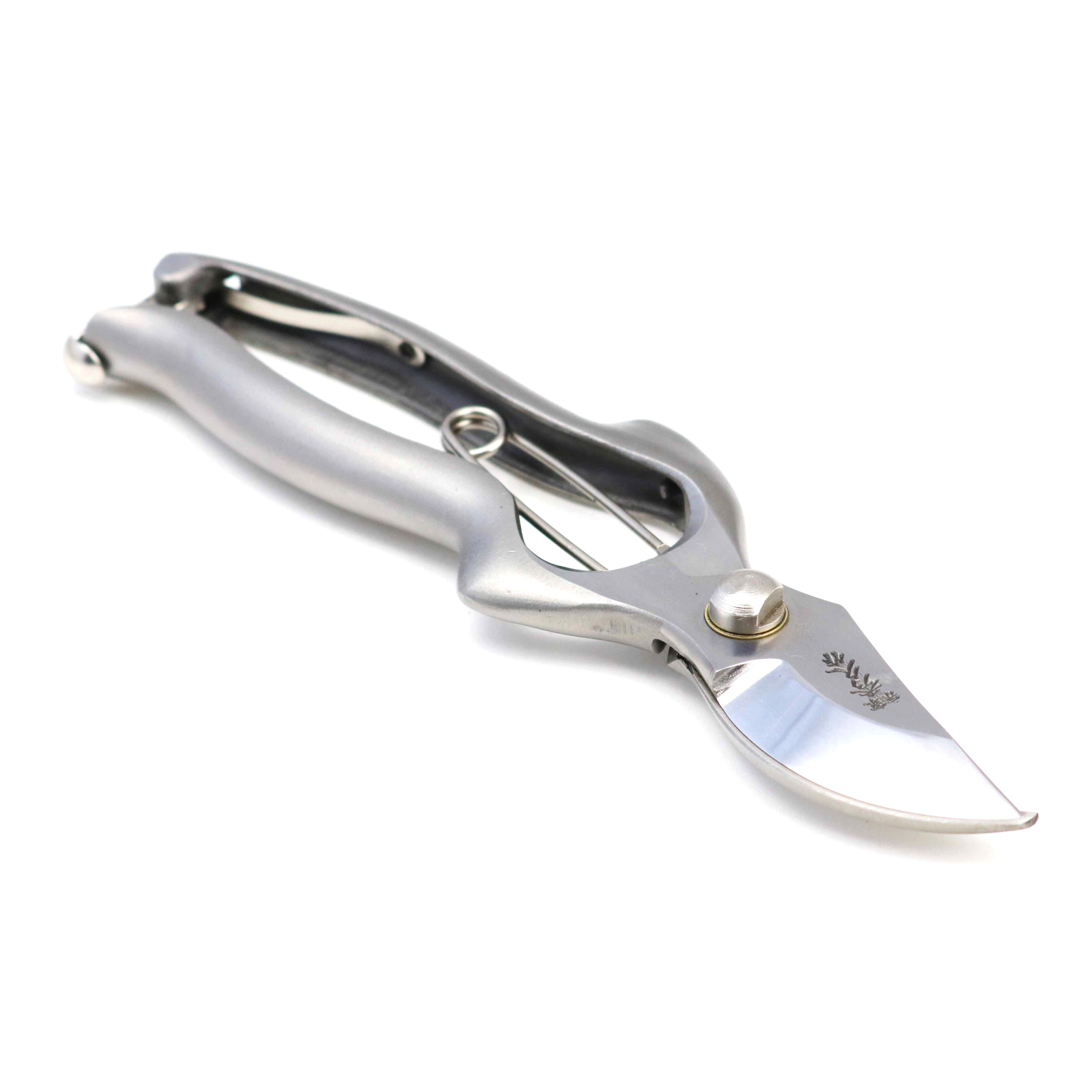
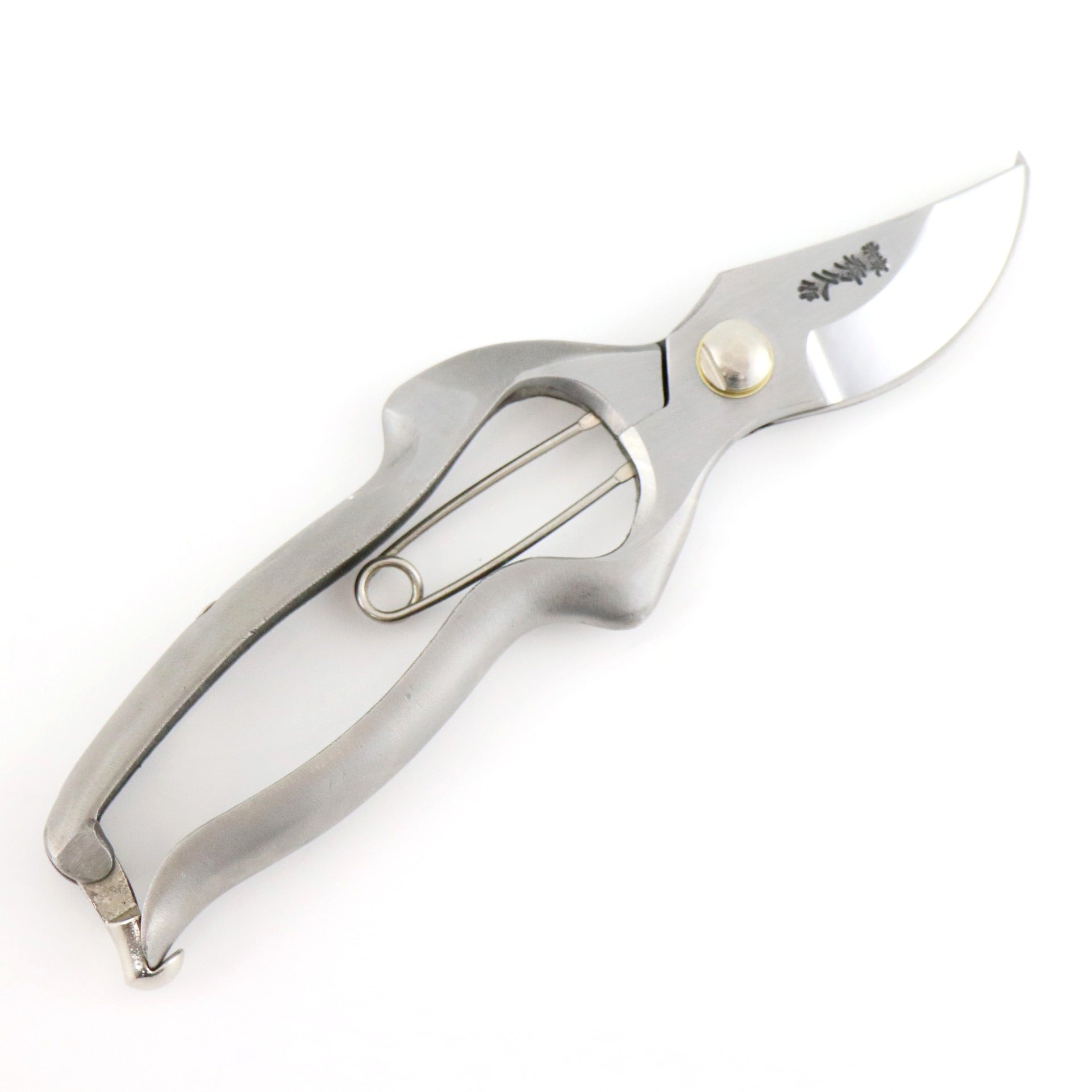
Our spring-loaded snips are designed for clean, accurate cuts on soft stems, buds, shoots, flowers, and small branches within each model’s recommended range.
For cutting capacity and detailed specifications, please refer to each product page.
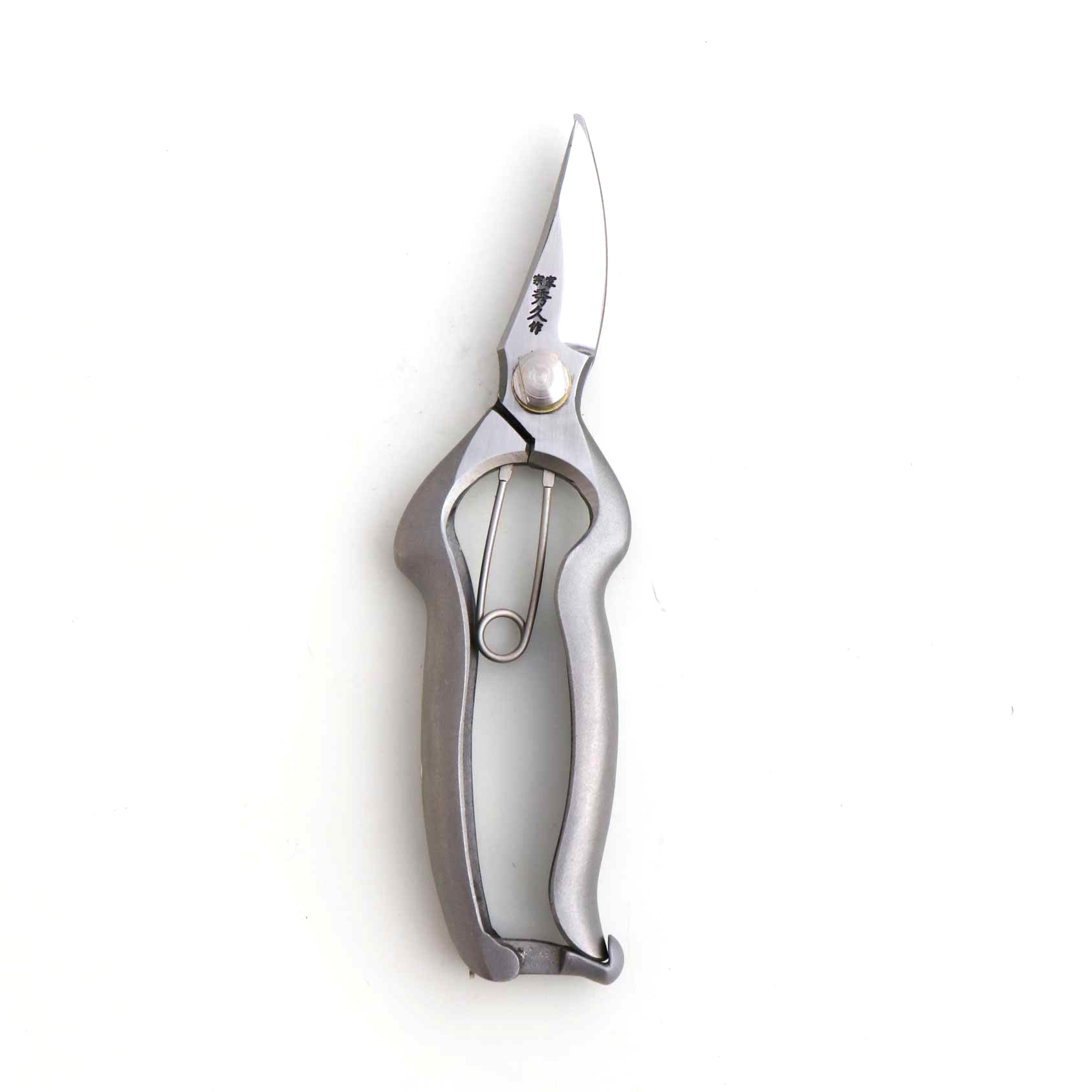
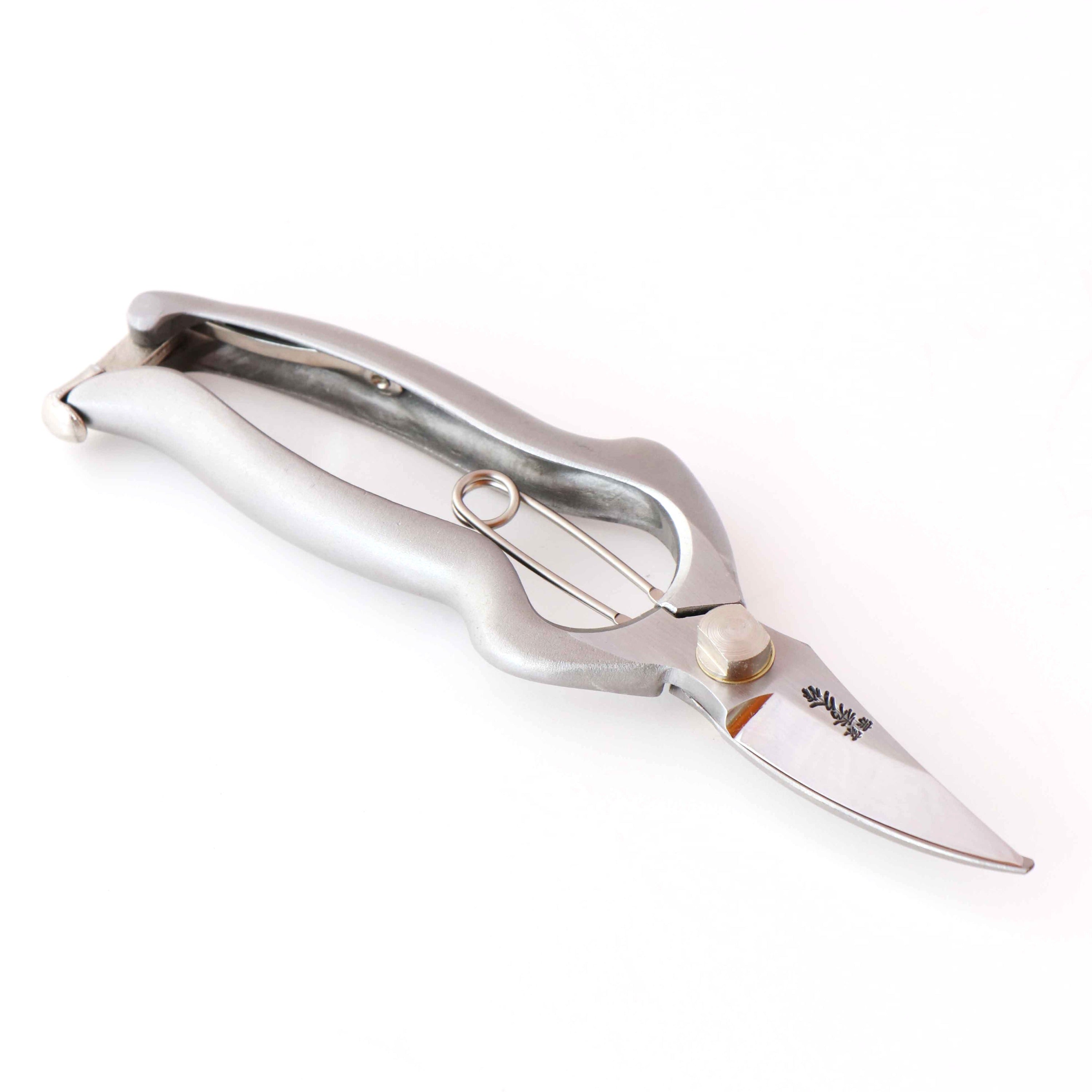
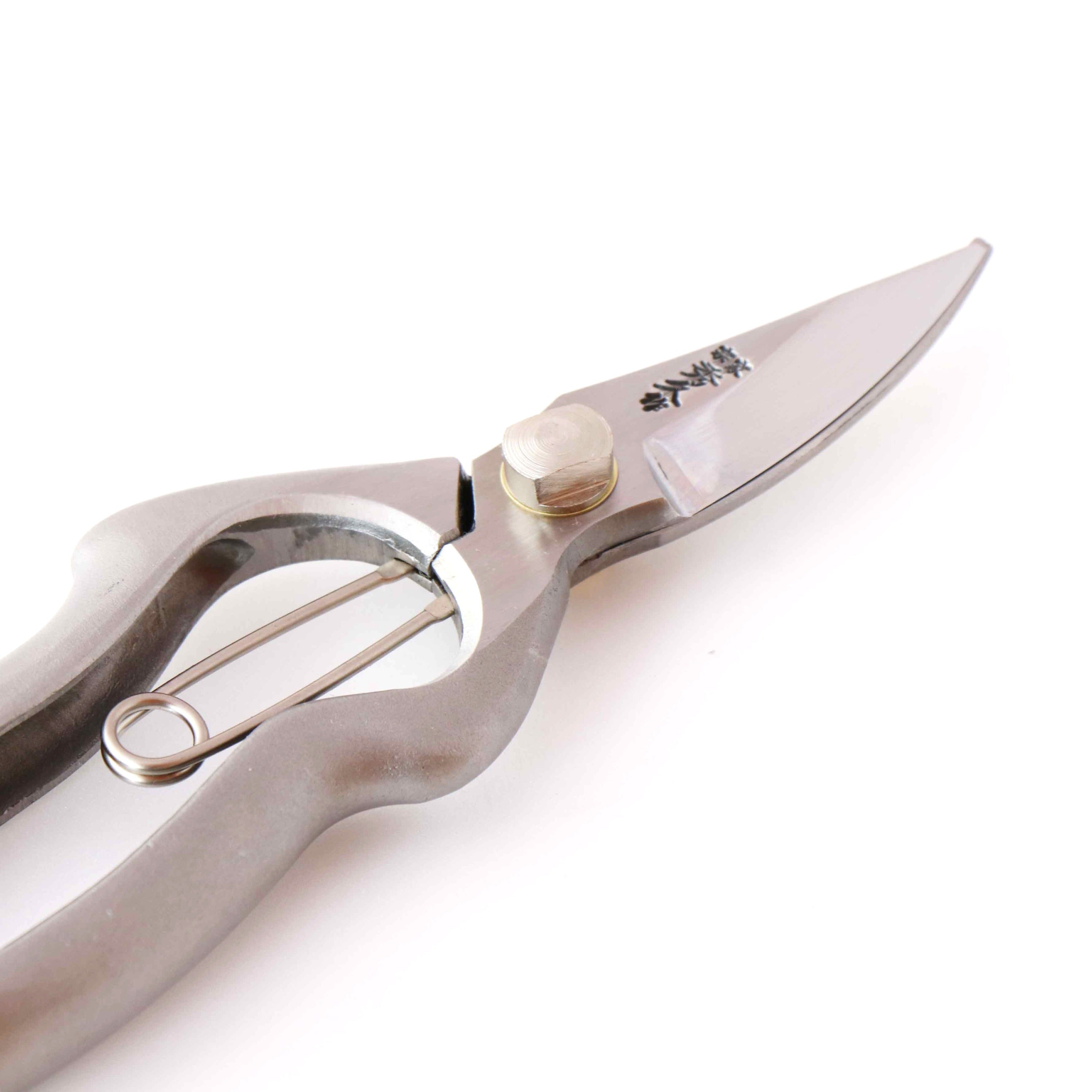
One design detail shared by the T17, T27, T517, and T527: a ridge-back blade profile. The spine of the blade is ground down to create a narrower cross-section. This is not about increasing cutting power — it is about improving visibility when the blade is inside dense foliage.

Spring-Loaded Snips are also available with leather-wrapped grips and wood grips. Learn more here.

Photo: Lether Wrapped T17B、Left; T27C

Photo: Wood Grip
High-Carbon Steel
T17 — A balanced starting point

Our foundational spring-loaded snip. The T17 has a high-carbon steel blade and a standard symmetrical grip — a neutral shape with no fixed orientation, so you can hold and rotate it however feels natural. That freedom makes it a versatile first choice for houseplants, flowers, bonsai, and everyday trimming.
T27 — For longer sessions and a more guided grip

The T27 uses the same general blade length and ridge-back profile as the T17, paired with an asymmetrical ergonomic grip. Where the T17 leaves hand position open, the T27 gently guides your fingers into a consistent hold, helping distribute force more evenly and reduce fatigue during repeated cutting. A good choice if you do extended trimming sessions or prefer a handle that settles into your hand the same way each time.
TS10 — A nimble option for lighter work

The TS10 serves a different role in the lineup. At 180 mm overall length, 130 g, and a 50 mm blade, it is noticeably shorter and lighter than the T17 (200 mm, 175 g, 70 mm blade). Choose it when you want a compact, easy-handling tool for plant bud cutting, flower picking, herb harvesting, and light everyday trimming — work where the reach and blade length of a full-size snip are not necessary.
Stainless Steel
T517 — A lower-maintenance version of the T17

The T517 is the stainless steel counterpart to the T17. Same symmetrical-grip design, forged stainless steel blade. A practical choice for humid climates or anyone who prefers less upkeep.
T527 — A lower-maintenance ergonomic option

The T527 is the stainless steel counterpart to the T27. Combines the asymmetrical ergonomic grip with a forged stainless steel blade — both guided ergonomics and easier day-to-day maintenance.
Traditional Japanese Snips: Our Lineup
Traditional Japanese snips use a simple scissor-style action that gives you direct control over each cut. Their slim blades are designed for careful, accurate trimming of buds, shoots, leaves, and fine branches.
Note: Satsuki scissors and koeda-kiri also appear in our Bonsai Scissors collection, because these tools serve both general gardening and bonsai. For bonsai-specific tools such as knob cutters, concave branch cutters, and long-handle scissors, see that guide.
Satsuki Scissors (*Satsuki-basami*)

Photo: TH11PG, TH10PG, TH11S, TH10S
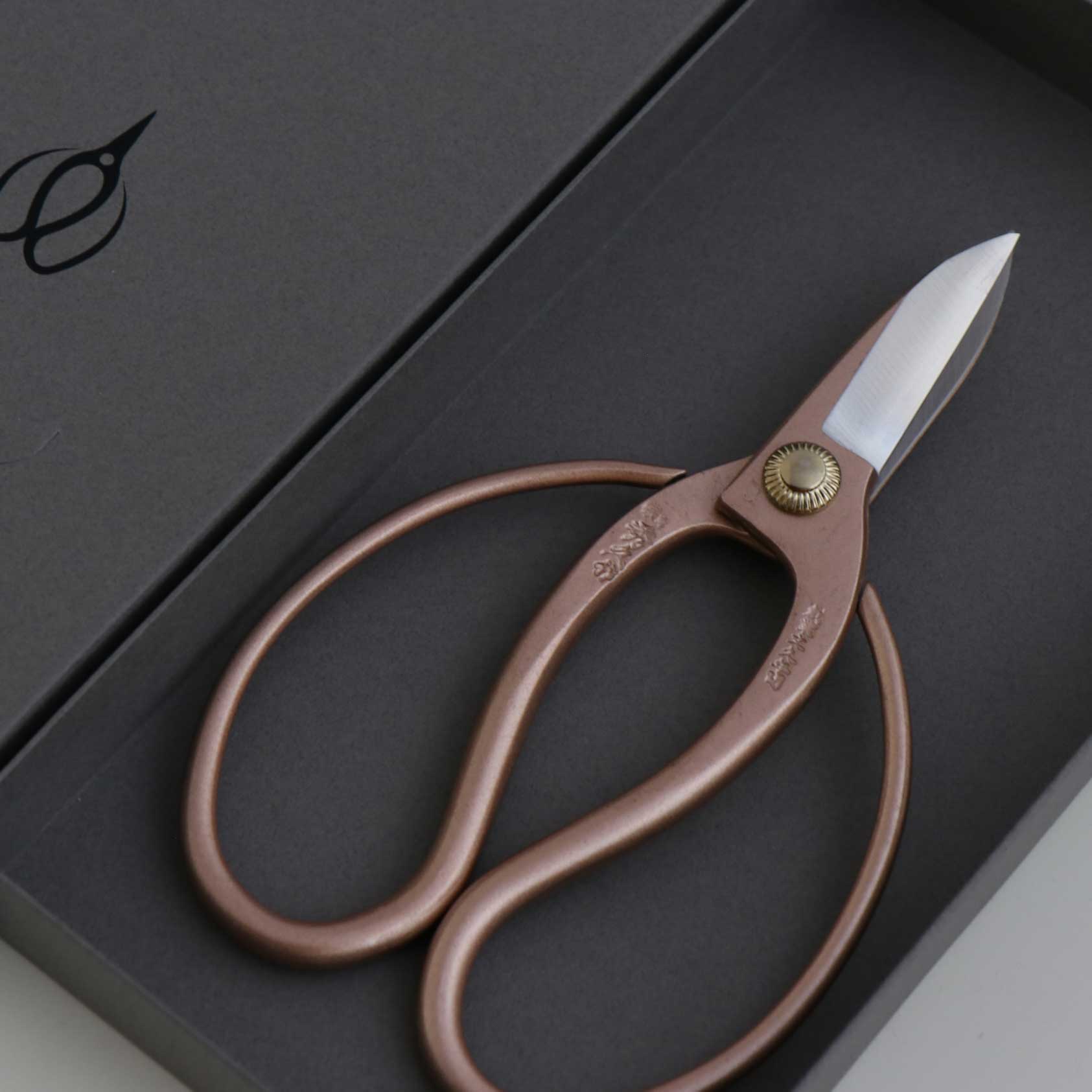
Named after the satsuki azalea — a plant whose care demands exceptional precision — these scissors are a staple of Japanese bonsai and fine garden work. The narrow, pointed blades reach deep into foliage, and the long handles transfer your finger movements to the blade tip with accuracy. Equally well suited to detailed houseplant care.
We offer two sizes, each available in three variants:
TH10 Series (Shorter model)
-
TH10B — High-carbon steel, black grip
-
TH10PG — High-carbon steel, rose gold grip
-
TH10S — Stainless steel
TH11 Series (Longer model)
-
TH11B — High-carbon steel, black grip
-
TH11PG — High-carbon steel, rose gold grip
-
TH11S — Stainless steel
For cutting capacity and detailed specifications, please refer to each product page.
Koeda-kiri

For the work that falls between fine trimming and true branch pruning — cutting thin twigs, semi-woody stems, and small branches in tight spaces.
T4-4
Hand-forged high-carbon steel.
T4-6
Hand-forged stainless steel.
For cutting capacity and detailed specifications, please refer to each product page.
Choosing High-Carbon Steel or Stainless Steel
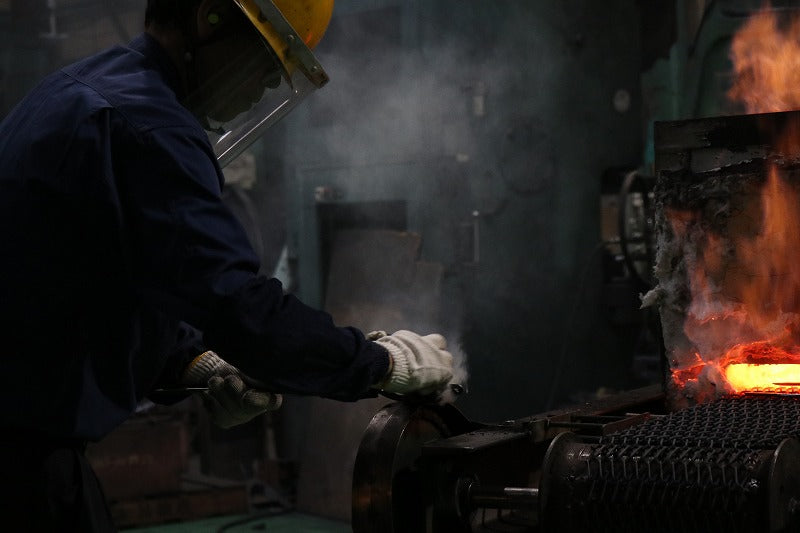
Toyama Hamono snips are made in Sanjo, Niigata, with forged blades that reflect Japanese blacksmithing traditions. Both materials produce an exceptionally sharp edge.
The difference comes down to maintenance and preference.
High-carbon steel takes a very fine edge and is favored by many professionals for its crisp cutting feel. It rewards regular care with excellent sharpness — but it is more sensitive to moisture. Wipe the blade dry after every use and apply a light coat of oil before storage.
Stainless steel is more resistant to rust and easier to maintain day to day. It is a practical choice for wet environments, humid climates, or anyone who prefers a tool that asks less in terms of upkeep.
If you enjoy maintaining your tools, high-carbon steel is worth the extra care. If low maintenance is a priority, stainless steel is the way to go.
For a deeper look at the differences, see our article: High-Carbon vs. Stainless Steel Pruning Shears
Finding Your Snip
If you are looking for a starting point, use the table below.
|
Use case |
Recommended models |
|---|---|
|
Indoor houseplants, herbs, and everyday garden care |
T17, T517, TS10 |
|
Bonsai, satsuki azalea care, and detailed shaping |
TH10, TH11 |
|
Thin woody branches and semi-woody stems |
T4-4, T4-6 |
|
Lower-maintenance care |
T517, T527, TH10S, TH11S, T4-6 |
|
Longer sessions of repetitive cutting |
T27, T527 |
For most gardeners, the simplest starting point is a spring-loaded snip — the T17 (high-carbon steel) or T517 (stainless steel). They are versatile enough for houseplants, herbs, flowers, bonsai detail work, and everyday trimming.
Choose the TS10 if you want something shorter and lighter for smaller tasks.
Choose the TH10 or TH11 if your work leans toward bonsai or careful scissor-style trimming.
Choose the T4-4 or T4-6 if you need to cut thin woody branches in tighter spaces.
If you are not sure, start with one pair that matches your most common task. Once you know how you use it, it becomes easier to decide whether a second style would be useful.
Snips are not dramatic tools. They do not cut through thick branches or reshape a tree in an afternoon.
What they do is quieter than that — the small, constant work of keeping plants healthy: daily trimming, careful shaping, clean cuts, and fine maintenance.
Whether you choose a spring-loaded pair for ease and efficiency or a traditional Japanese pair for directness and control, the purpose is the same: one clean cut at a time.
Toyama Hamono snips are made in Sanjo, Niigata, Japan, continuing a workshop tradition that dates back to 1861.
Related Reading



Share:
Why Forged Pruning Shears Are Worth Owning
Japanese Ikebana & Flower Shears Explained: Warabi-te, Tsuru-te, and Multi-Purpose Pruning Shears