
The Forged Edge Blog
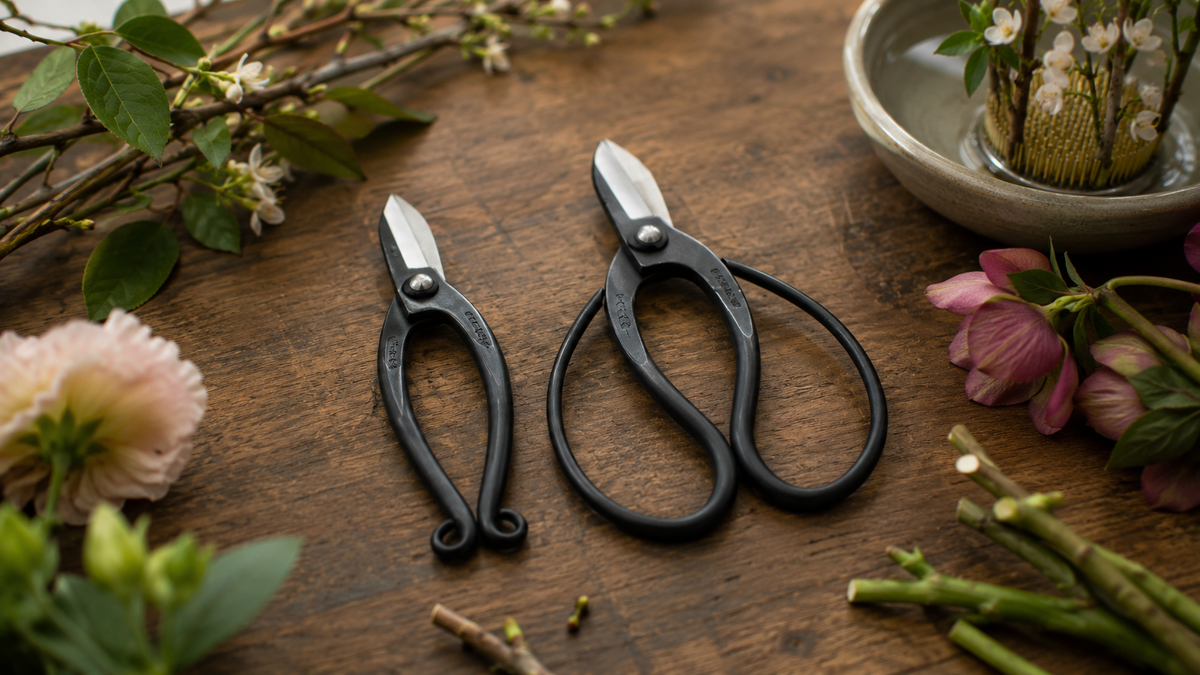
Japanese Ikebana & Flower Shears Explained: Warabi-te, Tsuru-te, and Multi-Purpose Pruning Shears
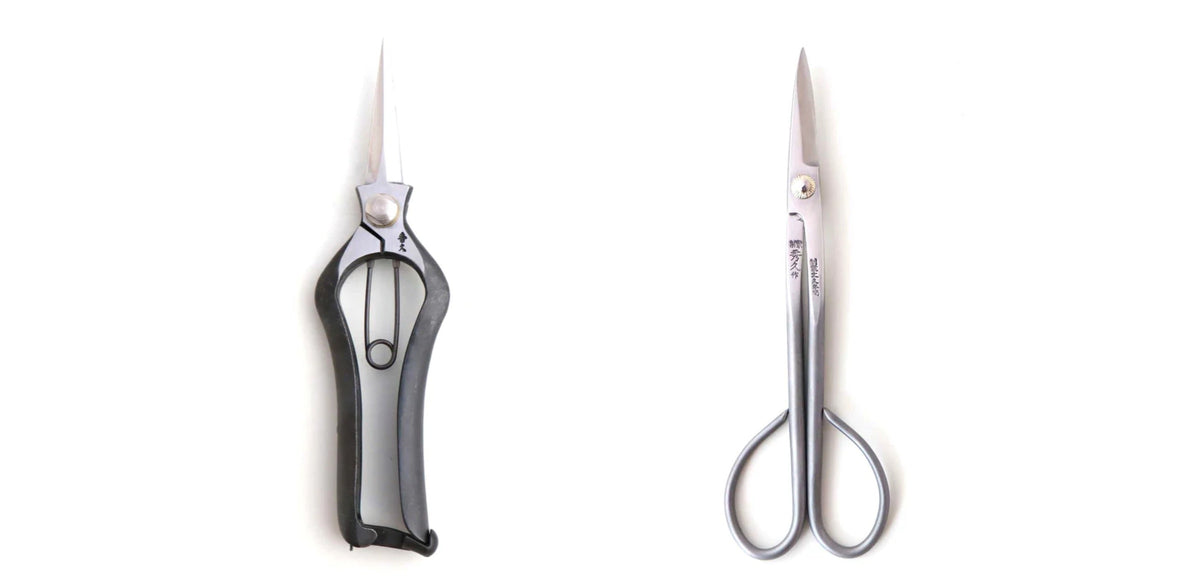
What Are Garden Snips? Japanese Snips for Precision Pruning
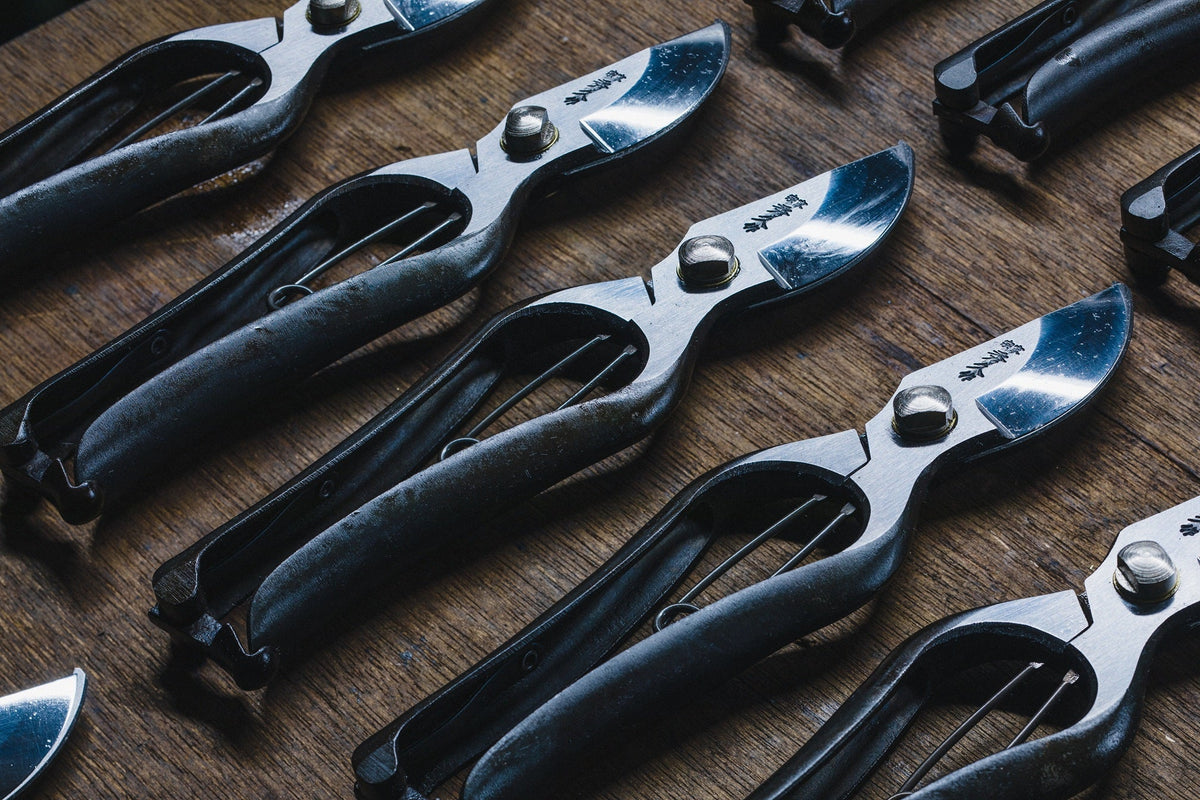
Why Forged Pruning Shears Are Worth Owning
A forged pruning shear earns its place through clean cuts, beauty that emerges from function, and care that makes the tool feel more personal over time.
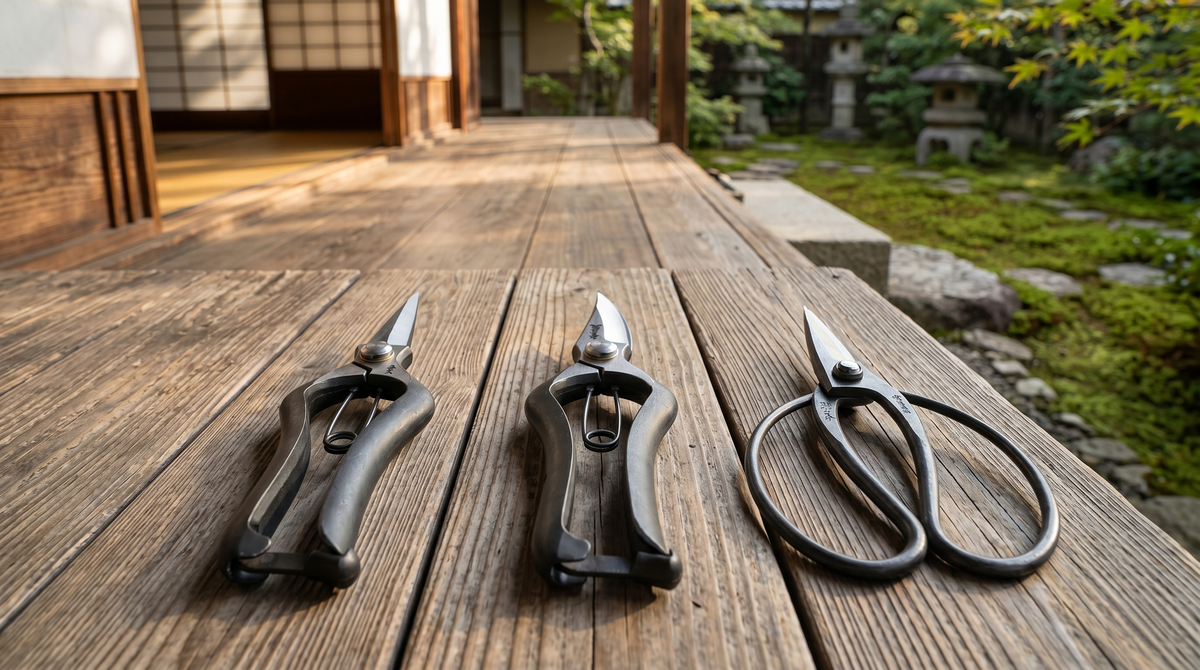
Your First Japanese Garden Shears: Snips, Pruning Shears, or Traditional Okubo-Style
Not sure which Japanese garden shears to start with? Compare snips, pruning shears, and the traditional Okubo-style by the plants you actually cut.
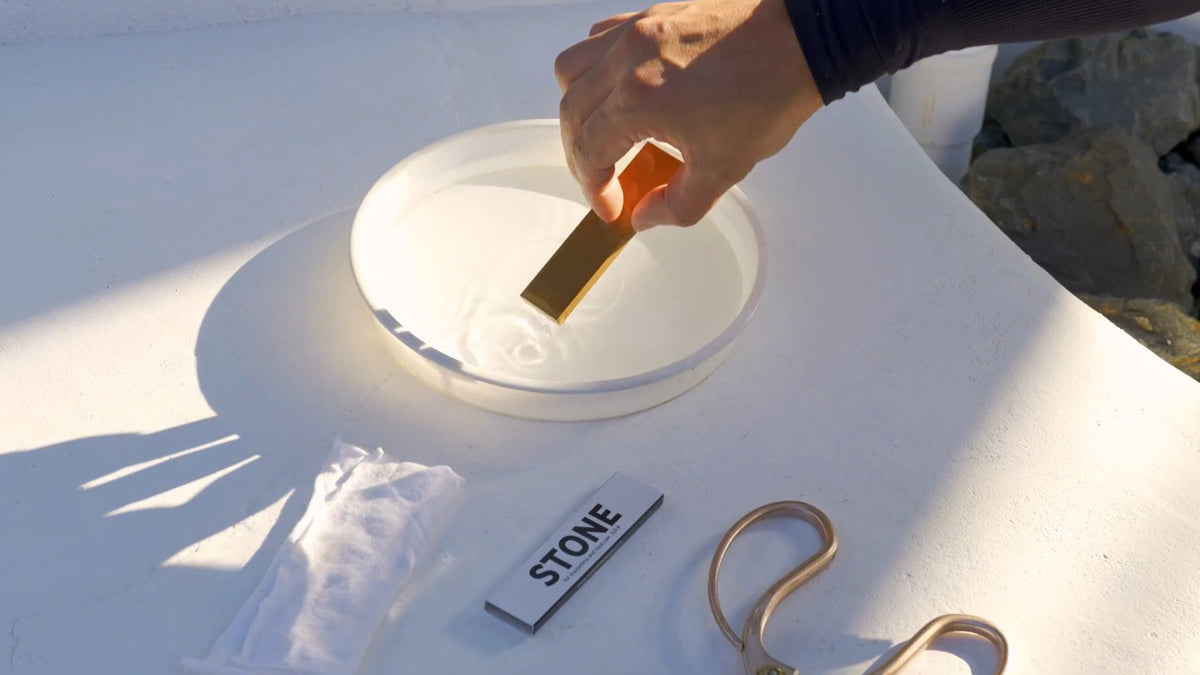
How to Sharpen Japanese Pruning Shears — A Practical Maintenance Guide
Learn how to sharpen Japanese pruning shears the right way. Clean the inner face with an eraser, sharpen only the outer bevel, and maintain your shears without disassembly.
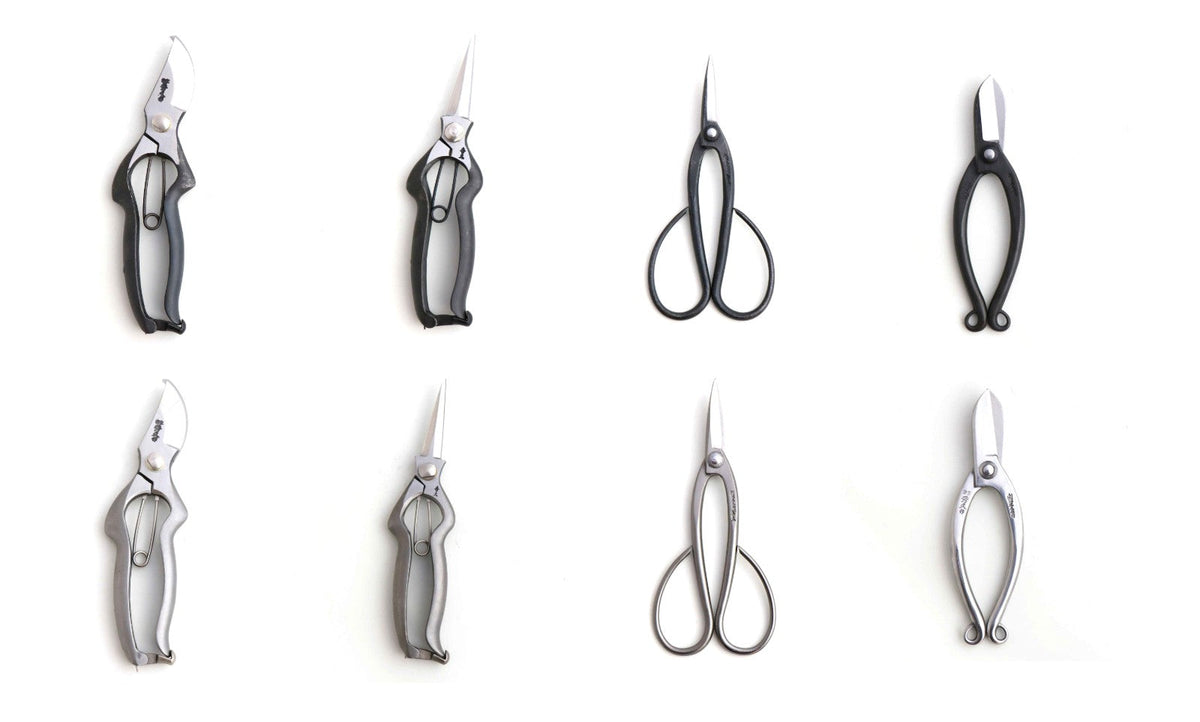
High-Carbon vs. Stainless Steel Pruning Shears
High-carbon steel or stainless steel pruning shears? Learn how each blade material affects sharpness, maintenance, and cutting feel so you can choose wisely.
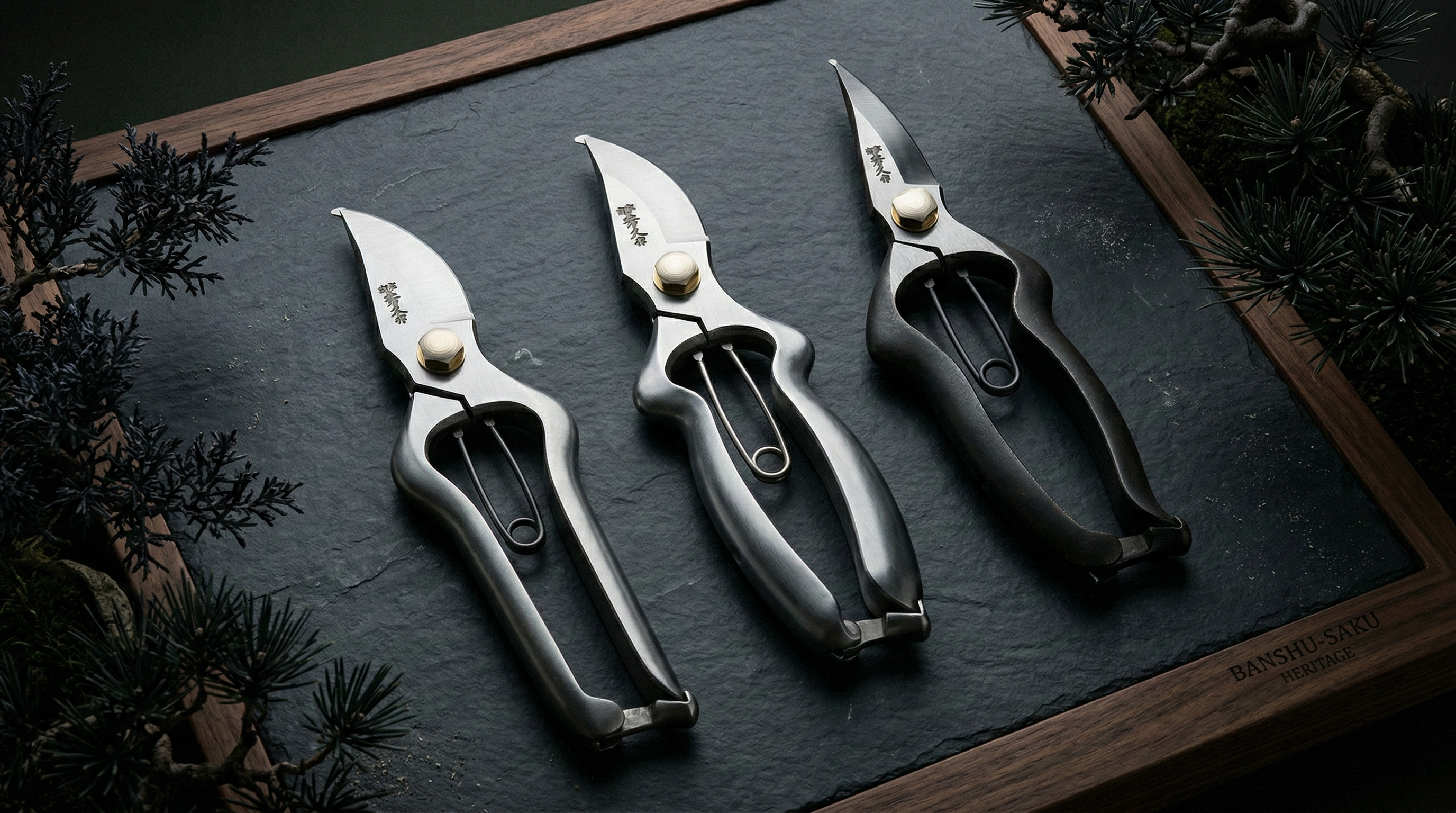
How to Choose the Right Grip for Your Pruning Shears
Learn how to pick the right pruning shear grip for comfort and control. Explore three grip styles from Toyama Hamono, hand-forged in Sanjo, Japan, since 1861.
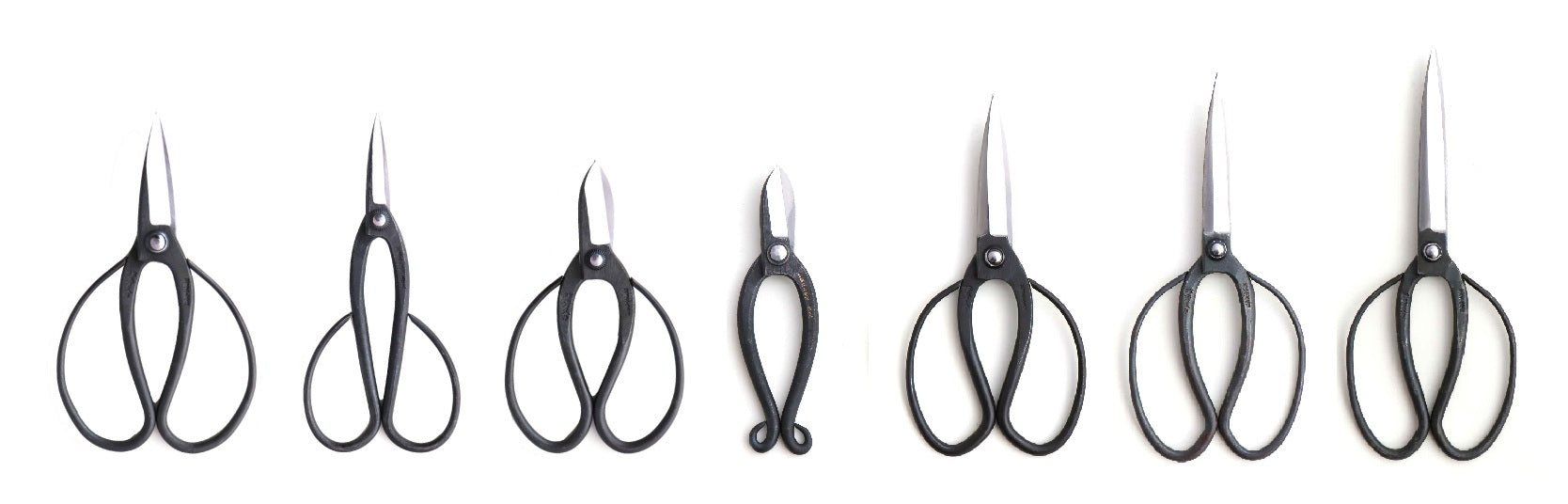
How to Choose Traditional Japanese Garden Shears
Not sure which traditional Japanese garden shears to pick? Learn the differences between bonsai, ikebana, hedge, and all-purpose shears from Toyama Hamono.
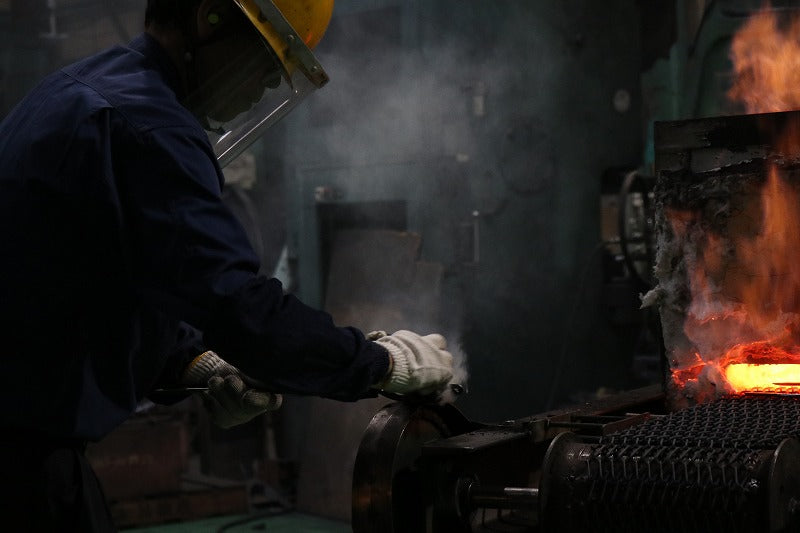
Forged vs. Stamped Pruning Shears: What's the Difference?
Why do pros choose forged pruning shears? Learn how forging affects sharpness, blade contact, and durability — from Toyama Hamono, hand-forging shears since 1861.
