
By Hidenobu Toyama
Japanese shear type names come from several different sources: a region (Tsushima, Tsugaru), a way of making the tool (Type A, Type B), a physical form, or a name whose origin remains uncertain (Okubo). They are not one classification system. They also cross two separate tool traditions — springless ueki-basami and spring-loaded pruning shears.
If you research Japanese garden shears beyond English-language product pages, these are the names you run into, and they do not fit neatly into the categories familiar in Europe or North America.
Some point to a region. Some began as names for a way of making the tool. Some are now used for a shape even when the original construction is no longer present. And one has become a standard name even though the origin of the word remains uncertain. These names were never part of one naming system. Each one holds on to something different — a place, a way of making the tool, a shape, or the work that shaped it.
That is why a browser translation of a Japanese catalogue can be confusing. Two products may both be called a “type,” while the word is describing completely different things.
First, Separate the Two Tool Traditions
Before comparing the names, it helps to separate two kinds of one-handed garden shears that Japanese sources often discuss side by side.
Ueki-basami — springless garden shears

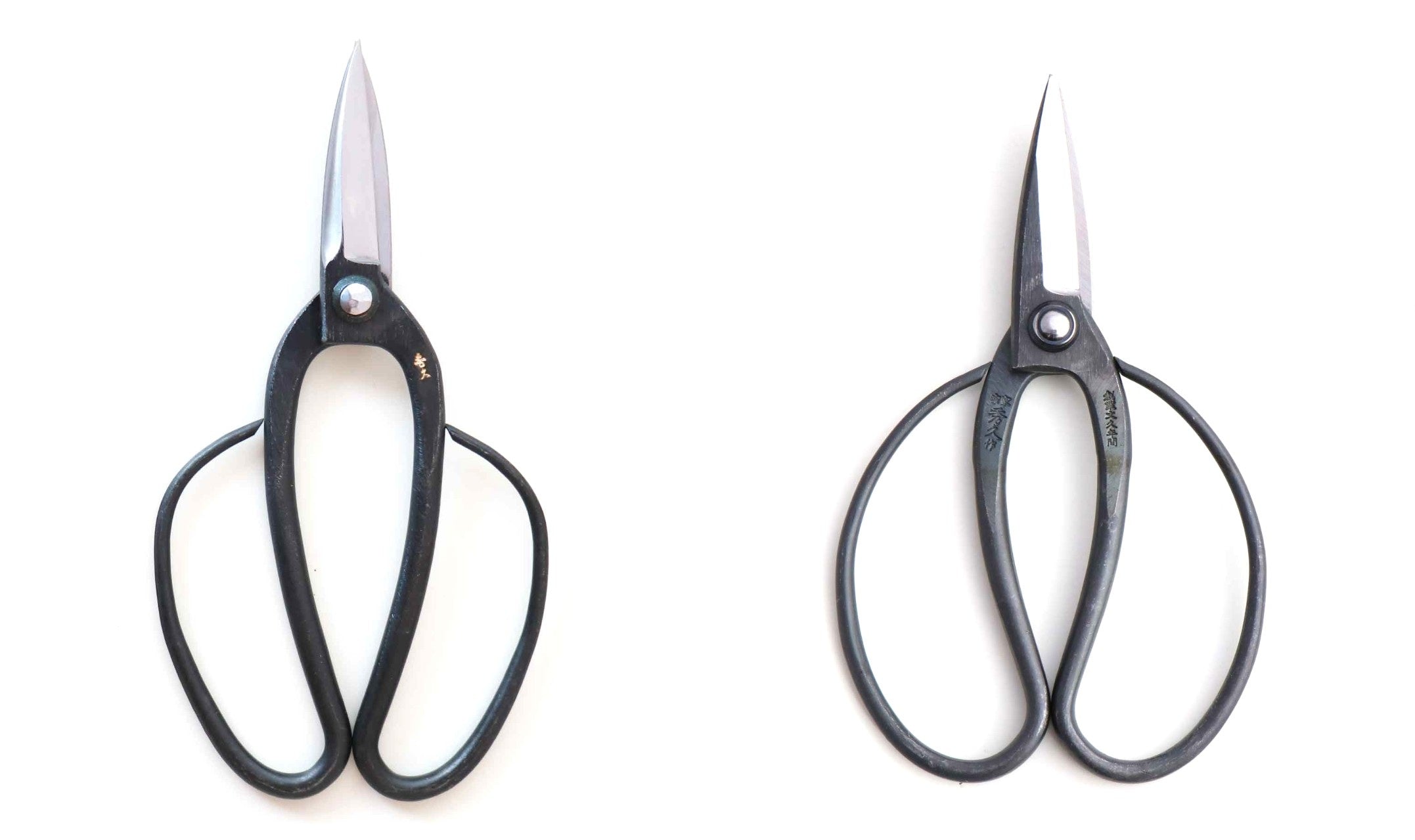
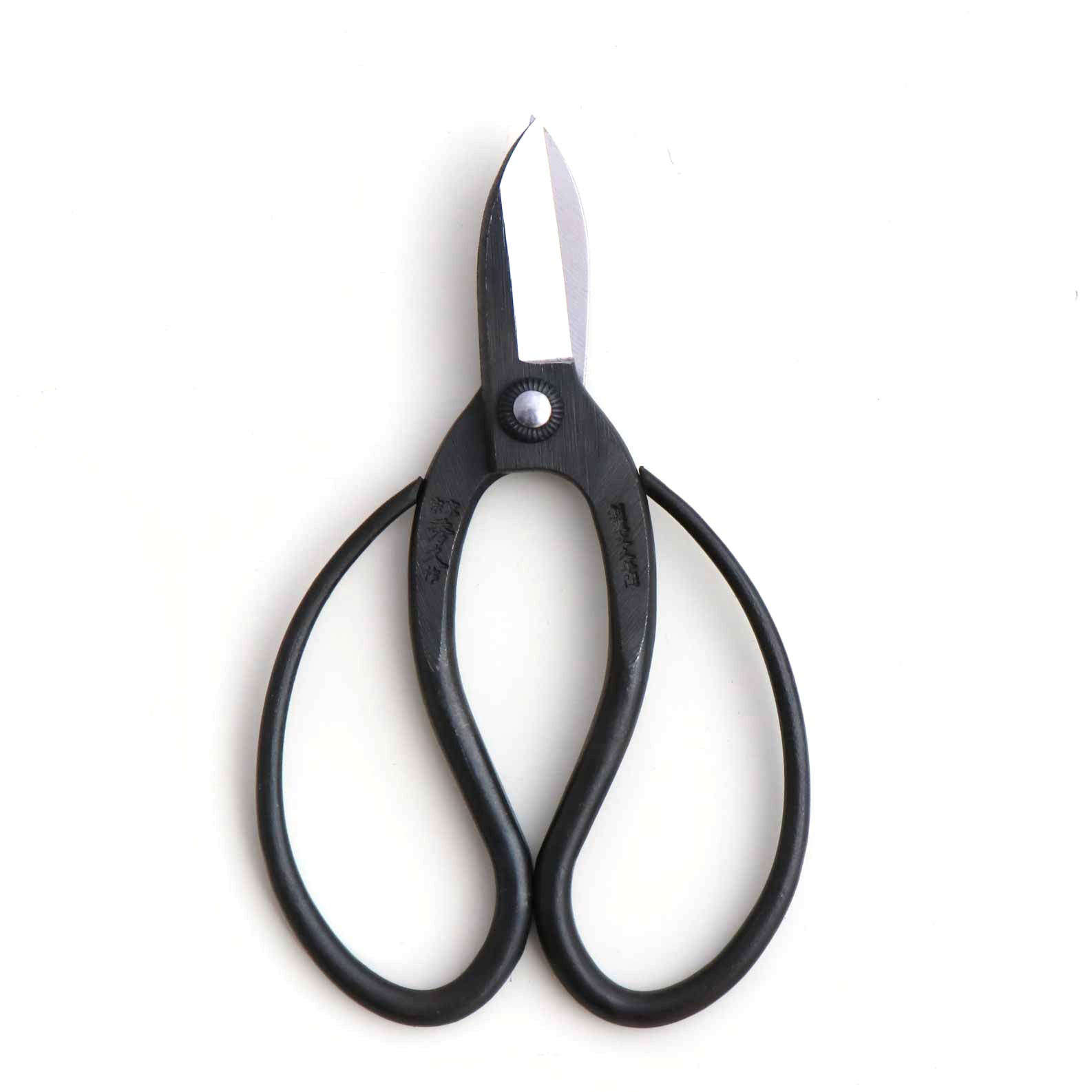
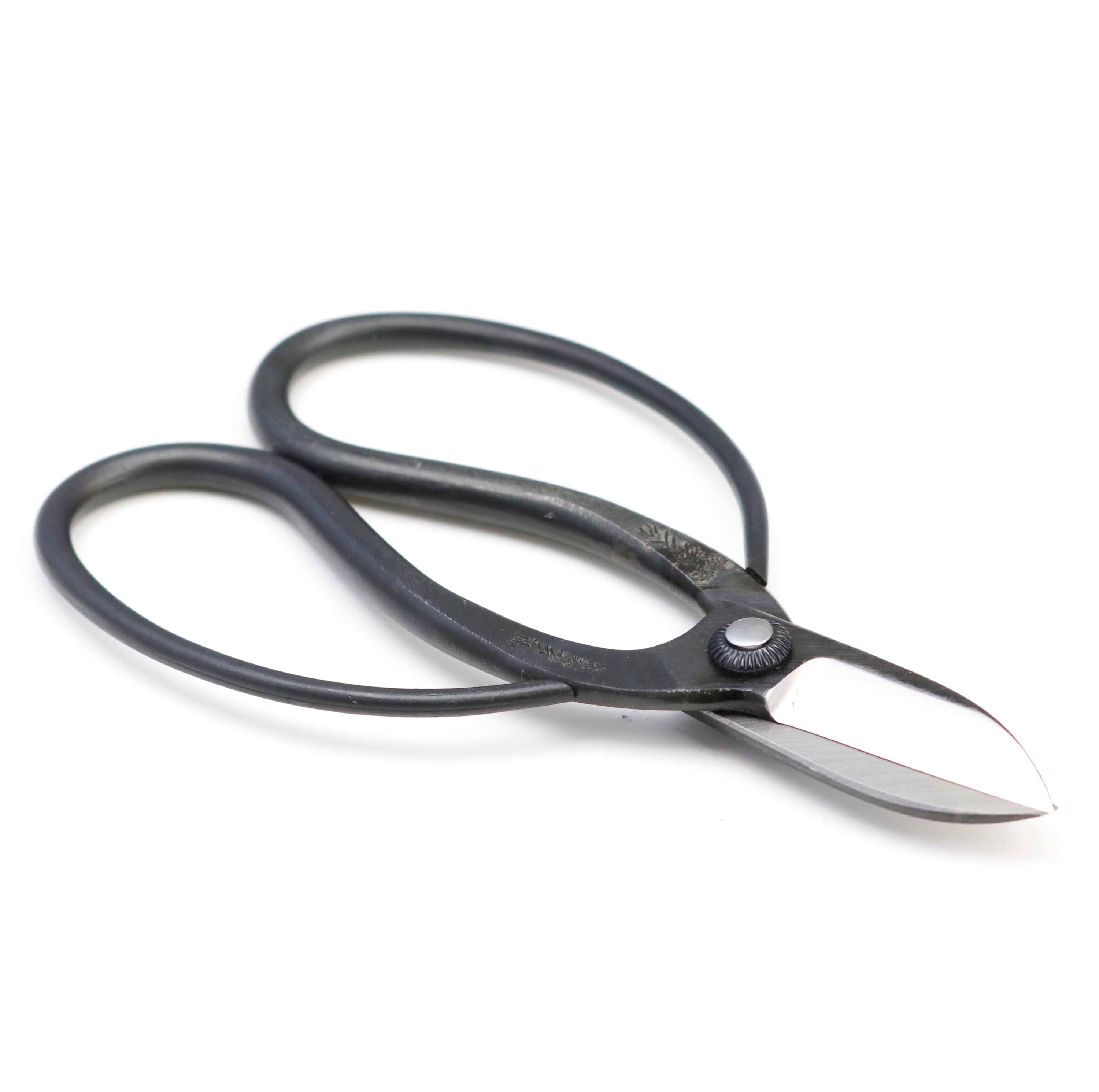
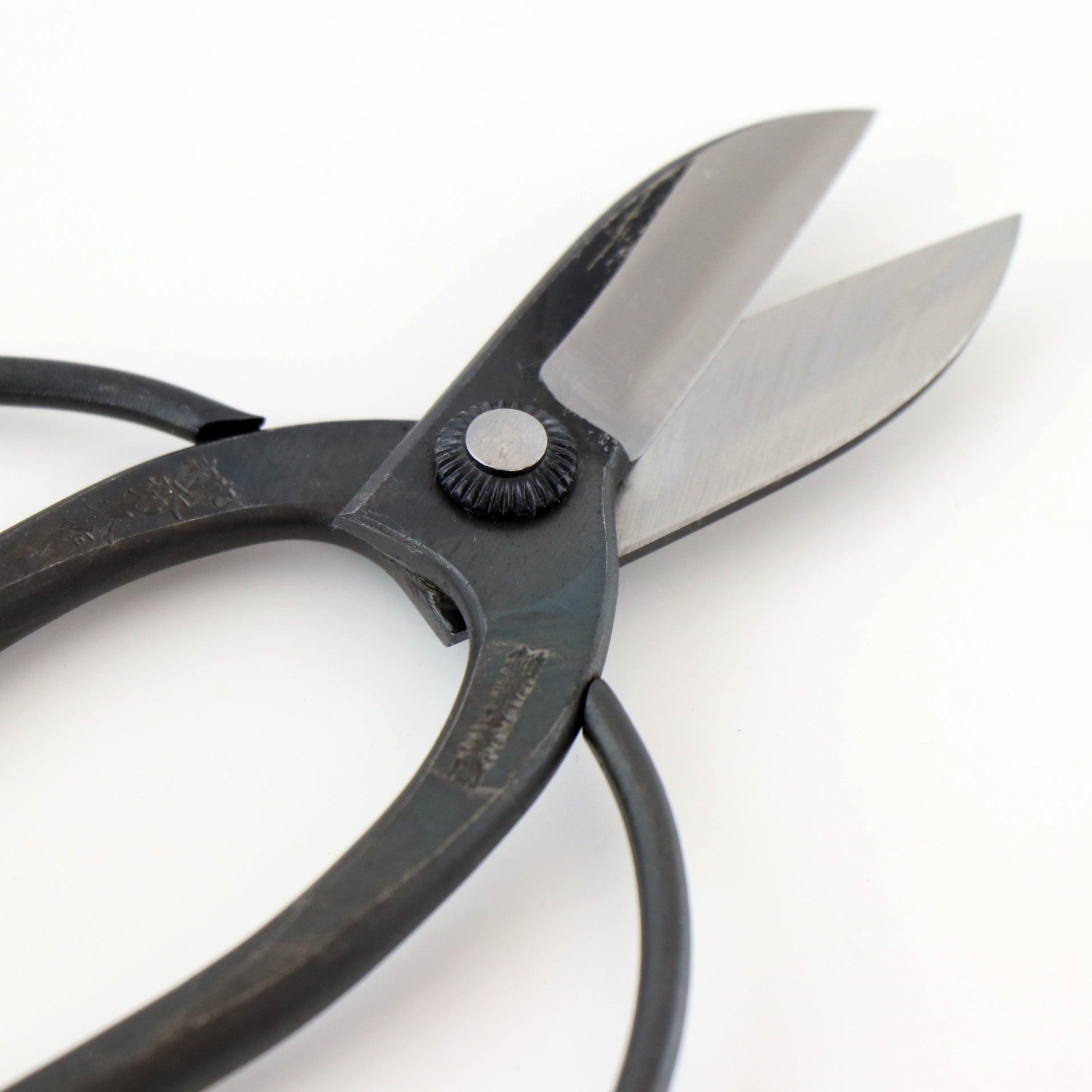
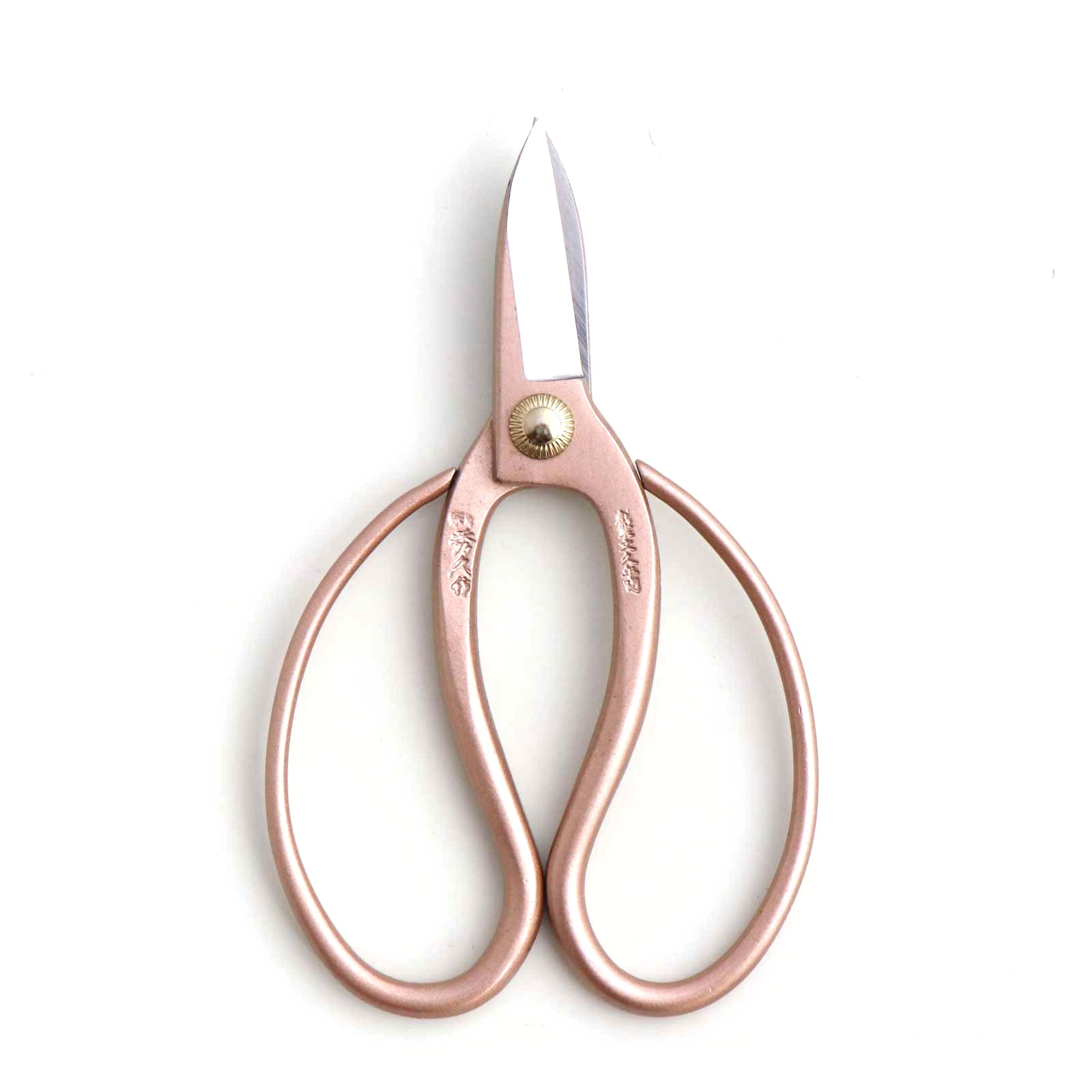
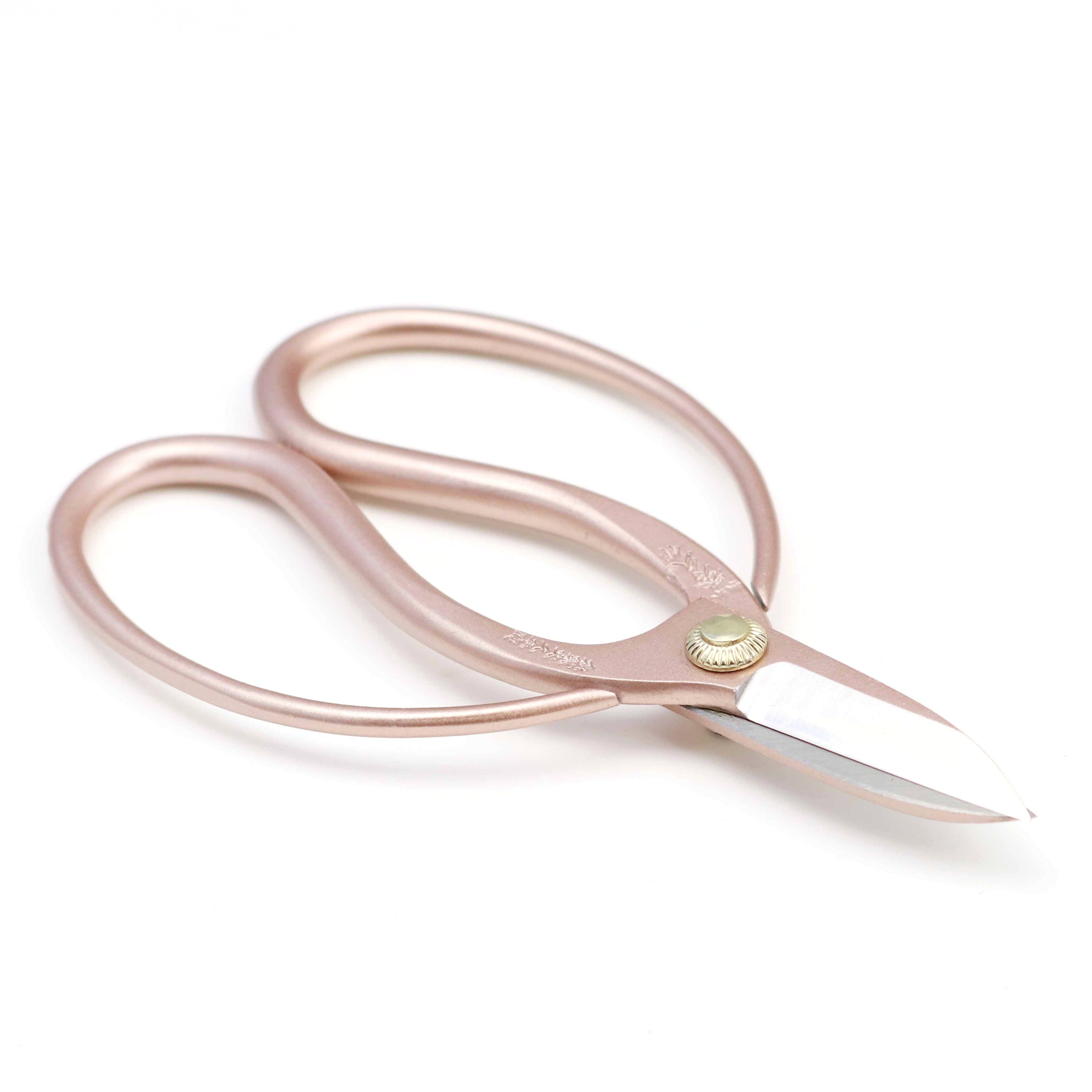
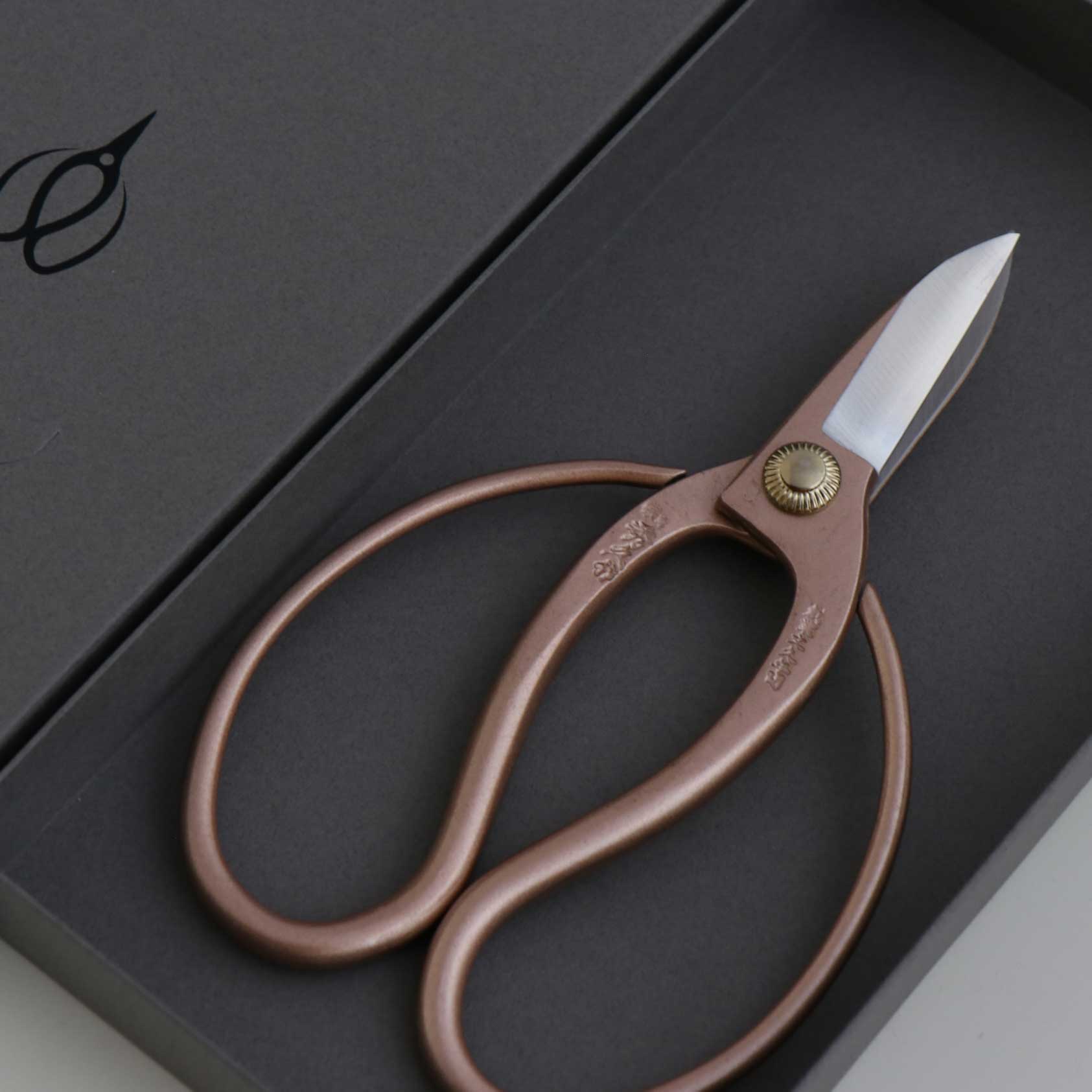
Photo: T1 Okubo style ueki-basami(garden shears) See All Okubo style
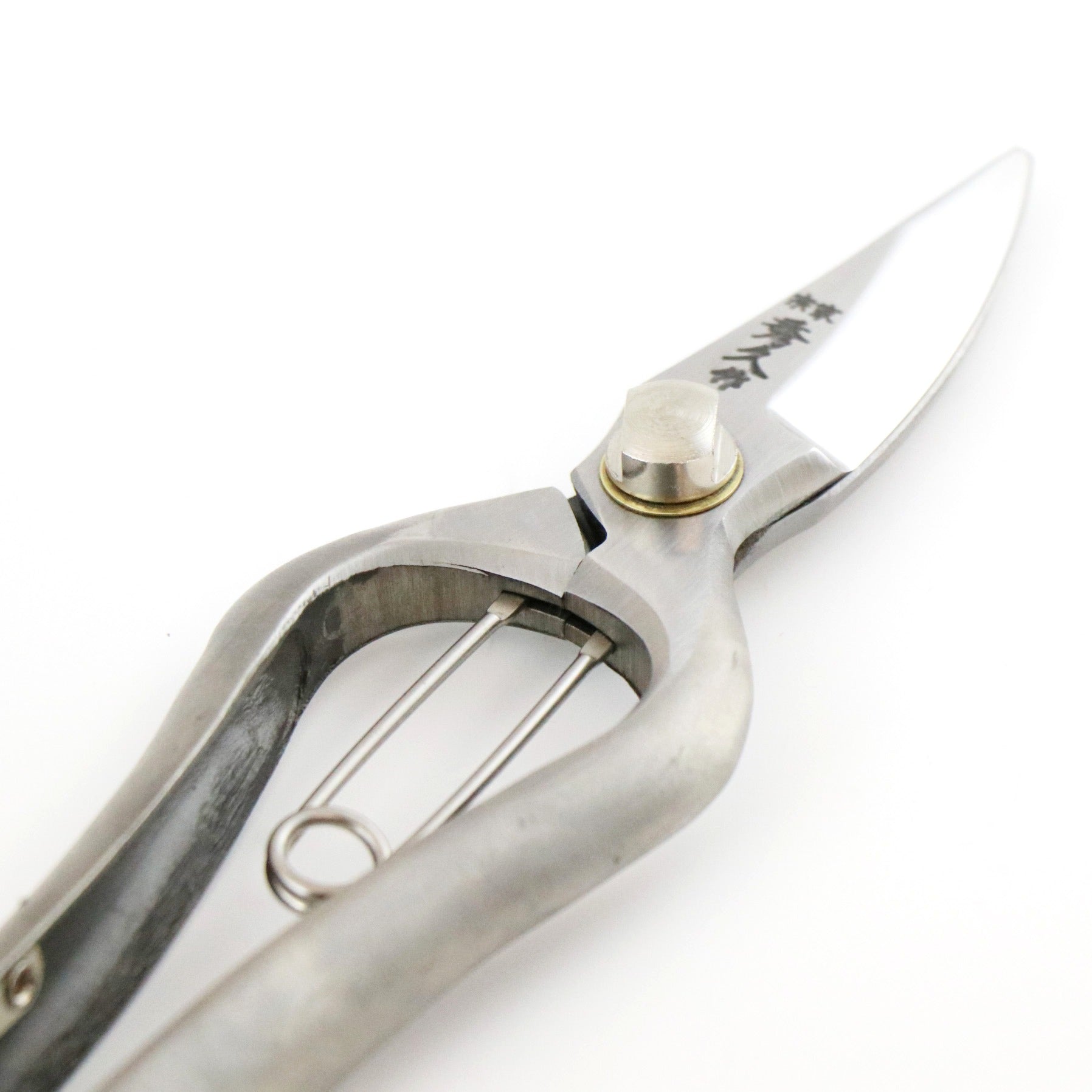
Traditional ueki-basami have no spring. They use large loop handles, known in the trade as tsuru-te, and your hand does both the opening and the closing.
Those large loops are there for a reason, not for looks. The wide shape reduces the chance of the shear catching and damaging nearby branches while you cut. And because nothing pushes the handles back open, the whole movement is yours — which takes a little getting used to if every pair of shears you have owned has had a spring. I go through that in How to Hold Springless Traditional Japanese Garden Shears.
The Okubo and Tsushima types below both belong to this springless tradition.
Sentei-basami — spring-loaded pruning shears

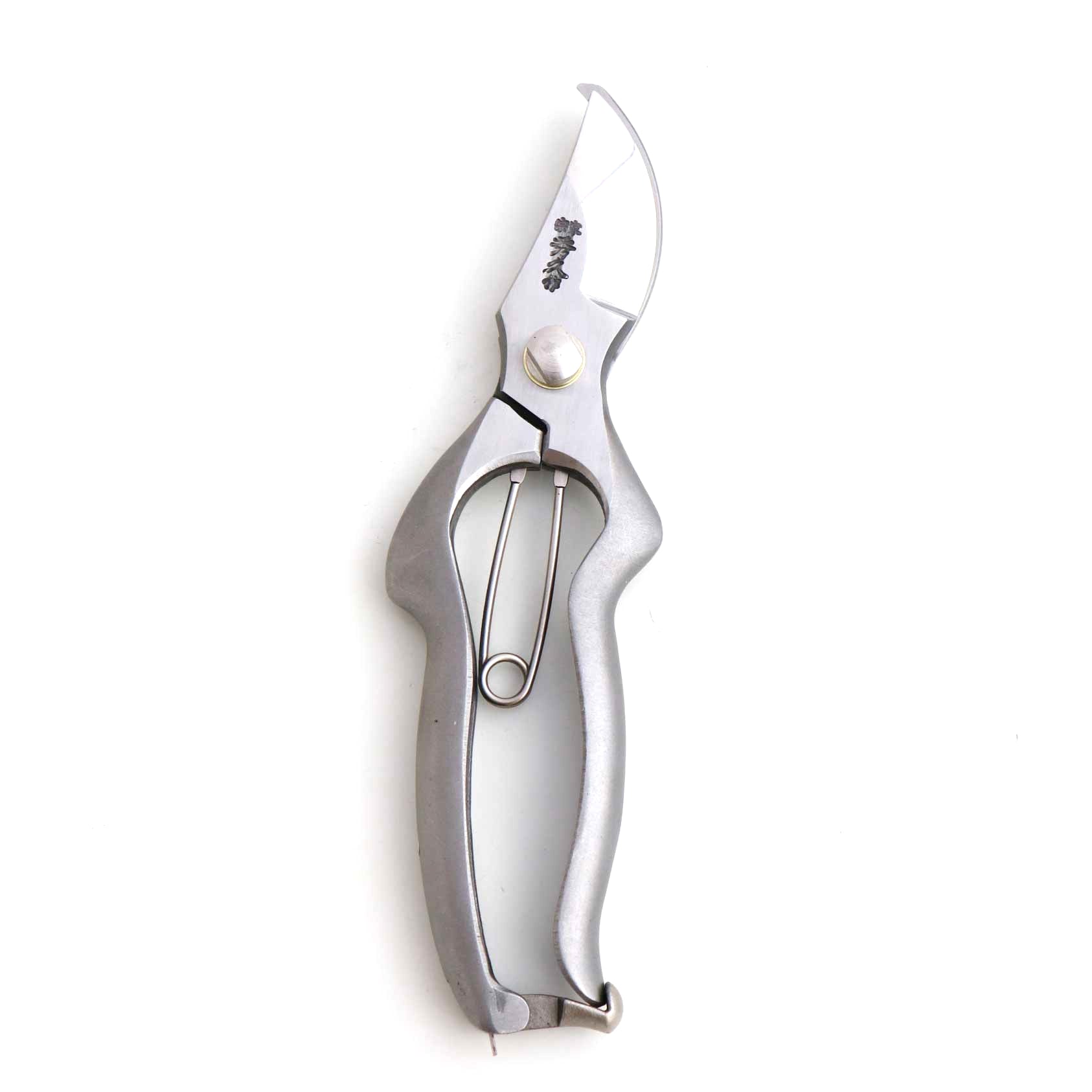
Photo: T-25 pruning shears. See all pruning shears
Japanese pruning shears (sentei-basami) have a cutting blade that works against a counter blade, with a spring that reopens the handles after every cut. In Western terms, this is a bypass action rather than an anvil action.
The form was developed in Europe for pruning fruit trees and came to Japan during the Meiji period. Japanese makers then developed their own ways of making it, and names such as Type A, Type B, and Tsugaru grew up inside this pruning-shear category.
This matters because Okubo and Tsushima are not alternatives to Type A and Type B in the same sense. The names sit in two different tool traditions.
Okubo — the General-Purpose Reference Point

Photo: T1 Okubo style ueki-basami(garden shears) See All Okubo style
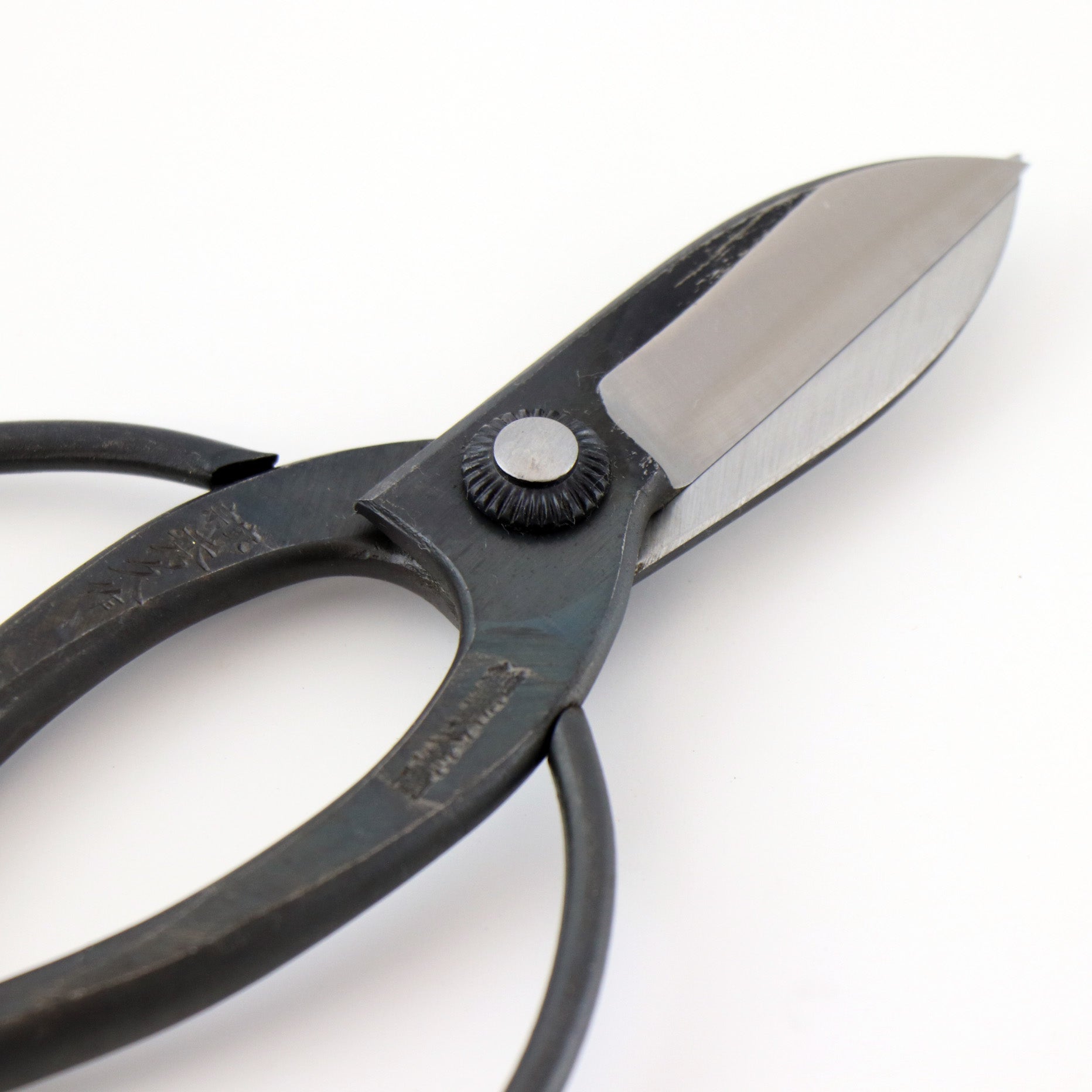
Among ueki-basami, the Okubo type is one of the most familiar general-purpose forms in Japan. It is used for ordinary garden pruning, bonsai, and flower work, which makes it a useful reference point when you are looking at more specialized traditional shapes.
Our own T1, T1S, and T12 are Okubo-style garden shears. On the T1, that versatility is visible in the blade: the tip handles selective thinning and shaping, while the broader heel takes small branches and twigs — one tool with two working areas. That is what gives the T1 its range as a general-purpose garden shear. If you are weighing it against a snip or a secateur, Your First Japanese Garden Shears compares the three side by side.
The same type also extends into longer-bladed forms used for hedge and leaf work, which I cover in Choosing Traditional Japanese Garden Shears.
There is a story connecting “Okubo” to the Edo-period figure Okubo Hikozaemon, but standard accounts of Japanese shear history do not confirm it. One of the best-known names in Japanese shears follows no naming rule we can trace.
Tsushima — a Specialist Ueki-basami with Unusual Leverage

Photo: T1-2 Tsushima-style ueki-basami (garden shears) (We currently do not ship internationally.)
The Tsushima type is a specialist form of ueki-basami, associated with the Tsushima area of Aichi Prefecture.
Its proportions are noticeably different from the more familiar Okubo shape. Tsushima shears have long shoulders and handles, which put your hand farther from the pivot. You get more leverage out of the same grip, and the long, narrow body reaches into tight places in a tree. That combination is especially useful in pine work, where the hand may need to stay clear of long needles while the blades go deeper into the foliage.
The geometry is also unusual for a springless Japanese shear. Most traditional ueki-basami keep the hand fairly close to the pivot. The Tsushima type does the opposite.
One traditional account offers a possible explanation. It says the shape developed from shears used to cut twine and open packages, and was later adapted for garden work. The same account compares the straight body, seen from the side, to a sitting frog. The story is worth knowing, but it remains a tradition rather than established history. What you can check is the tool itself: those long proportions are still there in Tsushima-type shears made today.
The setting fits too. Inazawa, next to Tsushima, is officially recognized as one of Japan’s major nursery-tree growing areas and as an important distribution center for nursery stock. The area became especially known for carefully trained garden trees, pine included. That does not prove where the Tsushima shear came from, but it puts the tool next to generations of shaping and training garden trees.
And the Tsushima type has not disappeared. We still make the T1-2 Tsushima-style garden shears in Japan. Where the T1 divides its work between a finer tip and a broader heel, the T1-2 is built around a slimmer blade profile. On our version, the spine is rounded and ground down so the tip goes into narrow, crowded growth more easily.
The T1-2 is currently listed on our Japanese site rather than here. If you are outside Japan and would like to ask about availability, please contact us.
So the Tsushima type is better understood as a specialist form that survived than as a shape that vanished.
Type A and Type B — When a Manufacturing Term Became a Shape
Type A and Type B are the clearest examples of why these names can mislead you. To begin with, the difference was not about shape at all. It was about how the shears were made.
Type A: a brazed two-material construction

Photo: An image of Type A pruning shears
In the traditional Type A method, the body and handles were made from whiteheart malleable cast iron, and a harder, higher-grade steel cutting blade was joined to that body by brass brazing. The point of the name was the construction, not the outline of the handles.
The reasoning was practical. You could put the harder, more expensive blade steel only where the cutting edge needed it, instead of making the whole shear from the same material. Records kept by Yamagata makers describe the result as relatively heavy but tough and sharp, and say this construction was highly valued when sericulture was flourishing and large amounts of mulberry had to be pruned.
Type B: forged as one piece

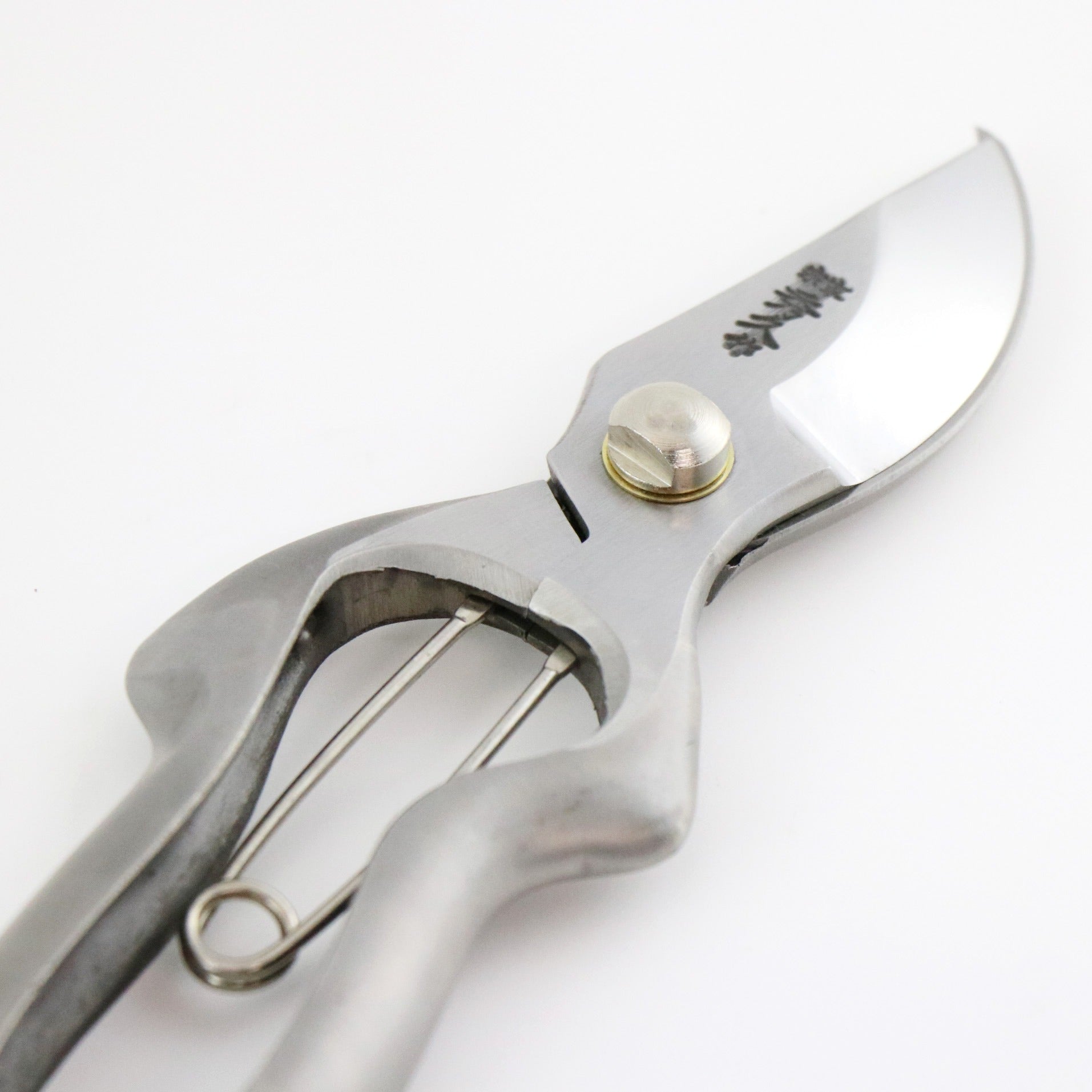
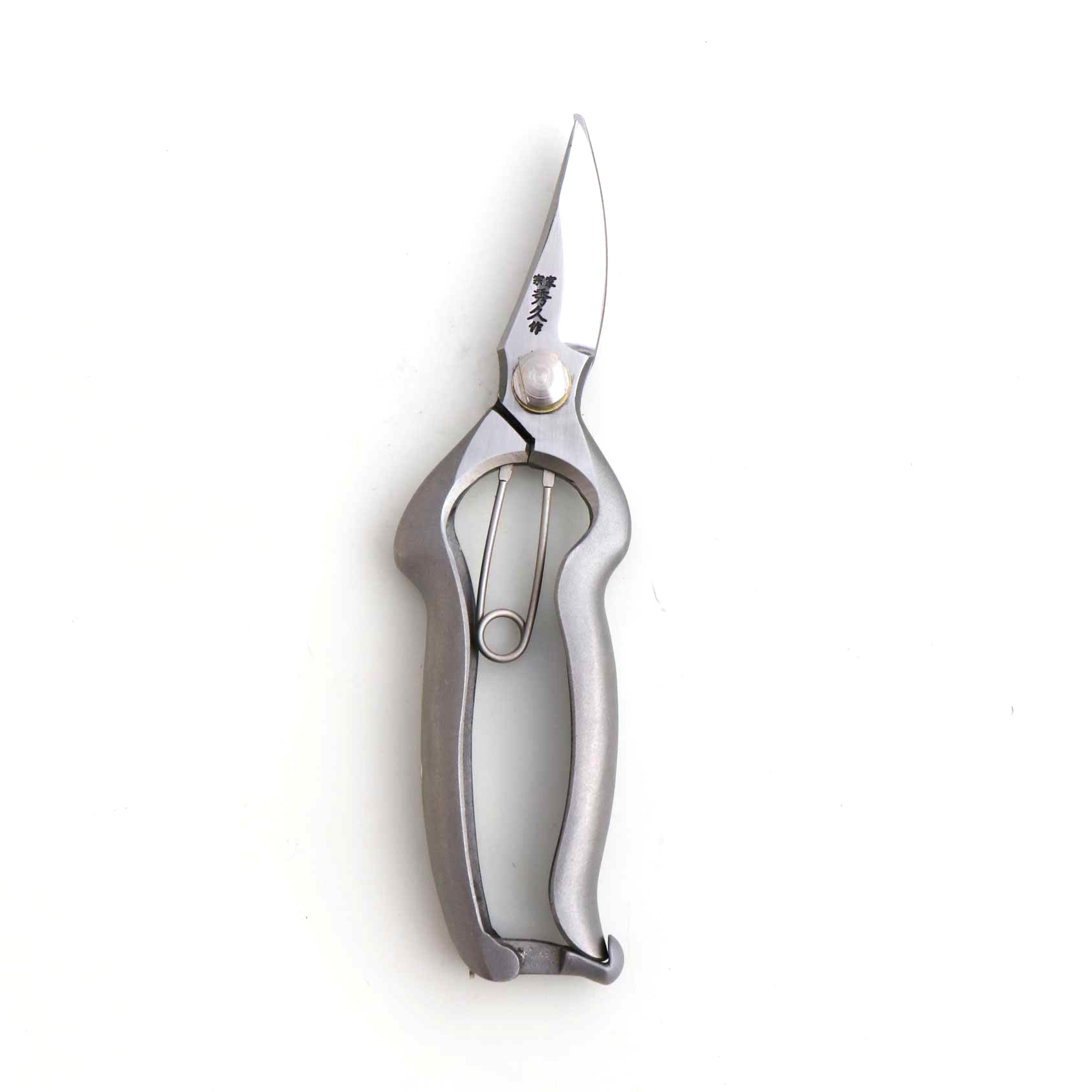
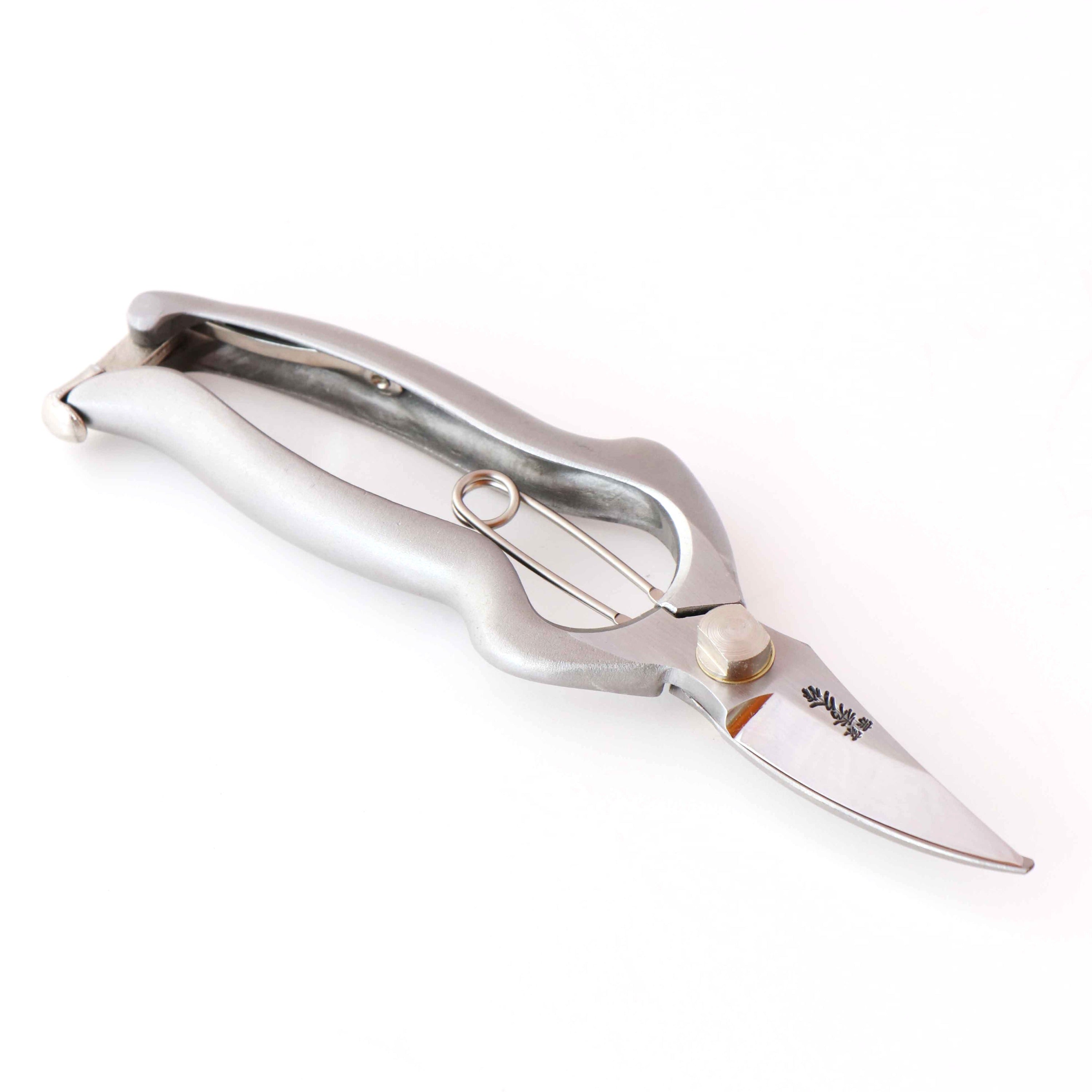
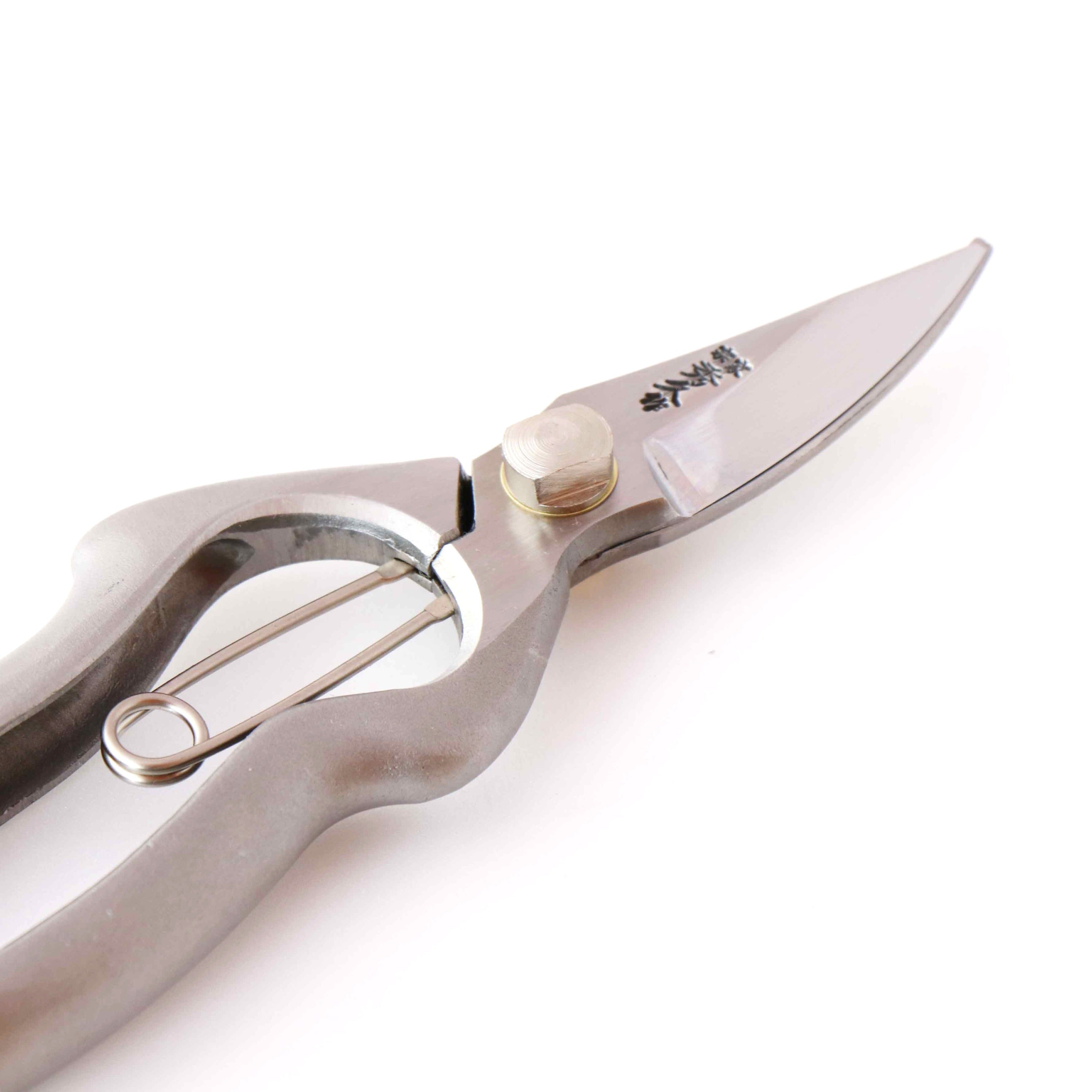
Photo: Toyama Hamono T14 pruning shears
In the traditional Type B method, the whole shear was forged from a single round bar of steel using dies. Blade and handles were formed as one continuous body rather than joined by brazing.
Working harder steel that way used to be difficult and expensive, so makers were limited in what they could practically use. As the first stage of forging came to be outsourced more often, and as steel availability changed, one-piece shears could be made from a wider range of materials.
That change is what loosened the name. As the traditional brazed method became less common, “Type A” stayed in use: Japanese catalogues began listing shears that kept the Type A shape but were actually forged in one piece. That is still the case today. So when a Japanese website calls a pruning shear Type A, it may be describing the shape rather than the old brazed construction. The name survived; what it points to became broader.
Type B, meanwhile, still refers to a shear forged in one piece.
What Type A and Type B Are Like in Use

Photo: Type A and B pruning shears
That manufacturing history is only part of what you notice in use. In current Japanese usage, the Type B form is generally associated with a thicker, rounded hamaguri-ba (clamshell) blade profile. The convex shape supports the edge, reduces friction as it moves through wood, and gives it more wedging strength on harder or thicker branches. Type A forms are generally thinner, so the blade enters with less resistance and can suit fibrous bark that benefits from a cleaner slicing action. These are practical tendencies of the forms, not the original definition of Type A and Type B.
Where Toyama Hamono fits
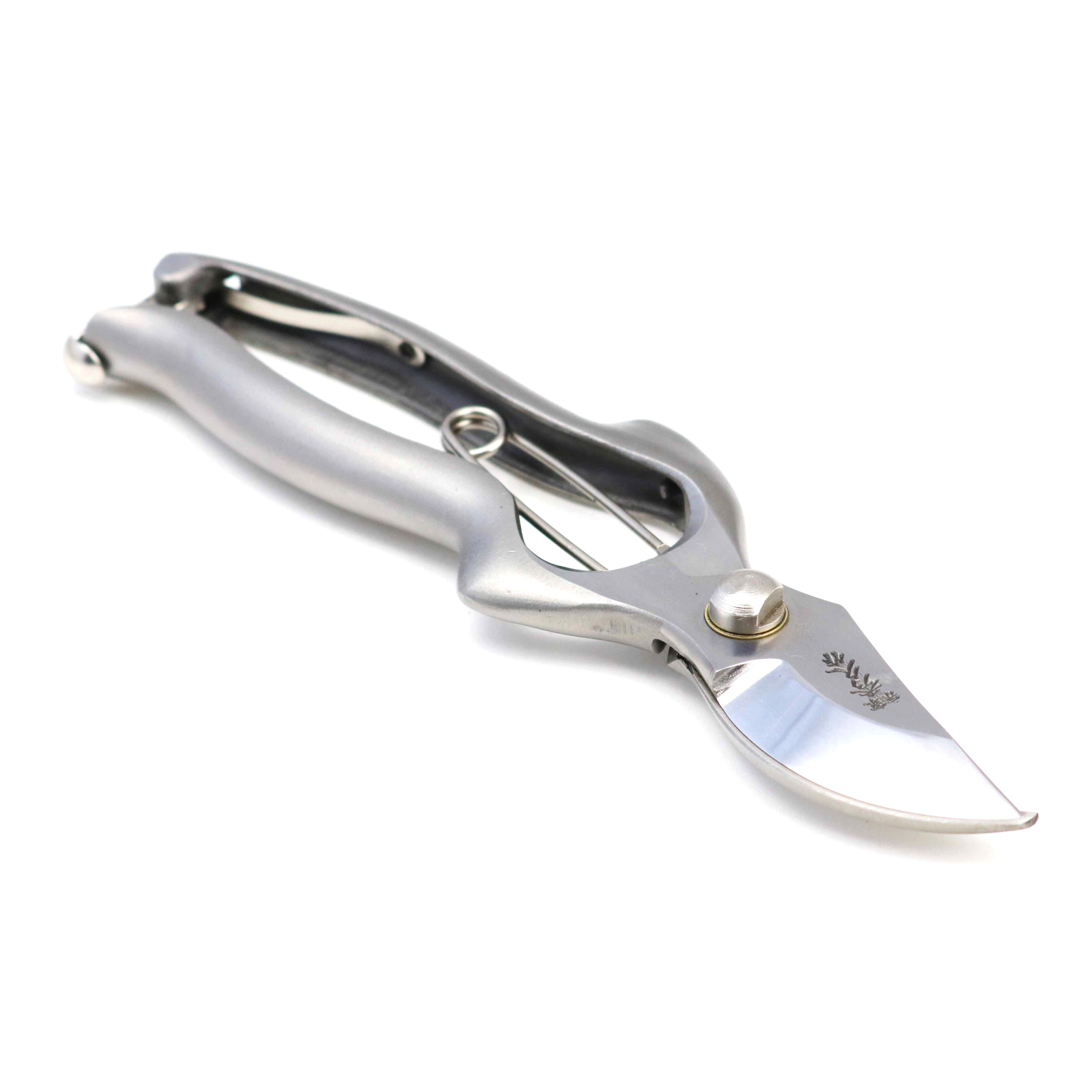
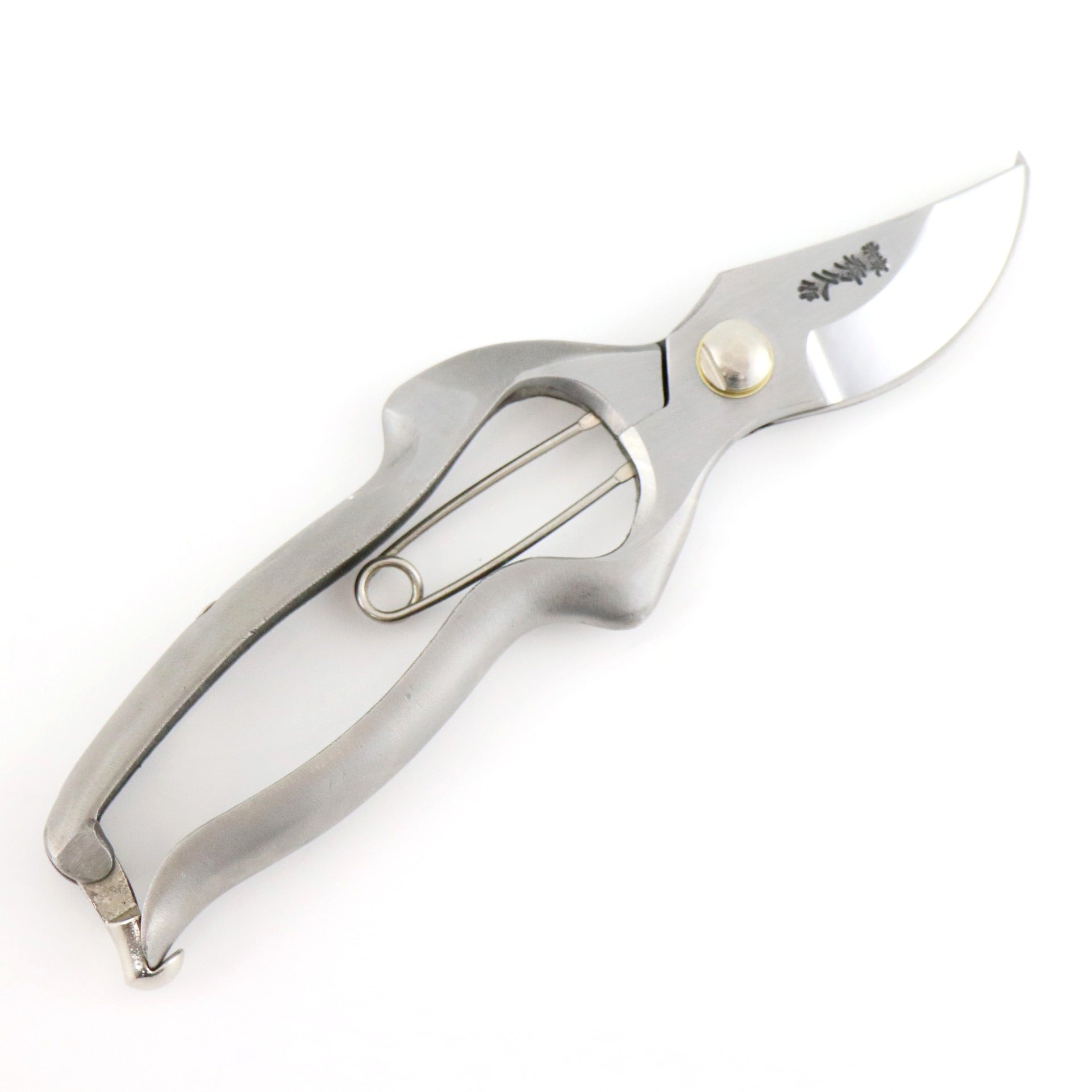
All Toyama Hamono pruning shears are Type B by construction.
Because the blade and body are forged as one piece, there is no separate brazed joint between them — one fewer connection that has to stay secure over years of work. I have written separately about what forging does for a working tool in Why Forged Pruning Shears Are Worth Owning.
Our range includes both high-carbon-steel and stainless-steel models, so Type B does not tell you the steel. In our use of the word, it describes the construction. The same basic one-piece construction can be made in different steels. That is worth keeping in mind when you read a Japanese catalogue: the type name, the steel, the blade geometry, and the handle shape can all be separate pieces of information. If you are choosing between our models, How to Select Pruning Shears works through it in practical terms.
Tsugaru — How Apple Pruning Reshaped a Shear

Photo: Tsugaru style pruning shears
The Tsugaru type grew up in Aomori’s apple country, where pruning became part of a highly specialized way of growing fruit.
The link between the orchards and the tool is unusually well recorded. Hirosaki’s historical records note a tradition that the first apple pruning shears were made in the city around 1904, at a time when new pruning methods and other growing techniques were advancing quickly. The same record notes that this metalworking tradition continues in Tsugaru hand-forged tools today. Aomori’s records go further and describe, part by part, how the shear changed as orchard work changed.
Hocho and karasu — the blades
The cutting blade is called hocho locally — literally “knife” — and the counter blade karasu.
The Aomori account says the cutting blade was straight to begin with. As pruning methods changed and growers trained their branches lower, the blade was bent downward to reduce strain on the wrist. A change in the way trees were grown changed the angle of the tool.
Chika — the stop
The stop is called chika, and it started out as a steel rod. As orchards grew larger and the number of cuts in a day went up, repeated impact became a burden on the hand. A coil spring took the rod’s place to reduce that shock.
Ude — the handles
The handles are called ude. Historical accounts describe them as being twisted and rounded so they would sit naturally in either the right or the left hand through a long day’s pruning.
Asari — how the blades meet
Asari is the gap between the cutting blade and the counter blade, together with the slight angle built into their relationship.
The Aomori account sets this against shears whose blade faces are simply matched flat against each other. As flat faces wear, a gap can open between them and cutting performance can fall off. In a Tsugaru shear, the angle is intended to keep the tips meeting as the blades wear. It also points to this angle, together with water quenching, as important to the long-lasting cutting performance traditionally associated with the type. How any pair is sharpened and adjusted matters just as much over the years, which is the subject of How to Sharpen Japanese Pruning Shears.
The point is not that every Tsugaru shear is identical. It is that every named part of the tool remembers a piece of orchard work: working posture changed the blade angle, repeated cutting changed the stop, and long use shaped the handles and the way the blades meet.
The Tsugaru type is also still alive as a category. Tsugaru-type pruning shears are made and sold in Japan today.
How to Read These Names on Japanese Websites
Before you assume two labels can be compared directly, ask what kind of name you are looking at.
| Name | Tool tradition | What the name mainly tells you | What to remember |
|---|---|---|---|
| Okubo | Ueki-basami | A named traditional shape | Common general-purpose shape; the name’s origin remains uncertain |
| Tsushima | Ueki-basami | A regional, specialist shape | Long proportions and strong leverage; survives as a specialist type |
| Type A | Pruning shears | Once a way of making the tool; now also used for shape | The original version was brazed, but the name can now describe one-piece-forged shears of Type A shape |
| Type B | Pruning shears | One-piece-forged construction | A continuing construction tradition; all Toyama Hamono pruning shears are Type B |
| Tsugaru | Pruning shears | A regional type shaped by orchard work | Closely tied to apple pruning; still made today |
One last warning: the letters are not universal. Some ueki-basami lines also use lettered model names that have nothing to do with the Type A / Type B pruning-shear history. Context matters.
In Closing
These names are only confusing if you expect them to behave like one modern classification system. They do not.
A name can hold a place, as Tsushima and Tsugaru do. It can hold a way of making the tool, as Type B does — and it can remain in use even after that original construction becomes less common, as Type A has. Or it can become a standard name while its own origin remains uncertain, as with Okubo.
So the useful question is not simply “which type is this?” It is: what is this type name actually describing — a place, a shape, a way of making the tool, or the history of a particular kind of work?


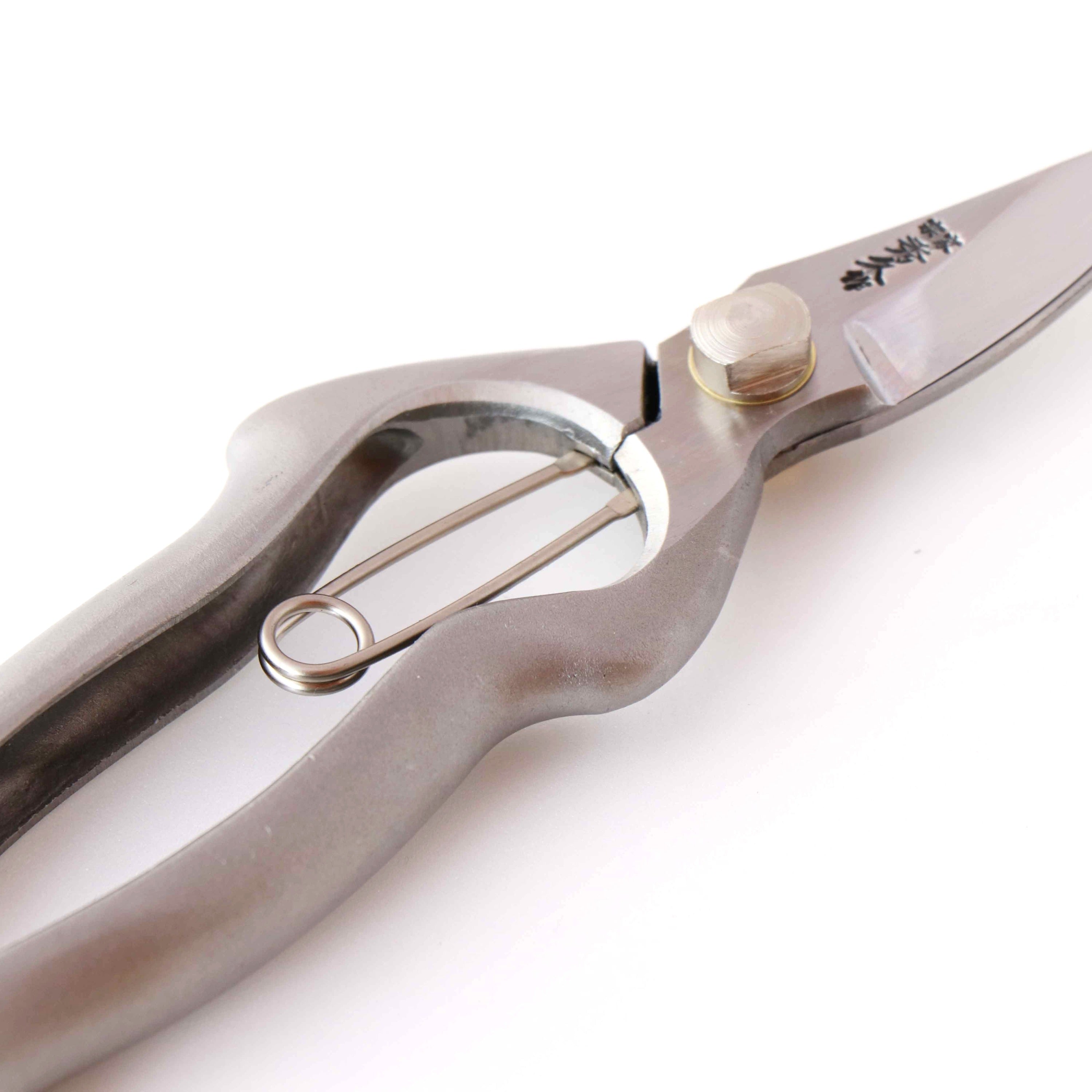
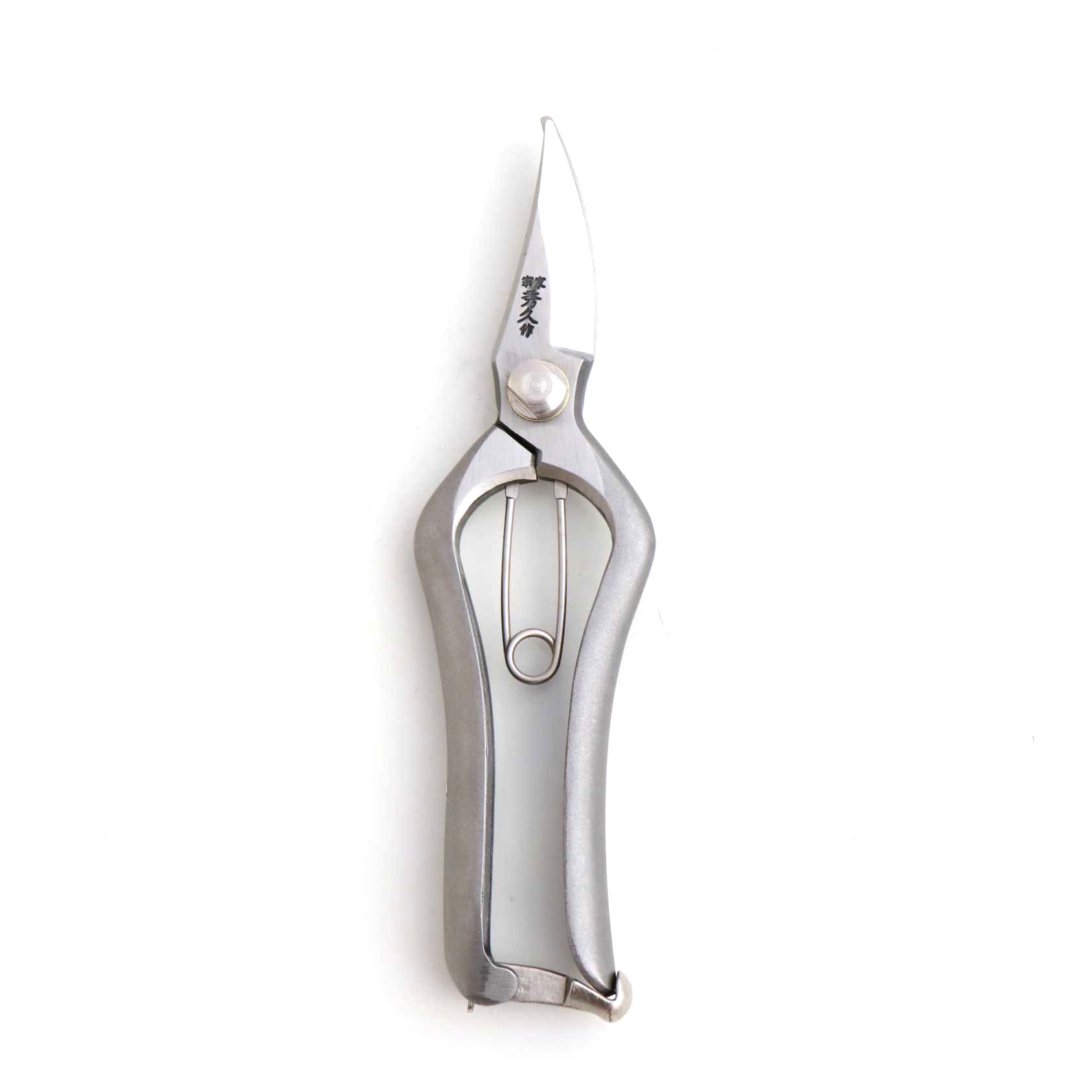
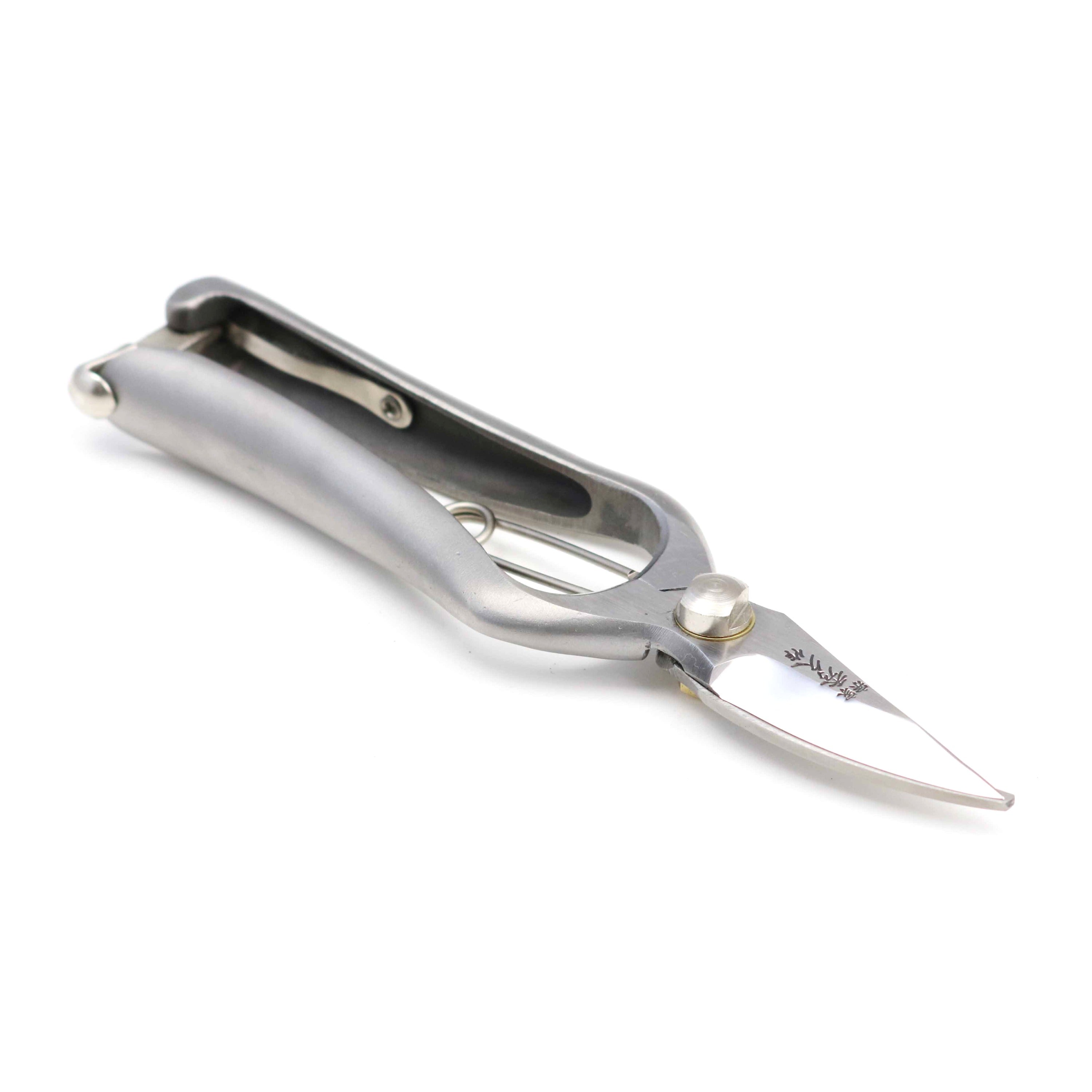
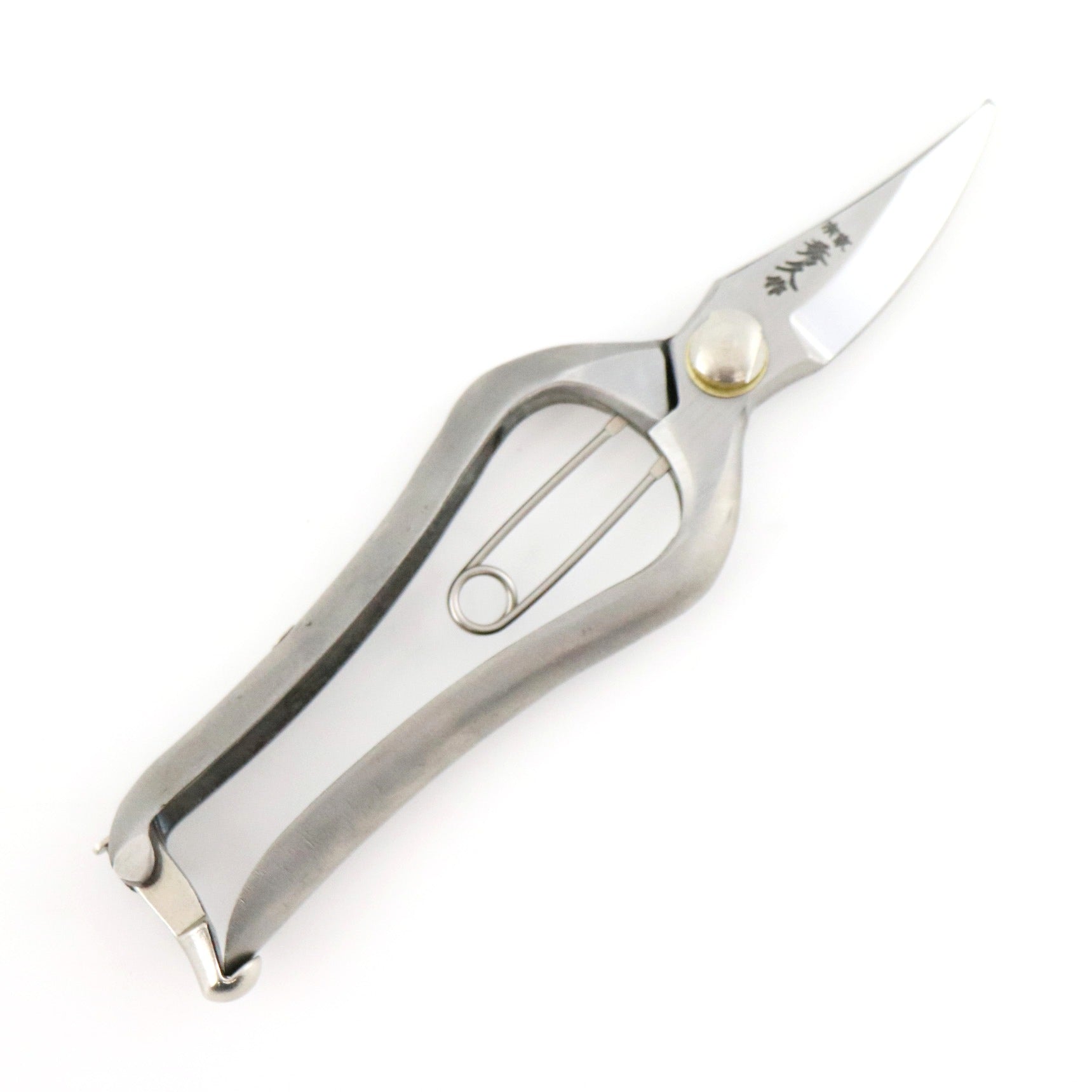

Share:
Putting Japanese Garden Tools into People's Hands in Singapore — Planters Market x SGF 2026 Exhibition Report
Why We Rethought the Pruning Shear Handle